

Dual Laminate FRP Chemical Tanks and Vessels China Suppliers Factory
Product Overview
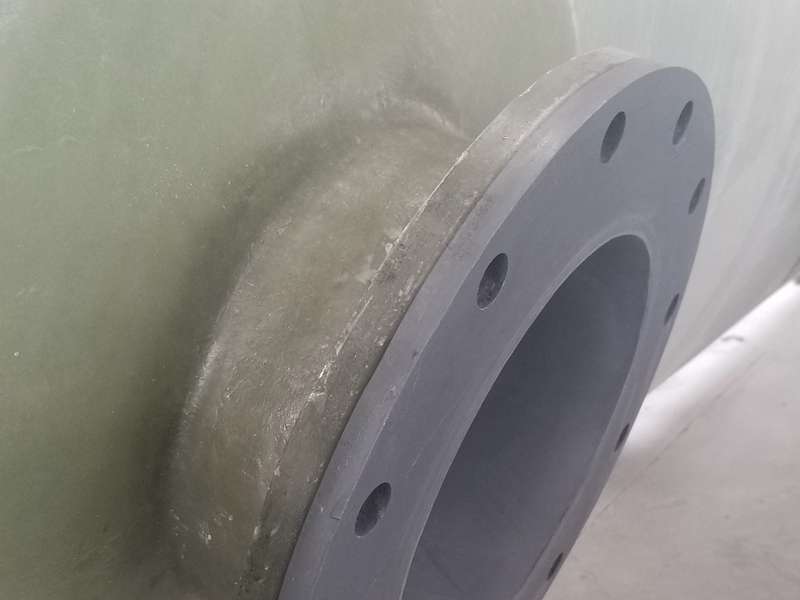
Dual Laminate FRP (Fiberglass Reinforced Plastic) represents the pinnacle of industrial material engineering, seamlessly merging the exceptional structural strength of FRP with the superior chemical resistance of a thermoplastic inner shell. By integrating these two high-performance materials, our dual laminate solutions provide a robust alternative to expensive metal alloys and rubber-lined steel, ensuring maximum durability in the most aggressive environments.
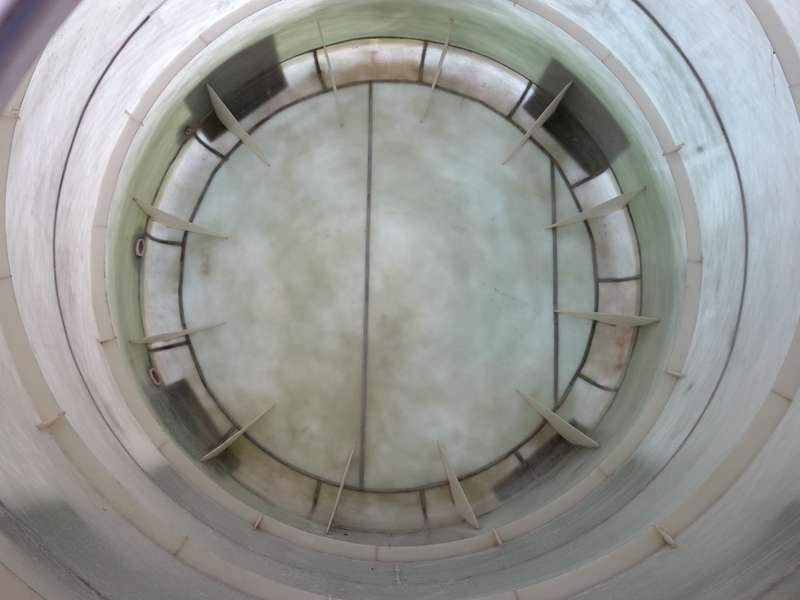
The manufacturing process involves thermoforming and welding a specialized thermoplastic liner, which is then chemically or mechanically bonded to the FRP exterior. This synergistic construction allows for a wide range of chemical compatibility and operating conditions, making these products indispensable for industries requiring high-performance containment and transport systems, such as chemical processing, pharmaceuticals, and offshore oil and gas.
Detailed Parameters
| Core Technology | Dual Laminate (Thermoplastic + FRP) | Bonding Strength | > 7N/mm² (Adhesion between liner and FRP) |
|---|---|---|---|
| Liner Process | Thermoformed and Welded | Structural Reinforcement | Fiberglass Reinforced Plastic (FRP) |
| Integrity Testing | Spark Testing via Carbon Ribbons | Application Range | Tanks, Vessels, Pipes, Scrubbers, Fittings |
| Thermal Profile | High Temperature Resistance | Corrosion Profile | Extreme Chemical & Abrasion Resistance |
| Weight Profile | Lightweight High-Strength Composite | Service Life | Extended Longevity / Low Maintenance |
Key Advantages
Ultimate Corrosion Resistance
Combines thermoplastic liners with FRP to resist the most corrosive industrial chemicals and abrasive media.
Extended Service Life
Higher durability leads to significantly lower maintenance costs and reduced downtime for industrial operations.
Superior Strength-to-Weight
Provides the structural integrity of heavy metals while remaining lightweight for easier installation and transport.
Thermal Stability
Engineered to operate at higher temperatures compared to standard plastic or common steel products.
Proven Integrity
Integrated carbon ribbons behind weld lines allow for precise spark testing throughout the product's lifecycle.
Versatile Customization
Available as workshop-manufactured units or custom on-site project installations to meet specific needs.
Product Gallery
Management Platforms
Material Selection
Choosing the optimal thermoplastic liner based on chemical compatibility and temperature.
Precision Engineering
Advanced thermoforming and welding techniques for seamless inner shells.
Quality Assurance
Rigorous spark testing and bond strength verification exceeding 7N/mm².
On-Site Execution
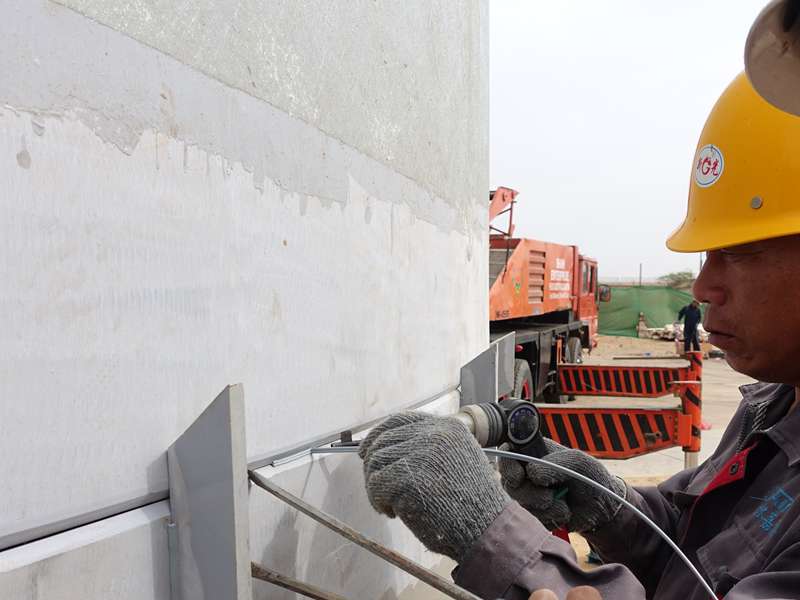
Capability to produce large-scale dual laminate products directly at the project site.
Logistics Management
Lightweight construction simplifies transport and installation of large vessels.
Lifecycle Support
Dedicated maintenance strategies to ensure maximum process productivity.
Investment Return Comparison
| Feature | Dual Laminate FRP | Rubber-Lined Steel |
|---|---|---|
| Initial Cost | Moderate to High | High (Alloys/Linings) |
| Service Life | Very Long | Limited by Corrosion |
| Maintenance | Low / Rare | Frequent Re-lining |
| Weight | Lightweight | Very Heavy |
| Reliability | Spark-Test Verified | Visual Inspection |
Frequently Asked Questions
It is a composite material that combines a thermoplastic inner liner (for chemical resistance) with a fiberglass reinforced plastic (FRP) outer shell (for structural strength).
Conductive carbon ribbons are placed behind the weld lines, allowing the use of spark testing to detect any leaks or defects throughout the product's working life.
They are widely used in chemical processing, food and beverage, pharmaceuticals, mining, environmental protection, and offshore oil and gas industries.
Dual laminate products offer superior corrosion and abrasion resistance, can handle higher temperatures, are significantly lighter, and do not suffer from external environmental corrosion.
Yes, Jrain has the capability to supply a wide range of dual laminate products produced either in our professional workshop or directly at the customer's project site.
The adhesion between the thermoplastic liner and the FRP shell is engineered to be more than 7N/mm², ensuring structural stability under pressure.