-
 Afrikaans
 -
 Albanian
 -
 Amharic
 -
 Arabic
 -
 Armenian
 -
 Azerbaijani
 -
 Basque
 -
 Belarusian
 -
 Bengali
 -
 Bosnian
 -
 Bulgarian
 -
 Catalan
 -
 Cebuano
 -
 China
China -
 China (Taiwan)
 -
 Corsican
 -
 Croatian
 -
 Czech
Czech -
 Danish
 -
 Dutch
Dutch -
 English
 -
 Esperanto
 -
 Estonian
 -
 Finnish
 -
 French
 -
 Frisian
 -
 Galician
 -
 Georgian
 -
 German
 -
 Greek
Greek -
 Gujarati
 -
 Haitian Creole
 -
 hausa
hausa -
 hawaiian
 -
 Hebrew
 -
 Hindi
Hindi -
 Miao
Miao -
 Hungarian
 -
 Icelandic
 -
 igbo
igbo -
 Indonesian
 -
 irish
irish -
 Italian
 -
 Japanese
 -
 Javanese
 -
 Kannada
 -
 kazakh
 -
 Khmer
Khmer -
 Rwandese
 -
 Korean
 -
 Kurdish
 -
 Kyrgyz
 -
 Lao
Lao -
 Latin
Latin -
 Latvian
 -
 Lithuanian
 -
 Luxembourgish
 -
 Macedonian
 -
 Malgashi
 -
 Malay
Malay -
 Malayalam
 -
 Maltese
 -
 Maori
Maori -
 Marathi
 -
 Mongolian
 -
 Myanmar
 -
 Nepali
 -
 Norwegian
 -
 Norwegian
 -
 Occitan
 -
 Pashto
 -
 Persian
 -
 Polish
 -
 Portuguese
 -
 Punjabi
 -
 Romanian
 -
 Russian
 -
 Samoan
 -
 Scottish Gaelic
 -
 Serbian
 -
 Sesotho
 -
 Shona
Shona -
 Sindhi
 -
 Sinhala
 -
 Slovak
 -
 Slovenian
 -
 Somali
 -
 Spanish
 -
 Sundanese
 -
 Swahili
 -
 Swedish
 -
 Tagalog
 -
 Tajik
Tajik -
 Tamil
Tamil -
 Tatar
Tatar -
 Telugu
 -
 Thai
Thai -
 Turkish
 -
 Turkmen
 -
 Ukrainian
 -
 Urdu
Urdu -
 Uighur
 -
 Uzbek
Uzbek -
 Vietnamese
 -
 Welsh
Welsh -
 Bantu
Bantu -
 Yiddish
 -
 Yoruba
 -
 Zulu
Zulu
Fans & Dampers & Demisters
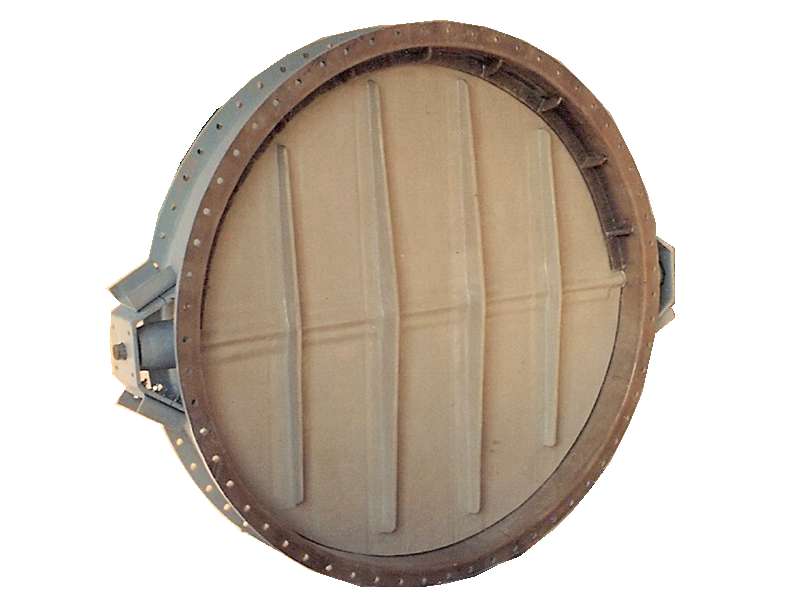
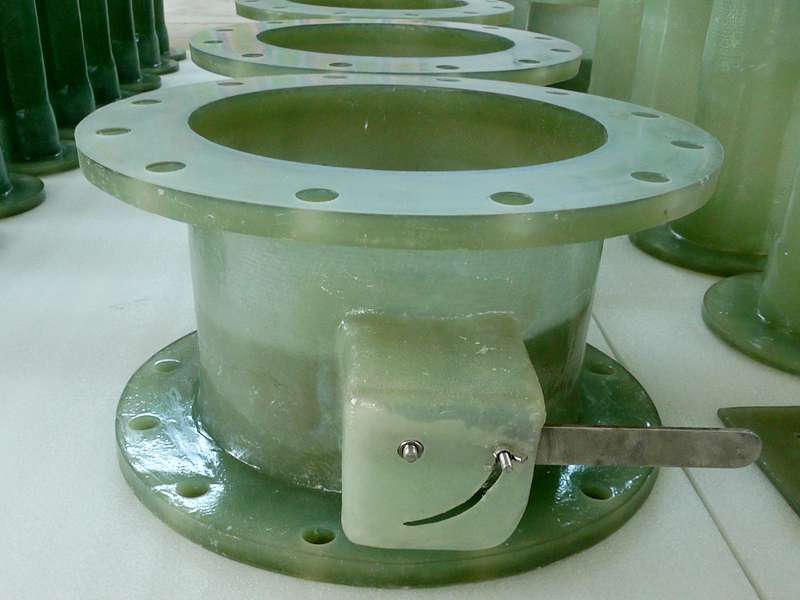
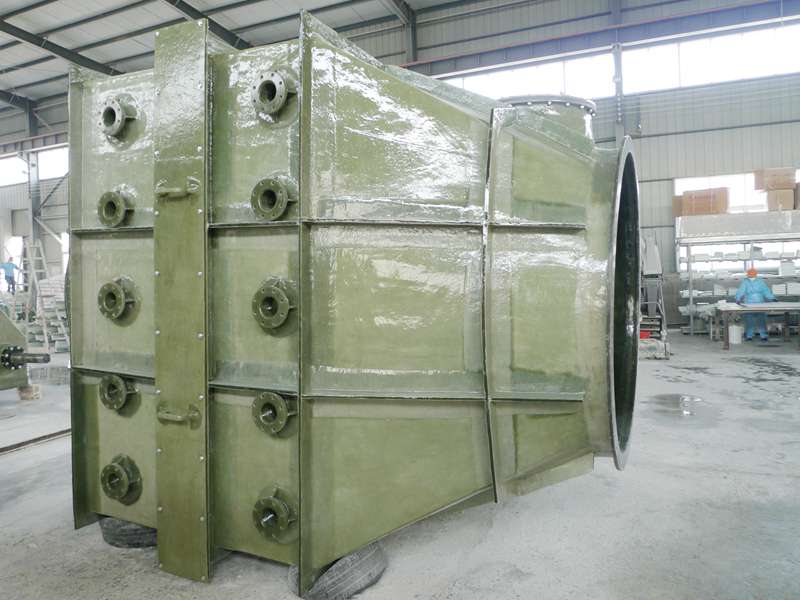
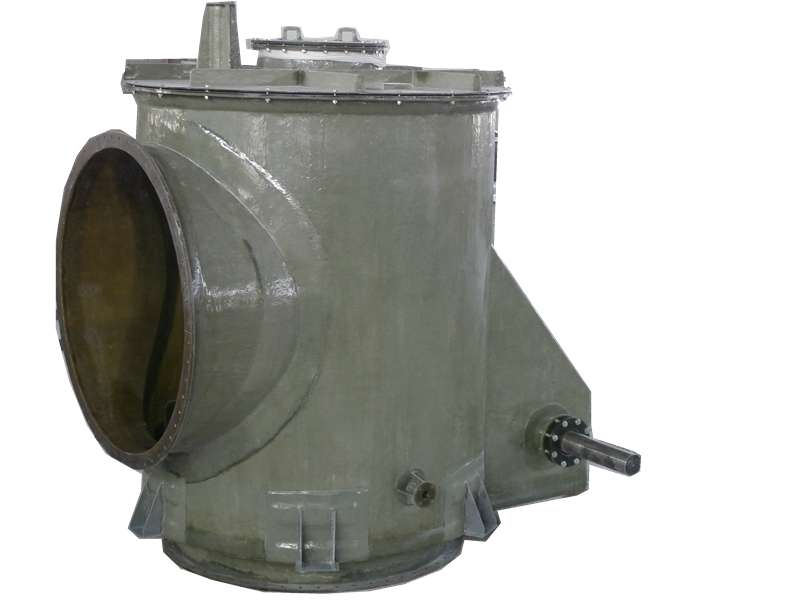
Fiberglass dampers are used to regulate air flow or shut off and isolate a system. Generally vinyl ester resins are used. When necessary, fire retardant resins are also available for class 1 flame spread.
Fiberglass dampers are customized products, be made by hand lay-up process upon mold in most cases.
- Available in various sizes and shapes
- With or without actuators
- The shaft is made of stainless steel or carbon steel in general.
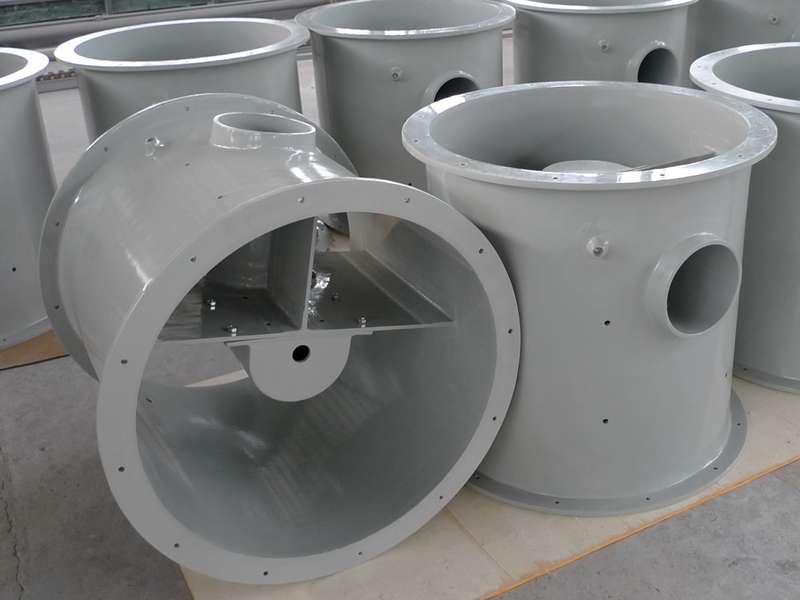
Fiberglass demister will connect to a damper / seal valve with big flange for the chemical treatment process. The thickness of demister can be designed according to pressure rating. The outer surface adopted fire retardant resin.
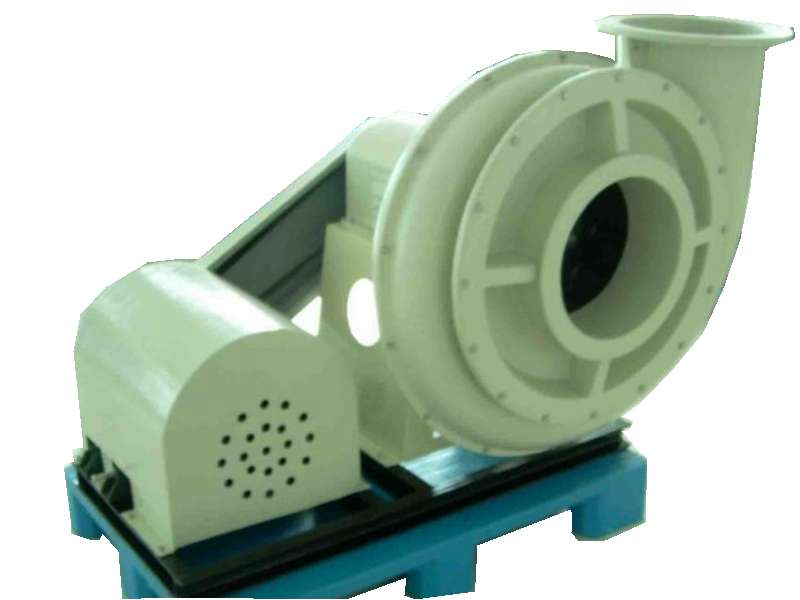
Fiberglass fan shells are mainly used for civil and industrial ventilations, such as public building’s ventilation, normal smoke removal, firefighting smoke removal, positive pressure air supply, workshop ventilation, air cooling, air heating, air conveying, air combustion, accessories of equipment, etc.
Fiberglass reinforced plastic and other composite materials are now more popular than ever. With their impressive resistance to corrosion, their low maintenance and long service life, fiberglass dampers & demisters and fan shells are now the most attractive solutions compared with steel, and they can be used for both corrosive and common environment.
The main advantages of FRP versus steel include:
-Little to no maintenance
-A long service life, up to 50 years
-Excellent abrasion, chemical and corrosion resistance
-Lightweight (50% lighter than steel)
-Fast project execution
-High cost effectiveness
Jrain teams including management and workers have rich experience about FRP for many years. Welcome to contact us for your specific requirements.