High-Performance FRP Scrubber Solutions for Egypt Industrial Sector

Engineering durable, corrosion-resistant fiber-reinforced plastic systems tailored for the harsh climatic and industrial conditions of Egypt.

High-Performance FRP Scrubber Solutions for Egypt Industrial Sector

Providing Egypt's manufacturing plants with advanced composite materials to combat chemical corrosion and extreme heat, ensuring operational longevity.

Industrial Infrastructure Status in Egypt

Analyzing the challenges of material degradation in North African environments.

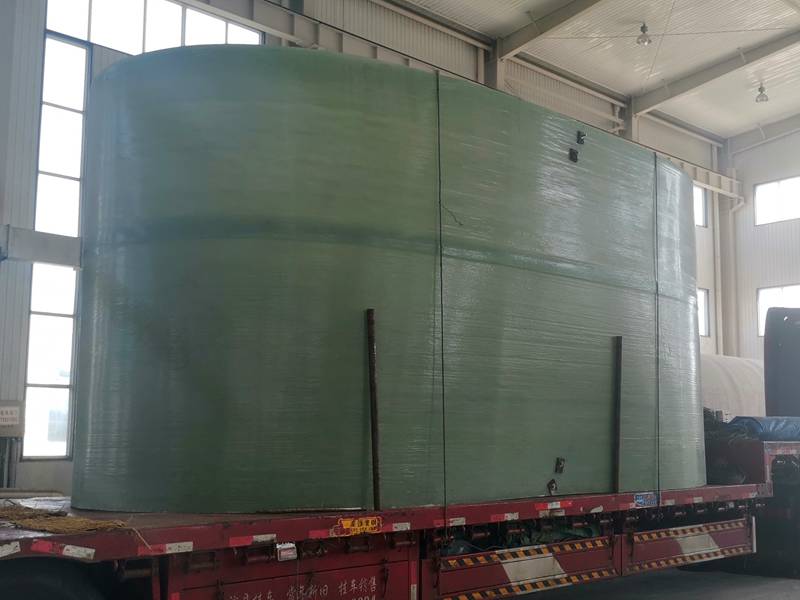
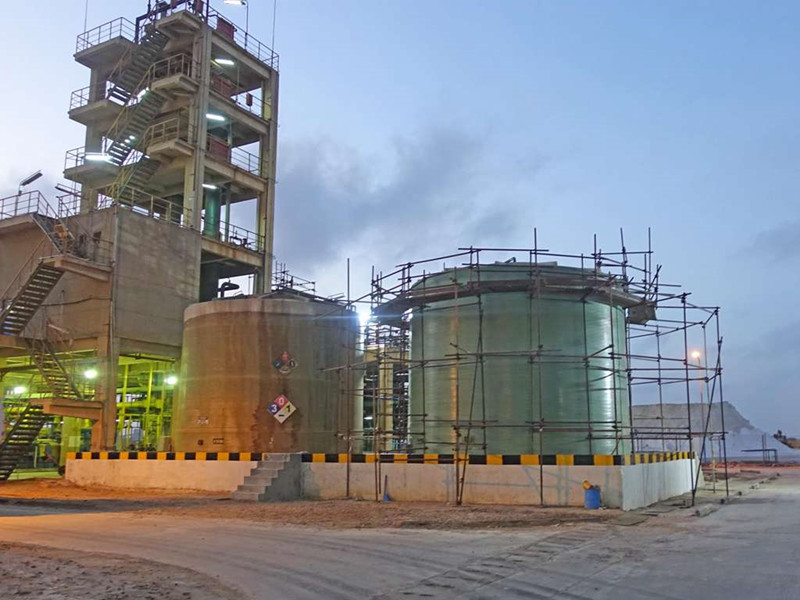
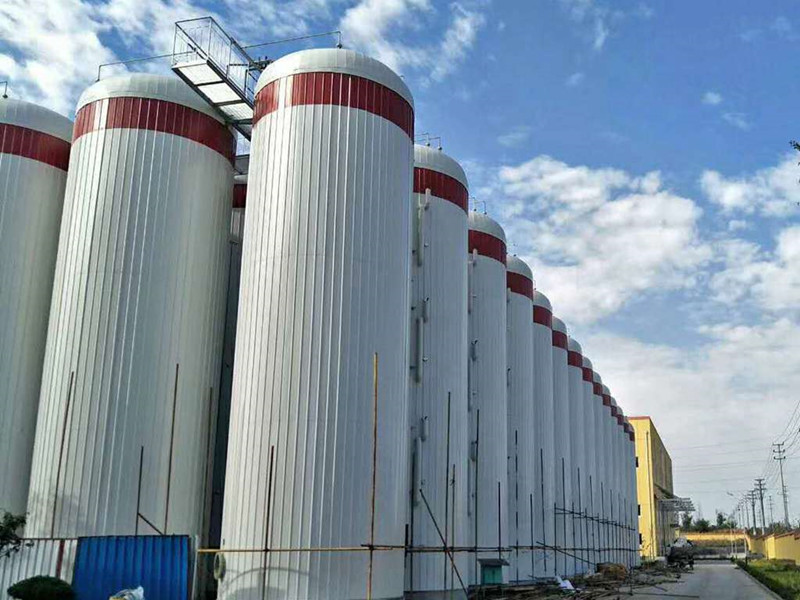
Egypt's industrial landscape, particularly in the Suez Canal Economic Zone and Cairo's manufacturing hubs, faces severe challenges due to high salinity and temperature fluctuations. Traditional steel infrastructure often fails prematurely, necessitating the adoption of an FRP Tank for chemical storage to prevent oxidation and leaks.

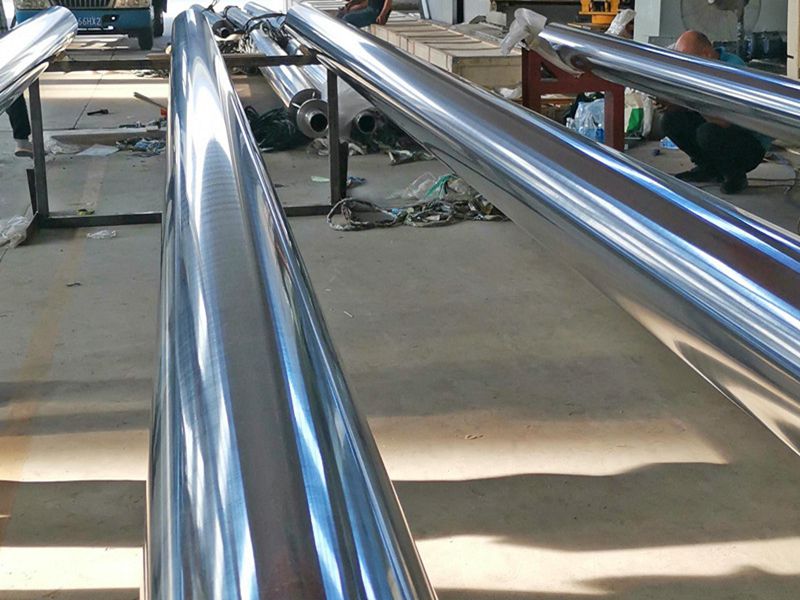
The petrochemical and textile industries in Egypt are currently transitioning toward non-metallic solutions. The use of FRP Pipe has become critical in transporting aggressive fluids across arid terrains where soil salinity accelerates the corrosion of metallic piping.

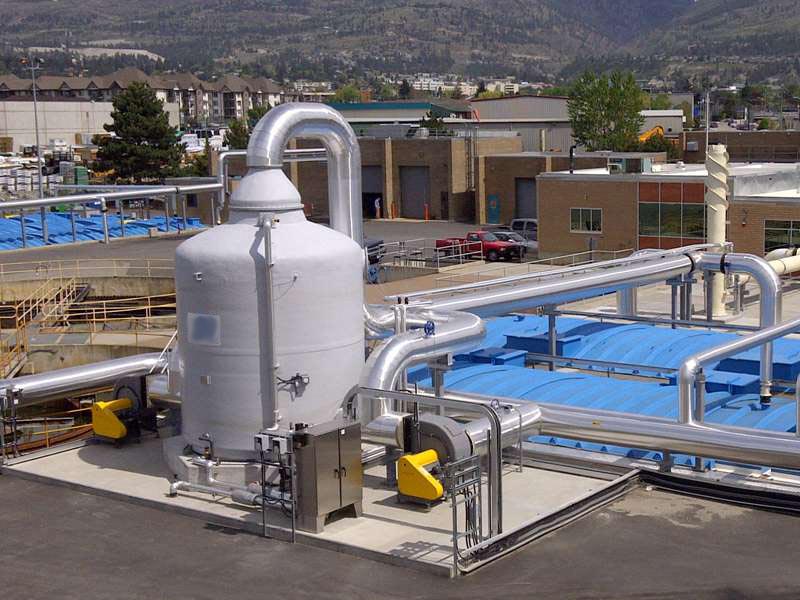
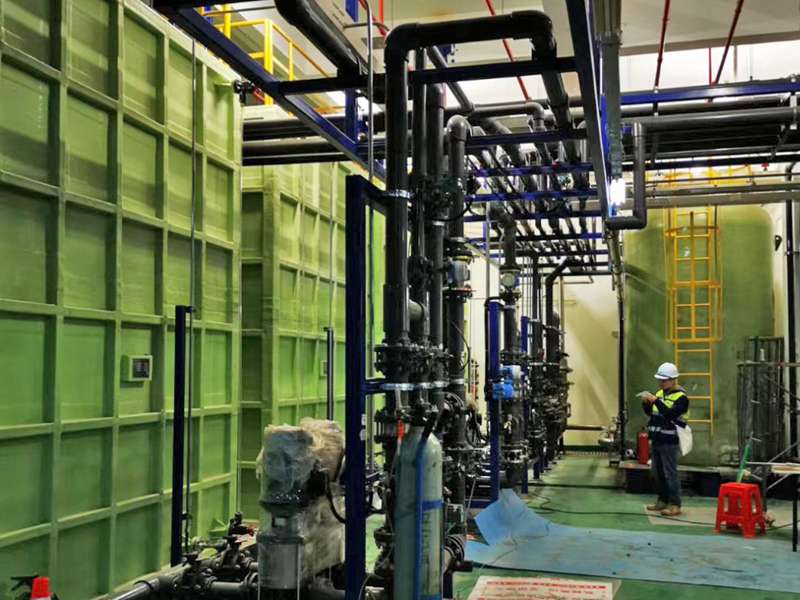
Furthermore, Egypt's commitment to environmental regulations has increased the demand for gas treatment systems. The implementation of a specialized FRP Scrubber is now a standard requirement for factories aiming to reduce emissions while resisting the caustic nature of industrial fumes.
Evolution and Trajectory of FRP Technology in Egypt

From basic resin coatings to high-precision composite engineering.

Market Development History

In the early 2000s, Egypt primarily relied on imported steel equipment with internal linings. However, these systems frequently failed due to the extreme thermal expansion cycles typical of the Egyptian climate, leading to liner collapse.

Between 2010 and 2020, the industry shifted toward hand lay-up FRP processes. This era saw the widespread adoption of an FRP Cover for open-top reservoirs to prevent evaporation and contamination in water-scarce regions.

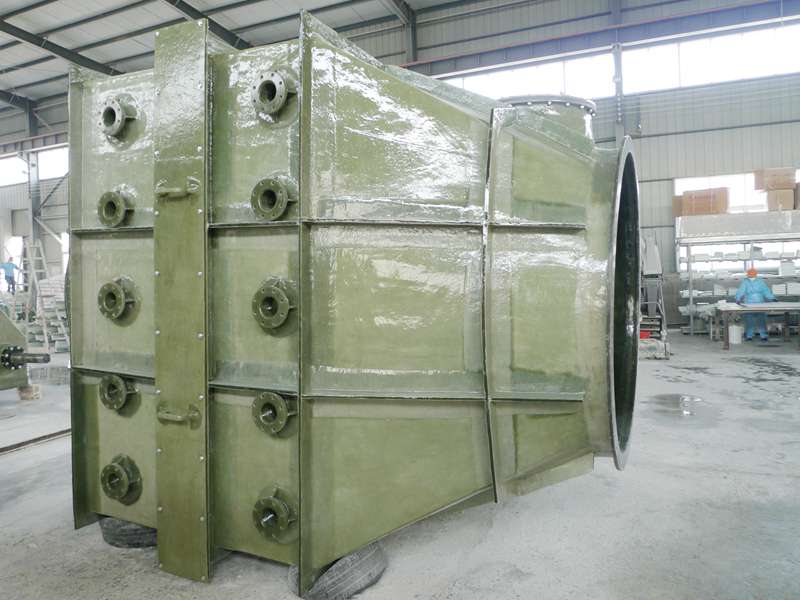
From 2021 to the present, the market has evolved toward Filament Winding and Pultrusion technologies, allowing for the creation of an FRP Customized Product that meets exact ASME and ASTM international standards for high-pressure applications.

Future Development Trends

Integration of Smart Sensors

Future FRP systems in Egypt will likely incorporate embedded fiber-optic sensors to monitor structural integrity in real-time, reducing maintenance costs for large-scale plants.

Eco-friendly Bio-Resins

Following global trends, there is a shift toward sustainable resins that reduce the carbon footprint of production while maintaining high chemical resistance.

Modular Rapid Deployment

The trend is moving toward prefabricated, modular FRP units that can be shipped and assembled quickly to support Egypt's rapid industrial expansion.

Strategic Trends and Future Outlook

Driving industrial efficiency through advanced composite material science.

Extreme Heat Resistance
Developing high-Tg resins specifically for the Saharan climate to prevent softening of structures.
Customized Engineering
Moving toward bespoke designs for niche industrial applications in Egypt's phosphate and fertilizer plants.
Zero-Leakage Standards
Implementing advanced vacuum infusion processes to ensure absolute containment of hazardous chemicals.
Life Cycle Extension
Focusing on UV-resistant outer layers to prevent resin degradation under intense Egyptian sunlight.

Industry Outlook

Based on search trend data for industrial composites in North Africa, there is a growing demand for integrated waste treatment systems. The transition from steel to FRP is no longer a luxury but a necessity for survival in highly acidic environments.

Within the next 5 years, we expect the Egyptian market to shift toward fully automated composite fabrication, reducing human error and ensuring that every FRP Customized Product adheres to strict safety margins for critical infrastructure.

Localized Applications in Egypt

Real-world deployment of FRP solutions in Egypt's most demanding sectors.

01. Desalination Plants along the Red Sea

Utilizing corrosion-proof piping and tanks to handle high-salinity brine and aggressive cleaning chemicals without the risk of pitting.

02. Chemical Fertilizer Production in Aswan

Installation of large-scale scrubbers to neutralize ammonia and sulfuric acid vapors, protecting workers and the environment.

03. Textile Dyeing Facilities in Mahalla

Deployment of chemical-resistant storage tanks and customized troughs for acidic dye baths, ensuring zero leakage into the soil.

04. Oil and Gas Refineries in Alexandria

Custom-engineered FRP covers and gratings for hazardous zones where spark-free, non-conductive materials are mandatory.

05. Urban Wastewater Treatment in Cairo

Implementing high-capacity FRP piping networks to resist the corrosive nature of urban sewage and industrial runoff.

Brand Story

Global Development Journey of Hengshui Jiarun FRP Co., Ltd.

Founding Vision

Established with a mission to solve the "corrosion crisis" in manufacturing, focusing on replacing heavy, rust-prone steel with lightweight FRP.

Technical Breakthrough

Mastered the filament winding process, enabling the production of high-pressure tanks that exceed international safety standards.

Global Expansion

Expanded our footprint into Africa and the Middle East, adapting our product chemistry to withstand extreme desert temperatures.

Quality Certification

Achieved ISO and CE certifications, ensuring every exported component meets the most stringent global engineering requirements.

Future Commitment

Dedicated to sustainable composite engineering, reducing industrial waste through longer-lasting, recyclable FRP solutions.

Comprehensive FRP Product Portfolio for Egypt

A full suite of composite solutions designed for the Egyptian industrial market.

Frequently Asked Questions - Egypt Market

Expert answers to technical queries regarding FRP implementation.

How does an FRP Tank handle high ambient temperatures in Egypt?

We use specialized high-glass transition temperature (Tg) resins that prevent the structure from softening or warping even when exposed to direct Sahara sunlight and internal chemical heat.

Can FRP Pipe be installed in sandy or saline soils?

Yes, unlike steel or ductile iron, FRP is completely immune to soil-borne corrosion and chloride attacks, making it ideal for Egypt's coastal and desert regions.

What is the lifespan of an FRP Scrubber in a chemical plant?

Depending on the resin used (e.g., Vinyl Ester), our scrubbers typically last 20-30 years, significantly outperforming lined steel alternatives which often require relining every 5 years.

Do you provide an FRP Customized Product for specific Egyptian plant layouts?

Absolutely. We provide full CAD design services to ensure that customized components fit perfectly into your existing infrastructure, regardless of spatial constraints.

Is an FRP Cover necessary for open water reservoirs in arid climates?

Yes, it is highly recommended to prevent significant water loss via evaporation and to stop wind-blown sand and contaminants from entering the water supply.

What certifications do your FRP products carry for export to Egypt?

Our products comply with ASTM, BS, and ISO standards, ensuring they meet the regulatory requirements of the Egyptian Ministry of Industry and Environment.

Request a Technical Consultation

Our engineers are ready to help you optimize your industrial infrastructure in Egypt with the best composite materials.

Contact Us Now

If you are interested in our products, you can choose to leave your information here, and we will be in touch with you shortly.