Industrial Corrosion Solutions via FRP Scrubber in Uruguay

High-performance fiber-reinforced polymer systems designed to withstand the unique industrial and climatic challenges of the Uruguayan market.

Industrial Corrosion Solutions via FRP Scrubber in Uruguay

Integrating advanced composite engineering to provide durable, corrosion-resistant infrastructure for Uruguay's growing industrial sector, specializing in chemical handling and emission control.

The Industrial Landscape of Composite Materials in Uruguay

Analyzing the demand for FRP systems in a humid, coastal economic environment.

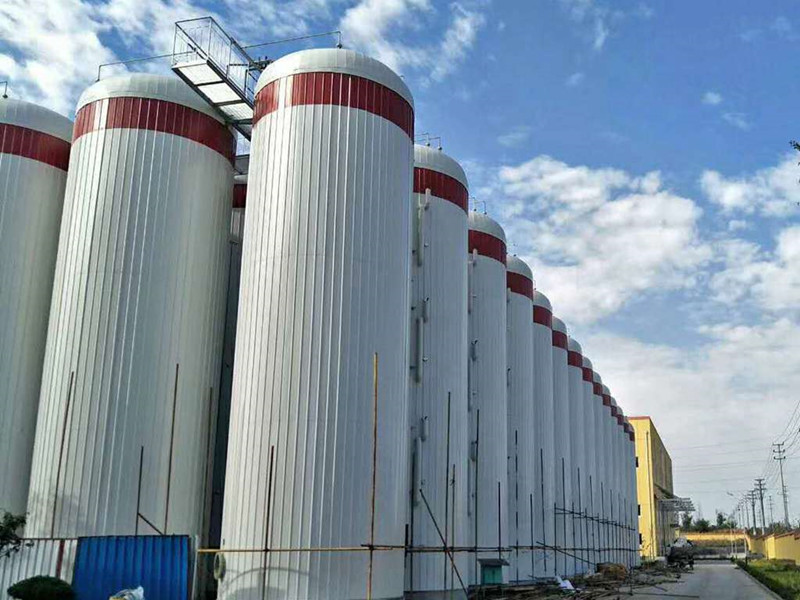
Uruguay's industrial sector, particularly in the pulp and paper and food processing industries, faces significant challenges due to high humidity and saline air from the Atlantic coast. The prevalence of corrosive agents in these environments makes traditional metallic structures unsustainable, driving a shift toward FRP Tank installations for chemical storage.

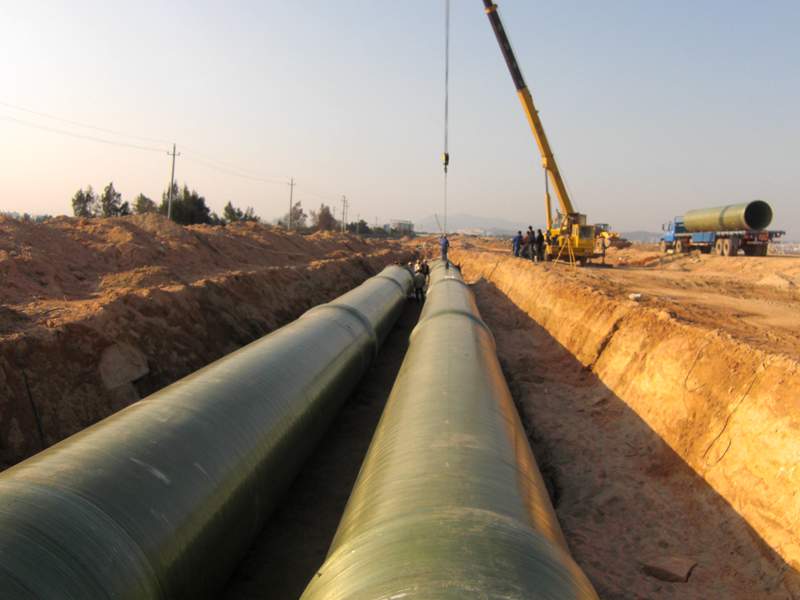
Current infrastructure often struggles with the aggressive nature of chemical runoff and industrial wastewater. The adoption of an FRP Pipe network has become critical for ensuring leak-proof conveyance of acidic and alkaline substances, reducing maintenance costs for local factories.

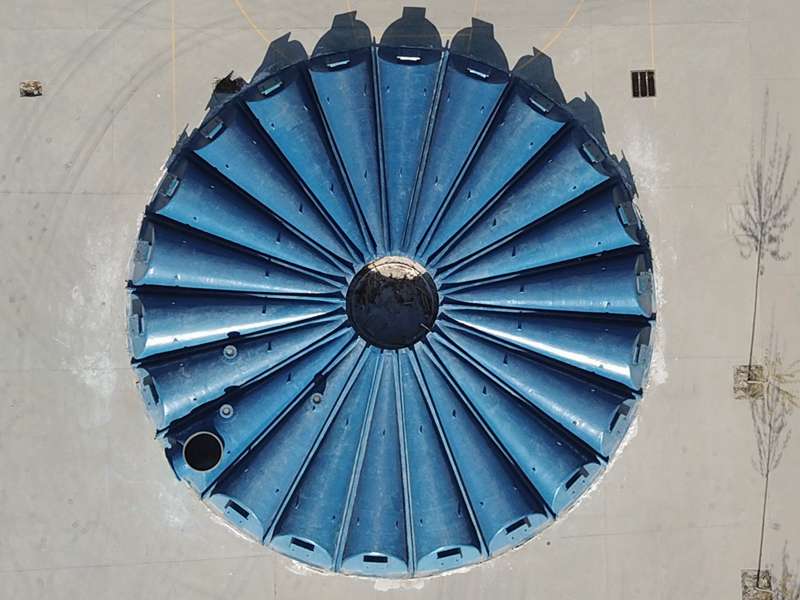
Economically, Uruguay is positioning itself as a regional hub for sustainable logistics. This evolution requires a transition toward lightweight yet robust materials, where the implementation of an FRP Cover for open reservoirs and processing pits is now a standard for safety and environmental protection.
Technical Evolution and Growth Trajectory of FRP in Uruguay

From basic resin coatings to precision-engineered composite systems.

Market Development History

In the early 2000s, the Uruguayan market primarily relied on imported stainless steel, which suffered from rapid pitting corrosion in coastal industrial zones. The first introduction of basic FRP composites occurred around 2010, focusing on simple lining and repair work.

Between 2012 and 2018, there was a technical pivot toward structural composites. This era saw the rise of the FRP Customized Product, allowing factories to design bespoke vessels that fit specific spatial constraints and chemical requirements.

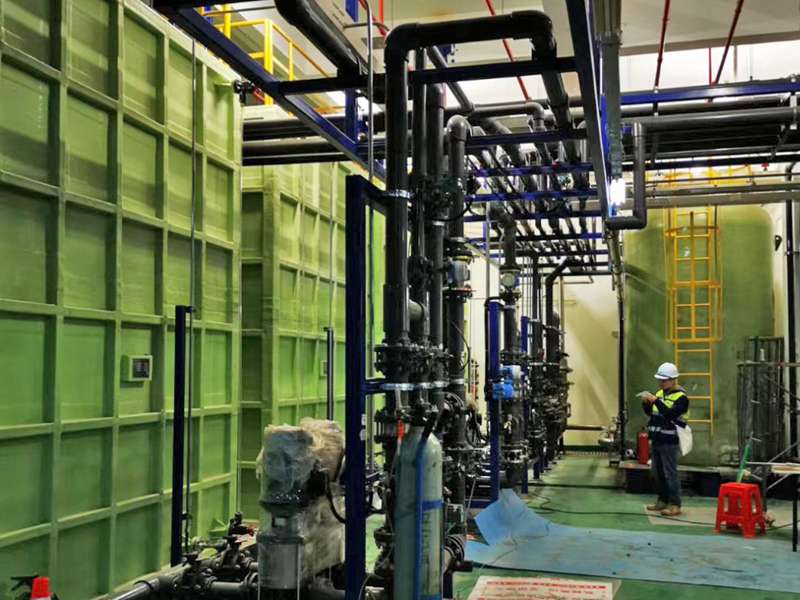
From 2019 to the present, the focus has shifted toward integrated environmental systems. The integration of advanced filtration and scrubbing technologies has made the specialized FRP Scrubber essential for meeting stricter national emission standards.

Future Development Trends

Smart Composite Integration

Integration of embedded sensors within FRP walls to monitor structural integrity and corrosion levels in real-time via IoT.

Eco-Resin Transition

A shift toward bio-based resins and recyclable glass fibers to align with Uruguay's aggressive green energy and sustainability goals.

Modularization of Plants

Moving toward prefabricated modular FRP units that can be rapidly deployed to reduce on-site construction time in remote areas.

Strategic Trends and Future Outlook for FRP Manufacturing

Predicting the shift toward high-durability and sustainable composite engineering.

Advanced Corrosion Resistance
Implementation of vinyl ester and epoxy resins to combat the aggressive chemical profiles found in South American pulp mills.
Precision Customization
Utilizing CAD/CAM and CNC filament winding to produce highly accurate customized geometric forms.
Weight Optimization
Reducing structural dead-load while maintaining high pressure ratings, optimizing shipping and installation costs.
Sustainable Lifecycle
Implementing a "Cradle-to-Cradle" approach for FRP components to minimize landfill waste in South America.

Industry Outlook

Based on Google search trends for industrial composite materials in Latin America, there is a significant uptick in queries regarding "chemical-resistant storage" and "low-emission scrubbers." This indicates a market moving away from makeshift repairs toward long-term engineered solutions.

Over the next 3-5 years, we expect Uruguay to integrate more hybridized FRP systems, combining carbon fiber reinforcement with traditional glass fiber to meet the demands of high-pressure hydraulic systems and specialized chemical reactors.

Localized FRP Application Scenarios in Uruguay

Real-world implementations tailored to the geographic and industrial needs of the region.

1. Coastal Chemical Storage Facilities

Deployment of UV-stabilized FRP Tanks to store corrosive reagents in ports like Montevideo, preventing salt-spray corrosion that destroys steel tanks.

2. Pulp Mill Emission Control

Installation of large-scale FRP Scrubbers to neutralize sulfuric acid fumes, ensuring compliance with Uruguayan environmental protection laws.

3. Agricultural Wastewater Conveyance

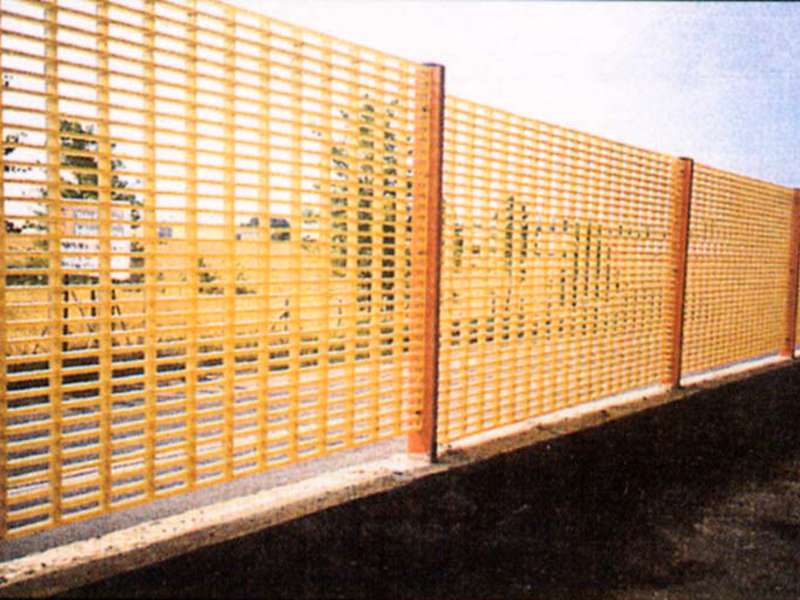
Implementing a network of FRP Pipes for the transport of nutrient-rich, corrosive agricultural runoff in the interior farming regions.

4. Dairy Processing Plant Infrastructure

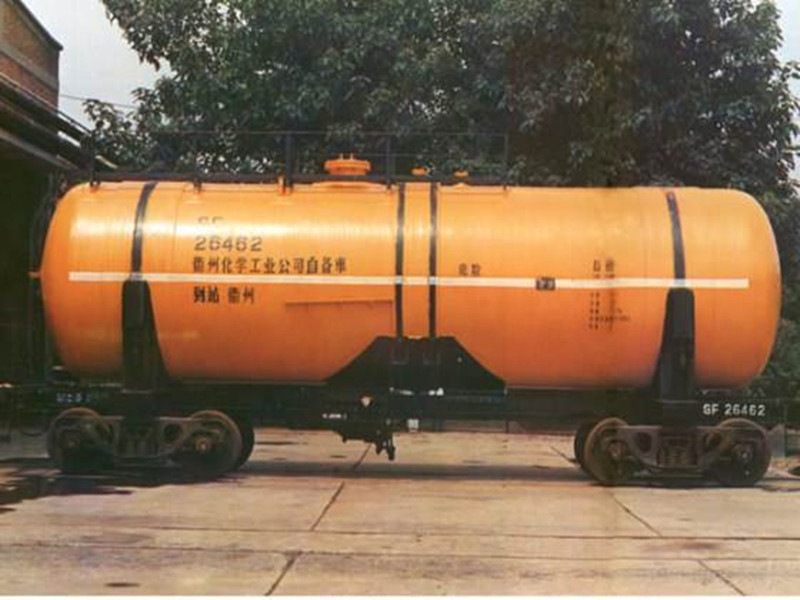
Custom-engineered FRP Customized Products, including mixing vessels and drainage troughs, designed for food-grade chemical cleaning cycles.

5. Industrial Water Treatment Reservoirs

Using heavy-duty FRP Covers to seal open water treatment tanks, preventing contamination and evaporation in the semi-arid regions of the north.

Brand Story

Global Development Journey of Hengshui Jiarun FRP Co., Ltd.

Foundational Excellence

Established with a focus on the core chemistry of reinforced polymers, we began by solving simple corrosion problems for local manufacturers.

Technical Diversification

Expanding our portfolio from basic tanks to complex scrubbing systems, mastering the art of composite winding and molding.

Global Market Expansion

Bridging the gap between Asian manufacturing precision and the specific infrastructure needs of South American industrial zones.

Innovation Leadership

Investing in R&D to create specialized resin blends that withstand extreme pH levels and high thermal fluctuations.

Sustainability Mission

Committed to reducing the global industrial footprint by providing long-life composite assets that eliminate the need for frequent replacements.

Comprehensive FRP Product Portfolio for Uruguay

A complete suite of composite solutions designed for maximum durability and operational efficiency.

Industrial FRP FAQs for the Uruguayan Market

Expert answers to common technical queries regarding composite materials.

How does an FRP Tank perform in high-salinity coastal environments?

Unlike steel, FRP is non-electrolytic and does not rust. With a UV-resistant gel coat, it maintains structural integrity even in direct contact with salt spray and high humidity.

What are the installation advantages of an FRP Pipe over PVC?

FRP offers significantly higher pressure ratings and superior chemical resistance to organic solvents, making it safer for heavy industrial chemical transport.

Can an FRP Scrubber be customized for specific gaseous emissions?

Yes, the internal packing, spray nozzles, and resin type can be customized based on the specific chemical composition of the exhaust gases.

What is the lifespan of an FRP Cover in industrial water treatment?

Depending on the resin grade, a high-quality FRP cover can last 20-30 years with minimal maintenance, far exceeding the lifespan of coated metals.

How is an FRP Customized Product designed for seismic zones?

We use specific fiber orientations and reinforced anchorage points to ensure the structure can absorb vibrations without brittle failure.

Is FRP compatible with Uruguay's environmental regulations?

Absolutely. FRP systems reduce the risk of soil contamination via leaks and help factories meet air quality standards through efficient scrubbing.

Ready to Upgrade Your Infrastructure?

Partner with the leading experts in fiber-reinforced plastics to optimize your industrial operations in Uruguay.

Contact Us Now

If you are interested in our products, you can choose to leave your information here, and we will be in touch with you shortly.