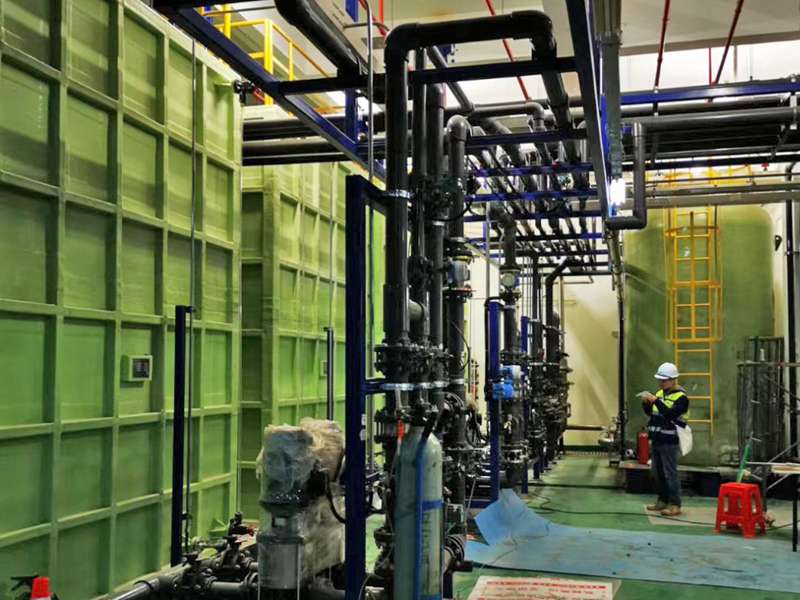
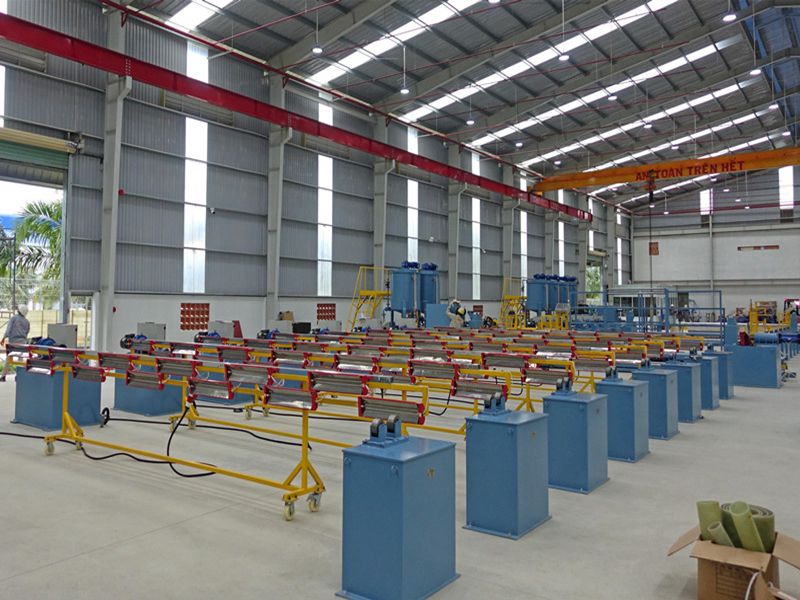
Advanced FRP Scrubber Solutions for Venezuela's Industrial Sector

Providing corrosion-resistant, high-durability fiber-reinforced plastic infrastructure to optimize chemical processing and emission control across Venezuela.

Advanced FRP Scrubber Solutions for Venezuela's Industrial Sector

Engineered for extreme durability, our FRP systems provide the ultimate defense against corrosive environments in the petrochemical and mining hubs of Venezuela.

Industrial Infrastructure Status in Venezuela

Addressing the challenges of material degradation in tropical and saline environments.

Venezuela's industrial landscape, particularly in the oil-rich Zulia and Anzoátegui regions, faces severe equipment degradation due to high humidity and salt-laden air. Traditional steel structures rapidly corrode, leading to frequent maintenance shutdowns and safety hazards in the deployment of an FRP Tank.

The current market is shifting away from heavy metallic alloys toward composite materials. Industries are increasingly demanding FRP Pipe systems to transport corrosive fluids without the risk of leakage or oxidation, reducing operational overhead in the long term.

Economic fluctuations have driven a need for long-lifecycle assets. There is a growing trend toward investing in high-quality, durable materials that minimize replacement cycles, making the adoption of customized composites a strategic priority for local plant managers.
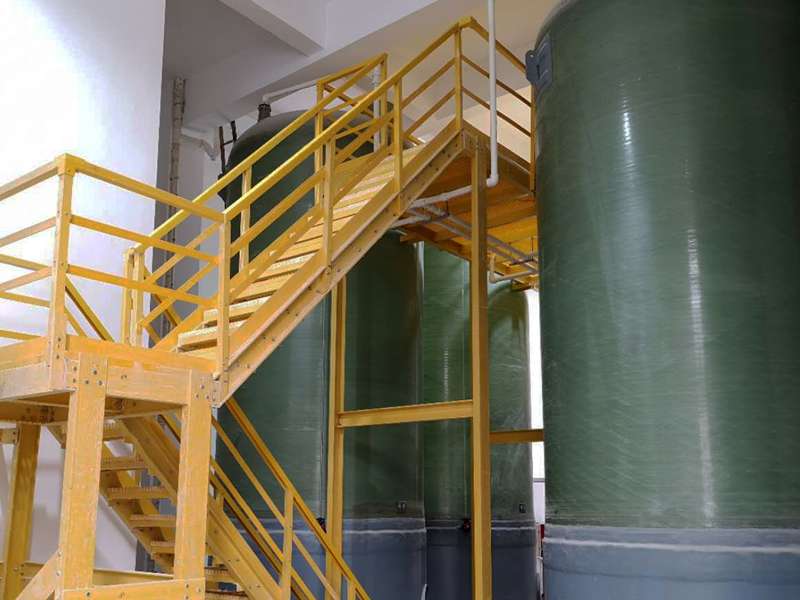
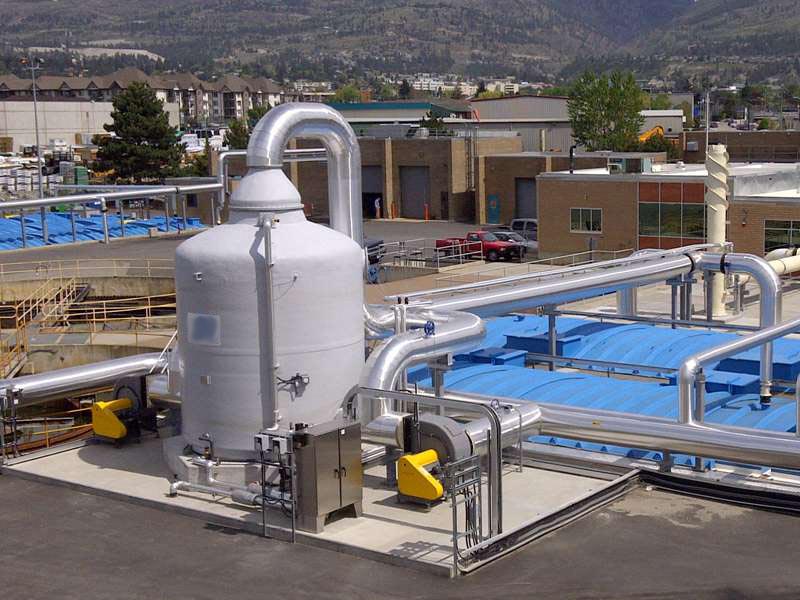
Evolution of Composite Engineering in Venezuela

From basic liners to integrated high-performance composite systems.

Market Development History

In the 1990s, the Venezuelan market relied heavily on imported carbon steel and basic PVC. FRP was limited to small-scale liners or simple coatings used primarily in specialized laboratories.

Between 2000 and 2015, the adoption of filament winding technology allowed for the localized use of large-scale FRP Customized Product units, enabling the oil and gas sector to handle more aggressive acidic waste streams.

From 2016 to the present, the focus has shifted toward holistic system integration, where modular designs and precision-engineered components are used to replace legacy metallic infrastructure in aging refineries.

Future Development Trends

Nanocomposite Integration

Integration of nano-fillers to improve the chemical resistance of resins, specifically for ultra-high temperature applications in chemical reactors.

Smart Monitoring Sensors

Embedding fiber optic sensors within the composite walls to monitor structural integrity in real-time, reducing the risk of catastrophic failure.

Sustainable Bio-Resins

A move toward partially bio-based resins to meet emerging international ESG standards while maintaining the mechanical strength of the FRP structure.

Industry Trends and Future Outlook

Predicting the trajectory of FRP technology in the South American market.

Corrosion Immunity
Increasing reliance on FRP to eliminate rust-related failures in coastal Venezuelan industrial plants.
Modular Installation
Preference for prefabricated components to reduce on-site labor costs and installation time.
Lightweight Logistics
Reducing transport costs by using FRP instead of heavy steel for remote site deployments.
Custom Engineering
Rise in demand for bespoke designs tailored to specific chemical concentrations.

Industry Outlook

Based on Google search trends for "industrial corrosion protection" in the region, we predict a 15% annual increase in demand for high-performance composites over the next 3 years. The focus will shift from simple storage to complex filtration systems.

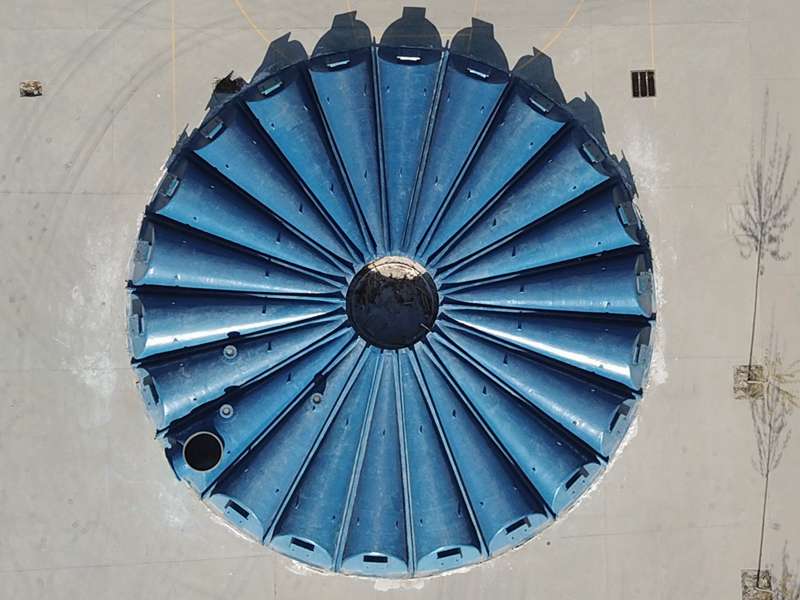
The future will see a convergence of FRP fabrication and digital twinning, allowing Venezuelan operators to simulate fluid dynamics and chemical wear before the physical installation of an FRP Cover or tank system.

Localized Application Scenarios in Venezuela

Real-world deployments of FRP solutions in demanding environments.

01. Oil Refinery Acid Waste Storage

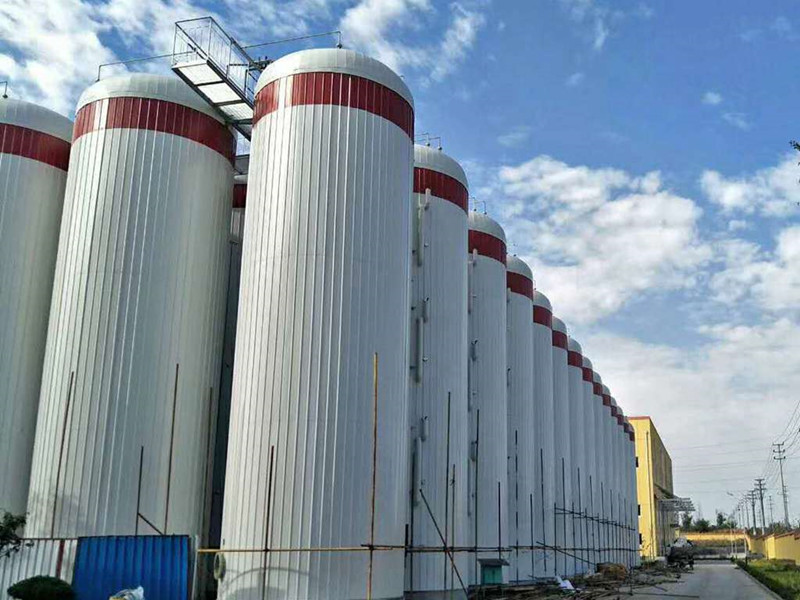
Utilization of large-diameter FRP tanks to store sulfuric acid and waste caustic solutions, preventing soil contamination in the Orinoco Belt.

02. Coastal Desalination Plants

Installation of FRP piping networks to transport brine and treated water, resisting the extreme salinity of the Caribbean coastline.

03. Mining Tailings Management

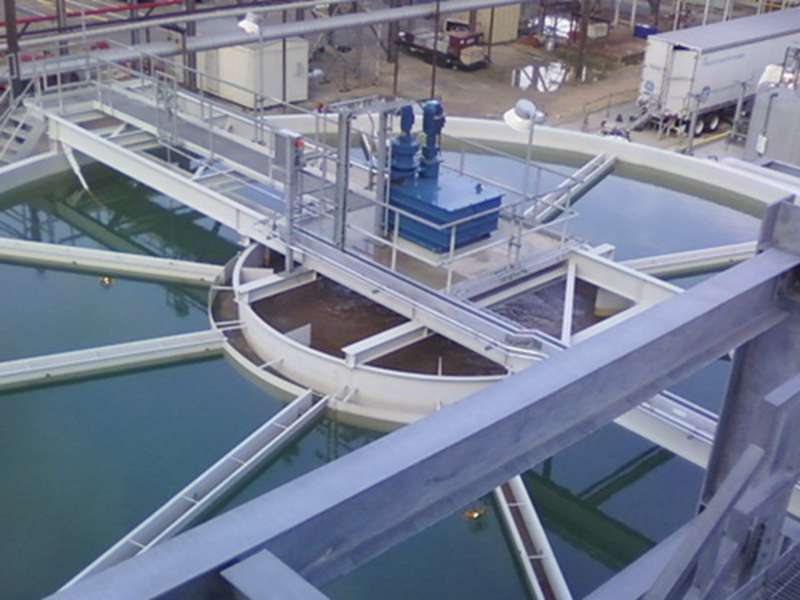
Custom FRP scrubbers and ventilation ducts used in gold and bauxite mining to neutralize toxic fumes and protect worker health.

04. Chemical Fertilizer Production

Deployment of customized FRP housings and covers to protect sensitive mixing equipment from corrosive ammonia vapors.

05. Municipal Wastewater Treatment

Implementation of FRP composite manholes and conduits in urban Caracas to handle aggressive sewage chemicals without structural decay.

Brand Story

Global Development History of Hengshui Jiarun FRP Co., Ltd.

Foundational Excellence

Established with a focus on high-strength resin research, we began by solving basic corrosion problems for local chemical plants.

Technological Breakthrough

Developed proprietary filament winding techniques, allowing for the production of high-pressure FRP tanks with zero leakage.

Global Expansion

Expanded our footprint into South America, adapting our engineering standards to meet the unique climatic challenges of Venezuela.

Certification and Quality

Achieved international ISO and ASTM certifications, ensuring every customized product meets rigorous global safety codes.

Sustainable Future

Now leading the transition toward eco-friendly composites, reducing the environmental footprint of industrial infrastructure.

Complete FRP Product Portfolio for Venezuela

A comprehensive range of composite solutions designed for the most aggressive industrial environments.

Frequently Asked Questions - Venezuela FRP

Expert answers to common technical queries regarding fiber-reinforced plastics.

How does an FRP Tank handle UV exposure in tropical climates?

We incorporate high-grade UV-stabilized resins and specialized gel coats that prevent resin degradation and yellowing under the intense Venezuelan sun.

Can FRP Pipe replace existing steel lines without major redesign?

Yes, with customized adapters and flange fittings, our FRP piping can be integrated into existing metallic networks, offering immediate corrosion protection.

What is the lifespan of a customized FRP product in a saline environment?

Depending on the resin type (Vinyl Ester or Epoxy), our products typically last 20-50 years, significantly outperforming coated steel in coastal areas.

How effective is an FRP Scrubber for petrochemical emissions?

Our scrubbers are designed for maximum contact efficiency and chemical resistance, effectively neutralizing SOx and NOx emissions in refinery settings.

Is it possible to order an FRP Cover with specific load-bearing ratings?

Absolutely. We engineer the glass fiber orientation and laminate thickness to meet specific structural load requirements, including heavy-duty traffic ratings.

What maintenance is required for FRP industrial equipment?

FRP requires minimal maintenance compared to steel; periodic visual inspections and occasional gel coat touch-ups are usually sufficient to ensure longevity.

Request a Technical Consultation

Our engineers are ready to help you upgrade your industrial infrastructure in Venezuela with the latest FRP technology.

Contact Us Now

If you are interested in our products, you can choose to leave your information here, and we will be in touch with you shortly.