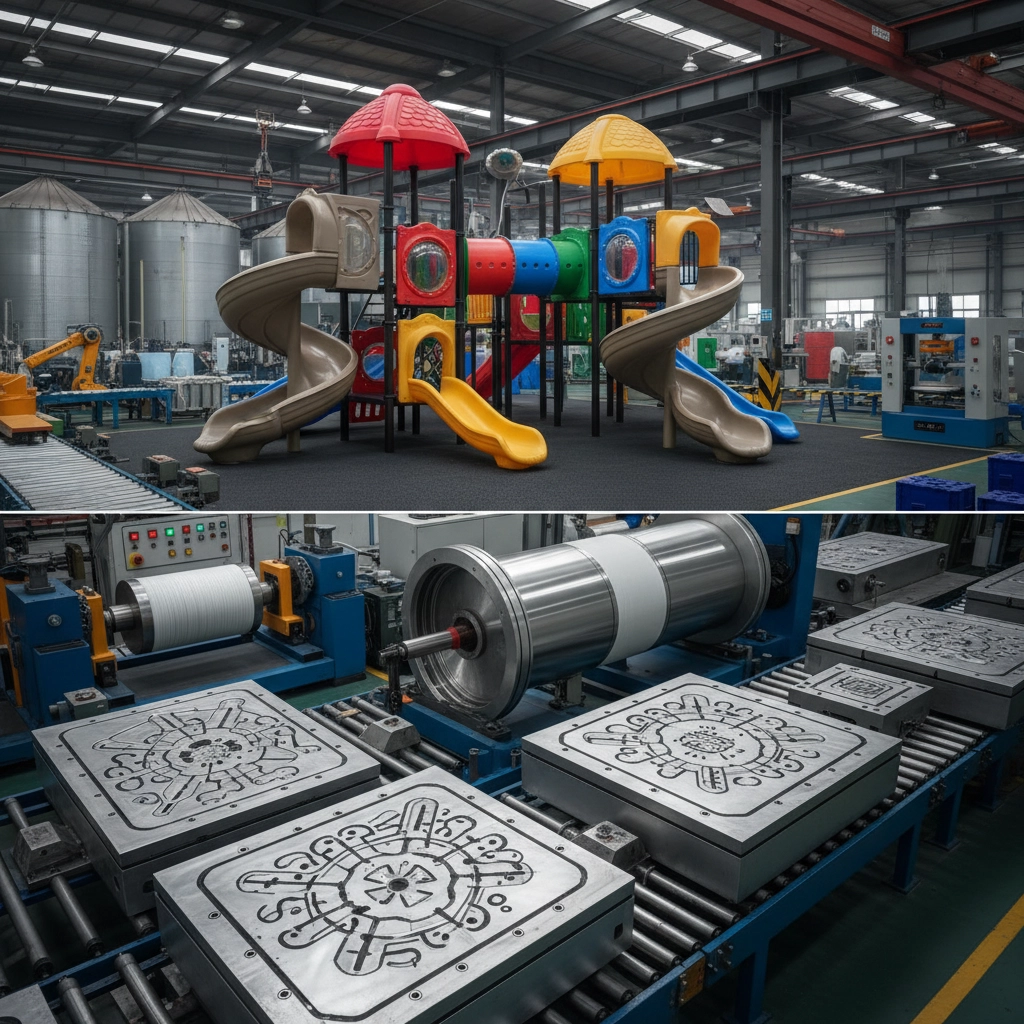
Modern urban planning is increasingly prioritizing the integration of safe, durable, and imaginative play spaces for children. Among the various materials available, fiberglass playground equipment has emerged as a premier choice for developers and municipal planners worldwide due to its unique blend of structural strength and design flexibility. By leveraging advanced composite technology, these play structures provide a safer environment that can withstand the rigors of high-traffic use while maintaining a vibrant, appealing aesthetic.
Globally, the demand for high-performance recreational infrastructure is rising as cities seek to combat sedentary lifestyles among youth. The transition from traditional wood or metal structures to fiber-reinforced plastics (FRP) reflects a broader industry shift toward materials that require less maintenance and offer higher resistance to environmental degradation. This evolution is not just about aesthetics; it is about creating sustainable public assets that serve communities for decades without the constant need for costly repairs or hazardous chemical treatments.
Understanding the technical and commercial advantages of fiberglass playground equipment allows stakeholders to make informed decisions that balance initial investment with long-term operational value. From the ability to mold complex, organic shapes to the inherent non-corrosive nature of the material, fiberglass offers a comprehensive solution to the challenges of modern playground design. This guide explores the global context, technical specifications, and future innovations driving the adoption of FRP in the recreational sector.
Global Industry Context of FRP Play Systems
The global landscape for outdoor recreation has undergone a significant transformation, with an increasing emphasis on ISO-certified safety standards and material longevity. In many regions, traditional materials like timber are prone to rot and splintering, while steel often suffers from corrosion, particularly in coastal areas. The integration of fiberglass playground equipment addresses these systemic failures by providing a non-reactive, high-strength alternative that adheres to strict international safety guidelines.
Market data suggests a growing trend toward "smart cities" where public spaces are designed for maximum durability and minimal maintenance. By utilizing fiber-reinforced polymers, municipalities can reduce their annual upkeep budgets by up to 40% compared to traditional materials. This shift is driven by a global need for infrastructure that can support denser urban populations while ensuring the physical safety and psychological well-being of children through colorful, imaginative, and sturdy play environments.
Defining Fiberglass Playground Equipment
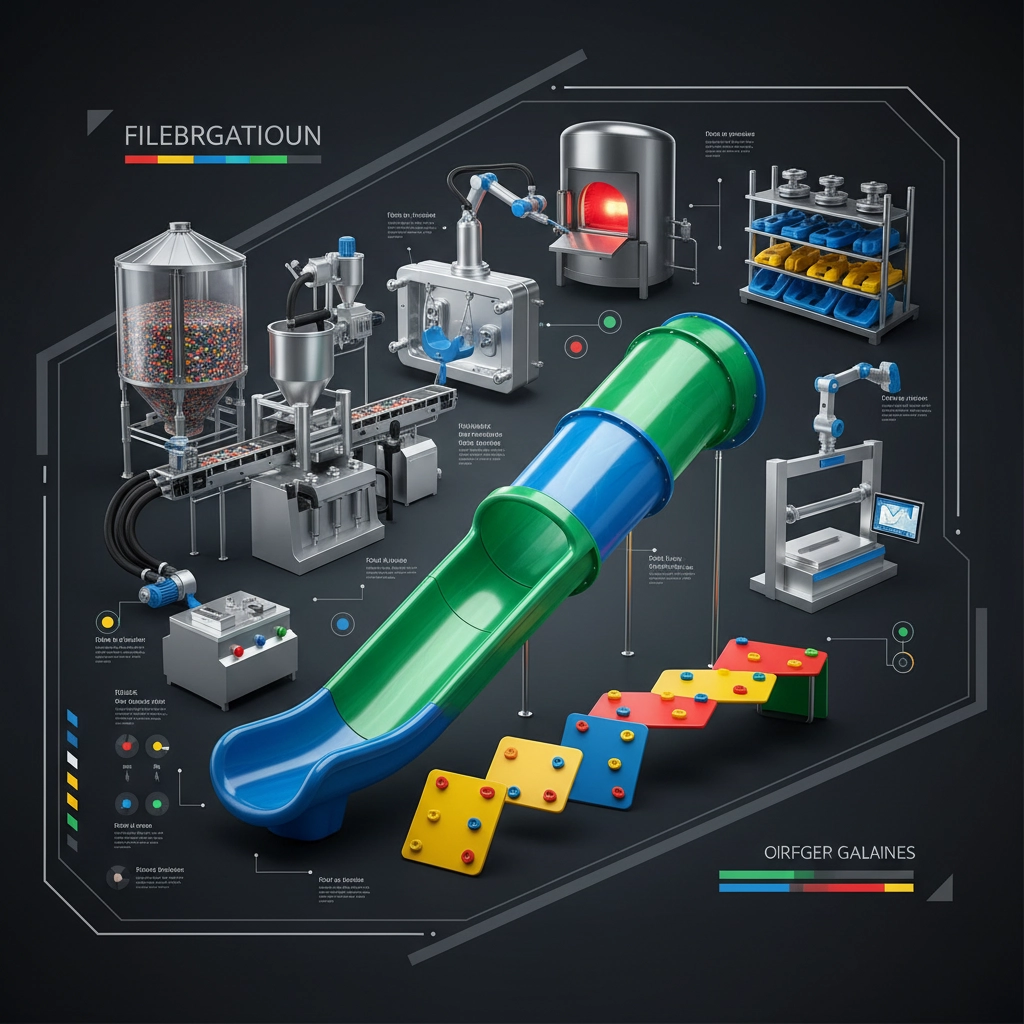
At its core, fiberglass playground equipment refers to recreational structures manufactured from a composite material consisting of glass fibers embedded in a resin matrix, typically polyester or epoxy. This combination results in a material that is incredibly lightweight yet possesses a strength-to-weight ratio that often surpasses that of traditional metals. This allows for the creation of massive slides, themed climbing walls, and intricate tunnels that are structurally sound without being overly cumbersome.
Beyond the chemistry, these systems represent a fusion of industrial engineering and creative design. Unlike metal, which is limited by welding and bending, or wood, which is limited by grain and carving, fiberglass can be molded into virtually any shape. This capability is essential for creating immersive environments—such as pirate ships, castles, or space stations—that stimulate a child's imagination while maintaining a seamless surface that minimizes the risk of cuts or abrasions.
In the context of modern industry, FRP play systems satisfy a critical humanitarian need for safe, accessible, and inclusive play. The material's versatility allows manufacturers to integrate accessibility features more easily, ensuring that children of all abilities can interact with the equipment. As a result, fiberglass has become the gold standard for professional-grade installations in schools, public parks, and commercial resorts worldwide.
Core Technical Factors of Fiberglass Materials
The primary driver behind the selection of fiberglass playground equipment is its exceptional durability. The material is inherently resistant to moisture, UV radiation, and temperature fluctuations, which prevents the warping, cracking, or rusting commonly seen in other materials. This ensures that the equipment remains structurally integral and aesthetically pleasing even after years of exposure to harsh sunlight and heavy rain.
Scalability and customization are also key factors. Because the production involves molding processes, manufacturers can easily scale the size of components or modify the thickness of the walls to increase load-bearing capacity. For fiberglass playground equipment, this means that a single design template can be adapted for a small backyard setting or a massive municipal park without compromising the structural logic.
Finally, the cost-efficiency of fiberglass is realized through its lifecycle value. While the initial molding cost may be higher than some basic plastic alternatives, the near-zero maintenance requirement eliminates the need for periodic painting or sanding. When factoring in the lifespan of the product, FRP systems offer a significantly lower Total Cost of Ownership (TCO) for park managers and government agencies.
Comparative Performance and Cost Efficiency
When evaluating the performance of various materials, fiberglass playground equipment consistently outperforms traditional options in terms of impact resistance and weatherability. The composite nature of the material allows it to absorb shocks more effectively than rigid steel, which is a critical safety feature during active play. Moreover, the seamless integration of components reduces the number of joints and bolts, which are typically the first points of failure in playground structures.
The financial logic extends beyond simple procurement; it involves the reduction of liability and insurance costs. Because FRP is non-toxic and can be finished with food-grade gel coats, it eliminates the risk of lead paint poisoning or splinter-related injuries. This high safety rating makes it a preferred choice for insurance-conscious developers who prioritize risk mitigation alongside child development.
Performance Comparison of Fiberglass Playground Equipment
Real-World Applications Across Diverse Climates
The adaptability of fiberglass playground equipment is most evident in extreme environments. In coastal cities like Miami or Singapore, where salt-laden air rapidly corrodes metal, FRP remains completely unaffected. This makes it the only viable long-term solution for beachside resorts and waterfront parks, where traditional equipment would require painting every year to prevent structural failure.
Conversely, in arid regions with intense UV exposure, such as the Middle East, the specialized gel coats used in fiberglass production prevent the material from becoming brittle or fading. In these contexts, the equipment is often designed with thermal-reflective coatings to keep the surfaces cool to the touch, ensuring that children can play safely even in high temperatures. This versatility allows a single product line to be deployed globally across varied geographical zones.
Long-Term Value and Safety Advantages
Investing in fiberglass playground equipment is a commitment to long-term safety and dignity. Unlike cheaper plastics that can crack under pressure or wood that develops dangerous splinters, FRP maintains a smooth, consistent surface over its entire lifespan. This reduces the psychological stress on parents and supervisors, knowing that the equipment is designed to withstand extreme abuse without developing hazardous edges.
From a logical standpoint, the reliability of fiberglass reduces the frequency of "out-of-service" periods. When a piece of equipment needs constant repair, it becomes a wasted space in the community. FRP structures, however, offer near-continuous availability. This reliability builds trust between the community and the providers, demonstrating a commitment to quality and a refusal to compromise on the safety of the most vulnerable users.
Furthermore, the ability to integrate non-slip textures directly into the mold adds an extra layer of safety. By engineering the grip into the material itself rather than applying a separate coating, the safety features are permanent. This innovative approach to safety ensures that the equipment remains effective regardless of weather conditions, providing a stable and secure environment for children to explore their physical limits.
Future Trends in Sustainable Play Infrastructure
The future of fiberglass playground equipment is increasingly tied to the concept of the "circular economy." Researchers are now developing bio-based resins and recyclable glass fibers to reduce the carbon footprint of the manufacturing process. The goal is to create a closed-loop system where old playground components can be ground down and repurposed into new FRP products, combining eternal durability with environmental responsibility.
Digital transformation is also playing a role through the use of 3D printing for molds and generative design. By using AI to optimize the thickness of the fiberglass walls, manufacturers can reduce material waste while actually increasing the strength of the structure. This leads to more organic, futuristic shapes that were previously impossible to manufacture, further pushing the boundaries of how children interact with their environment.
As global policies shift toward green building certifications, FRP is being recognized for its energy-efficient production compared to the smelting of steel or the chemical treatment of lumber. The focus is shifting toward "life-cycle assessment" (LCA), where the longevity of fiberglass becomes its greatest environmental asset. By lasting three times longer than traditional materials, fiberglass playground equipment significantly reduces the total volume of waste sent to landfills over a 50-year period.
Comprehensive Analysis of Fiberglass Playground Equipment Performance
| Material Variant |
Weather Resistance |
Maintenance Need |
Safety Rating |
| Standard Polyester FRP |
High |
Very Low |
9/10 |
| UV-Stabilized Epoxy FRP |
Extreme |
Minimal |
10/10 |
| Galvanized Steel |
Medium |
Moderate |
7/10 |
| Pressure Treated Wood |
Low |
High |
6/10 |
| HDPE Plastic |
High |
Low |
8/10 |
| Bio-Resin Composite |
High |
Low |
9/10 |
FAQS
Yes, it is exceptionally safe. Fiberglass is molded into seamless shapes, eliminating the sharp edges, splinters, or rust flakes found in other materials. When finished with a professional gel coat, it provides a smooth, non-toxic surface that complies with international safety standards, significantly reducing the risk of surface-related injuries.
Fiberglass is far superior in extreme weather. Unlike metal, it does not rust in salty coastal air or become scorching hot in direct sunlight. It also doesn't warp or rot like wood during heavy rain or freeze-thaw cycles, making it the most stable choice for diverse global climates.
Depending on the grade of resin and the quality of the UV coating, fiberglass playground equipment can easily last 20 to 30 years with minimal maintenance. This far exceeds the typical lifespan of treated wood or standard painted steel, providing a much better long-term return on investment.
Maintenance is remarkably low. Typically, it only requires periodic cleaning with mild soap and water to remove dirt. Unlike wood, it never needs staining or sealing, and unlike metal, it doesn't require scraping and repainting to prevent corrosion, which saves thousands in labor costs over time.
Absolutely. The molding process allows for nearly unlimited creative freedom. Whether you need a realistic animal shape, a futuristic space pod, or a themed castle, fiberglass can be sculpted into complex organic forms and colored with integrated pigments to match any aesthetic vision perfectly.
While it is a synthetic material, its environmental value lies in its longevity. Because it lasts significantly longer than wood or metal, it reduces the frequency of replacement and the associated waste. Furthermore, the industry is moving toward bio-resins and recyclable composites to further minimize the ecological footprint.
Conclusion
In summary, fiberglass playground equipment represents the pinnacle of modern recreational engineering. By combining unmatched durability, design versatility, and a high safety profile, FRP structures solve the most persistent problems associated with traditional play materials. From the reduction of maintenance costs to the creation of imaginative, inclusive environments, the move toward fiberglass is a logical step for any community prioritizing quality and safety.
As we look toward the future, the integration of sustainable resins and AI-driven design will only enhance the value of these systems. For municipal planners, school boards, and commercial developers, investing in high-quality FRP is not just about buying a product, but about building a lasting legacy of safety and joy for the next generation. We encourage you to explore the possibilities of composite materials to transform your public spaces. Visit our website: www.jrain-frp.com