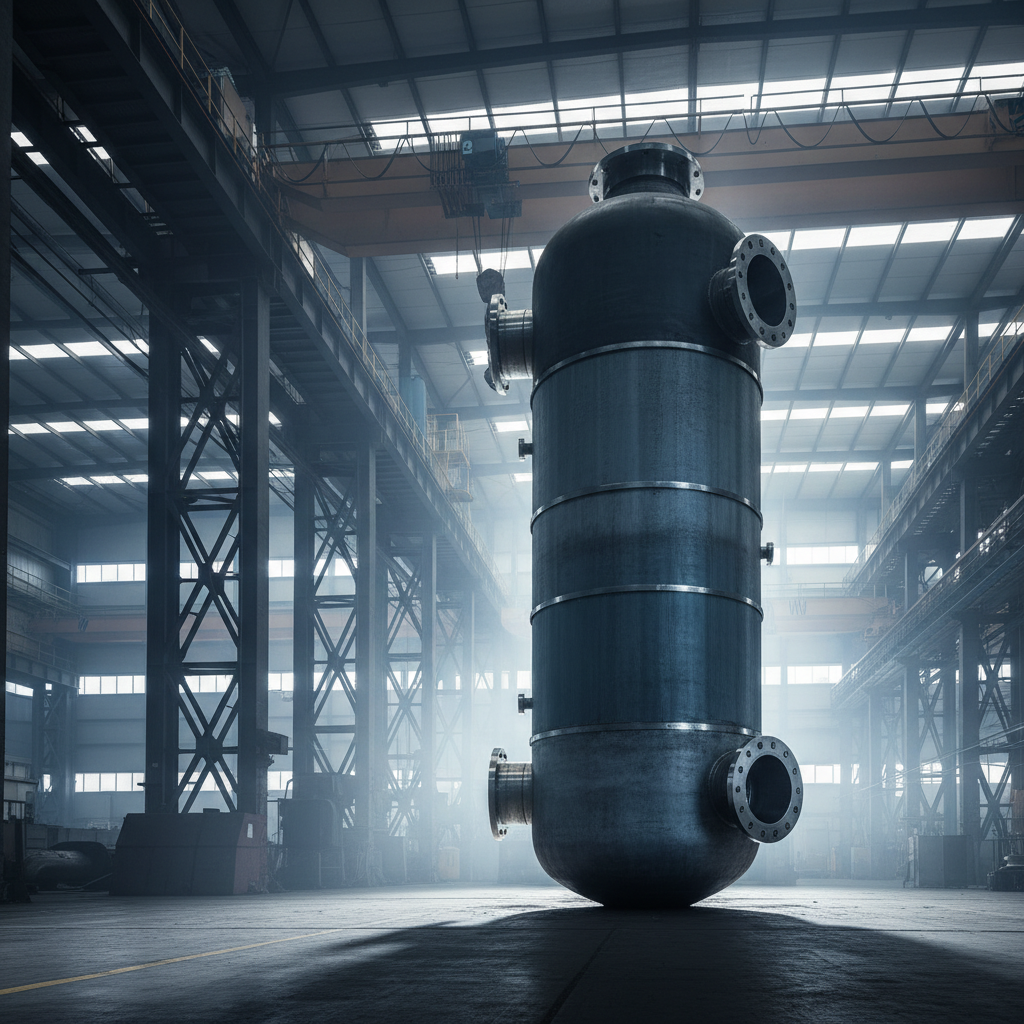
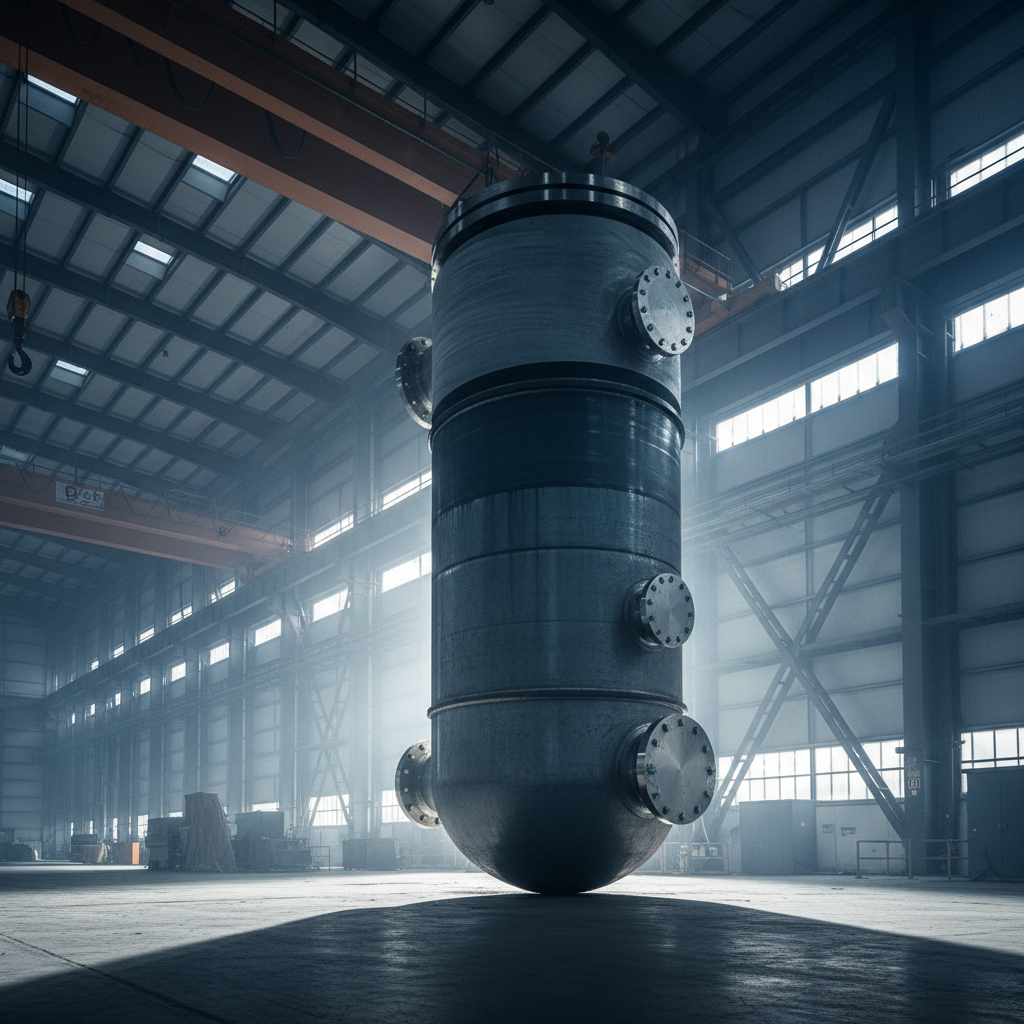
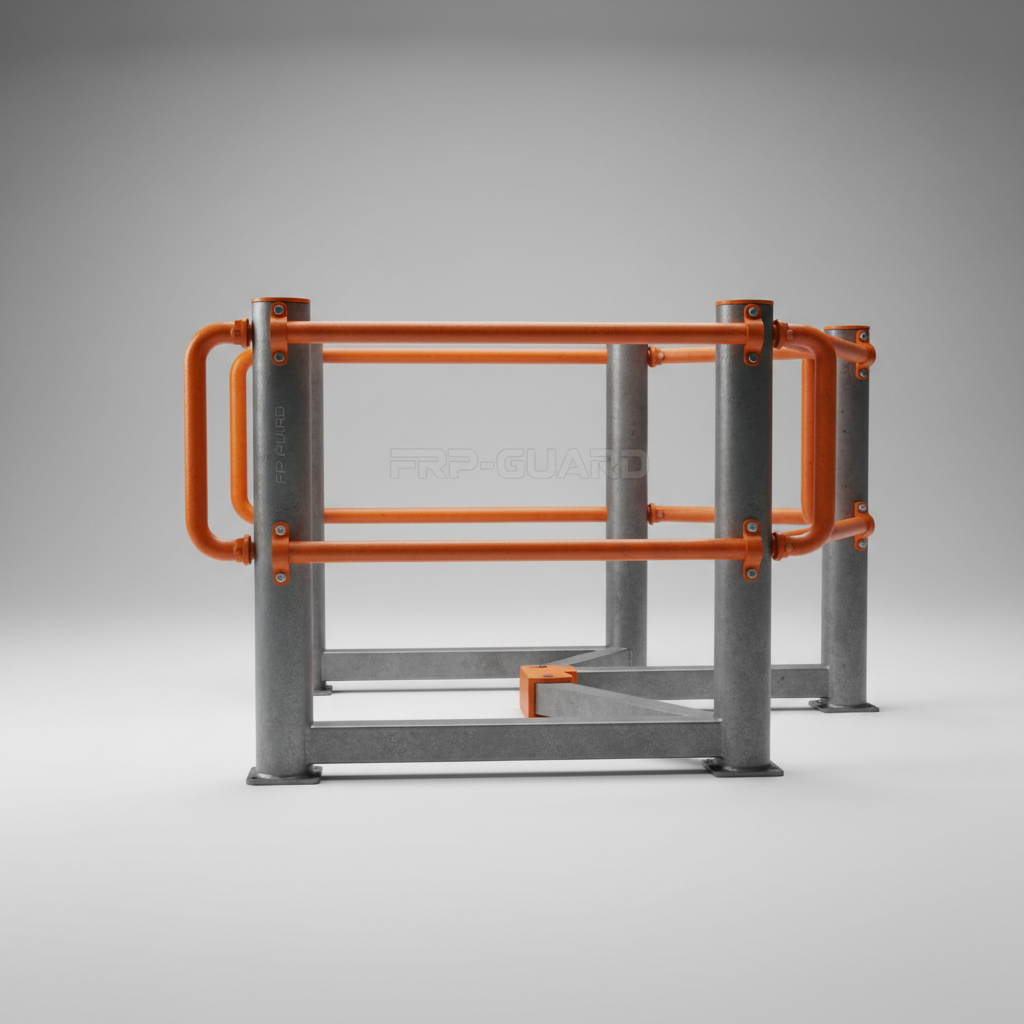
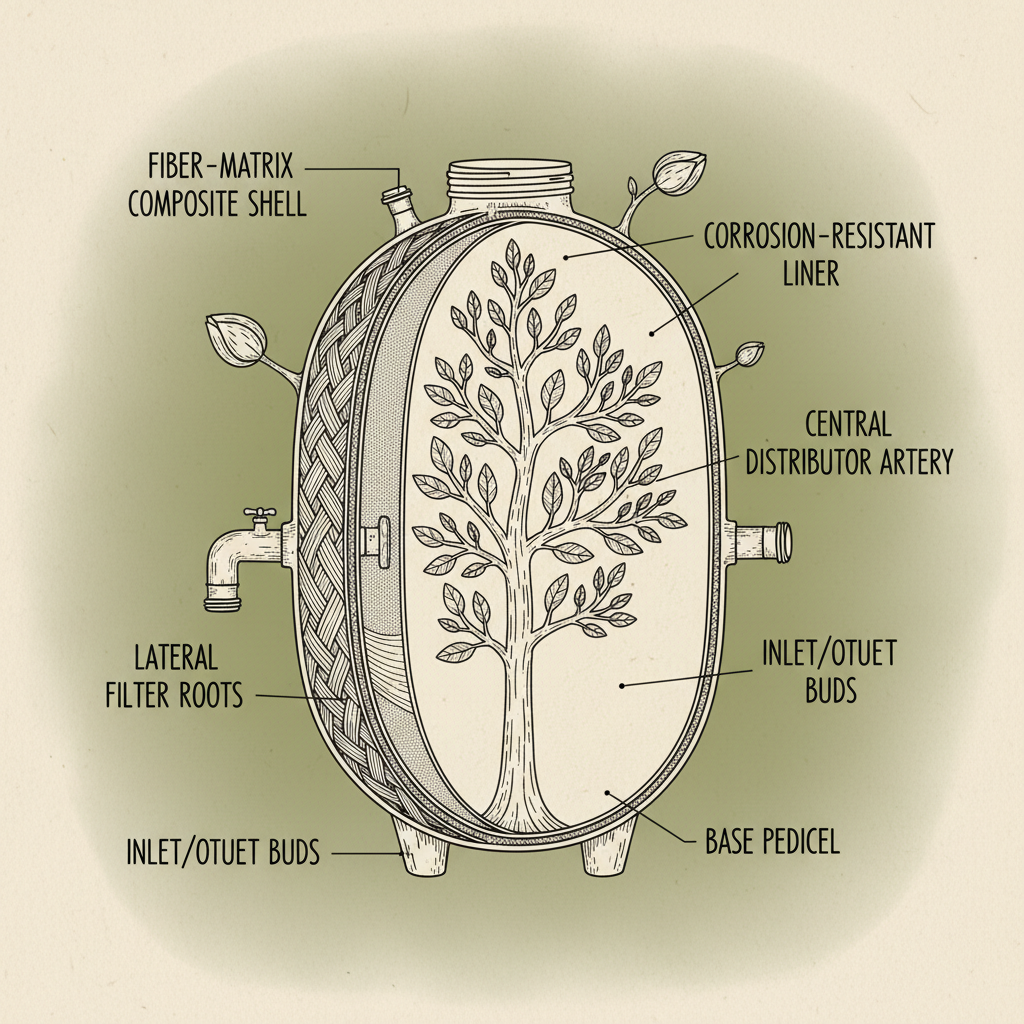
The innovative field of frp dual lamination product is rapidly transforming industries worldwide, offering superior strength, lightweight properties, and corrosion resistance. Its applications span construction, aerospace, automotive, and marine sectors, addressing critical needs for durable and sustainable materials. Understanding the nuances of this technology is crucial for engineers, architects, and policymakers alike.
Globally, the demand for high-performance materials is driven by infrastructure development, environmental concerns, and the pursuit of efficiency. frp dual lamination product provides a compelling solution, reducing lifecycle costs, minimizing environmental impact, and enhancing structural integrity. Its versatility allows for custom designs, catering to diverse project requirements and challenging environments.
This technology isn’t just about advanced materials; it represents a shift towards smarter, more resilient infrastructure and products. From reinforcing aging bridges to creating fuel-efficient vehicles, frp dual lamination product is a key enabler of innovation and sustainable growth, offering long-term benefits across numerous applications.
Introduction to frp dual lamination product
frp dual lamination product represents a significant advancement in composite material technology. This process combines two layers of fiber-reinforced polymer, creating a structure with enhanced strength and stiffness compared to single-layer composites. This dual lamination technique is increasingly vital for applications demanding superior performance and durability.
The process involves layering different fiber types or orientations within the composite material, optimizing its mechanical properties for specific applications. This tailored approach distinguishes frp dual lamination product from conventional materials, opening doors to innovative designs and solutions in various engineering fields.
Global Relevance and Industry Impact
The global construction industry alone represents a multi-trillion-dollar market, and the demand for durable, lightweight, and corrosion-resistant materials is constantly growing. frp dual lamination product addresses these needs directly, offering a sustainable alternative to traditional materials like steel and concrete, particularly in infrastructure projects. According to the UN, sustainable infrastructure development is crucial for achieving global development goals.
In the aerospace sector, weight reduction is paramount for fuel efficiency and performance. frp dual lamination product enables the creation of lighter aircraft components, reducing fuel consumption and emissions, aligning with the industry's focus on sustainability. The International Civil Aviation Organization (ICAO) emphasizes the importance of reducing aviation's environmental footprint.
Beyond these core industries, frp dual lamination product is gaining traction in automotive, marine, and renewable energy sectors. Its versatility and ability to withstand harsh environments make it an ideal material for a wide range of applications, driving innovation and reducing lifecycle costs across multiple industries.
Defining frp dual lamination product
frp dual lamination product is a composite material created by bonding two layers of fiber-reinforced polymer (FRP) resin. The fibers, which can include carbon, glass, or aramid, are embedded in a resin matrix, forming a strong and lightweight structure. The ‘dual’ aspect refers to the use of two distinct layers, allowing for optimized material properties.
This technique differentiates itself from conventional FRP manufacturing by providing enhanced mechanical performance. The layering allows for different fiber orientations or even different fiber types in each layer, tailoring the composite’s strength and stiffness to the specific requirements of the application. This customizability is crucial in modern engineering design.
Its connection to modern industry lies in its ability to solve persistent problems related to material performance. Traditional materials often struggle with corrosion, weight, or strength limitations. frp dual lamination product offers a solution that addresses these challenges, enabling more efficient, durable, and sustainable products and infrastructure.
Key Characteristics of frp dual lamination product
One of the defining features of frp dual lamination product is its exceptional strength-to-weight ratio. This allows for the creation of lightweight structures that can withstand significant loads, crucial for applications like aerospace and automotive engineering. It drastically reduces overall weight without compromising structural integrity.
Another key aspect is its outstanding corrosion resistance. Unlike steel, frp dual lamination product is immune to rust and degradation caused by exposure to moisture, chemicals, and harsh environments. This makes it ideal for marine applications, infrastructure in coastal areas, and chemical processing plants.
Performance Metrics of Various frp dual lamination product Techniques
Applications Across Industries
In the construction industry, frp dual lamination product is used to reinforce concrete structures, such as bridges and buildings, extending their lifespan and improving their resistance to seismic activity. It’s a crucial element in infrastructure repair and rehabilitation projects.
The aerospace sector utilizes it for manufacturing lightweight aircraft components, including wings and fuselage sections, leading to significant fuel savings and increased payload capacity. frp dual lamination product’s ability to meet stringent safety standards is paramount in this field.
Advantages and Long-Term Value
The most immediate benefit is cost savings through reduced material usage and lower maintenance requirements. The lightweight nature of frp dual lamination product translates into reduced transportation costs and easier installation, further contributing to economic advantages.
From a sustainability perspective, frp dual lamination product requires less energy to produce compared to steel and contributes to a lower carbon footprint. Its durability extends the lifespan of structures and products, reducing the need for frequent replacements, aligning with circular economy principles.
Future Trends and Innovations
Research is ongoing to develop bio-based resins for frp dual lamination product, further enhancing its sustainability and reducing its reliance on fossil fuels. These advancements align with the global push for green materials and circular economy principles.
Automation and robotic manufacturing techniques are being implemented to improve the efficiency and precision of frp dual lamination product production. This will lead to lower costs, increased production rates, and improved quality control.
Integration with digital technologies, such as sensors and data analytics, will enable real-time monitoring of structural health, allowing for proactive maintenance and preventing catastrophic failures. This "smart infrastructure" approach will revolutionize the way we design, build, and maintain our world.
FAQS
frp dual lamination product offers significantly higher corrosion resistance compared to steel, leading to lower maintenance costs and extended structural lifespan. It’s also lighter, simplifying installation and reducing overall project weight. Additionally, it’s non-conductive, eliminating the risk of electrochemical corrosion. The initial cost might be higher, but the long-term benefits often outweigh the investment.
frp dual lamination product’s durability reduces the need for frequent repairs and replacements, conserving resources and minimizing waste. Its lighter weight lowers transportation emissions, and ongoing research focuses on bio-based resin alternatives to further decrease its environmental impact. By extending the life of structures, it promotes a more circular economy approach to construction.
In automotive, frp dual lamination product is used to manufacture lightweight body panels, chassis components, and interior parts, contributing to improved fuel efficiency and reduced emissions. Its high strength-to-weight ratio allows for innovative designs and enhanced vehicle performance. It's also utilized in high-performance vehicles for improved handling and safety.
Yes, frp dual lamination product is exceptionally well-suited for marine environments due to its inherent resistance to saltwater corrosion. Unlike metals, it won't rust or degrade when exposed to seawater, making it ideal for boat hulls, decks, and other marine structures. Its lightweight nature also contributes to increased buoyancy and fuel efficiency.
The cost of frp dual lamination product is influenced by several factors, including the type of fiber used (carbon, glass, aramid), the resin matrix, and the manufacturing process. While the initial material cost may be higher than some traditional materials, the long-term benefits, such as reduced maintenance and extended lifespan, often result in lower lifecycle costs.
Working with frp dual lamination product requires appropriate safety precautions, including wearing personal protective equipment (PPE) such as respirators, gloves, and eye protection. The resin fumes can be irritating, and proper ventilation is crucial. It’s essential to follow the manufacturer’s instructions and safety guidelines for handling and processing the material.
Conclusion
In conclusion, frp dual lamination product represents a paradigm shift in material science, offering a compelling blend of strength, durability, and sustainability. Its versatility and adaptability make it a valuable asset across numerous industries, from construction and aerospace to automotive and marine. The ability to tailor material properties through dual lamination provides a significant advantage over traditional materials, enabling innovative designs and enhanced performance.
Looking ahead, continued research and development will unlock even greater potential for frp dual lamination product, particularly in the areas of bio-based resins and automated manufacturing. Embracing this technology is not just about adopting a new material; it’s about investing in a more resilient, sustainable, and efficient future. To learn more about how frp dual lamination product can benefit your project, visit our website today.