The mandrel, a seemingly simple tool, underpins a vast range of modern manufacturing and construction processes. From aerospace engineering to composite material fabrication, its precision and reliability are crucial. Understanding its principles and applications is increasingly vital in a global landscape demanding efficiency, durability, and scalability in production. The correct mandrel selection can dramatically impact product quality and manufacturing costs, driving innovation and competitiveness.
Globally, the demand for high-performance materials and complex geometries is escalating, creating a corresponding need for advanced mandrel technologies. The United Nations’ Sustainable Development Goals, particularly those related to infrastructure and industrial innovation, are indirectly reliant on advancements in tooling like the mandrel. The manufacturing sector, valued at trillions of dollars worldwide (World Bank data, 2023), depends heavily on tooling accuracy.
A significant challenge lies in optimizing mandrel design for emerging materials and increasingly stringent performance requirements. This necessitates a deep understanding of material science, manufacturing processes, and the specific demands of each application. This document will explore the multifaceted world of the mandrel, providing insights into its core principles, diverse applications, and future trends.
The Foundation of mandrel Technology
The history of the mandrel dates back centuries, evolving alongside advancements in manufacturing techniques. Early applications focused on simple shaping of metals, but modern mandrels are sophisticated tools crafted from diverse materials like steel, aluminum, and even advanced composites. Their evolution reflects the increasing demand for complex shapes and tighter tolerances in industries ranging from automotive to aerospace.
Crucially, the function of a mandrel extends beyond mere support. It often plays an active role in the forming process, influencing the final product's dimensions and structural integrity. Selection of the correct mandrel for a given process is paramount to achieve desired outcomes and minimize defects.
Defining the mandrel: A Core Industrial Component
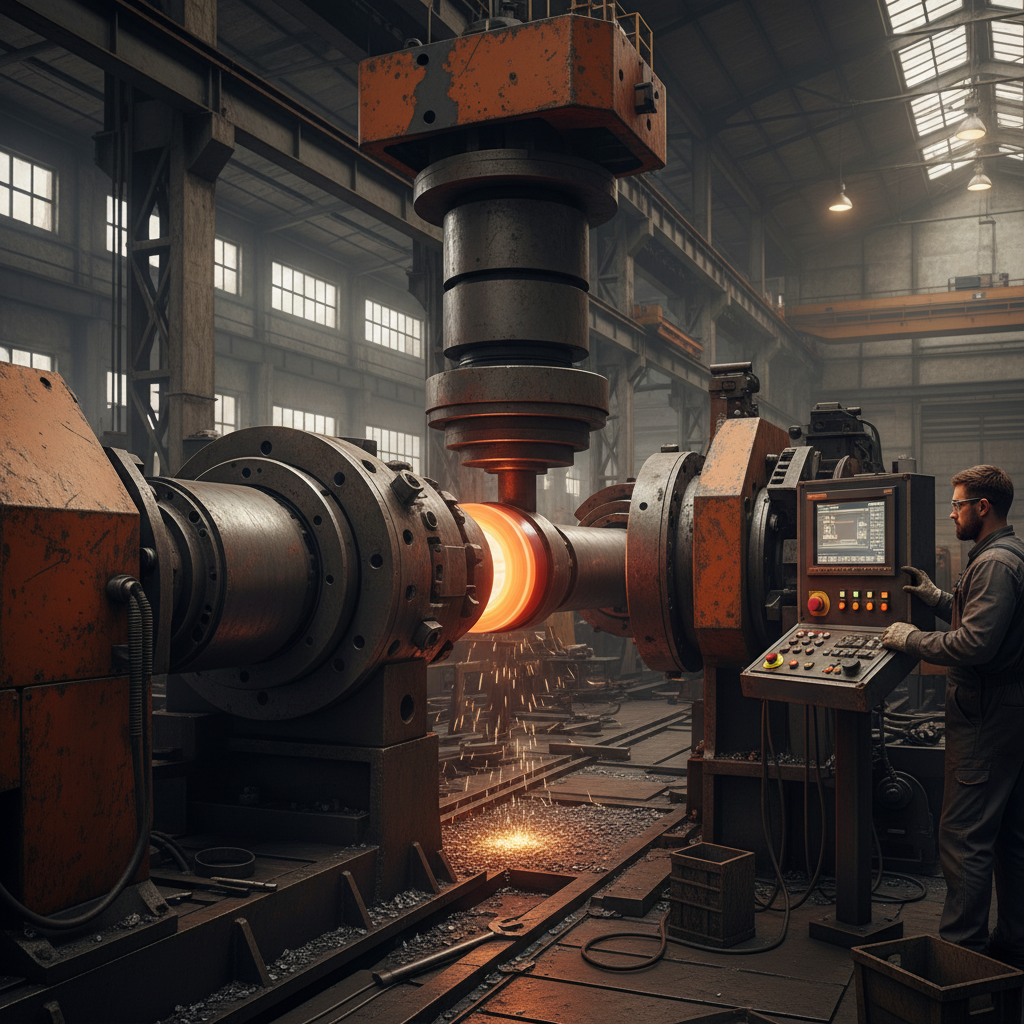
In its simplest form, a mandrel is a rigid form – typically cylindrical but not always – used as a support during manufacturing processes like bending, winding, and molding. It provides internal or external shaping, guiding the material to achieve the desired geometry. This definition belies the complexity of mandrel design, which considers factors like material compatibility, thermal expansion, and surface finish.
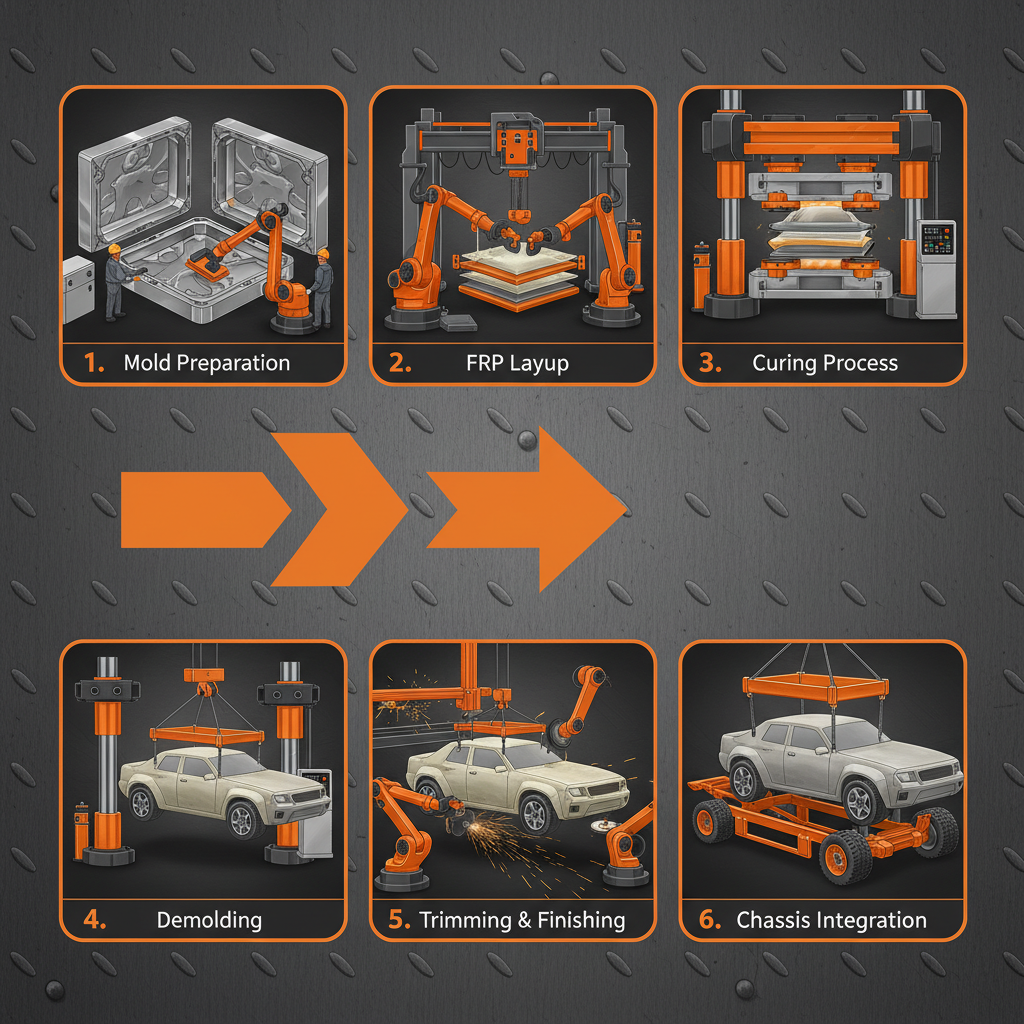
The connection to modern industry is pervasive. In composite material fabrication, mandrels are essential for creating hollow structures like aircraft fuselages and wind turbine blades. In metalworking, they facilitate the bending of pipes and tubes. In the production of electrical coils, mandrels ensure precise winding and consistent insulation. Without the mandrel, many modern products would be impractical or impossible to manufacture.
Its relevance extends to addressing humanitarian needs as well. The efficient production of modular shelters and emergency supplies often relies on optimized mandrel-based manufacturing processes, enabling rapid deployment and scalability in disaster relief scenarios.
Key Characteristics of Effective mandrel Design
Several key factors determine the effectiveness of a mandrel. First, dimensional accuracy is critical, ensuring the final product meets precise specifications. This requires tight manufacturing tolerances and careful material selection to minimize distortion during operation.
Second, surface finish plays a vital role, particularly when dealing with materials susceptible to adhesion or scratching. A smooth, polished surface minimizes friction and ensures uniform material distribution. Third, thermal stability is essential for processes involving elevated temperatures, preventing expansion or contraction that could compromise dimensional accuracy.
Finally, material compatibility is crucial. The mandrel material must not react chemically with the material being formed, preventing corrosion or contamination. Choosing the right material also influences the mandrel's lifespan and overall cost-effectiveness.
Durability and Precision in mandrel Fabrication
The longevity and performance of a mandrel are directly tied to its fabrication process. High-quality mandrels are often manufactured using precision machining techniques, such as CNC milling and turning, ensuring exceptional dimensional accuracy and surface finish.
The material selection also impacts durability. Tool steels are commonly used for their high strength and wear resistance, but aluminum alloys and composite materials offer advantages in specific applications. Proper heat treatment and surface coatings further enhance the mandrel's resistance to corrosion, wear, and deformation.
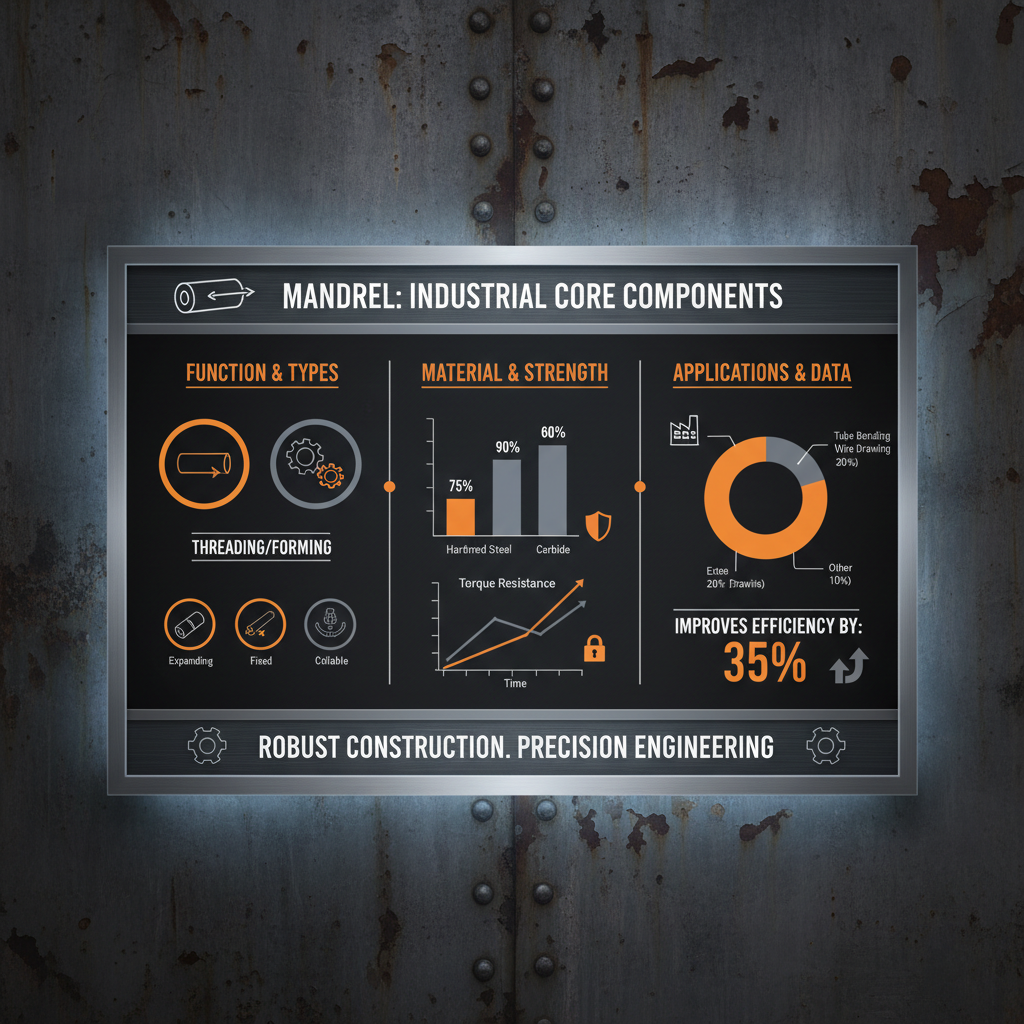
Mandrel Performance Metrics by Fabrication Method
Global Applications of the mandrel
The applications of the mandrel are remarkably diverse. In the aerospace industry, they're vital for forming complex composite structures for aircraft wings and fuselages. In the automotive sector, mandrels are used in the production of exhaust systems, fuel lines, and structural components.
Across various regions, their use is widespread. Europe and North America lead in advanced mandrel technologies for aerospace and automotive applications, while Asia is a significant consumer in industries like electronics and manufacturing. From the wind energy sector in Denmark to the automotive industry in Germany, mandrels are integral to countless supply chains.
Advantages of Utilizing High-Quality mandrel
Investing in high-quality mandrel yields substantial benefits. Reduced scrap rates, improved product consistency, and increased production efficiency are immediate outcomes. The precise dimensional control offered by a well-crafted mandrel minimizes rework and ensures adherence to stringent quality standards.
Beyond cost savings, there are long-term advantages related to sustainability and safety. Durable mandrels reduce the need for frequent replacements, minimizing waste and environmental impact. Their contribution to product reliability enhances safety and builds trust with end-users.
Ultimately, leveraging advanced mandrel technologies fosters innovation and strengthens a company’s competitive edge in the global marketplace.
Future Innovations in mandrel Technology
The future of mandrel technology is poised for significant advancements. Research is focused on developing “smart mandrels” equipped with sensors to monitor pressure, temperature, and strain during the forming process, providing real-time feedback and optimizing performance.
Additive manufacturing (3D printing) is also playing an increasing role, enabling the creation of complex mandrel geometries tailored to specific applications. The integration of advanced materials like carbon fiber reinforced polymers promises lighter, stronger, and more durable mandrels.
Furthermore, the rise of automation and Industry 4.0 principles will drive the development of self-adjusting mandrels and robotic handling systems, streamlining manufacturing processes and maximizing efficiency.
Summary of Common Mandrel Challenges and Solutions
| Challenge |
Material Selection |
Mitigation Strategy |
Cost Impact |
| Dimensional Instability |
Low Thermal Expansion Alloy |
Employ precision temperature control |
Moderate |
| Surface Degradation |
Hardened Steel with Coating |
Implement regular maintenance and polishing |
Low |
| Material Compatibility Issues |
Chemically Inert Polymer |
Conduct thorough material compatibility testing |
Moderate |
| Complex Geometries |
High-Strength Aluminum Alloy |
Utilize 5-axis CNC machining |
High |
| Wear and Tear |
Ceramic Composite |
Apply wear-resistant coatings |
Moderate |
| Production Lead Times |
Rapid Prototyping Materials |
Implement additive manufacturing techniques |
High (Initial Investment) |
FAQS
Mandrels are fabricated from a variety of materials depending on the application. Steel (tool steel, stainless steel) is common for high-strength, high-temperature applications. Aluminum alloys offer a lightweight alternative, while composite materials like carbon fiber reinforced polymers are used when weight reduction and stiffness are critical. Polymeric mandrels are used for low-temperature forming processes and for creating release layers.
Selecting the correct mandrel involves considering several factors: the material being formed, the desired geometry, operating temperature, pressure requirements, and the production volume. Factors such as required surface finish, dimensional accuracy, and chemical compatibility are also critical. Consulting with a mandrel specialist can provide tailored recommendations based on your unique needs.
The lifespan of a mandrel varies greatly depending on the material, application, and maintenance schedule. High-quality steel mandrels can last for years with proper care, while polymeric mandrels may have a shorter lifespan due to wear and degradation. Regular inspection, cleaning, and re-coating can significantly extend the service life.
Yes, mandrels are frequently customized to meet specific requirements. Precision machining techniques like CNC milling and turning allow for the creation of complex geometries. Additive manufacturing (3D printing) offers even greater design flexibility, enabling the production of highly intricate mandrel shapes.
Regular maintenance is crucial for prolonging mandrel lifespan and ensuring optimal performance. This includes cleaning to remove residue buildup, inspection for damage or wear, and re-coating or polishing to maintain surface finish. Periodic dimensional checks are also recommended to ensure continued accuracy.
Smart mandrels incorporate sensors to monitor critical parameters like temperature, pressure, and strain during forming. This real-time data provides valuable insights into the process, enabling optimization and reducing defects. The data can be used for predictive maintenance, improving overall efficiency and product quality.
Conclusion
The mandrel, despite its often-unseen role, is a foundational component in countless modern manufacturing processes. From enabling the creation of lightweight aerospace structures to facilitating the production of everyday consumer goods, its precision and durability are essential. Understanding the key characteristics of effective mandrel design, coupled with advancements in materials and manufacturing techniques, is vital for driving innovation and optimizing production efficiency.
Looking ahead, the integration of smart technologies and additive manufacturing promises to revolutionize the field, offering unprecedented levels of customization and control. By embracing these advancements, industries can unlock new possibilities and address the growing demand for high-performance, sustainable, and cost-effective products. To learn more about our mandrel solutions and how we can assist your projects, visit our website at www.jrain-frp.com.