The rapid evolution of construction and disaster relief has led to increased demand for innovative and rapidly deployable housing solutions. Among these, the frp car—fast response prefabricated car-sized housing units—stands out for its speed of deployment, durability, and cost-effectiveness. This technology offers a transformative approach to addressing immediate shelter needs in emergency situations and providing affordable housing in developing regions, marking a significant advancement in humanitarian aid and sustainable construction.
Globally, the need for rapid shelter solutions is ever-present. According to the UN Refugee Agency (UNHCR), over 82.4 million people are forcibly displaced worldwide, requiring immediate access to safe and adequate housing. Traditional construction methods often prove too slow and expensive for large-scale emergency responses, creating a critical gap that frp car solutions aim to bridge. The ISO standards for modular construction also highlight a growing industry focus on prefabrication for efficiency and quality.
The versatility of frp car extends beyond disaster relief, offering promising applications in remote industrial projects and temporary workforce housing. The ability to quickly establish livable spaces in challenging environments offers significant logistical and economic benefits.
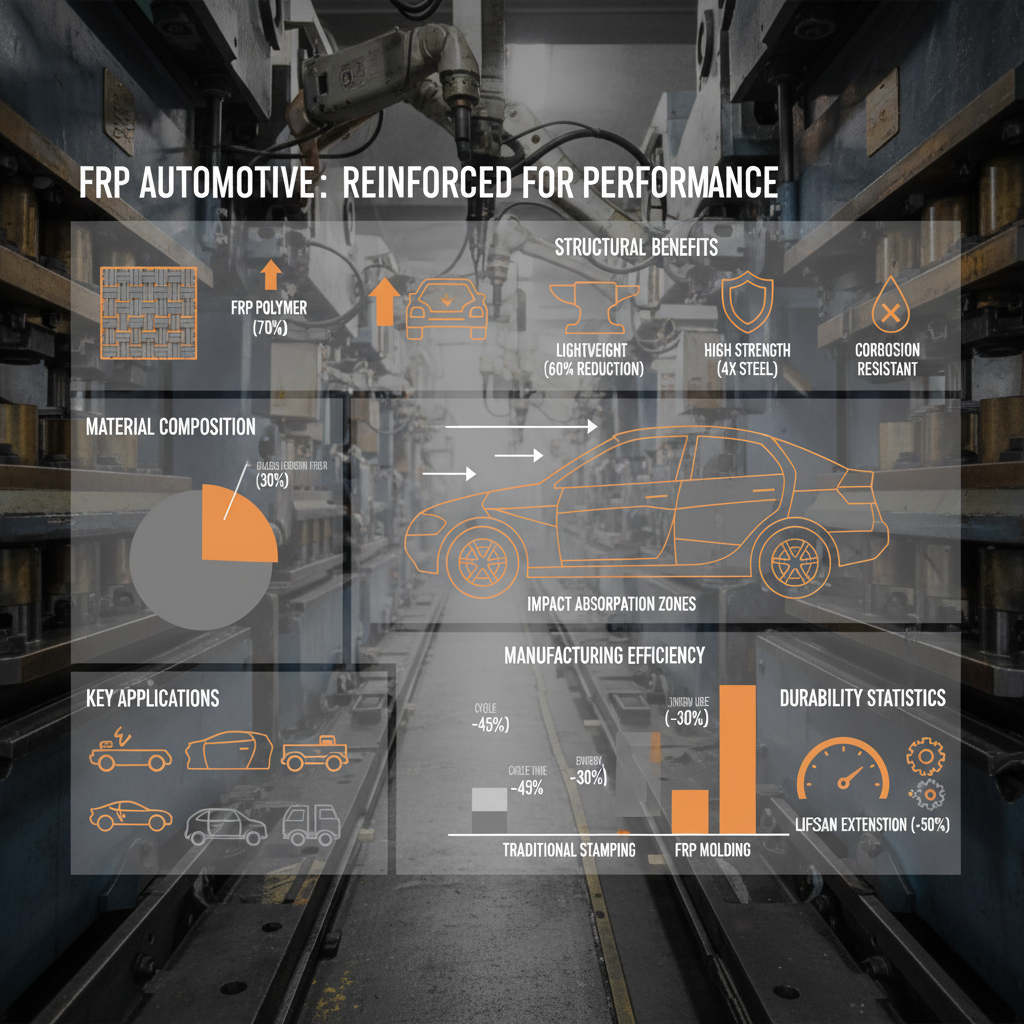
frp car refers to rapidly deployable, prefabricated housing units, typically sized similarly to a standard car, built using fiber-reinforced polymer (FRP) materials. These units are designed for swift transportation and assembly, offering immediate shelter solutions. This innovative approach addresses critical needs in disaster relief, emergency housing, and affordable housing initiatives globally.
The core principle behind frp car is to streamline the housing process by moving much of the construction off-site. This reduces on-site labor costs, minimizes construction time, and ensures a higher level of quality control compared to traditional building methods. The FRP materials used contribute to the structure’s lightweight, durability, and resistance to environmental factors.
frp car primarily use fiber-reinforced polymer (FRP) composites, comprising reinforcing fibers (like fiberglass, carbon fiber, or basalt fiber) embedded in a resin matrix (such as polyester, vinyl ester, or epoxy). These materials offer a high strength-to-weight ratio, excellent corrosion resistance, and design flexibility. The specific composition varies depending on the intended application and performance requirements. Additional materials like insulation, windows, and interior finishes are incorporated to create a habitable living space. The use of lightweight materials ensures ease of transport and rapid assembly.
While initial tooling and setup costs can be higher, frp car often prove more cost-effective in the long run. The speed of construction significantly reduces labor costs, and the durability of FRP materials lowers maintenance and repair expenses. Additionally, reduced waste generation contributes to environmental savings. The overall lifecycle cost of a frp car can be comparable to, or even lower than, traditional building methods, particularly in remote locations or emergency situations where logistics are challenging. Factors like production volume and material choices influence the final price.
The lifespan of a frp car unit can vary depending on the quality of materials, environmental conditions, and maintenance practices. However, with proper care, these units can realistically last for 20-30 years, or even longer. The inherent corrosion resistance of FRP materials protects against weathering and degradation, extending the structure's life. Regular inspections and minor repairs can further enhance longevity. Many designs allow for modular replacement of components, further extending the unit's usability.
frp car offer several environmental advantages. The manufacturing process generates less waste compared to traditional construction. FRP materials are durable and require minimal maintenance, reducing the demand for replacement parts and materials. Furthermore, the potential for disassembly and relocation minimizes landfill waste. Ongoing research focuses on developing bio-based FRP materials, enhancing sustainability even further. However, the disposal of FRP materials at the end of their life remains a challenge, and recycling initiatives are crucial.
The permitting and regulatory requirements for deploying frp car vary significantly depending on the location and intended use. In emergency situations, expedited permitting processes may be available. However, for long-term housing, compliance with local building codes, zoning regulations, and environmental standards is essential. This may involve obtaining permits for foundations, electrical connections, plumbing, and sanitation. Consulting with local authorities and engaging with experienced permitting specialists is highly recommended.
One of the key advantages of frp car is their ease of transport and assembly. The modular design allows for efficient packing and shipping on standard flatbed trucks or trailers. Assembly typically requires minimal tools and expertise, with most units designed for rapid connection without specialized equipment. A small team of trained personnel can usually assemble a frp car unit within hours. Detailed assembly instructions and on-site support are often provided by manufacturers.
In conclusion, frp car represent a significant advancement in rapidly deployable housing solutions. Their unique combination of durability, portability, and cost-effectiveness makes them ideal for addressing a wide range of needs, from disaster relief and emergency housing to remote workforce accommodation and affordable housing initiatives. The continued development of sustainable materials and smart technologies will further enhance their appeal and expand their applications.
Looking ahead, widespread adoption of frp car requires collaborative efforts between governments, NGOs, and the private sector to overcome regulatory hurdles, streamline supply chains, and invest in workforce training. Embracing this innovative technology holds the potential to transform the way we respond to housing challenges globally, ensuring safe, dignified, and sustainable shelter for all. Visit our website at jrain-frp.com to learn more.