Fiber Reinforced Polymer (FRP) boats are revolutionizing the marine industry, offering a compelling alternative to traditional materials like wood, steel, and aluminum. Their increasing adoption globally stems from a unique combination of properties – lightweight construction, high strength, corrosion resistance, and design flexibility. This makes them ideal for a wide range of applications, from recreational boating and commercial fishing vessels to high-performance racing yachts and specialized workboats. The demand for durable, low-maintenance, and environmentally conscious vessels is driving the growth of the frp boat market.
The global marine industry is currently valued at hundreds of billions of dollars, with a substantial portion dedicated to boat construction and maintenance. However, traditional boatbuilding materials face escalating challenges related to cost, availability, and environmental impact. FRP boats present a viable solution, addressing these concerns by utilizing advanced composite materials and manufacturing processes. The ability to customize designs, reduce weight, and extend the lifespan of vessels contributes significantly to long-term cost savings and reduced environmental footprints.
Furthermore, advancements in FRP technology are constantly expanding the possibilities for boat design and performance. Innovations in resin systems, fiber types, and manufacturing techniques are leading to lighter, stronger, and more efficient frp boats, capable of meeting the evolving needs of the marine market.
Introduction to FRP Boat Technology
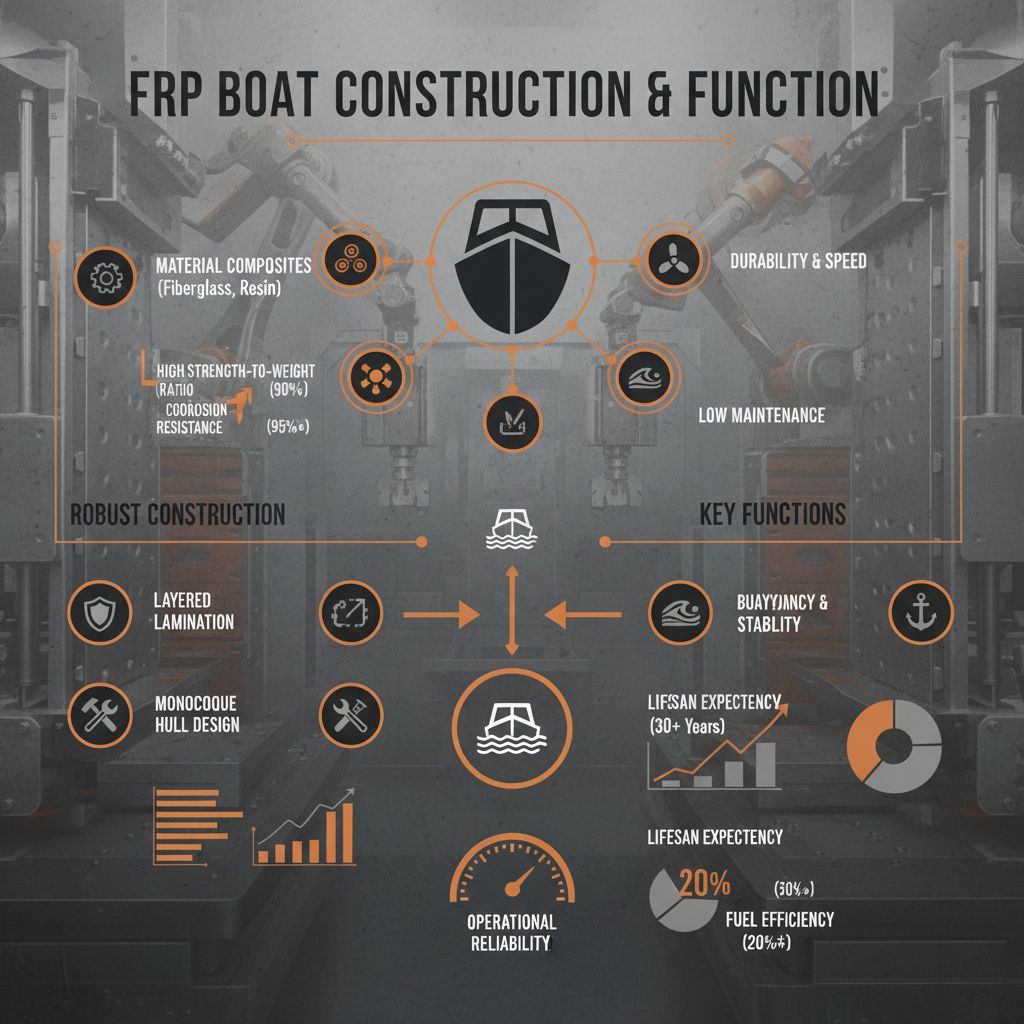
FRP boat construction is a sophisticated process that combines the advantages of various materials. Typically, it involves layering fiberglass reinforcements embedded in a polymer matrix (resin) to create a strong, lightweight structure. This composite material offers superior corrosion resistance compared to metals, reducing maintenance costs and extending the vessel's lifespan. The careful selection of resins and fibers dictates the final characteristics of the frp boat, allowing for tailored performance and functionality.
The initial investment in FRP materials and manufacturing techniques may be higher than traditional methods; however, the resulting benefits, such as reduced weight, increased durability, and lower life-cycle costs, often outweigh the initial expense. Furthermore, advancements in automation and resin technologies are continually driving down production costs, making frp boats increasingly competitive in the global market.
Defining FRP Boats and Their Relevance
An FRP boat, short for Fiber Reinforced Polymer boat, is a vessel constructed using composite materials – primarily glass fibers embedded in a resin matrix. Unlike traditional boatbuilding methods relying on wood, steel, or aluminum, FRP construction allows for complex hull shapes, lightweight designs, and exceptional strength-to-weight ratios. This makes them suitable for a diverse range of applications, including recreational boating, commercial fishing, law enforcement, and military operations.
The relevance of frp boats is growing due to the increasing demand for sustainable and durable marine solutions. Traditional materials often require extensive maintenance to prevent corrosion and decay, contributing to environmental concerns and ongoing operational costs. FRP materials, on the other hand, are highly resistant to corrosion, reducing the need for frequent repairs and minimizing the release of harmful chemicals into the marine environment.
The versatility of FRP allows for seamless integration of features like self-draining decks, integrated fuel tanks, and custom-designed interiors, enhancing both functionality and aesthetic appeal. This level of customization is often difficult or expensive to achieve with traditional boatbuilding techniques.
Core Components of FRP Boat Construction
The foundation of any frp boat lies in its core components: reinforcement fibers, resin matrix, and the manufacturing process. Reinforcement fibers, most commonly fiberglass, provide the structural strength, while the resin matrix binds the fibers together and distributes the load. Different types of resins, such as polyester, vinyl ester, and epoxy, offer varying levels of strength, flexibility, and chemical resistance.
The manufacturing process typically involves layering the reinforcement fibers and resin using techniques like hand lay-up, spray-up, vacuum infusion, or resin transfer molding (RTM). Each method offers different advantages in terms of cost, production speed, and the quality of the finished product. Vacuum infusion and RTM are known for producing higher-quality, more consistent laminates with reduced void content.
Additional components such as core materials (foam, balsa wood, or honeycomb structures) are often integrated into the laminate to increase stiffness and reduce weight. Gel coats are applied to the exterior surface to provide a smooth, glossy finish and protect the underlying laminate from UV damage and abrasion.
Key Characteristics of FRP Boats
Several key characteristics distinguish frp boats from vessels built with traditional materials. Foremost is their exceptional strength-to-weight ratio. FRP construction allows for lighter hulls without sacrificing structural integrity, resulting in improved fuel efficiency and enhanced performance.
Corrosion resistance is another crucial advantage. Unlike metal boats, FRP vessels are not susceptible to rust or corrosion, significantly reducing maintenance requirements and extending the lifespan of the boat. This is particularly beneficial in saltwater environments.
FRP Boat Performance Characteristics
Global Applications of FRP Boats
The applications of frp boats are incredibly diverse, spanning across numerous industries and geographical regions. In the recreational boating sector, they dominate the market for smaller powerboats, sailboats, and personal watercraft due to their affordability, ease of maintenance, and customizable designs.
Commercial applications include fishing vessels, patrol boats for law enforcement and coast guard agencies, and passenger ferries. The lightweight nature of FRP allows for greater payload capacity and improved fuel efficiency, critical for commercial operations. In post-disaster relief operations, frp boats are invaluable for accessing remote areas and delivering essential supplies.
The use of FRP boats is prevalent in coastal regions around the world, including North America, Europe, Asia, and Australia. Increasingly, they are being adopted in developing countries, where their durability and low maintenance requirements are particularly attractive.
Advantages and Long-Term Value of FRP Boats
The advantages of frp boats extend beyond their technical specifications. From a financial perspective, their reduced maintenance costs and extended lifespan translate into significant long-term savings. The elimination of rust and corrosion reduces the need for costly repairs and replacements, making them a sound investment.
Environmentally, FRP boats offer a more sustainable alternative to traditional materials. Reduced fuel consumption contributes to lower emissions, and the durability of the materials minimizes waste. The inherent safety of FRP construction, combined with the ability to customize designs for specific operational requirements, provides peace of mind to boat owners and operators.
Future Trends in FRP Boat Technology
The future of frp boat technology is marked by ongoing innovation. Research and development efforts are focused on developing new resin systems with enhanced performance characteristics, such as increased strength, improved impact resistance, and reduced environmental impact. Bio-based resins, derived from renewable resources, are gaining traction as a more sustainable alternative to traditional petroleum-based resins.
Automation and advanced manufacturing techniques, such as robotic fiber placement and 3D printing, are streamlining production processes and reducing manufacturing costs. The integration of smart technologies, including sensors and data analytics, is enabling predictive maintenance and optimized vessel performance. These advancements are paving the way for a new generation of frp boats that are more efficient, sustainable, and connected than ever before.
Furthermore, the incorporation of electric propulsion systems is becoming increasingly common, further reducing the environmental footprint of these vessels and enhancing their operational efficiency.
FAQS
FRP boats offer several key advantages over wooden boats. They require significantly less maintenance, as they are resistant to rot, decay, and marine borers. FRP is also lighter and stronger than wood, resulting in better fuel efficiency and performance. Finally, FRP boats can be molded into complex shapes that are difficult or impossible to achieve with traditional wooden construction.
The initial cost of an FRP boat is often comparable to, or slightly higher than, a steel boat of the same size. However, the long-term costs are typically lower for FRP boats due to their resistance to corrosion and reduced maintenance requirements. Steel boats require regular painting and anti-corrosion treatments, which can add up significantly over time.
FRP boat construction has become more environmentally friendly with the development of bio-based resins and improved manufacturing processes. While traditional resins are petroleum-based, newer options utilize renewable resources. The durability of FRP also reduces the need for frequent repairs and replacements, minimizing waste.
FRP boats require relatively low maintenance. Regular washing and waxing are recommended to protect the gel coat from UV damage. Periodic inspections of the hull for any signs of damage or blistering are also important. Unlike metal boats, FRP vessels do not require painting or anti-corrosion treatments.
Yes, FRP boats can be repaired relatively easily. Minor damage, such as scratches and gouges, can be repaired with filler and gel coat. More significant damage, such as cracks or holes, requires professional repair using fiberglass and resin. The repair process is typically less complex and less expensive than repairing metal boats.
A well-maintained frp boat can have a lifespan of several decades. With proper care and regular maintenance, it is not uncommon for these vessels to remain in service for 30 years or more. The durability of the materials and their resistance to corrosion contribute to their longevity.
Conclusion
In conclusion, frp boats represent a significant advancement in marine technology, offering a compelling combination of strength, durability, lightweight construction, and corrosion resistance. Their versatility allows for applications ranging from recreational boating to commercial operations and disaster relief, making them an increasingly important part of the global marine industry. The long-term benefits, including reduced maintenance costs and increased lifespan, make them a sound investment for boat owners and operators.
Looking ahead, ongoing innovation in materials, manufacturing processes, and smart technologies will continue to enhance the performance and sustainability of FRP boats. As the demand for environmentally conscious and cost-effective marine solutions grows, frp boats are poised to play an even greater role in shaping the future of the industry. Visit our website today to learn more about how we can meet your FRP boating needs: www.jrain-frp.com