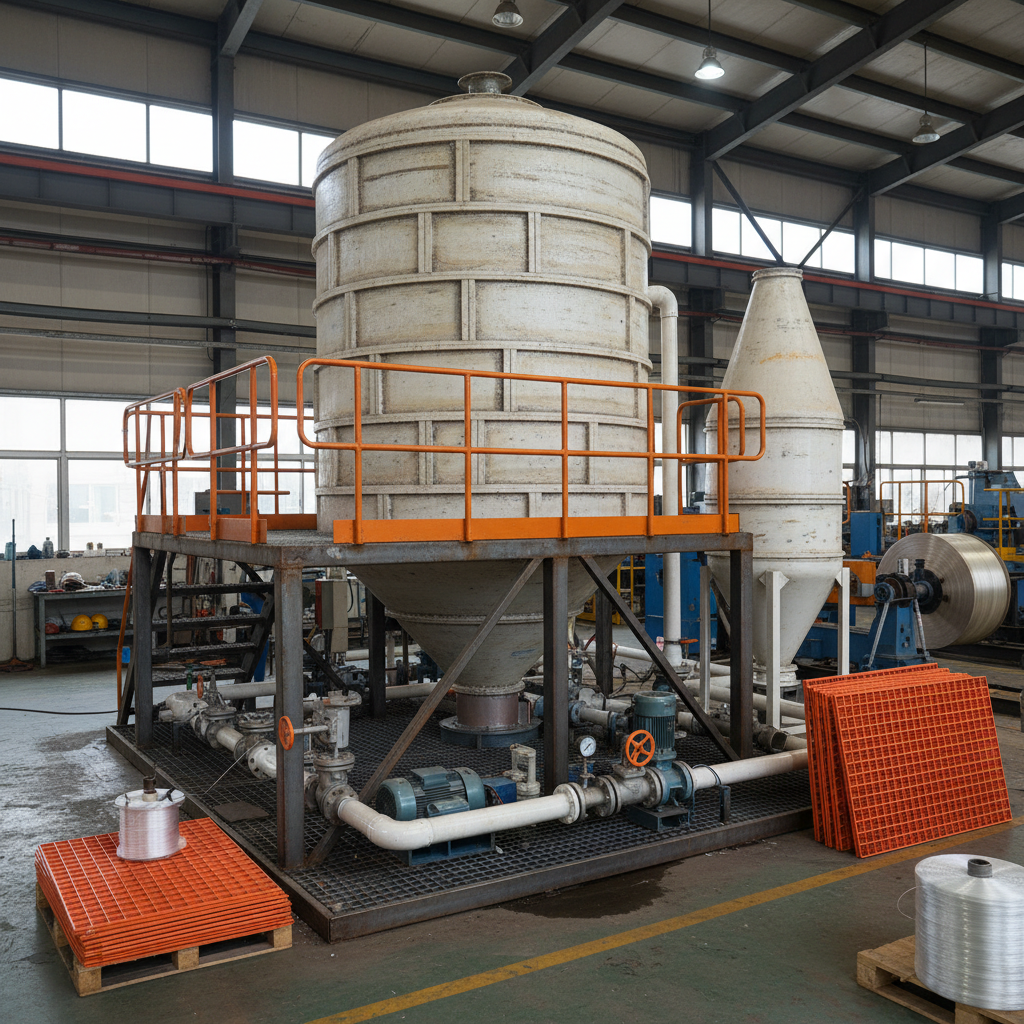
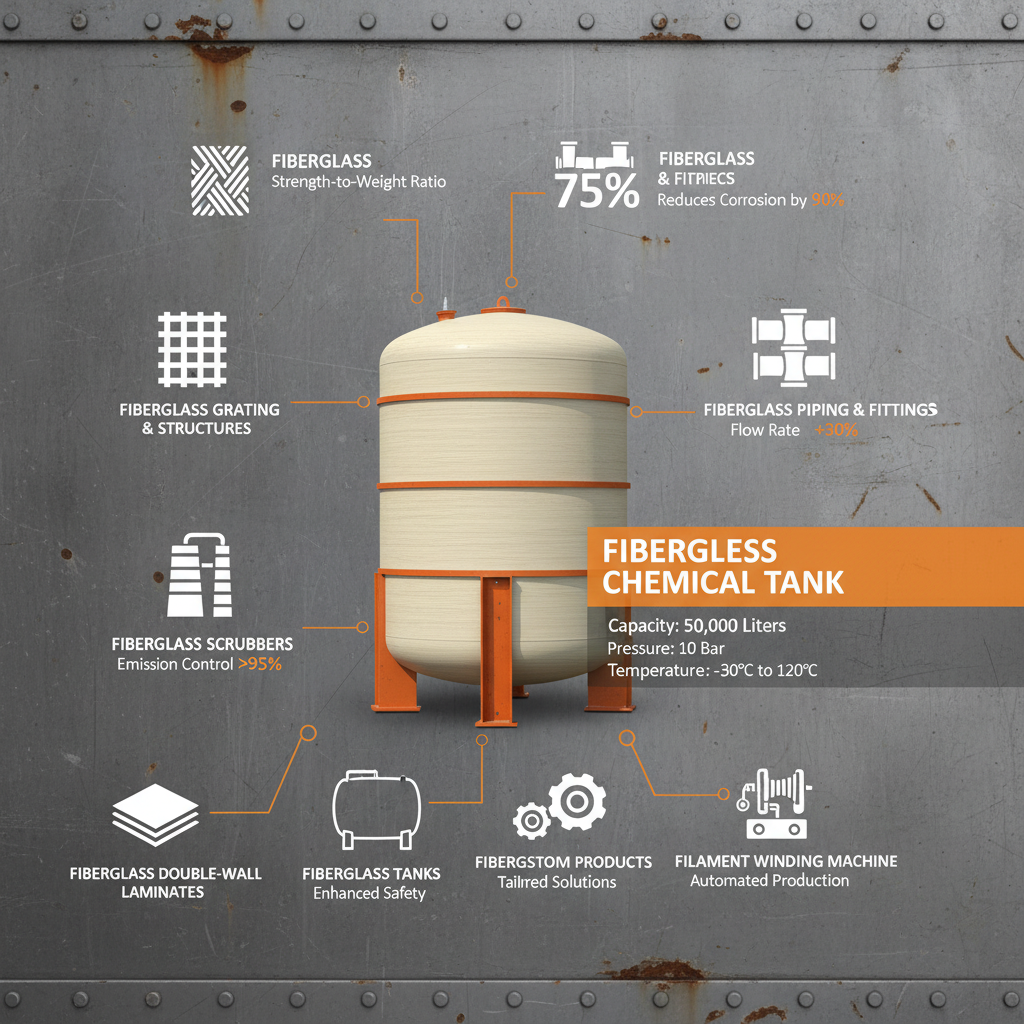
Fiberglass chemical tanks are becoming increasingly vital across a huge range of industries – from water treatment and chemical processing to agriculture and even oil & gas. It's not just hype; I've spent the last fifteen years walking job sites, seeing firsthand how corrosion-resistant storage is a game changer. Traditional steel tanks? They're constantly needing repairs, coatings, and inspections. The cost adds up, and downtime is brutal. Fiberglass, done right, addresses those issues head-on, saving companies serious money and headaches. And frankly, the demand is only going up as regulations tighten around environmental protection and safety.
What's really driving this isn't just the material science – it’s the whole lifecycle cost. I've seen facilities where the maintenance crew spends more time on tank upkeep than on actual production. Fiberglass offers longevity and minimizes that constant repair cycle. Plus, the lighter weight makes installation easier and often reduces the need for heavy lifting equipment. It’s not about just swapping materials; it’s about rethinking how we manage long-term asset integrity. We're talking about better performance, improved safety, and a more sustainable approach to chemical storage.
The increasing complexity of chemicals being handled also means we need storage solutions that can withstand a wider range of corrosive environments. I’ve seen some pretty nasty stuff eat through steel in a matter of months. Fiberglass, with the right resin system, can handle highly aggressive chemicals for decades. It’s about understanding the specific application and choosing the correct formulation – it’s not a one-size-fits-all situation, and that’s where experience really counts.
The Importance of Fiberglass Chemical Tanks
You see a lot of storage solutions out there, but fiberglass chemical tanks consistently come up as a smart choice, especially when dealing with aggressive substances. I’ve been on sites where a simple tank failure shut down an entire operation for days, costing the company a fortune. Fiberglass offers a level of resistance that drastically reduces that risk. It’s not just about the material itself; it's about the design and fabrication process, ensuring a tank that can withstand the specific stresses of the application.
What I’ve learned over the years is that it's vital to think about the entire system. The tank is only one piece. You need to consider the piping, the pumps, the valves – everything needs to be compatible and equally corrosion-resistant. A weak link anywhere in the chain can compromise the whole setup.
Global Relevance and Industry Challenges
Globally, the demand for reliable chemical storage is soaring, driven by factors like population growth, industrial expansion, and stricter environmental regulations. The UN estimates that global chemical production will continue to increase significantly in the coming decades, placing greater demands on storage infrastructure. In developing nations, the need for safe and efficient storage is particularly acute, often lacking the resources for constant maintenance of traditional materials.
One of the biggest challenges I see is standardization. There are a lot of fiberglass tank manufacturers out there, and quality control can vary widely. It's crucial to work with a reputable supplier who adheres to industry standards like those set by ISO or ASTM. Cutting corners on material quality or fabrication can lead to premature failure and potentially catastrophic consequences.
Another challenge is the initial cost. Fiberglass tanks typically have a higher upfront cost compared to steel. However, that initial investment is often offset by the lower lifecycle costs due to reduced maintenance, longer lifespan, and improved safety. It's a total cost of ownership calculation, and in most cases, fiberglass comes out ahead.
Defining Fiberglass Chemical Tanks
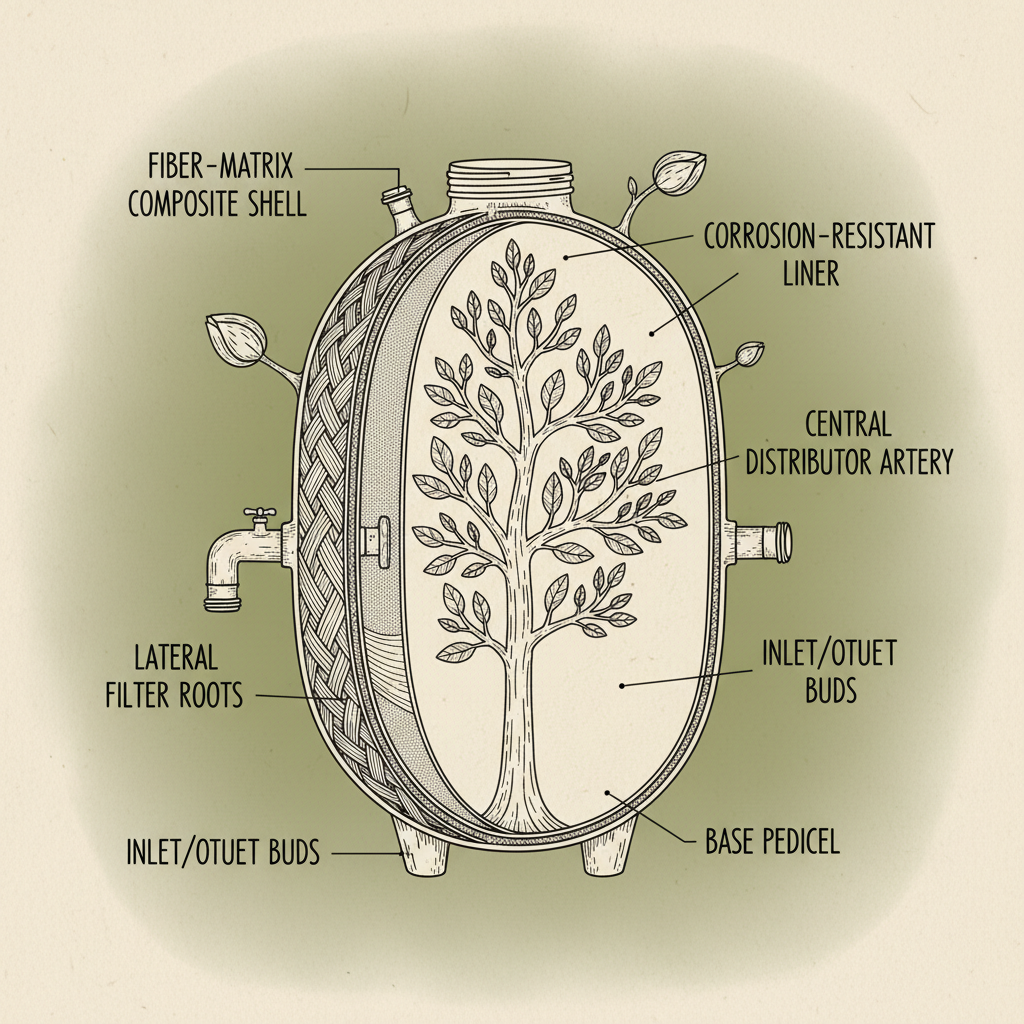
A fiberglass chemical tank, at its core, is a container constructed from fiber-reinforced polymer (FRP). Essentially, it's glass fibers embedded in a resin matrix – typically polyester, vinyl ester, or epoxy. The resin binds the fibers together, providing strength and resistance to chemical attack. The specific resin used is critical and depends on the chemicals being stored.
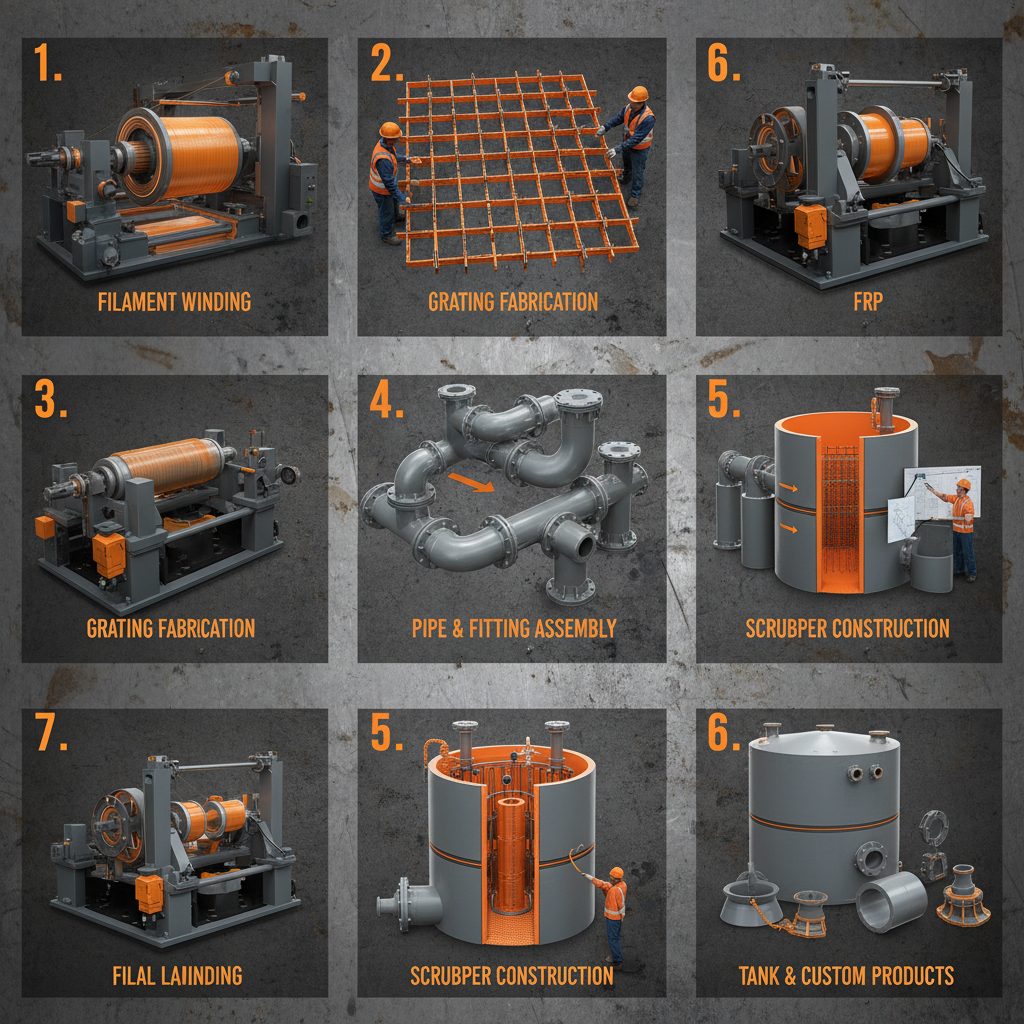
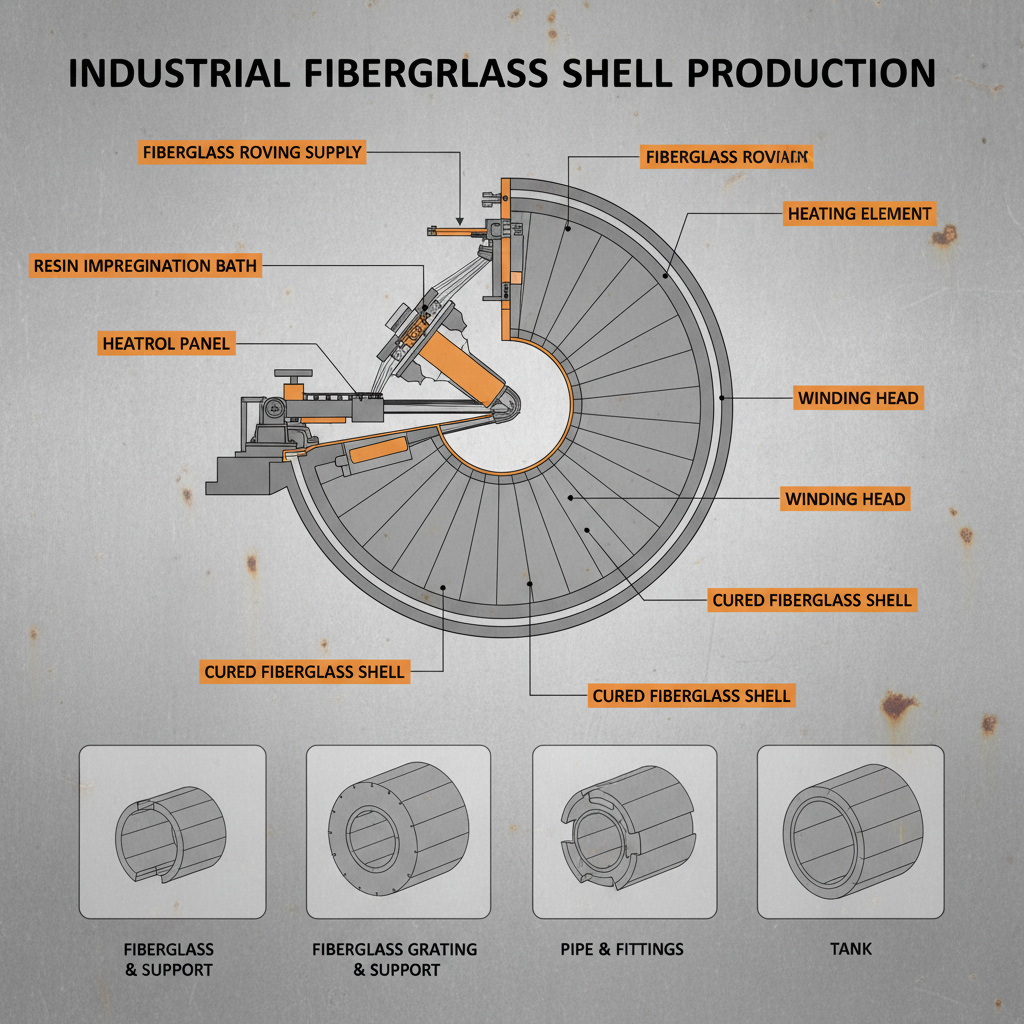
What distinguishes a good fiberglass tank from a mediocre one isn’t just the materials but the manufacturing process. Filament winding, hand lay-up, spray-up – these methods all have their pros and cons. Filament winding, where continuous strands of fiberglass are wrapped around a mandrel, typically results in a stronger, more consistent tank. It's also important to look at the wall thickness, the quality of the resin impregnation, and the overall craftsmanship.
These tanks aren’t just for storing harsh chemicals. They’re also vital for water treatment facilities, managing everything from chlorine to pH adjustment solutions. They play a critical role in industries where maintaining purity and preventing contamination are paramount. In many applications, they're a direct replacement for older, less reliable steel or plastic tanks.
Key Factors: Performance and Design
Durability is paramount. A fiberglass tank needs to withstand years of exposure to harsh chemicals, temperature fluctuations, and UV radiation. The resin system plays a huge role here; vinyl ester resins are generally more resistant to corrosion than polyester resins, but they’re also more expensive.
Scalability is another key factor. You need a tank that’s sized appropriately for your needs, and a good manufacturer can provide tanks in a wide range of sizes and configurations. From small day tanks to massive storage vessels, it needs to fit the application.
Fiberglass Chemical Tank Performance Metrics
Global Applications and Use Cases
I’ve seen these tanks everywhere, from large-scale water treatment plants in North America to remote mining operations in Australia. In post-disaster relief operations, portable fiberglass tanks are invaluable for providing safe drinking water. They’re lightweight, easy to transport, and don’t corrode, making them ideal for emergency situations.
The agricultural sector also utilizes them extensively for storing fertilizers, pesticides, and herbicides. The chemical resistance is crucial here, preventing contamination and ensuring the integrity of the stored products. And increasingly, they're being used in the renewable energy industry for storing electrolytes in battery systems.
Advantages & Long-Term Value
The biggest advantage is undoubtedly the long lifespan and minimal maintenance. I’ve inspected tanks that have been in service for over 30 years with virtually no issues. Compare that to a steel tank which might need recoating every few years. That translates into significant cost savings over the life of the asset.
Sustainability is also a growing factor. Fiberglass tanks are lightweight, reducing transportation costs and fuel consumption. They also have a lower carbon footprint compared to steel tanks, which require energy-intensive production processes. And they’re recyclable, although the recycling infrastructure is still developing.
From a safety perspective, the non-corrosive nature of fiberglass eliminates the risk of leaks and spills, protecting both workers and the environment. That peace of mind is invaluable, and it’s often overlooked in the initial cost analysis.
Future Trends & Innovations
We’re seeing a lot of innovation in resin technology, with new formulations offering even greater chemical resistance and improved mechanical properties. Nanomaterials are being incorporated into the resin matrix to enhance strength and durability.
Smart tanks, equipped with sensors to monitor temperature, pressure, and liquid levels, are also gaining traction. This data can be used to optimize storage conditions, prevent leaks, and improve overall efficiency. Remote monitoring and predictive maintenance are becoming increasingly common.
And the focus on sustainability is driving the development of bio-based resins derived from renewable sources. This could significantly reduce the environmental impact of fiberglass tank manufacturing. We’re also seeing more emphasis on design optimization using advanced modeling techniques to minimize material usage and maximize performance.
Challenges and Solutions
One common issue is blistering – the formation of small bubbles on the tank’s surface. This is often caused by moisture contamination during the manufacturing process. Proper quality control and a well-maintained production environment are crucial to prevent this.
Another challenge is dealing with highly aggressive chemicals that can degrade even the most resistant resins. In these cases, it’s essential to work closely with a chemical compatibility expert to select the right resin system and ensure adequate wall thickness. Sometimes, a lining or coating may be necessary to provide additional protection.
A Comparative Analysis of Fiberglass Chemical Tank Manufacturing Methods
| Manufacturing Method |
Strength & Durability |
Cost Effectiveness |
Production Scalability |
| Hand Lay-Up |
6/10 |
8/10 |
7/10 |
| Spray-Up |
7/10 |
7/10 |
8/10 |
| Filament Winding |
9/10 |
6/10 |
9/10 |
| Resin Transfer Molding |
8/10 |
5/10 |
7/10 |
| Vacuum Infusion |
8.5/10 |
6.5/10 |
8/10 |
| Automated Winding |
9.5/10 |
5.5/10 |
10/10 |
FAQS
A well-maintained fiberglass chemical tank can easily last 25-50 years, and even longer in some cases. This is significantly longer than steel tanks, which typically require replacement or major repairs every 10-20 years. The key is proper resin selection, quality manufacturing, and adherence to recommended operating conditions. I’ve seen tanks still going strong after four decades, a testament to the material’s durability.
Upfront, stainless steel may sometimes seem cheaper, but when you factor in long-term maintenance, corrosion protection, and potential downtime for repairs, fiberglass often becomes more cost-effective. Stainless steel is prone to pitting and corrosion, especially in aggressive chemical environments, requiring frequent inspections and coatings. Fiberglass eliminates those costs, offering a lower total cost of ownership over the tank’s lifespan.
Fiberglass tanks can store a wide range of chemicals, but it’s crucial to select the right resin system for the specific application. Polyester resins are suitable for many common chemicals, while vinyl ester resins offer better resistance to acids, caustics, and solvents. Epoxy resins are used for highly corrosive environments. Always consult a chemical compatibility chart to ensure the resin is compatible with the stored substance.
Minor damage to fiberglass tanks can often be repaired relatively easily using FRP repair kits. However, major damage may require professional repair services. It's crucial to address any damage promptly to prevent further deterioration and ensure the tank’s structural integrity. It’s not like welding steel, but with the right techniques, repairs can be effective.
Fiberglass tanks are generally considered environmentally friendly due to their corrosion resistance, which prevents leaks and spills. They are also lighter than steel tanks, reducing transportation costs and fuel consumption. While fiberglass itself isn't biodegradable, there is increasing research into using bio-based resins and developing more sustainable manufacturing processes.
Look for a manufacturer with a strong reputation and adherence to industry standards like ISO or ASTM. Check for certifications, review their quality control procedures, and ask for references. Don't hesitate to inspect the tank yourself or have a third-party inspection performed. A little due diligence upfront can save you a lot of headaches down the road.
Conclusion
Fiberglass chemical tanks represent a significant advancement in chemical storage technology. Their durability, chemical resistance, and long lifespan offer substantial cost savings and environmental benefits. From reducing maintenance needs to minimizing the risk of leaks and spills, these tanks provide a safer, more sustainable, and more efficient solution for a wide range of industries. It's a move away from reactive maintenance to proactive asset management.
As technology continues to evolve, we can expect to see even more innovations in fiberglass tank design and manufacturing, including the use of advanced materials and smart monitoring systems. Investing in a quality fiberglass tank is an investment in long-term reliability and peace of mind. To learn more about our fiberglass chemical tank solutions, visit our website: fiberglass chemical tank