The demand for robust and reliable ventilation systems is paramount across a multitude of industries globally. At the heart of many of these solutions lies the frp fan, or Fiber Reinforced Polymer fan, offering a compelling alternative to traditional metal fans. These fans are increasingly crucial in applications ranging from corrosive environments in chemical processing plants to high-humidity scenarios in wastewater treatment facilities, and even in creating safer and more efficient indoor air quality systems. The versatility and performance benefits are driving widespread adoption.
The global market for industrial fans, a segment where frp fans are gaining significant traction, is projected to reach substantial figures in the coming years. According to recent industry reports, the increasing focus on energy efficiency, coupled with stringent environmental regulations, is a primary catalyst for this growth. Furthermore, the need for corrosion-resistant materials in harsh operating conditions is pushing manufacturers and end-users alike to explore innovative materials like FRP.
Addressing challenges such as maintaining operational efficiency and longevity in demanding environments is critical. frp fan technology offers a compelling solution, reducing downtime, maintenance costs, and overall lifecycle expenses, ultimately contributing to a more sustainable and profitable operational model for businesses worldwide.
Introduction to frp fan
frp fan systems represent a significant advancement in ventilation technology, moving beyond the limitations of traditional materials like steel and aluminum. These fans utilize a composite material – Fiber Reinforced Polymer – known for its exceptional strength-to-weight ratio, inherent corrosion resistance, and design flexibility. This makes them ideally suited for a wide range of challenging applications where conventional fans would quickly degrade or require extensive maintenance.
The fundamental principle behind an frp fan remains the same as that of a traditional fan: to move air. However, the use of FRP dramatically alters the operational profile and lifecycle costs. Unlike metal fans, FRP components do not rust, corrode, or require painting, leading to substantial savings in long-term maintenance and replacement expenses.
Defining frp fan Technology
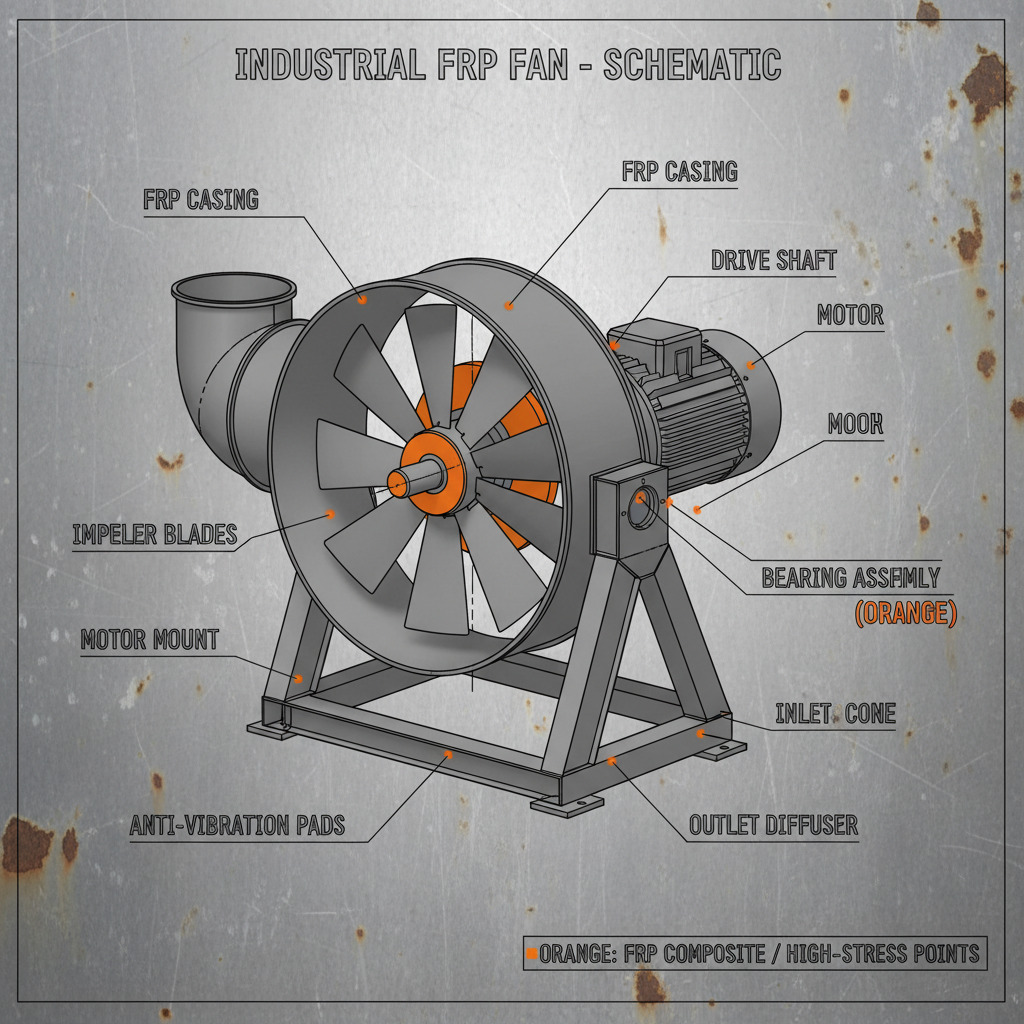
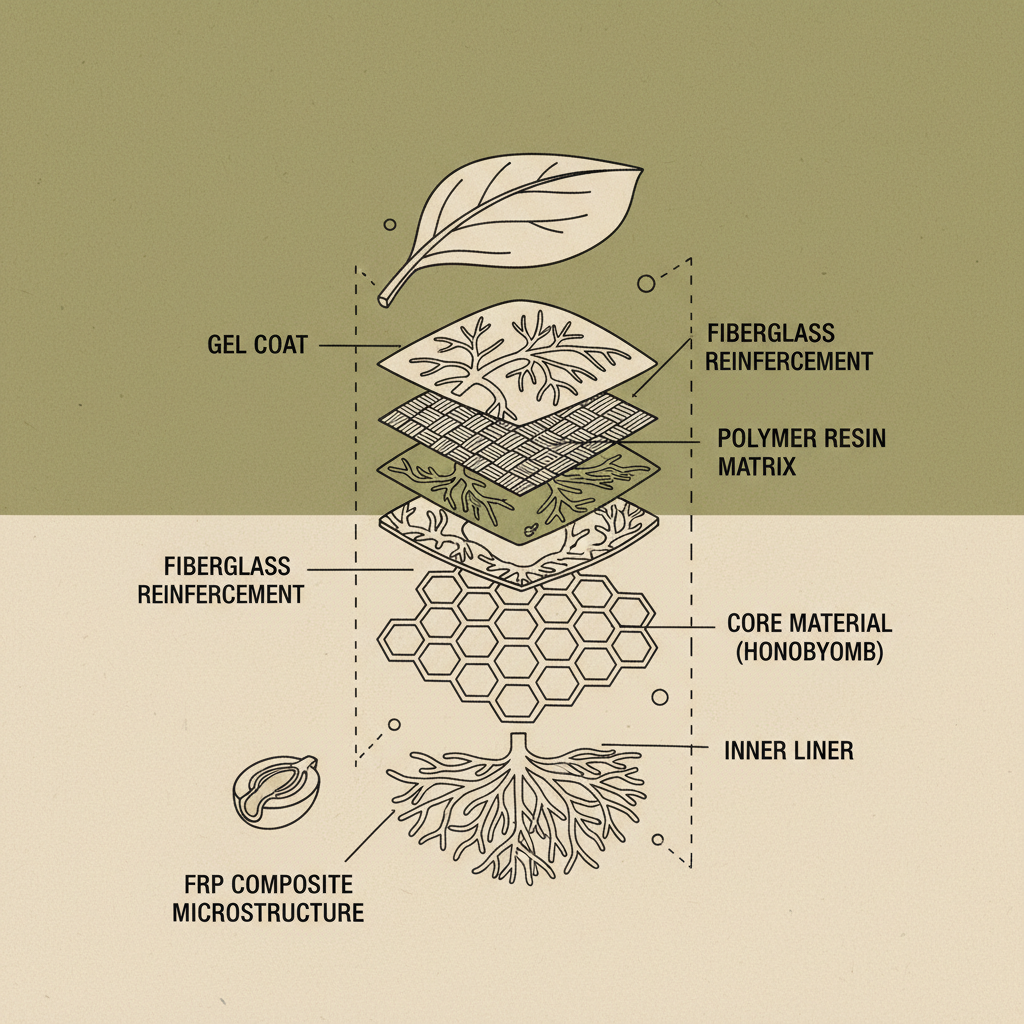
An frp fan is a mechanical device used to move air, where the fan blades, housing, and other critical components are constructed from Fiber Reinforced Polymer materials. FRP is a composite material made by combining a polymer matrix (like polyester, vinyl ester, or epoxy resin) with reinforcing fibers (such as fiberglass, carbon fiber, or aramid fiber). The specific combination of resin and fiber dictates the material's properties and suitability for different applications.
This technology directly addresses the shortcomings of traditional fan materials in corrosive and harsh environments. Metal fans are prone to rust, corrosion, and fatigue, which can lead to structural failures and costly downtime. frp fan systems offer a durable and long-lasting alternative, reducing these risks and extending the lifespan of the ventilation system.
The manufacturing process for frp fan components often involves techniques like filament winding, resin transfer molding (RTM), or hand lay-up, depending on the complexity of the design and the desired mechanical properties. These processes allow for the creation of complex shapes and optimized aerodynamic profiles.
Core Characteristics of frp fan
One of the defining characteristics of an frp fan is its exceptional corrosion resistance. Unlike metal fans that require protective coatings and are still susceptible to corrosion in harsh environments, FRP is inherently resistant to a wide range of chemicals, acids, and alkalis. This makes it ideal for use in chemical processing plants, wastewater treatment facilities, and marine applications.
Another key attribute is the lightweight nature of FRP. FRP is significantly lighter than steel while maintaining comparable strength. This reduced weight simplifies installation, lowers structural support requirements, and can contribute to energy savings due to reduced motor load. A lighter frp fan requires less energy to operate.
Furthermore, FRP offers excellent design flexibility. It can be molded into complex shapes and customized to meet specific application requirements. This allows for optimized aerodynamic performance and efficient air movement. The ability to tailor the frp fan design to the specific environment enhances its overall efficiency and effectiveness.
frp fan: Performance Metrics and Analysis
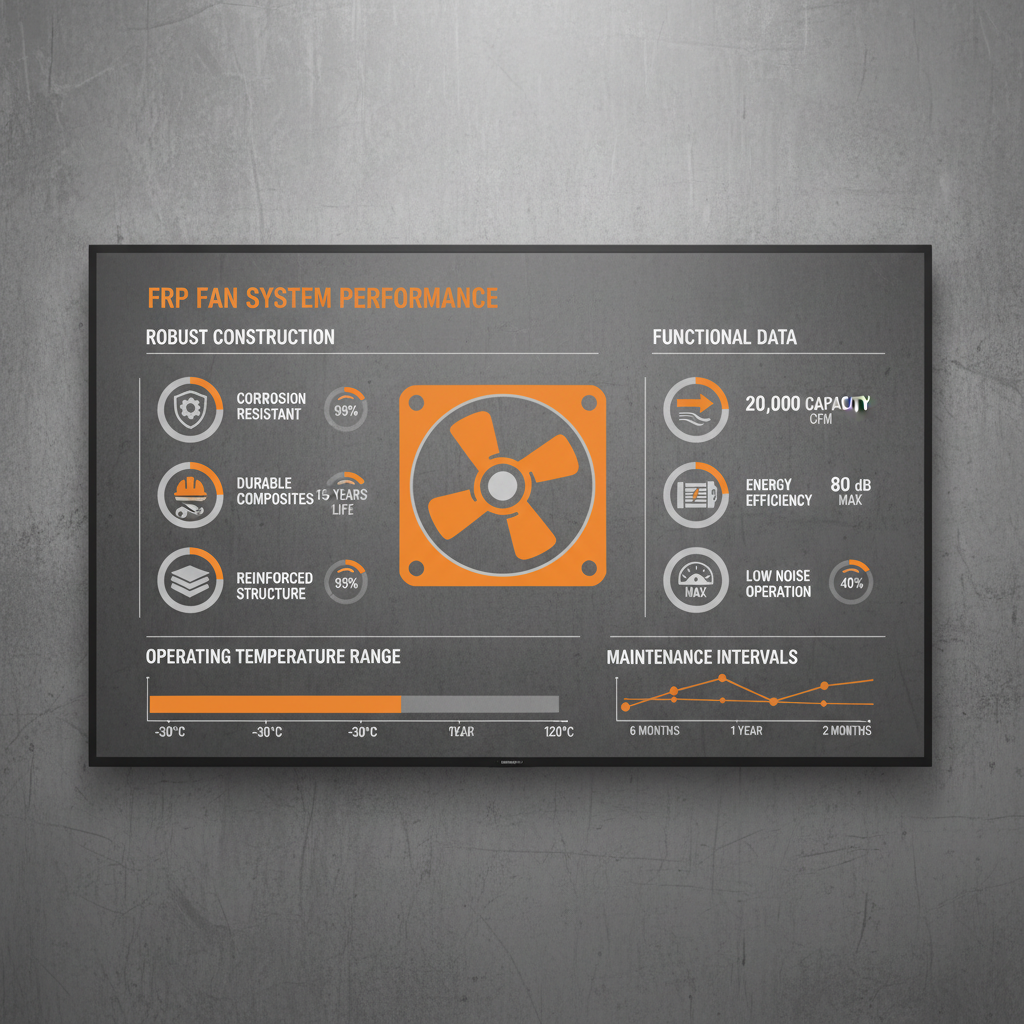
Evaluating the performance of an frp fan requires considering several key metrics, including airflow rate (CFM), static pressure, power consumption, and efficiency. The lightweight nature of FRP can result in improved fan efficiency compared to heavier metal fans, particularly in applications requiring high rotational speeds.
Comparative analysis reveals that frp fan systems demonstrate a consistently higher resistance to degradation in harsh environments, directly translating to reduced maintenance costs and extended operational life. A key performance indicator is the mean time between failures (MTBF), which is typically significantly higher for FRP fans compared to their metal counterparts.
Performance Comparison of frp fan Designs
Global Applications of frp fan
The applications of frp fan systems are incredibly diverse, spanning a multitude of industries. In chemical processing, they provide reliable ventilation in corrosive environments where metal fans would quickly fail. Wastewater treatment plants benefit from their resistance to moisture and harmful gases.
Marine environments pose unique challenges due to saltwater corrosion. frp fan systems are increasingly utilized on ships and offshore platforms for ventilation and cooling, offering a long-lasting and maintenance-free solution. Furthermore, they are finding growing application in power generation facilities, data centers, and food processing plants.
The Advantages of Utilizing frp fan
The primary advantage of utilizing an frp fan lies in its exceptional durability and corrosion resistance. This leads to significantly reduced maintenance costs and extended operational lifespan compared to traditional metal fans. Businesses experience a lower total cost of ownership over the long term.
Another key benefit is the lightweight nature of FRP, which simplifies installation and reduces structural support requirements. This can translate into significant savings in construction and engineering costs. The lower weight also contributes to improved energy efficiency in many applications.
Finally, the design flexibility of FRP allows for optimized aerodynamic performance and customized solutions tailored to specific application needs, enhancing overall system efficiency and effectiveness. This customization contributes to improved air quality and process control.
Future Trends in frp fan Development
Future trends in frp fan technology are focused on enhancing material properties, improving manufacturing processes, and integrating smart technologies. Research is underway to develop even more corrosion-resistant FRP resins and stronger reinforcing fibers.
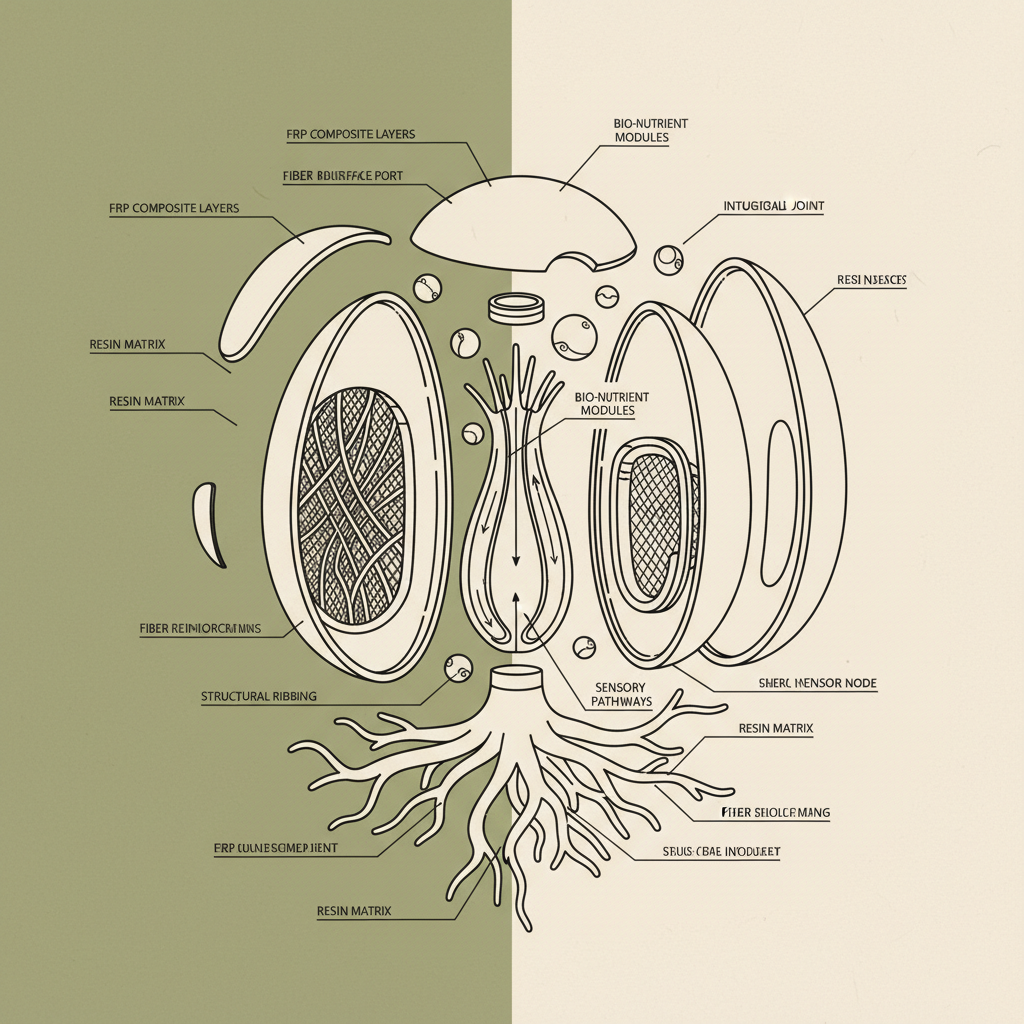
The integration of sensors and data analytics is also gaining traction, allowing for real-time monitoring of fan performance, predictive maintenance, and optimized energy consumption. Smart frp fan systems can proactively identify potential issues and prevent costly downtime.
Furthermore, advancements in 3D printing and additive manufacturing techniques are opening up new possibilities for creating complex and customized FRP fan components with greater precision and efficiency. Sustainable materials and manufacturing processes are also a growing focus.
Summary of Key Factors Influencing frp fan Selection
| Application Environment |
Corrosion Level |
Airflow Requirements |
Budget & Lifecycle Cost |
| Chemical Processing Plant |
High – Exposure to strong acids |
Medium – Consistent ventilation needed |
Medium – Prioritize long-term savings |
| Wastewater Treatment Facility |
Medium – Exposure to corrosive gases |
High – Frequent ventilation changes |
Low – Initial cost sensitive |
| Marine Offshore Platform |
Very High – Constant saltwater exposure |
Low – Minimal ventilation required |
High – Reliability and longevity critical |
| Food Processing Plant |
Low – Exposure to cleaning chemicals |
Medium – Maintain sanitary airflow |
Medium – Balance cost and performance |
| Data Center Cooling |
Very Low – Controlled indoor environment |
High – Consistent and efficient cooling |
High – Energy efficiency is paramount |
| Power Generation Facility |
Medium – Exposure to various pollutants |
High – Significant ventilation demands |
Medium – Reliability and maintenance costs crucial |
FAQS
The primary advantage is corrosion resistance. Steel fans rust and require regular maintenance like painting. frp fan components don't corrode, drastically reducing maintenance costs and downtime, especially in harsh environments. Additionally, FRP is significantly lighter, simplifying installation and potentially reducing energy consumption. Long-term cost savings and improved reliability make them a compelling alternative.
Generally, an frp fan will be significantly lighter than a steel fan of comparable size and airflow capacity – often 50-70% lighter. This weight reduction has several benefits. It simplifies installation, potentially reducing the need for heavy lifting equipment. It also minimizes the structural support required, and can reduce the load on the motor, improving energy efficiency.
frp fan systems excel in corrosive environments where traditional metal fans fail prematurely. This includes applications like chemical processing plants, wastewater treatment facilities, pulp and paper mills, marine environments (offshore platforms, ships), and any location with exposure to harsh chemicals, saltwater, or high humidity. They are also beneficial where weight reduction is critical.
While dependent on specific operating conditions, an frp fan typically has a significantly longer lifespan than a steel fan in corrosive environments. A well-maintained steel fan might last 5-10 years, while an FRP fan can easily exceed 15-20 years, and often much longer, with minimal maintenance. This longevity translates to substantial cost savings over the lifecycle of the fan.
Initially, frp fan systems can have a higher upfront cost compared to traditional steel fans. However, this higher initial investment is often offset by the significantly lower maintenance costs, extended lifespan, and improved energy efficiency over the long term. A comprehensive lifecycle cost analysis often reveals that FRP fans are more cost-effective overall.
The temperature resistance of an frp fan depends on the specific resin system used in its construction. While some FRP resins have limited high-temperature capabilities, specialized high-temperature resins are available that can withstand continuous operating temperatures of up to 200°C (392°F) or even higher. It’s crucial to select the appropriate resin for the intended application.
Conclusion
In summary, frp fan technology represents a significant advancement in ventilation systems, offering a compelling alternative to traditional metal fans. Their exceptional corrosion resistance, lightweight construction, design flexibility, and long lifespan deliver substantial benefits in a wide range of applications. From reducing maintenance costs and downtime to enhancing energy efficiency and process reliability, the advantages are clear.
Looking ahead, continued innovation in materials science and manufacturing processes will further enhance the performance and affordability of frp fan systems. Adopting this technology is not simply about replacing existing fans; it's about investing in a more sustainable, reliable, and cost-effective future. To learn more about how an frp fan can benefit your operations, visit our website: www.jrain-frp.com