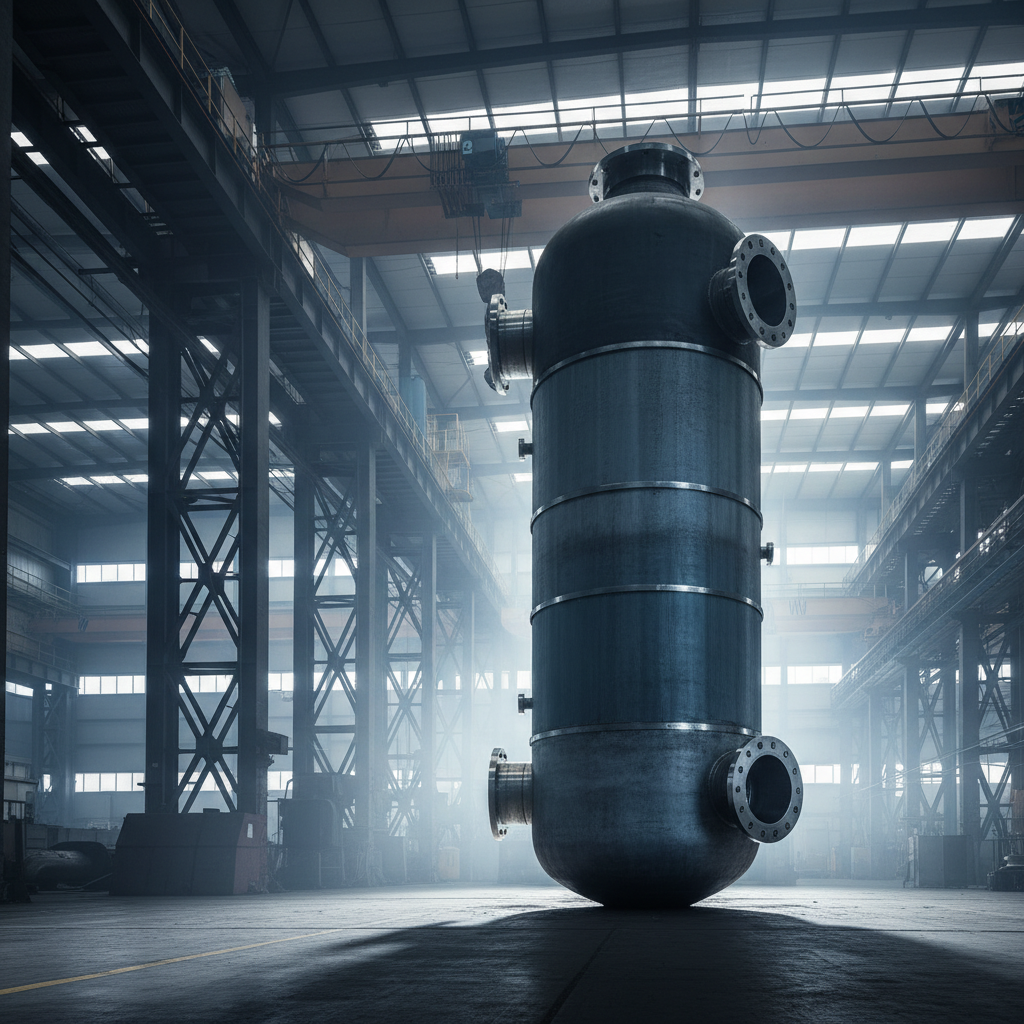
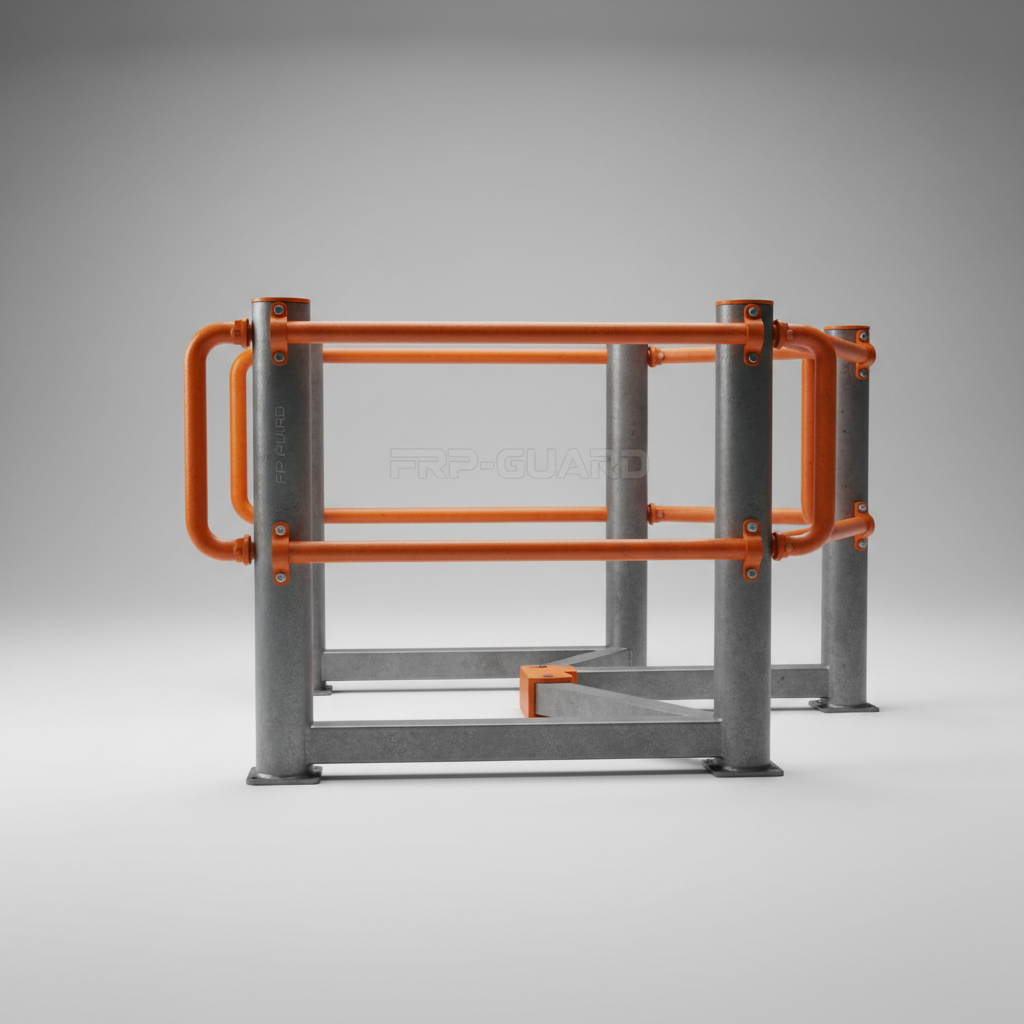
The field of fast-deployment structures, particularly those utilizing fiber-reinforced polymer (FRP) demister technology, is rapidly gaining prominence globally. These innovative solutions address critical needs in disaster relief, remote infrastructure development, and temporary housing, offering a compelling alternative to traditional construction methods. The increasing frequency and intensity of natural disasters, coupled with the growing demand for sustainable and efficient building solutions, fuels the expansion of the frp demister market.
frp demister systems represent a paradigm shift in how we approach temporary and semi-permanent infrastructure. They offer unparalleled speed of deployment, requiring significantly less on-site labor and minimizing disruption to existing environments. This is particularly crucial in emergency situations where swift action can save lives and alleviate suffering. The cost-effectiveness, combined with durability, makes frp demister a viable option for a wide range of applications.
Understanding the principles behind frp demister, its diverse applications, and its potential for future innovation is therefore paramount. From humanitarian aid to industrial projects, its unique characteristics offer advantages over conventional building technologies, driving a growing demand for expertise and adoption worldwide. frp demister solutions are rapidly changing the landscape of infrastructure development.
Introduction to frp demister
frp demister technologies represent a significant advancement in rapid deployment infrastructure. Utilizing fiber-reinforced polymers, these systems offer a unique combination of strength, lightweight construction, and ease of assembly. This makes them ideal for a variety of applications where speed and efficiency are critical. frp demister is revolutionizing temporary shelter.
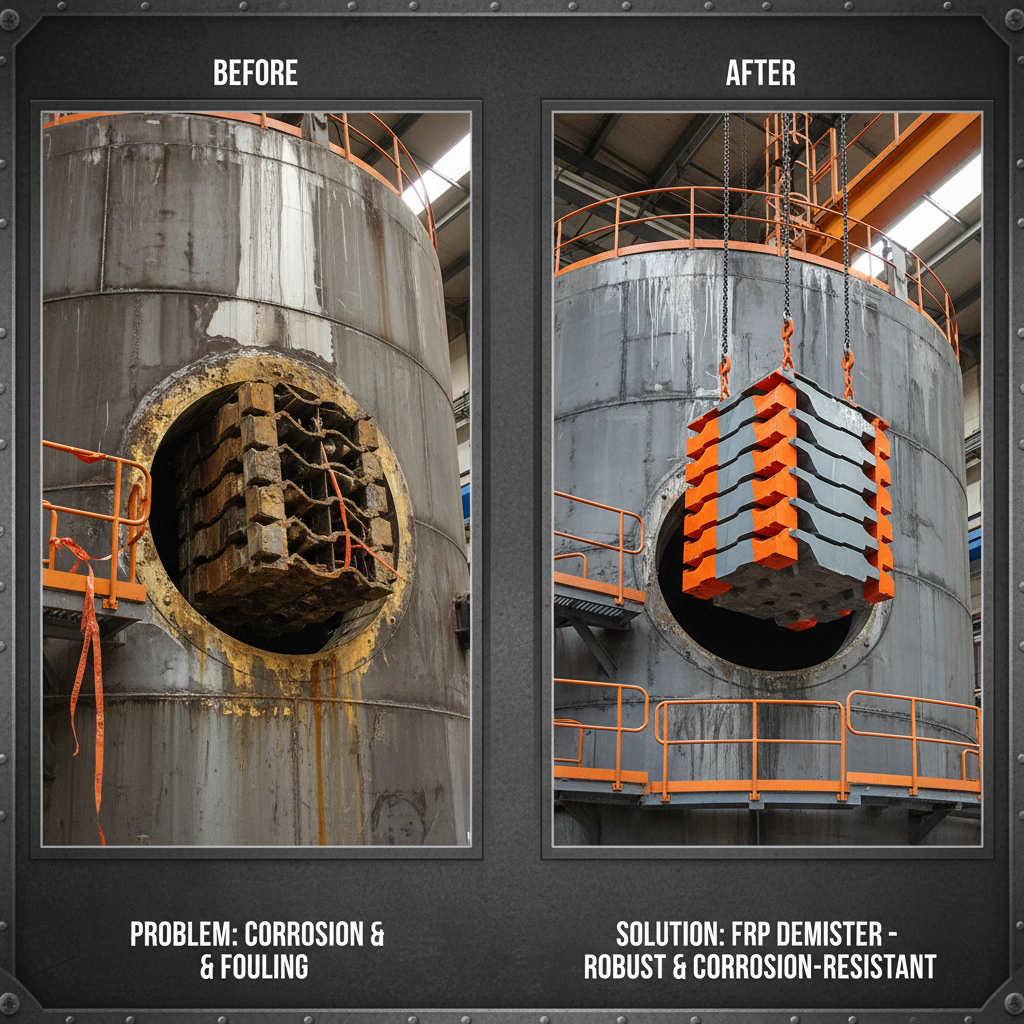
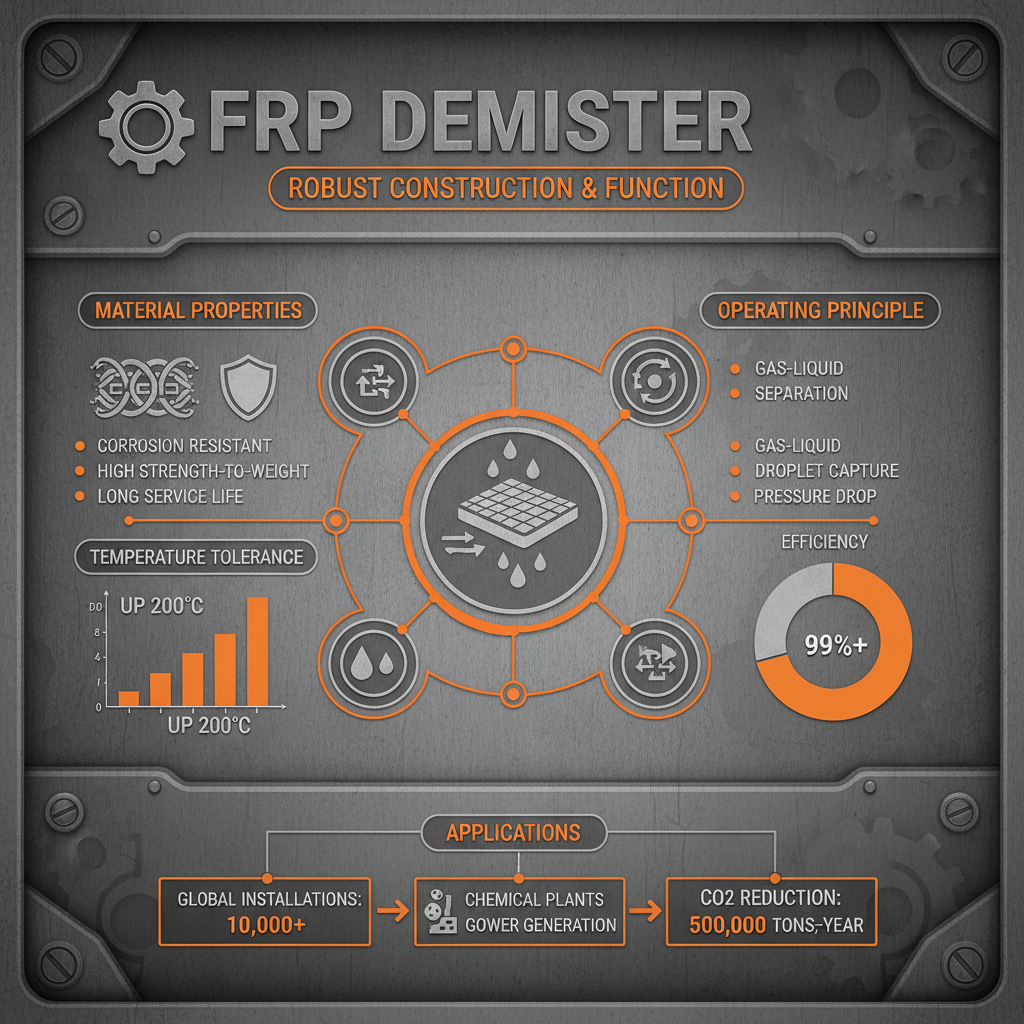
The core principle behind frp demister lies in the composite material itself – a matrix of resin reinforced with fibers like glass, carbon, or aramid. This creates a structure that is incredibly strong for its weight, resistant to corrosion, and can be molded into complex shapes. The resulting modules are easily transportable and can be rapidly assembled on-site, minimizing construction time and costs.
Global Relevance and Challenges
The global need for rapid and effective infrastructure solutions is increasing due to several converging factors. These include a rising frequency of natural disasters exacerbated by climate change, rapid urbanization in developing countries, and the need for efficient solutions in remote or challenging environments. According to the United Nations, the number of people displaced by disasters has been steadily increasing, highlighting the critical need for readily deployable shelter.
However, significant challenges remain. These include ensuring consistent quality control in manufacturing, navigating complex international regulations for transport and deployment, and addressing the long-term sustainability of the materials used. Furthermore, a lack of standardized protocols for installation and maintenance can hinder widespread adoption of frp demister solutions.
The World Bank estimates that investing in disaster resilience can yield significant economic benefits, and frp demister is poised to play a crucial role in building that resilience globally. Furthermore, ISO standards are evolving to incorporate considerations for prefabricated and modular construction, offering a pathway for greater acceptance and standardization of frp demister technologies.
Defining frp demister Technology
At its core, frp demister technology involves utilizing prefabricated modules constructed from fiber-reinforced polymer composites. These modules are designed for rapid assembly, creating structures suitable for housing, healthcare facilities, schools, or industrial applications. The term "demister" refers to the quick and efficient process of putting the structure together.
This technology is directly linked to modern industry needs – particularly in sectors requiring fast-track construction, remote operations, or environmentally conscious building practices. It addresses the limitations of traditional construction methods which can be time-consuming, labor-intensive, and generate significant waste. The integration of smart technologies within the frp structure further enhances its functionality and utility.
Unlike conventional construction, frp demister minimizes on-site construction time, reduces the need for skilled labor, and offers a lower environmental footprint. Its lightweight nature translates to lower transportation costs and easier handling in challenging terrains. frp demister offers a more sustainable and efficient building process.
Key Components of frp demister Systems
The efficacy of frp demister systems relies on several critical components working in synergy. These include the high-performance FRP panels themselves, the modular connection system, the internal framing (if required for structural support), and the integrated components such as windows, doors, and electrical/plumbing systems.
These components must be carefully engineered to ensure structural integrity, weather resistance, and ease of assembly. The connection system is particularly crucial, allowing for quick and secure joining of modules without specialized tools or expertise.
Comparative Analysis of frp demister Methods
Applications Across Industries
The versatility of frp demister lends itself to a broad range of applications. In disaster relief, it provides rapid shelter solutions for displaced populations. In the mining and oil & gas industries, it creates temporary housing and site offices in remote locations. Furthermore, it's finding applications in the construction of temporary hospitals, schools, and emergency command centers.
In post-disaster relief operations following hurricanes in the Caribbean, frp demister modules have been rapidly deployed to provide immediate shelter and medical facilities. In remote industrial zones in Canada, they've been utilized to construct worker accommodations, minimizing the environmental impact and reducing construction timelines. frp demister provides tailored infrastructure.
Advantages and Long-Term Value
The benefits of using frp demister are multi-faceted. Cost-effectiveness is a key advantage, due to reduced labor costs, faster construction times, and lower transportation expenses. Sustainability is another compelling factor, as FRP materials can be sourced responsibly and often have a longer lifespan than traditional building materials.
Beyond the tangible benefits, frp demister provides social and emotional value by offering safe, dignified shelter in times of crisis. It inspires innovation in the construction industry and builds trust among stakeholders by delivering reliable and efficient solutions. The long-term resilience and adaptability of these structures provide lasting value for communities in need.
Future Trends and Innovations
The future of frp demister is bright, with ongoing innovations focused on enhancing material performance, integrating smart technologies, and improving sustainability. Research is underway to develop bio-based FRP materials, reducing reliance on fossil fuels and minimizing environmental impact. The integration of IoT sensors and data analytics will enable real-time monitoring of structural integrity and environmental conditions.
Furthermore, advancements in digital fabrication and 3D printing are poised to revolutionize the manufacturing process, enabling customized designs and on-demand production. These trends are aligned with broader global initiatives focused on green energy, digital transformation, and sustainable development. The role of frp demister is pivotal in enabling these advancements.
Automation in the assembly process is also gaining traction, further reducing labor costs and improving construction speed. This, combined with advancements in modular design, promises to make frp demister solutions even more accessible and adaptable to a wider range of applications.
FAQS
frp demister offers significant advantages in speed of deployment, cost-effectiveness, and environmental sustainability. Traditional construction often requires lengthy on-site work, skilled labor, and generates substantial waste. frp demister reduces these factors, offering a quicker, more affordable, and eco-friendly solution. The lightweight nature of the materials also lowers transportation costs and simplifies logistics.
FRP materials are inherently resistant to corrosion, weathering, and UV degradation, making frp demister structures highly durable in harsh climates. They can withstand high winds, heavy rainfall, and extreme temperatures. Properly designed and maintained frp demister structures are engineered to meet or exceed relevant building codes and standards, ensuring long-term structural integrity.
The lifespan of a frp demister structure varies depending on the materials used, the design, and the environmental conditions. However, with proper maintenance, these structures can last for 20-50 years or even longer. Unlike traditional materials, FRP is not susceptible to rust or rot, contributing to its longevity.
Yes, frp demister is considered environmentally friendly for several reasons. The materials are lightweight, reducing transportation emissions. The manufacturing process generates less waste compared to traditional construction. Furthermore, FRP materials can be recycled, and ongoing research is focused on developing bio-based FRP options for even greater sustainability.
Logistical challenges can include transportation to remote locations, ensuring proper site preparation, and coordinating skilled labor for assembly. However, the lightweight and modular nature of frp demister structures mitigates many of these challenges. Careful planning and coordination are essential to ensure a smooth and efficient deployment process.
While the initial material cost of FRP can be higher than some traditional materials, the overall cost of frp demister construction is often lower due to reduced labor requirements, faster construction times, and lower transportation expenses. Furthermore, the long-term durability and low maintenance requirements contribute to significant cost savings over the lifespan of the structure.
Conclusion
frp demister represents a transformative approach to infrastructure development, offering a compelling combination of speed, cost-effectiveness, durability, and sustainability. Its ability to address critical needs in disaster relief, remote operations, and affordable housing makes it an increasingly vital solution in a rapidly changing world. The technology’s adaptability allows for customized solutions catering to unique project requirements.
Looking ahead, continued innovation in materials, design, and manufacturing will further enhance the capabilities of frp demister, driving wider adoption across diverse industries. Embracing these technologies is crucial for building a more resilient and sustainable future. For more information on how frp demister can benefit your project, visit our website today.