0%

Table of Contents

Fiber Reinforced Polymer (FRP) handrails are rapidly gaining prominence as a superior alternative to traditional materials like steel, aluminum, and wood in a diverse range of applications. Their unique combination of high strength, lightweight properties, and exceptional corrosion resistance makes them ideal for challenging environments and long-term durability. Understanding the benefits and applications of frp handrail is crucial for engineers, architects, and project managers seeking reliable and cost-effective safety solutions.

Globally, the demand for robust and low-maintenance infrastructure is steadily increasing, driven by factors like aging infrastructure, stricter safety regulations, and a growing awareness of lifecycle costs. FRP handrails address these challenges directly by providing a solution that minimizes maintenance, reduces replacement frequency, and enhances safety for workers and the public. Estimates suggest a significant global market expansion for composite materials in construction, with frp handrail playing a key role.

The increasing frequency of extreme weather events and the need for resilient infrastructure further underscore the importance of frp handrail. Unlike traditional materials susceptible to corrosion and degradation, FRP handrails maintain their structural integrity even in harsh conditions, ensuring long-term safety and reliability. This makes them increasingly critical in coastal areas, industrial facilities, and regions prone to natural disasters.
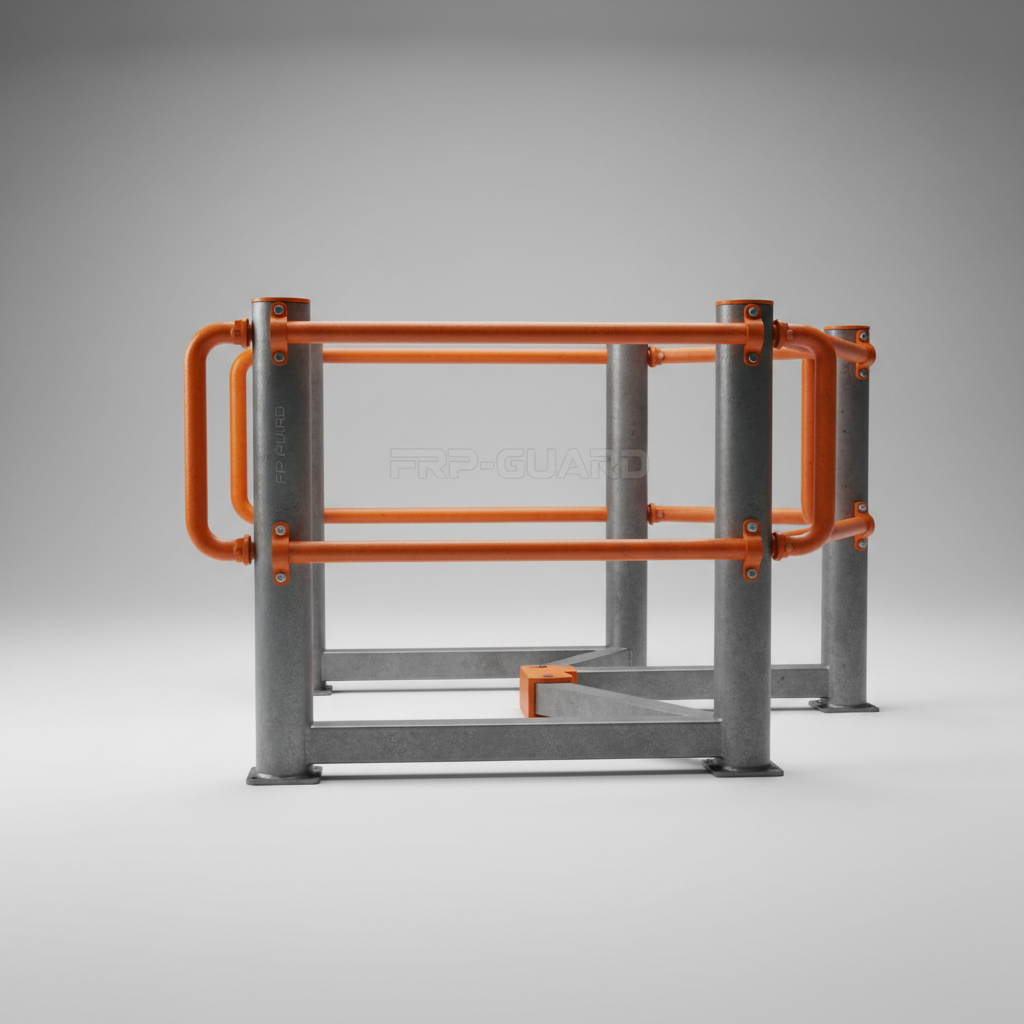
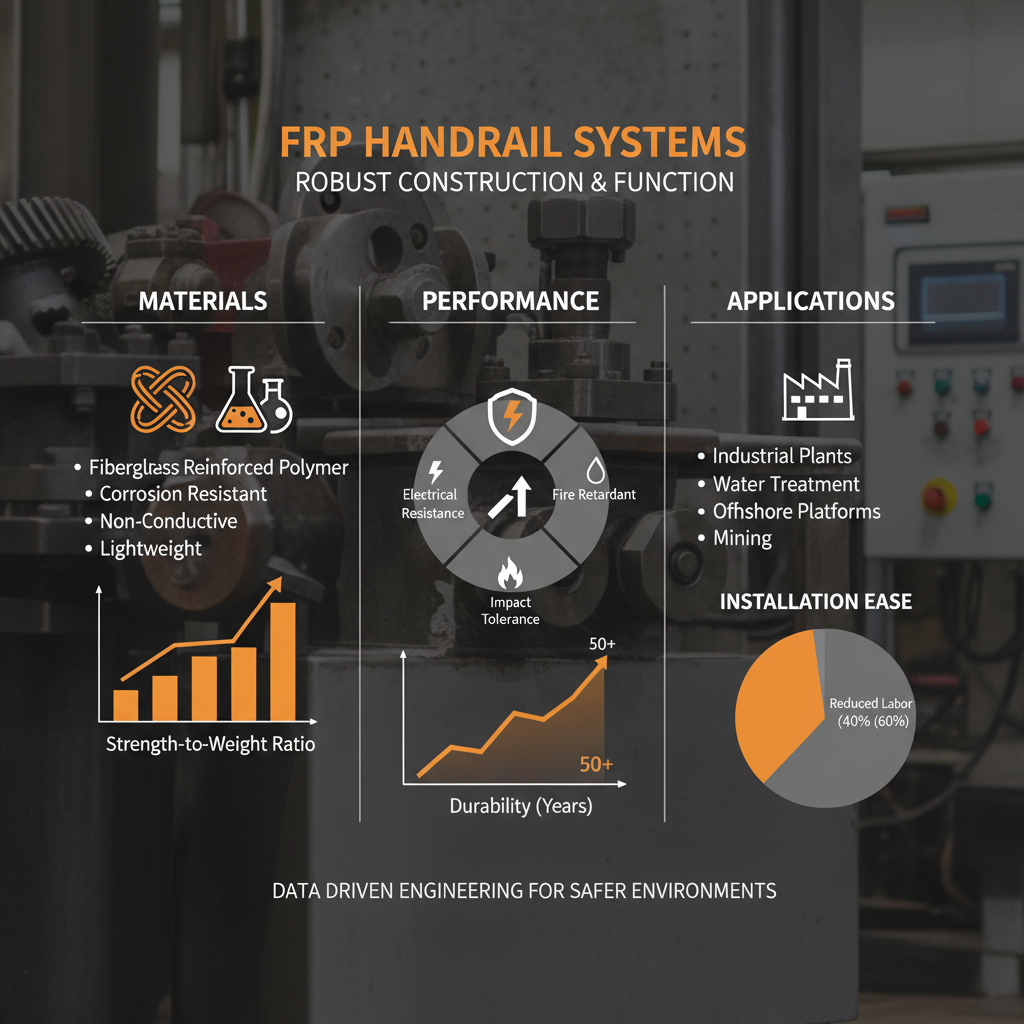
Superior FRP Handrail Solutions for Enhanced Safety and Durability

Introduction to frp handrail

Superior FRP Handrail Solutions for Enhanced Safety and Durability

FRP handrails are structural components primarily used for providing safety and support in various environments. They are manufactured using fiber-reinforced polymer composites, which combine the strength of fibers (such as glass, carbon, or aramid) with the durability of a resin matrix (typically polyester, vinyl ester, or epoxy). This creates a material that offers exceptional performance characteristics.

The application of frp handrail spans across diverse sectors, from industrial facilities and marine environments to commercial buildings and public infrastructure. Their increasing adoption reflects a growing need for materials that are not only strong and reliable but also resistant to corrosion, weathering, and the demanding conditions often encountered in real-world scenarios.

Defining frp handrail

At its core, an frp handrail is a safety barrier constructed from Fiber Reinforced Polymer composites. Unlike traditional metal handrails, FRP handrails don't rely on protective coatings to resist corrosion; the resistance is inherent to the material itself. This makes them particularly valuable in environments exposed to saltwater, chemicals, or harsh weather.

The construction of an frp handrail typically involves pultrusion, molding, or filament winding processes, resulting in profiles and components tailored to specific applications. These systems often include posts, rails, fittings, and accessories designed for easy assembly and customization.

Modern frp handrail systems represent a critical advancement in safety infrastructure, offering a compelling alternative to traditional materials. They address long-standing concerns about maintenance, longevity, and lifecycle costs, making them increasingly favored in both new construction and retrofit projects.

Core Components of frp handrail

The effectiveness of an frp handrail system hinges on the quality and integration of its key components. The primary element is the FRP profile itself, often pultruded into various shapes to serve as rails, posts, and intermediate supports. The type of fiber (glass, carbon, aramid) and resin (polyester, vinyl ester, epoxy) significantly impact the handrail's strength, stiffness, and chemical resistance.

Equally crucial are the fittings and connectors used to join the FRP components. These are typically made from FRP or stainless steel to ensure compatibility and prevent galvanic corrosion. Properly designed fittings are essential for maintaining the structural integrity of the handrail system.

Finally, the surface finish and any applied coatings contribute to the handrail’s durability and aesthetic appeal. UV-resistant coatings are often used to protect the resin from degradation caused by sunlight exposure, extending the lifespan of the frp handrail.

Key Attributes of frp handrail

One of the most significant attributes of frp handrail is its exceptional corrosion resistance. Unlike steel, which rusts when exposed to moisture and chemicals, FRP is inherently immune to corrosion, reducing maintenance costs and ensuring long-term reliability.

FRP handrails also boast a high strength-to-weight ratio, meaning they provide comparable strength to steel while being significantly lighter. This simplifies installation, reduces support requirements, and minimizes transportation costs.

Comparative Strength Attributes of Different frp handrail Methods


Global Applications of frp handrail

frp handrail finds extensive application in marine environments, protecting docks, piers, and offshore platforms from the corrosive effects of saltwater. Its durability and low maintenance make it a cost-effective solution for these challenging conditions.

In industrial facilities, such as chemical plants and wastewater treatment facilities, frp handrail provides a safe and reliable barrier around walkways, platforms, and equipment, protecting personnel from hazards. The inherent chemical resistance of FRP is critical in these environments.

Advantages of frp handrail

The tangible benefits of implementing frp handrail extend far beyond initial cost considerations. Reduced lifecycle costs, stemming from minimal maintenance and extended service life, provide substantial long-term savings. FRP handrails eliminate the need for frequent painting, repairs, and replacements associated with traditional materials.

From a sustainability perspective, frp handrail contributes to reduced waste and lower environmental impact. The long lifespan minimizes the need for material replacement, and many FRP products can be recycled. Moreover, the lightweight nature of FRP reduces transportation costs and energy consumption.

Future Trends in frp handrail

Ongoing research and development efforts are focused on enhancing the performance characteristics of FRP materials, including increased strength, improved fire resistance, and enhanced UV stability. Nanotechnology is being explored to further improve the mechanical properties and durability of frp handrail.

The integration of smart technologies, such as sensors embedded within the FRP structure, is a promising area of innovation. These sensors can monitor structural health, detect corrosion, and provide real-time data for predictive maintenance, further extending the lifespan and reliability of frp handrail systems.

The drive towards circular economy principles is also influencing the development of more recyclable and sustainable FRP composites. Manufacturers are actively exploring bio-based resins and innovative recycling processes to minimize environmental impact.

FAQS

What are the primary cost differences between frp handrail and traditional steel handrails?

While the initial material cost of frp handrail can be higher than steel, the overall lifecycle cost is often significantly lower. Steel requires regular maintenance, painting, and eventual replacement due to corrosion. FRP handrails require minimal maintenance, eliminating these costs over their extended lifespan. Installation costs can also be reduced due to the lighter weight of FRP, and reduced labor requirements.

Can frp handrail be used in high-temperature environments?

The temperature resistance of frp handrail depends on the specific resin used in its construction. Polyester resins have limited temperature resistance, while vinyl ester and epoxy resins offer better performance. For applications involving prolonged exposure to high temperatures, specialized resins and reinforcement materials are available to enhance heat resistance. It’s essential to specify the appropriate FRP composition for the intended operating environment.

How does frp handrail perform in seismic zones?

FRP handrails possess excellent seismic performance due to their high strength-to-weight ratio and flexibility. They can absorb energy during seismic events, reducing the risk of brittle failure. Properly designed and installed frp handrail systems can withstand significant ground motion and maintain their structural integrity, offering a safe barrier in earthquake-prone regions.

What are the fire resistance characteristics of frp handrail?

Standard FRP materials are combustible. However, fire-retardant additives can be incorporated into the resin matrix to improve fire resistance. These additives reduce the flame spread and smoke generation of the FRP material. For applications requiring stringent fire safety standards, specialized fire-rated FRP handrail systems are available.

Is frp handrail environmentally friendly?

Compared to traditional materials, frp handrail offers several environmental benefits. Its long lifespan reduces the need for frequent replacements, minimizing waste. FRP’s corrosion resistance eliminates the need for harmful coatings and paints. Furthermore, ongoing research is focused on developing bio-based resins and recyclable FRP composites, enhancing its sustainability profile.

What types of fibers are commonly used in frp handrail construction?

The most common fibers used in frp handrail are fiberglass (glass fiber reinforced polymer), carbon fiber, and aramid fiber. Fiberglass is the most cost-effective option, offering good strength and corrosion resistance. Carbon fiber provides superior strength and stiffness but is more expensive. Aramid fiber offers high impact resistance and is often used in specialized applications.

Conclusion

In conclusion, frp handrail represents a significant advancement in safety infrastructure, offering a compelling combination of durability, corrosion resistance, low maintenance, and cost-effectiveness. Its versatility allows for application across a broad spectrum of industries and environments, contributing to safer and more sustainable infrastructure worldwide. The ability of frp handrail to withstand harsh conditions while minimizing long-term costs makes it a superior choice compared to traditional materials.

Looking ahead, continued innovation in materials science and manufacturing processes will further enhance the performance and sustainability of frp handrail. Investing in FRP handrail solutions is not merely a short-term fix but a strategic long-term investment that yields significant benefits for both public safety and economic efficiency. For more information and to explore our range of frp handrail products, visit our website: www.jrain-frp.com


Christopher Brown

Christopher Brown

Christopher Brown is a Sales Engineer at Jrain FRP, focused on developing and maintaining relationships with key accounts in the North American market. He provides technical support and guidance to customers, helping them identify the optimal FRP solutions for their challenges. Christopher is knowledgeable about a broad range of FRP
Previous Advancing Infrastructure Solutions with Innovative frp settler Systems
Next Exploring the Advantages and Applications of FRP Ladder Technology