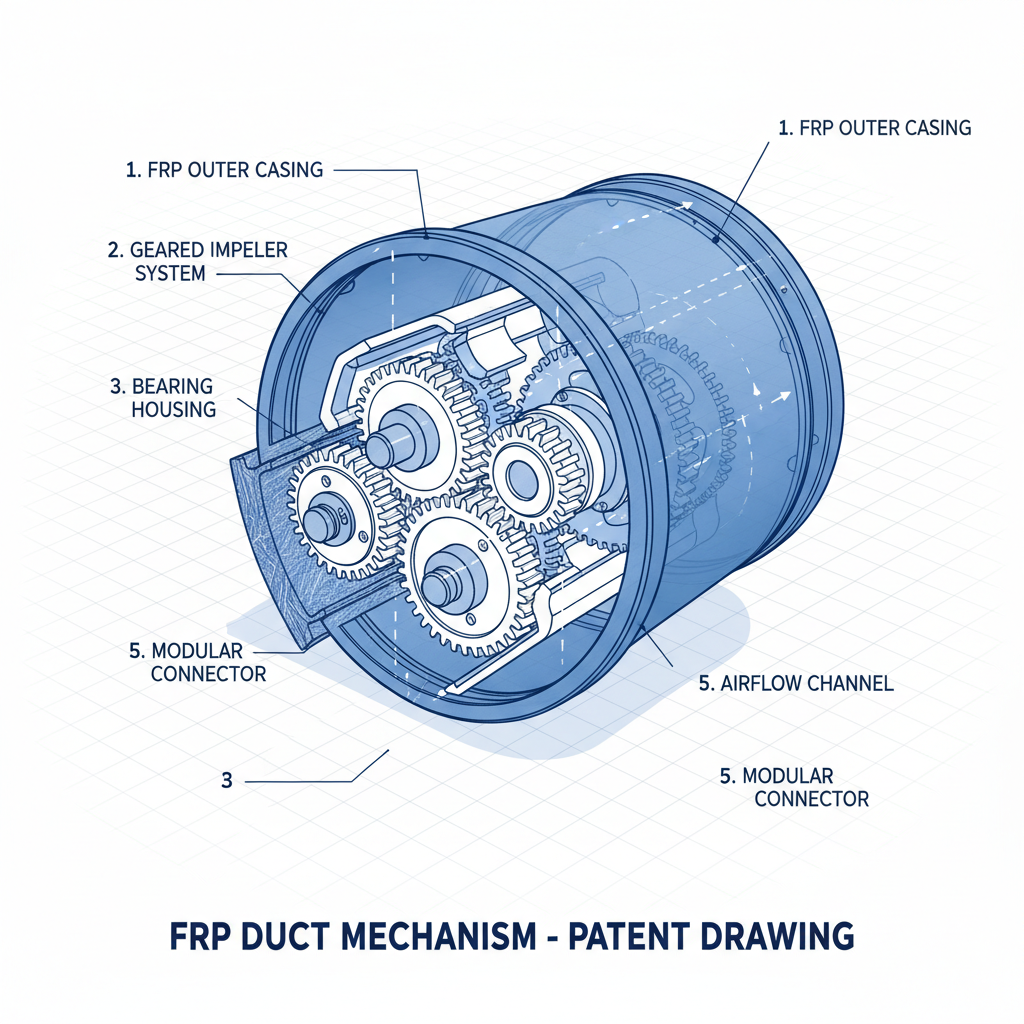
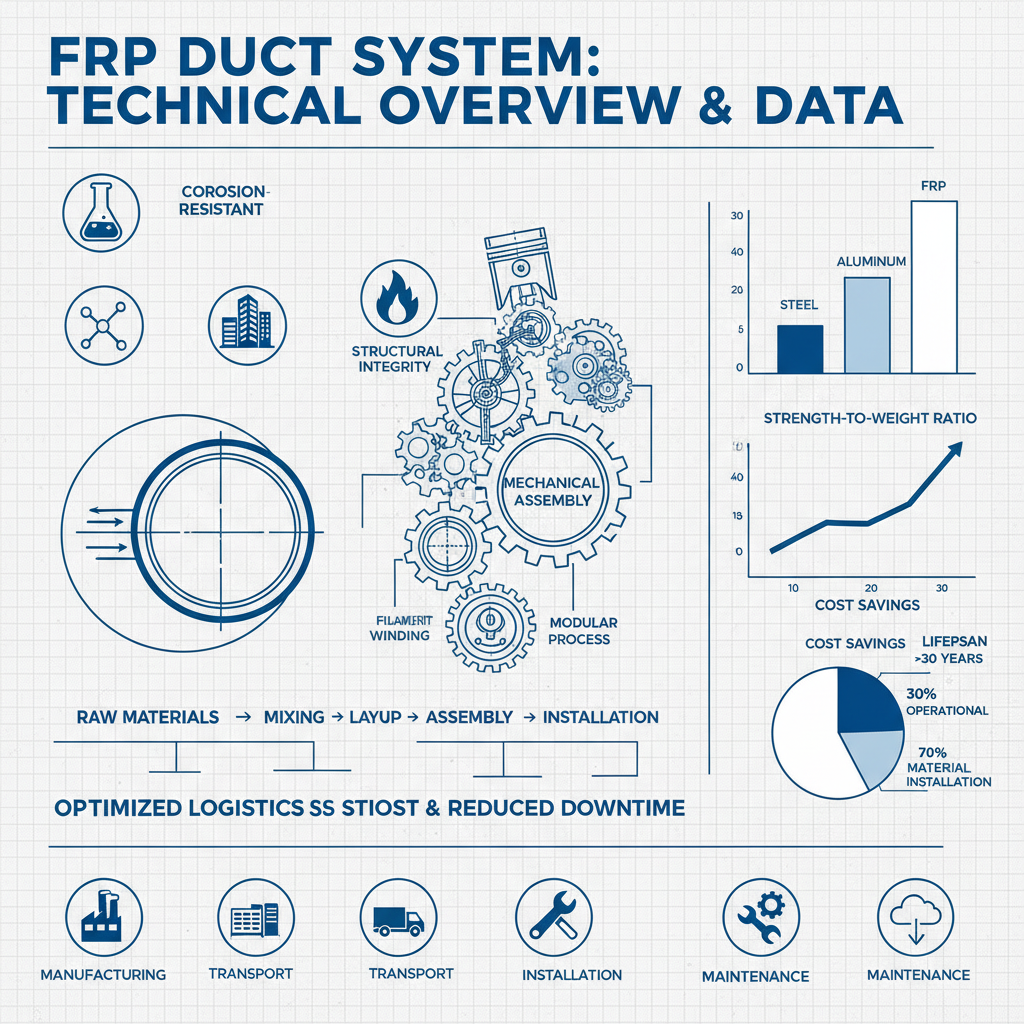
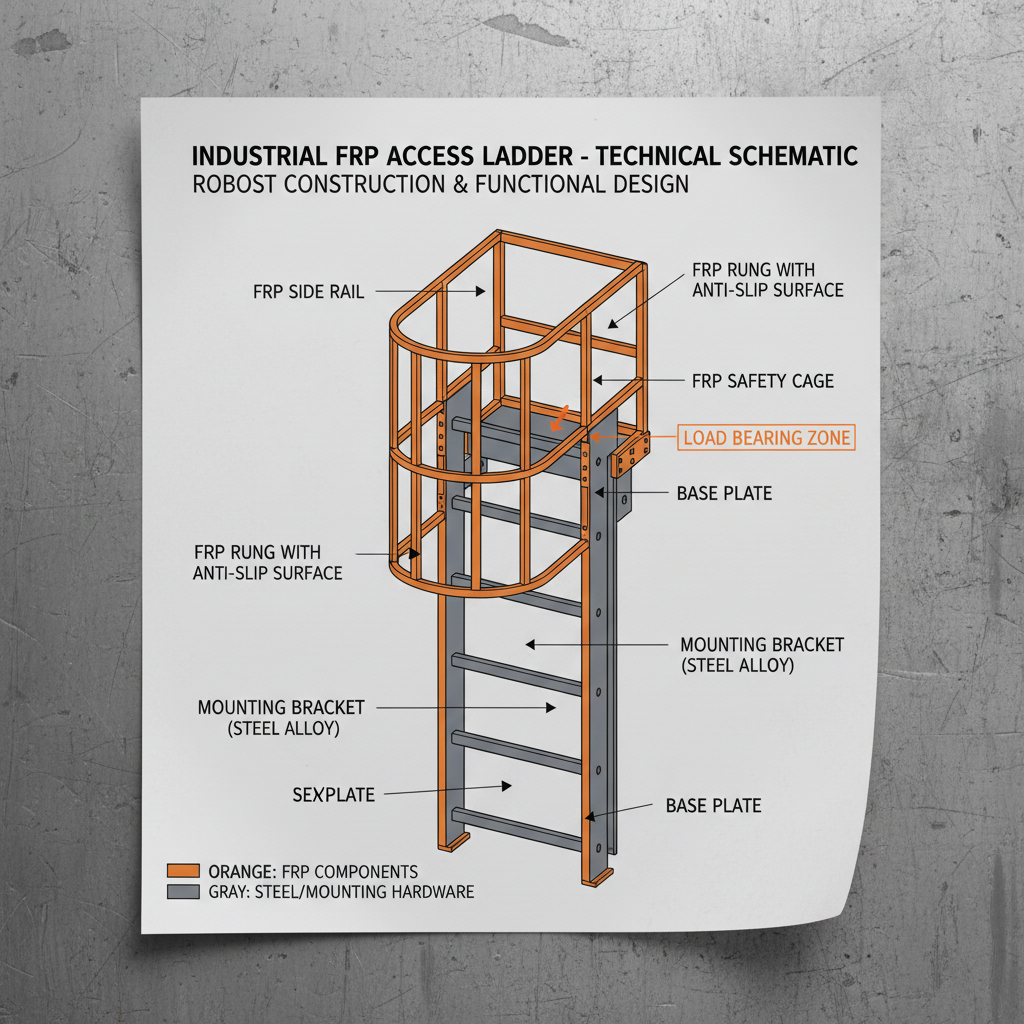
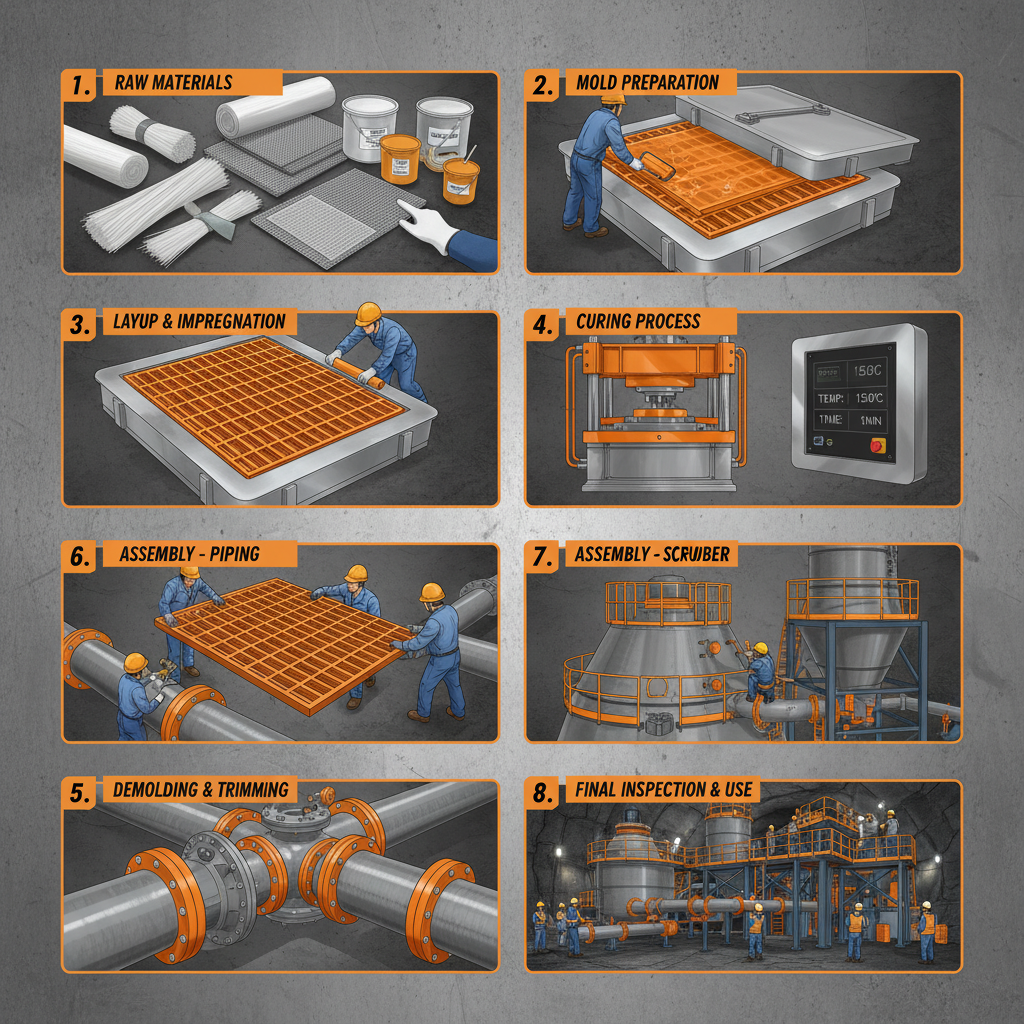
frp duct, or fiber-reinforced polymer duct, is rapidly becoming a cornerstone in modern infrastructure and industrial applications. Its unique blend of lightweight properties, exceptional corrosion resistance, and design flexibility makes it a superior alternative to traditional materials like concrete, steel, and PVC in a growing number of scenarios. Understanding the benefits and potential of frp duct is crucial for engineers, project managers, and anyone involved in building or maintaining durable and efficient systems.
Globally, the demand for robust and sustainable infrastructure is increasing exponentially. The World Bank estimates trillions of dollars will be needed in infrastructure investment by 2050, particularly in emerging economies. Traditional materials often fall short in these demanding environments due to their susceptibility to corrosion, high maintenance costs, and limited lifespan. frp duct offers a compelling solution, reducing lifecycle costs and ensuring long-term performance.
The application of frp duct spans diverse industries, from chemical processing and wastewater treatment to HVAC systems and power generation. Its ability to handle harsh chemicals, extreme temperatures, and challenging environmental conditions makes it invaluable where reliability and longevity are paramount. As industries seek to reduce their environmental footprint and improve operational efficiency, the adoption of frp duct is poised for significant growth.
Introduction to frp duct
frp duct represents a significant advancement in materials science, offering a durable and cost-effective solution for a wide array of fluid and gas conveyance applications. Its composition, typically consisting of glass fibers, carbon fibers, or aramid fibers embedded in a resin matrix, provides exceptional strength-to-weight ratio and resistance to chemical attack.
The increasing demand for high-performance materials, coupled with stricter environmental regulations, has fueled the growth of the frp duct market. Industries are actively seeking alternatives to traditional materials that minimize corrosion, reduce maintenance requirements, and extend service life, making frp duct a compelling choice for numerous projects.
Defining frp duct and Its Relevance
frp duct is fundamentally a composite material designed to transport fluids and gases. Unlike traditional metal ducts, which are susceptible to corrosion, or concrete ducts, which can be heavy and prone to cracking, frp duct combines the best of both worlds – strength and lightness, durability and flexibility. This makes it uniquely suited for applications where harsh conditions or long-term reliability are critical.
Its relevance extends beyond simple transportation; frp duct plays a vital role in ensuring process integrity in chemical plants, maintaining air quality in HVAC systems, and providing safe and efficient wastewater conveyance. The growing focus on sustainability and reduced lifecycle costs is also driving the adoption of frp duct as a responsible and environmentally conscious material choice.
In essence, frp duct isn't just a pipe; it's an engineered solution that addresses fundamental challenges in infrastructure, process engineering, and environmental protection, offering a pathway towards more resilient and sustainable systems.
Key Characteristics of frp duct
One of the defining characteristics of frp duct is its exceptional corrosion resistance. The resin matrix protects the reinforcing fibers from exposure to harsh chemicals, acids, and alkalis, ensuring long-term performance even in the most aggressive environments. This property drastically reduces maintenance costs and extends the service life of the ductwork.
Another key advantage is the lightweight nature of frp duct. Compared to steel or concrete, frp duct is significantly lighter, reducing installation costs, simplifying handling, and minimizing structural support requirements. This characteristic is particularly beneficial in retrofit projects or applications where weight is a critical factor.
The design flexibility of frp duct is also noteworthy. It can be easily molded into complex shapes and customized to meet specific project requirements. This allows for optimized flow dynamics and efficient integration into existing systems. Furthermore, frp duct exhibits high strength-to-weight ratios, providing robust performance with minimal material usage.
Applications of frp duct Across Industries
The chemical processing industry is a major beneficiary of frp duct technology. Its resistance to corrosive chemicals makes it ideal for transporting acids, solvents, and other aggressive fluids. Similarly, in wastewater treatment plants, frp duct handles corrosive effluents with ease, preventing leaks and environmental contamination.
HVAC systems are also increasingly adopting frp duct for air handling and ventilation. Its lightweight and non-corrosive properties reduce energy consumption and improve indoor air quality. In power generation plants, frp duct is used for cooling water intake and discharge, ensuring reliable operation and minimizing environmental impact.
frp duct Performance Comparison by Application
Advantages and Long-Term Value Proposition
The tangible benefits of frp duct extend far beyond initial cost savings. Reduced maintenance requirements, thanks to its corrosion resistance, translate to significant cost reductions over the lifecycle of the system. Furthermore, the lightweight nature of frp duct simplifies installation, lowering labor costs and reducing project timelines.
From a sustainability perspective, frp duct contributes to a smaller environmental footprint. Its long service life minimizes the need for frequent replacements, reducing waste and conserving resources. Its inherent resistance to degradation also eliminates the risk of leaks and spills, protecting surrounding ecosystems.
Future Trends and Innovations in frp duct
Ongoing research and development are focused on enhancing the performance and versatility of frp duct. New resin formulations are being developed to improve chemical resistance, increase temperature tolerance, and enhance mechanical properties. The integration of smart sensors into frp duct systems allows for real-time monitoring of corrosion, stress, and other critical parameters, enabling predictive maintenance and preventing catastrophic failures.
The adoption of advanced manufacturing techniques, such as automated fiber placement and 3D printing, is also driving innovation in frp duct production. These technologies enable the creation of complex geometries and customized designs, further expanding the range of applications for this versatile material.
Challenges and Solutions for frp duct Implementation
Despite its many advantages, the implementation of frp duct can present certain challenges. Initial material costs can be higher than traditional materials, although this is often offset by reduced lifecycle costs. Proper installation techniques are crucial to ensure long-term performance, requiring specialized training and expertise.
To address these challenges, industry organizations are developing standardized installation guidelines and training programs. Collaboration between material manufacturers, engineers, and installers is essential to ensure successful implementation. Furthermore, continued research and development are focused on reducing material costs and simplifying installation procedures.
Addressing concerns about long-term durability and compatibility with existing systems through rigorous testing and certification is also paramount to widespread adoption of frp duct.
Summary of Common frp duct Implementation Challenges and Solutions
| Challenge |
Impact on Project |
Solution |
Implementation Cost (1-10) |
| High Initial Material Cost |
Increased Project Budget |
Lifecycle Cost Analysis, Value Engineering |
6 |
| Lack of Skilled Installers |
Poor Installation Quality |
Specialized Training Programs, Certification |
7 |
| Compatibility with Existing Systems |
Integration Challenges |
Detailed Interface Design, Compatibility Testing |
5 |
| Long-Term Durability Concerns |
Perceived Risk, Limited Data |
Accelerated Aging Tests, Field Monitoring |
8 |
| Limited Design Standards |
Engineering Complexity |
Industry Collaboration, Standard Development |
4 |
| Transportation and Handling |
Potential for Damage |
Proper Packaging, Careful Handling Procedures |
3 |
FAQs
frp duct offers significant advantages over metal ducts, including superior corrosion resistance, a lighter weight, and greater design flexibility. This translates to reduced maintenance costs, easier installation, and extended service life, particularly in harsh environments. Metal ducts are prone to corrosion, requiring regular maintenance and eventual replacement, while frp duct maintains its integrity for decades.
The performance of frp duct in high-temperature applications depends on the specific resin system used. Certain resin formulations are designed to withstand temperatures up to 200°C (392°F) or even higher. However, it's crucial to select a resin appropriate for the operating temperature and consult with a frp duct specialist to ensure compatibility and long-term reliability. Always verify temperature limitations with the manufacturer.
While many frp duct materials are chemically inert, it's essential to ensure that the specific resin system used is certified for potable water contact. NSF/ANSI Standard 61 certification is a key indicator of suitability. Always verify that the frp duct meets relevant drinking water regulations before using it in potable water applications to ensure public health and safety.
The lifespan of an frp duct system can exceed 50 years, depending on the application and environmental conditions. Its resistance to corrosion and degradation significantly extends its service life compared to traditional materials. Regular inspections and adherence to proper installation guidelines are crucial for maximizing longevity and ensuring continued performance. Properly maintained systems can offer decades of reliable service.
The initial material cost of frp duct may be higher than steel or concrete. However, when considering lifecycle costs, frp duct often proves more economical. Reduced maintenance, longer service life, and lower installation costs can offset the initial investment. A comprehensive lifecycle cost analysis should be performed to accurately compare the total cost of ownership for each material option.
Minor damage to frp duct can often be repaired using specialized repair kits and techniques. The repair process typically involves grinding away the damaged area, applying a patch of fiber-reinforced polymer, and curing the resin. However, extensive damage may require complete replacement. It's crucial to follow manufacturer recommendations for repair procedures to ensure structural integrity.
Conclusion
In conclusion, frp duct represents a paradigm shift in fluid and gas conveyance, offering a compelling combination of durability, cost-effectiveness, and sustainability. Its resistance to corrosion, lightweight nature, and design flexibility make it a superior alternative to traditional materials in a wide range of applications, from chemical processing to wastewater treatment and beyond.
As industries continue to prioritize long-term performance, environmental responsibility, and lifecycle cost reduction, the adoption of frp duct is poised for continued growth. Investing in frp duct technology is an investment in a more resilient, efficient, and sustainable future. For more information and to explore our range of frp duct solutions, visit our website: www.jrain-frp.com.