frp transport tank are becoming increasingly vital in modern logistics and storage, particularly for corrosive or sensitive materials. Their lightweight yet robust nature offers a compelling alternative to traditional steel tanks, leading to reduced transportation costs and enhanced safety. Understanding the capabilities and applications of these tanks is crucial for industries ranging from chemical processing and water treatment to oil and gas.
Globally, the demand for safe and efficient liquid storage and transport solutions is steadily growing, driven by increased industrialization and stricter environmental regulations. The inherent resistance to corrosion provided by fiber-reinforced polymers makes frp transport tank an ideal choice for handling a wide array of challenging substances, reducing the risk of leaks and contamination. This is especially important in remote locations or disaster-prone areas where infrastructure may be limited.
The implementation of frp transport tank directly addresses the challenges associated with traditional storage methods, such as susceptibility to corrosion, heavy weight, and high maintenance costs. They offer a cost-effective and environmentally responsible solution, contributing to sustainable practices across various sectors.
Introduction to frp transport tank
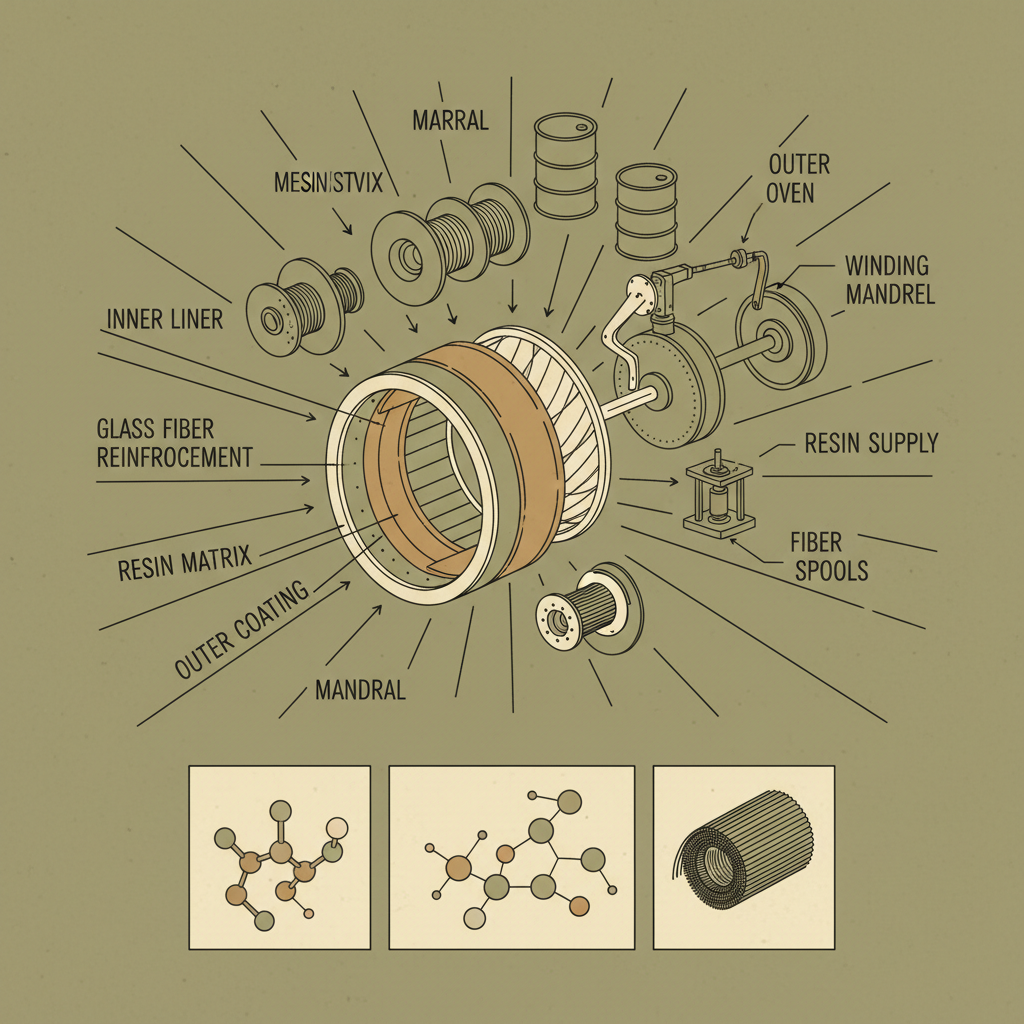
frp transport tank represent a significant advancement in liquid and chemical storage and transportation technology. They're constructed utilizing a composite material – typically a polymer matrix reinforced with fibers like glass, carbon, or aramid. This combination yields a tank that is exceptionally strong, lightweight, and resistant to a broad spectrum of corrosive substances. frp transport tank are designed to safely contain and transport various materials.
These tanks are gaining popularity as a sustainable alternative to traditional metal tanks. Their durability reduces the need for frequent replacements, minimizing waste and lifecycle costs. Furthermore, the reduced weight translates into lower fuel consumption during transportation, contributing to a smaller carbon footprint. The adaptable nature of the manufacturing process allows for customization to meet precise application requirements.
Global Relevance and Industry Context
The global market for storage tanks, including frp transport tank, is experiencing substantial growth, fueled by expanding industries like chemicals, pharmaceuticals, water treatment, and oil & gas. According to recent reports, the global industrial storage tanks market size was valued at USD 21.5 billion in 2023 and is projected to reach USD 30.2 billion by 2030, growing at a CAGR of 4.9% from 2024 to 2030. This growth is significantly impacted by the rising demand for safer, more efficient, and sustainable storage solutions.
A key driver is the increasing stringency of environmental regulations regarding the storage and transport of hazardous materials. Organizations like the United Nations Environment Programme (UNEP) and the International Maritime Organization (IMO) are continuously updating guidelines to minimize pollution and protect human health. frp transport tank inherently address these concerns by minimizing the risk of leaks and spills, aligning with global sustainability goals.
The challenges of transporting corrosive substances over long distances, especially in harsh environments, also contribute to the demand. Traditional steel tanks are prone to corrosion, requiring costly maintenance and presenting potential safety hazards. frp transport tank offer a long-term, low-maintenance solution, particularly suitable for remote locations or challenging operational conditions.
Defining frp transport tank
A frp transport tank, in its simplest form, is a container designed to safely store and transport liquids or gases, constructed primarily from fiber-reinforced polymer composites. These composites consist of a polymer matrix – such as polyester, vinyl ester, or epoxy resin – embedded with reinforcing fibers like fiberglass, carbon fiber, or aramid fiber. The combination creates a material that is strong, lightweight, and highly resistant to corrosion.
Unlike traditional steel tanks, frp transport tank do not corrode in the presence of many aggressive chemicals, making them ideal for handling acids, alkalis, solvents, and other corrosive substances. They are often employed in situations where maintaining product purity is critical, as the inert nature of the composite materials minimizes contamination risks. frp transport tank play a vital role in ensuring the safe delivery of essential chemicals.
Their connection to modern industry and humanitarian needs is substantial. In industrial settings, they are indispensable for transporting raw materials, finished products, and waste materials. In humanitarian contexts, frp transport tank provide a reliable means of delivering clean water, sanitation solutions, and emergency supplies to disaster-affected areas, particularly where access is limited.
Key Factors of frp transport tank
The effectiveness of frp transport tank stems from several key factors. Durability is paramount; the composite materials provide exceptional resistance to impact, fatigue, and corrosion, resulting in a long service life and reduced maintenance requirements. Weight Reduction is another significant advantage. Compared to steel tanks, frp tanks are considerably lighter, leading to lower transportation costs and easier handling.
Design Flexibility allows for customized tank shapes and sizes to meet specific application needs. frp tanks can be molded into complex geometries, optimizing space utilization and integrating seamlessly into existing systems. Chemical Resistance is a core benefit, making them suitable for handling a wide range of corrosive substances without degradation.
frp transport tank Performance Metrics
Global Applications of frp transport tank
frp transport tank find applications across a diverse range of industries worldwide. In the chemical processing industry, they are essential for storing and transporting aggressive chemicals used in manufacturing, cleaning, and various industrial processes. In the water and wastewater treatment sector, they safely contain corrosive treatment chemicals like chlorine and sodium hypochlorite.
Within the oil and gas industry, frp transport tank are employed for storing and transporting produced water, drilling fluids, and other process fluids. They are particularly valuable in offshore applications where corrosion is a significant concern. In post-disaster relief operations, portable frp transport tank provide a crucial means of delivering clean water to affected communities.
Advantages and Long-Term Value of frp transport tank
The advantages of adopting frp transport tank extend beyond initial cost savings. Their lightweight nature leads to reduced transportation costs and fuel consumption, offering ongoing economic benefits. Their exceptional durability minimizes maintenance and replacement costs, resulting in a lower total cost of ownership over the tank's lifespan. frp transport tank represent a sustainable investment.
From a sustainability perspective, frp tanks contribute to a reduced environmental footprint. Their resistance to corrosion prevents leaks and spills, protecting soil and water resources. The reduced weight and increased efficiency of transportation further minimize carbon emissions. The long lifespan reduces waste generation.
Future Trends in frp transport tank
The future of frp transport tank is poised for innovation. Ongoing research is focused on developing new composite materials with enhanced strength, toughness, and chemical resistance. The incorporation of smart sensors and IoT technology will enable real-time monitoring of tank contents, pressure, temperature, and structural integrity, enhancing safety and efficiency.
The development of bio-based resins will further enhance the sustainability of frp transport tank, reducing reliance on fossil fuels. Advancements in automation and manufacturing processes will drive down production costs and increase accessibility. The adoption of digital twins – virtual replicas of physical tanks – will facilitate predictive maintenance and optimize performance.
Increased focus on circular economy principles will lead to improved recycling and reuse of frp materials, minimizing waste and promoting resource efficiency. This ensures the frp transport tank solutions remains at the forefront of innovative and sustainable liquid storage and transport.
FAQS
The primary differences lie in corrosion resistance, weight, and lifespan. FRP tanks don’t corrode like steel, are significantly lighter, and generally have a longer operational life with reduced maintenance. Steel tanks require frequent coating and repair to prevent rust and structural damage, while FRP tanks maintain their integrity for decades.
While incredibly versatile, the compatibility of an frp transport tank depends on the specific liquid. Generally, they excel with corrosive chemicals, acids, and alkalis. However, certain solvents or highly concentrated chemicals might require specialized resin systems. A chemical compatibility study is always recommended before use.
frp transport tank are designed to withstand a wide range of temperatures and weather conditions. The composite materials are resistant to UV degradation, freezing, and thawing. They can be engineered with insulation to maintain consistent temperatures for temperature-sensitive liquids in both hot and cold climates.
The lifespan of an frp transport tank typically ranges from 25 to 50 years or more, depending on the application, the quality of materials, and maintenance practices. Proper handling, regular inspections, and adherence to manufacturer’s guidelines are essential for maximizing the tank’s service life.
Maintenance for frp transport tank is minimal compared to steel tanks. Regular visual inspections for any signs of damage, such as cracks or delamination, are recommended. Periodic cleaning and inspection of fittings and accessories are also important. Preventative maintenance extends the tank’s lifespan.
Yes, frp transport tank are more environmentally friendly than steel tanks. Their corrosion resistance prevents leaks and spills, protecting the environment. The lighter weight reduces transportation fuel consumption. Ongoing research is focused on developing bio-based resins for even greater sustainability.
Conclusion
In conclusion, frp transport tank represent a significant advancement in liquid storage and transportation technology, offering a compelling combination of durability, weight reduction, chemical resistance, and cost-effectiveness. Their increasing adoption across diverse industries reflects their ability to address the challenges of modern logistics and environmental sustainability. The advantages are clear – reduced lifecycle costs, enhanced safety, and a smaller environmental footprint.
Looking ahead, continued innovation in materials science, sensor technology, and manufacturing processes will further enhance the performance and versatility of frp transport tank. Embracing these advancements will be crucial for organizations seeking to optimize their operations, minimize environmental impact, and ensure the safe and reliable storage and transport of critical liquids. Visit our website today to learn more about how frp transport tank can benefit your organization.