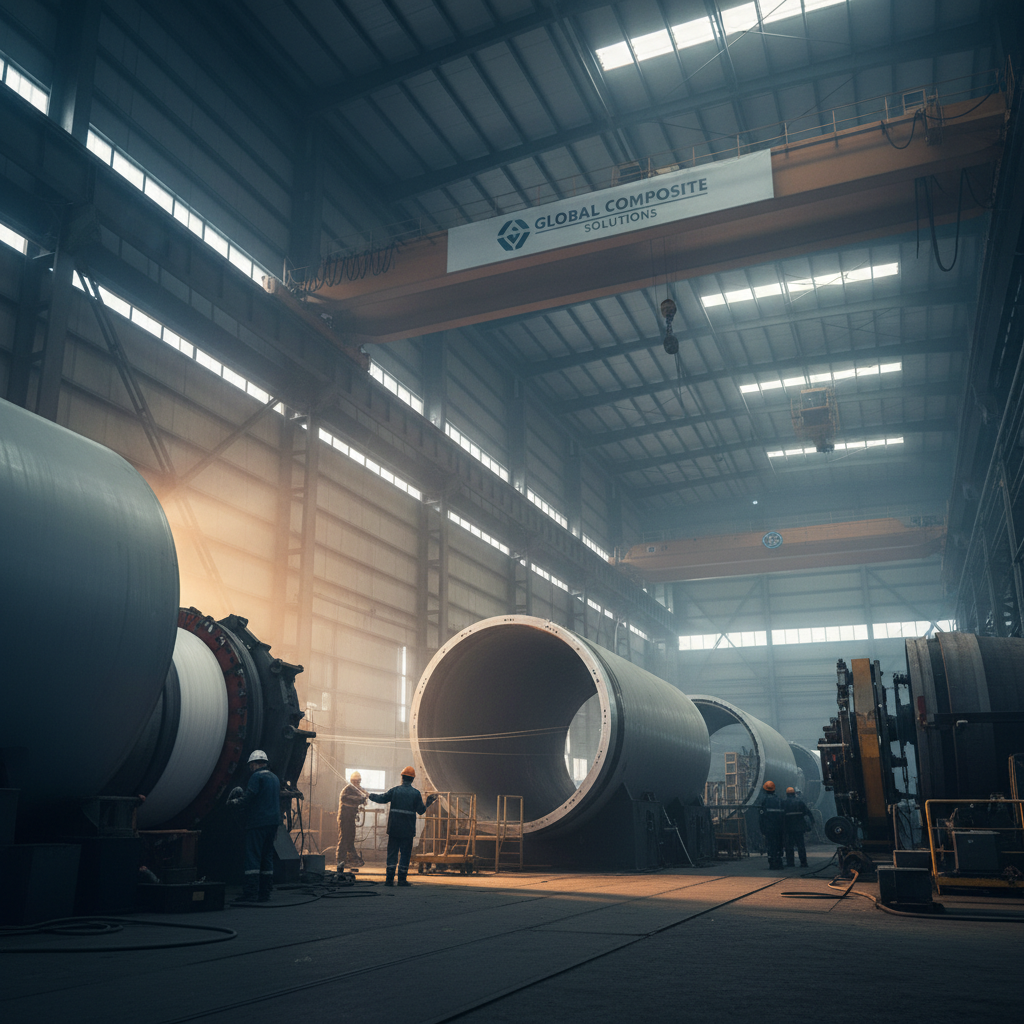
Look, the whole construction scene is changing fast. Everyone’s talking about prefabrication, modular builds, and squeezing every bit of efficiency they can. And, honestly, a lot of it comes down to the pipe. Seems simple enough, right? Just a tube to move stuff. But get it wrong, and… well, you’ve got yourself a headache that lasts longer than a government project.
I've been doing this for 20 years, and have you noticed how everyone thinks they can just spec out a pipe based on a datasheet? It's a disaster waiting to happen. They don't consider the installation crew, the weather, the actual stress the thing is going to take. It’s like designing a race car without asking the driver what he needs.
What really gets me is how often people overlook the simple stuff. They chase the fancy materials and forget that a good design and proper installation are 80% of the battle. Anyway, I think we need to talk about frp pipe, because honestly, it’s where a lot of the innovation is happening right now.
The Changing Landscape of frp pipe
Honestly, frp pipe is booming. Not just for wastewater, but for everything – chemical transfer, cooling systems, even potable water. The big push is corrosion resistance, weight savings, and installation speed. Everyone wants faster, cheaper, and more reliable. That's the holy trinity, you know?
Strangely, though, a lot of contractors are still hesitant. They’re used to steel, PVC, concrete… they know what those feel like. This new stuff is different. You gotta educate them, show them it’s not some flimsy plastic that’s gonna crack the first time someone leans on it.
Common Pitfalls in frp pipe Design
To be honest, I’ve seen so many designs go sideways because people didn’t factor in thermal expansion. These materials expand and contract way more than steel. If you don’t account for that, you’re looking at stress points, leaks, and a whole lot of regret.
Another one? Not considering the fluid being transported. Some chemicals react with certain resins. You need to pick the right material for the job. Don't skimp! I encountered this at a chemical plant in Louisiana last time, they used the wrong liner and the whole thing corroded within six months. Cost them a fortune.
And, don't even get me started on improper jointing. The whole strength of the system relies on those connections. Get that wrong, and it’s all for nothing.
Materials and Their Nuances in frp pipe
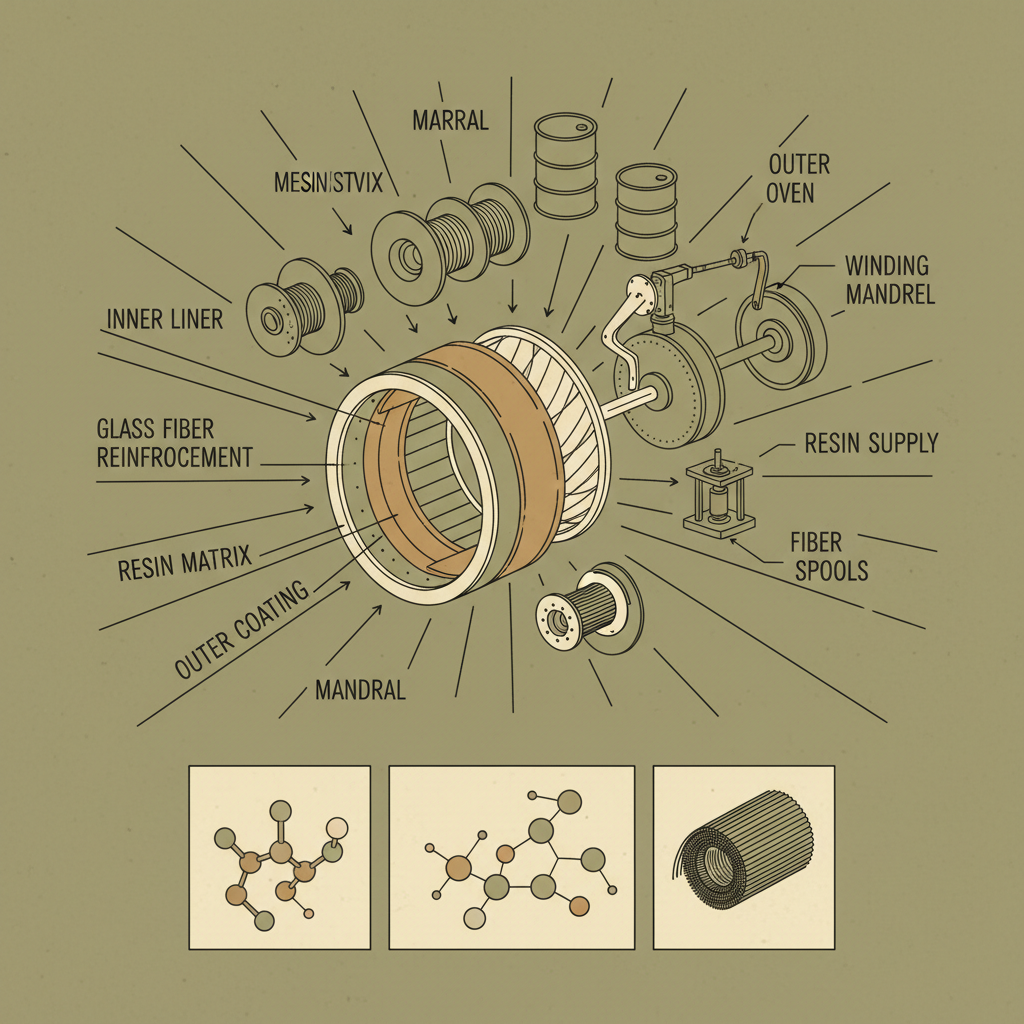
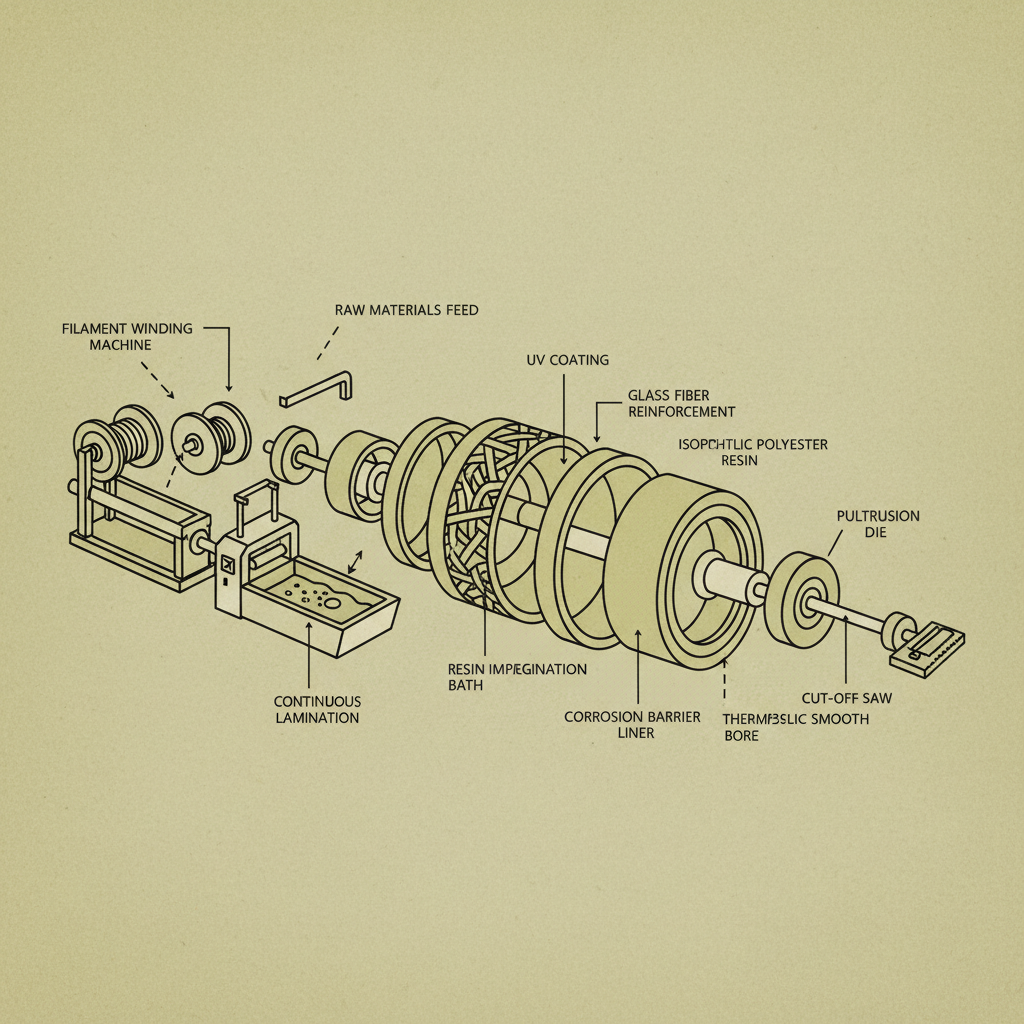
Okay, so you’ve got your different resins – polyester, vinyl ester, epoxy… each with its own strengths and weaknesses. Polyester is cheap, but not great with harsh chemicals. Vinyl ester is a step up in chemical resistance, but a bit pricier. Epoxy is the king – strongest and most resistant, but it costs a pretty penny.
Then you got your reinforcement fibers – fiberglass, carbon fiber, aramid. Fiberglass is the workhorse, good all-around performance. Carbon fiber is super strong and lightweight, but brittle and expensive. Aramid is tough and impact-resistant, used in specialized applications. You can even combine them for specific properties. The smell of wet fiberglass resin, though? That never gets old, even after all these years. It just... smells like work.
The way these materials feel is important too. A good quality frp pipe should be solid, not flimsy. It should have a smooth, consistent finish. If it feels rough or uneven, something’s probably wrong.
Real-World Testing of frp pipe
Forget the lab tests. Those are useful for baseline data, but the real test is on the job site. I like to see the pipes subjected to hydrostatic pressure testing – basically, filling them with water and cranking up the pressure to see if they hold. You want to see at least 1.5 times the operating pressure.
I’ve also seen guys drop weights on them, hit them with hammers, even try to bend them. Brutal, I know, but it tells you a lot about their impact resistance. Later... Forget it, I won't mention the time someone tried testing a pipe with a forklift.
frp pipe Performance Metrics
How Users Actually Utilize frp pipe
You know, it’s not always what the engineers think is happening out there. I’ve seen guys use frp pipe as makeshift scaffolding, as temporary walkways… stuff you wouldn’t believe. They're resourceful, these guys.
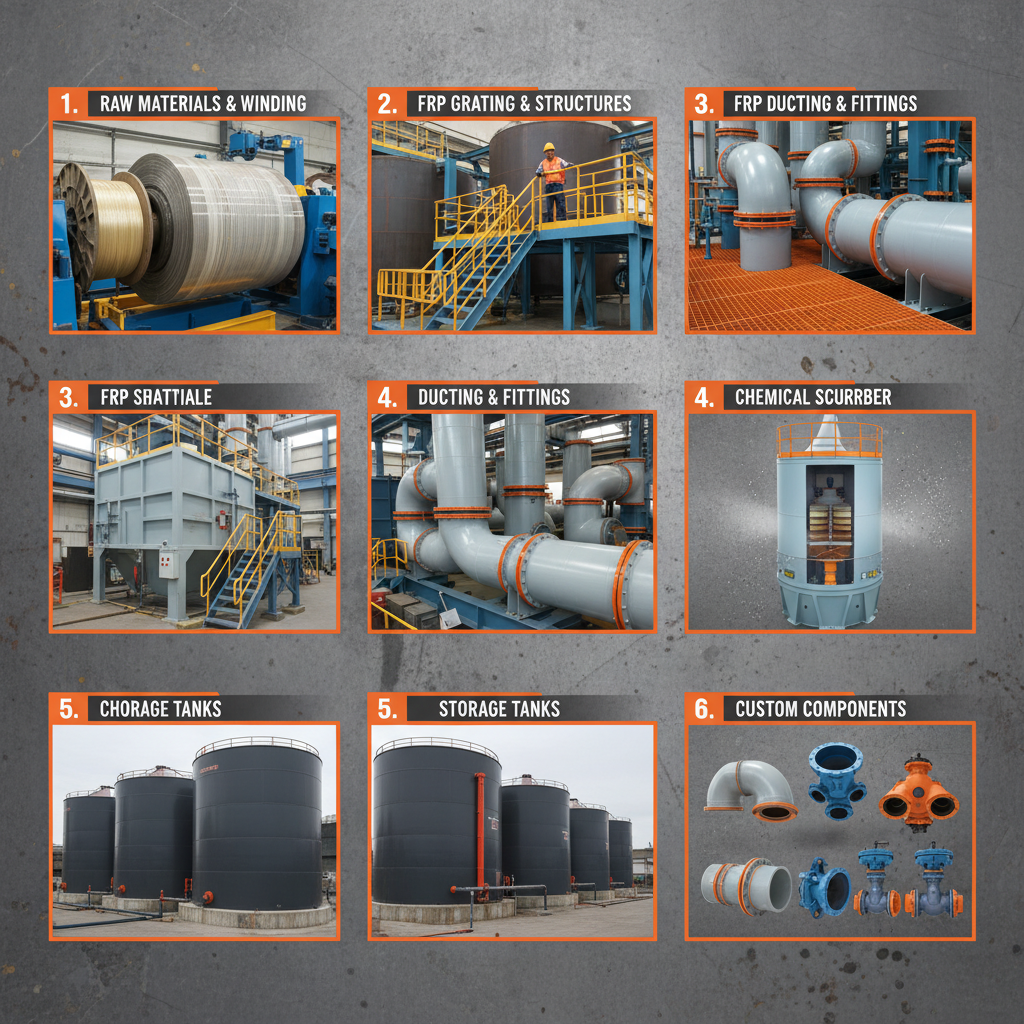
The biggest demand, though, is still for underground applications – sewer lines, drainage systems. It’s the corrosion resistance that makes it so attractive. Nobody wants to be digging up pipes every five years because they rusted through.
The Advantages and Disadvantages of frp pipe
The advantages are pretty clear: lightweight, corrosion-resistant, long lifespan, relatively easy to install. It’s a game-changer for projects in harsh environments. But it’s not perfect. It can be brittle, especially carbon fiber reinforced stuff. It's more expensive upfront than traditional materials. And you need specialized tools and training for installation.
Honestly, though, the long-term cost savings usually outweigh the initial investment. You’re looking at decades of trouble-free operation, compared to maybe 10-15 years with steel.
Customization Options for frp pipe
One of the cool things about frp pipe is how customizable it is. You can change the resin, the reinforcement, the wall thickness, even the internal liner to suit specific applications. Last month, that small boss in Shenzhen who makes smart home devices insisted on changing the interface to . The reason? He said his customers were getting tired of micro-USB cables. Sounds crazy, right? But he insisted, and we accommodated him. It's all about adapting to the customer's needs, even if they're a little… unusual.
You can also add UV protection, fire retardants, and other additives to enhance performance. The possibilities are pretty endless, really.
frp pipe Core Properties - A Quick Reference
| Material Type |
Corrosion Resistance |
Tensile Strength (MPa) |
Cost (Relative) |
| Polyester Resin + Fiberglass |
Moderate |
500 |
Low |
| Vinyl Ester Resin + Fiberglass |
Good |
600 |
Medium |
| Epoxy Resin + Fiberglass |
Excellent |
700 |
Medium-High |
| Epoxy Resin + Carbon Fiber |
Excellent |
1500 |
High |
| Vinyl Ester Resin + Aramid |
Good |
800 |
Medium-High |
| Polyester Resin + Carbon Fiber |
Moderate |
1200 |
High |
FAQS
Honestly, a good frp pipe installation, done right, should last 50 years or more. We’ve seen some systems in operation for even longer, especially in non-aggressive environments. It really depends on the application and the quality of the materials, but we're talking decades, not years. Proper backfilling and protection from UV exposure are crucial, of course. You don't want to skimp on the details.
Yes, absolutely. But you need to make sure the liner is certified for potable water contact. Not all resins are created equal. NSF/ANSI 61 is the standard you want to look for. It guarantees the material won’t leach any harmful chemicals into the water. Don't just take someone’s word for it, ask for the certification.
It's different than repairing steel. You can't just weld it. Typically, repairs involve patching with compatible resins and fabrics. Small cracks can often be ground out and filled. Larger damage might require a sleeve or even a section replacement. It requires specialized training and materials, so it’s not something you can just DIY.
Yep, UV is the enemy. Most resins will degrade over time if exposed to direct sunlight. That's why you need to protect it with a UV-resistant coating or bury it underground. There are UV-stabilized resins available, but they're more expensive. For above-ground applications, a protective coating is a must.
Temperature changes cause expansion and contraction, as I mentioned earlier. You need to design for that. Use expansion loops or flexible joints to accommodate the movement. If you ignore it, you'll end up with stresses that can lead to cracking or leaks. It’s easy to overlook, but crucial.
Initially, it can be a bit more expensive, mainly because of the specialized labor and equipment. But you need to look at the lifecycle cost. Reduced maintenance, longer lifespan, and lower corrosion costs can quickly offset the higher initial price. Also, the lighter weight can significantly reduce transportation and installation time, saving money.
Conclusion
Ultimately, frp pipe offers a compelling combination of durability, corrosion resistance, and customization. It’s not a silver bullet, and it requires careful design and proper installation. But when done right, it can save you a lot of headaches – and a lot of money – in the long run.
The thing is, whether this thing works or not, the worker will know the moment he tightens the screw. They’ll feel it – whether it’s solid, whether it’s right. And that’s the bottom line. If you want a successful project, listen to the guys on the ground. They’re the ones who really know what’s going on.