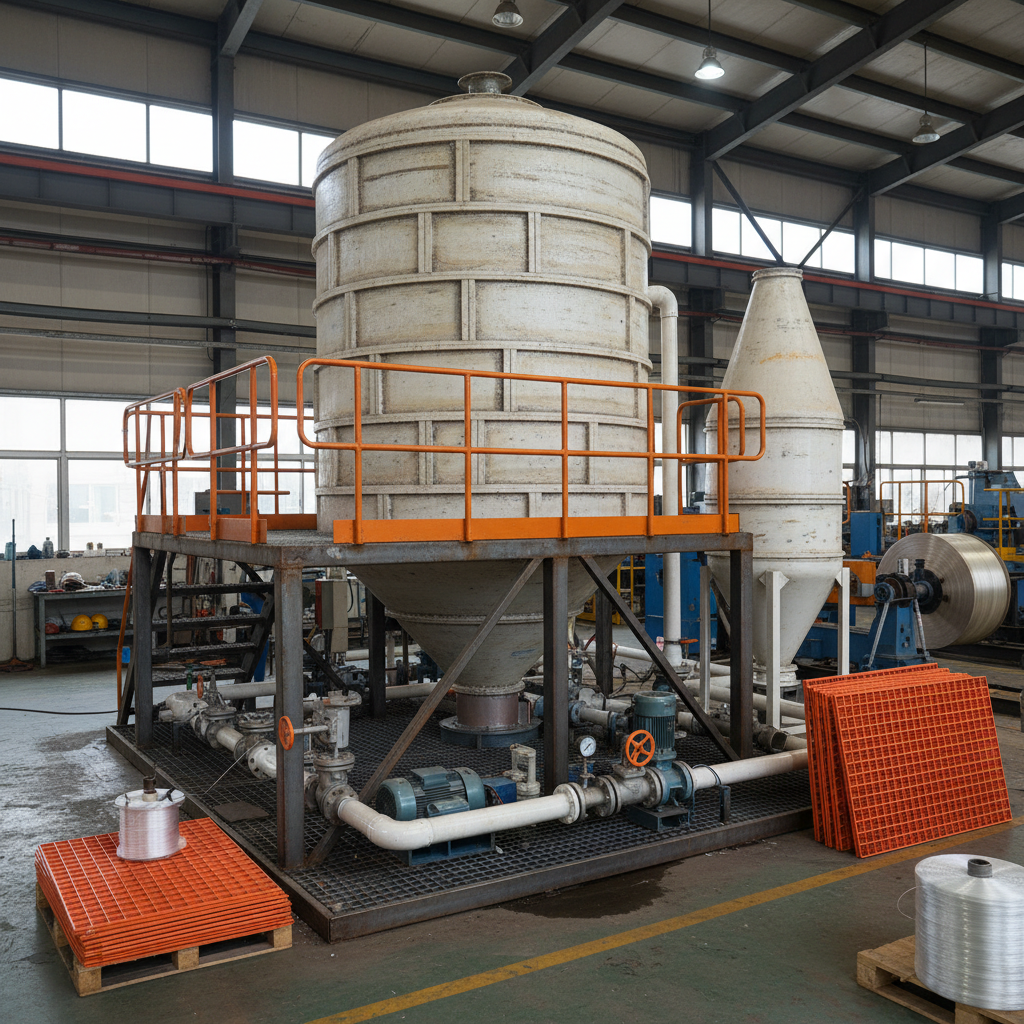
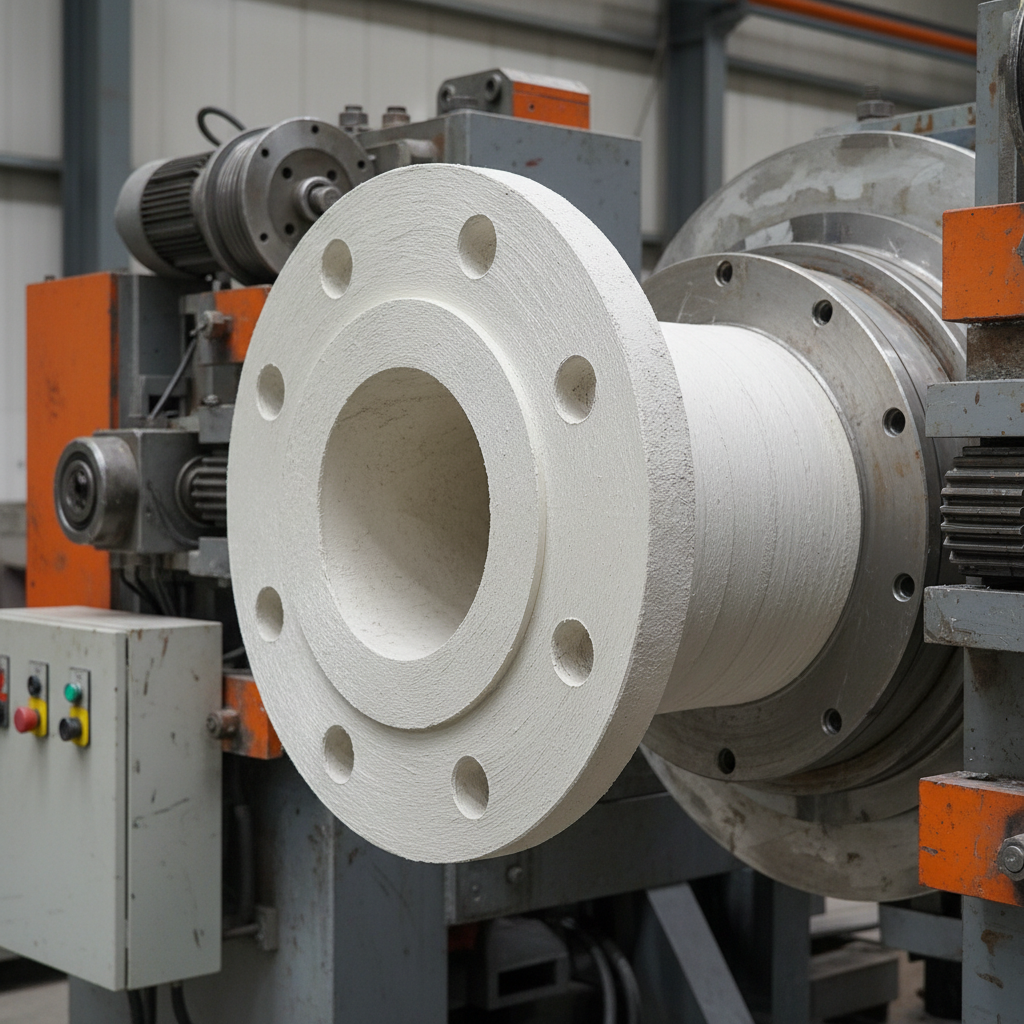
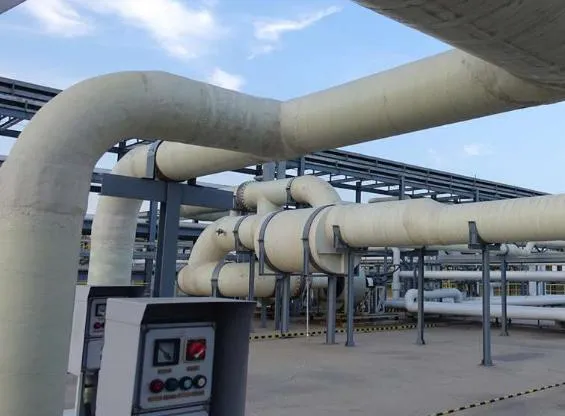
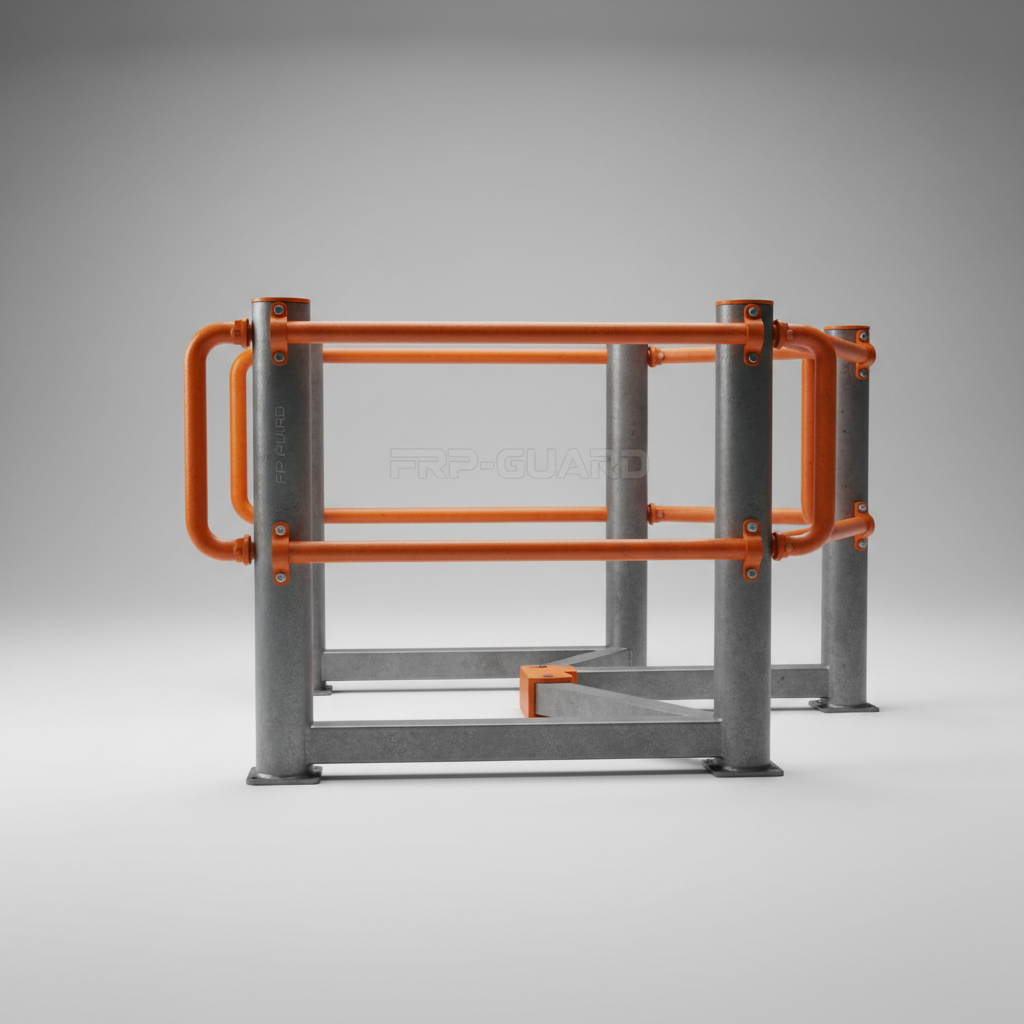
Look, things are moving fast these days. Everyone’s talking about prefabrication, modular builds… honestly, it’s a bit much. But it's happening, you can’t ignore it. It’s all about speed, cost, and getting things done with fewer hands. We’re seeing a huge push for customized FRP – Fiber Reinforced Polymer – solutions. Not just standard panels, but stuff tailored for specific jobs, specific needs. It's a response to how chaotic things are getting out there, I think. Everyone wants something that fits exactly what they're doing.
You know, I spent a week last month at a factory in Jiangsu province, and the amount of wasted material was… depressing. That’s where the demand for this customized stuff really hits home. Reduce waste, improve efficiency, make life a little easier for the guys on the ground. Easier said than done, of course.
To be honest, it's not a magic bullet. People think FRP is some sort of unbreakable superhero material. It's not. It's great, don’t get me wrong, but it needs careful design, careful handling, and careful installation. I’ve seen too many projects where they skimp on the details, and things go south fast.
The Rising Tide of Customization in FRP
Have you noticed how everything’s becoming niche? General-purpose solutions are dying. Everyone wants something tailored to their specific application. And that’s exactly what we’re seeing with frp customized product. It's not just about strength-to-weight ratio anymore, it's about creating panels with integrated conduits, custom mounting points, specific fire ratings... the list goes on. It’s a response to the increasing complexity of projects.
The demand is coming from everywhere - infrastructure, marine, chemical processing, even high-end residential. People are realizing the long-term benefits outweigh the upfront cost of customization. It's about avoiding costly rework later on, reducing installation time, and improving overall project efficiency.
Design Pitfalls & Common Mistakes
Strangely enough, a lot of designers still treat FRP like it’s just another steel replacement. It's not. It behaves differently. You’ve gotta consider things like thermal expansion, creep, and galvanic corrosion. I encountered this at a wastewater treatment plant last time - they tried to use a standard steel connection detail with an FRP panel and… well, let's just say it didn't end well. Delamination city.
Another common mistake is underestimating the importance of surface preparation. If you don’t get the surface clean and properly roughened, the resin won’t bond correctly. It seems basic, but you wouldn’t believe how often it happens. It's always the little things, isn’t it?
And then there’s the whole issue of resin selection. Different resins have different properties, and choosing the wrong one can lead to premature failure. It's a rabbit hole, really.
Material Deep Dive: What We’re Actually Working With
Okay, so what are we actually building these things with? Mostly glass fiber, carbon fiber, and various resins – polyester, vinyl ester, epoxy. Glass fiber is the workhorse, the bread and butter. It’s relatively cheap and provides good strength. Carbon fiber is the high-end stuff, super strong and lightweight, but expensive. You smell it when it’s being cut, a kind of…clean, metallic smell.
The resin is what holds it all together. Polyester is the most common, it’s easy to work with, but it’s not as resistant to chemicals as vinyl ester. Epoxy is the gold standard, incredibly strong and durable, but it’s also the most expensive and can be a pain to work with – it’s sticky, and it sets fast. I've spent more than one afternoon trying to scrub epoxy off my gloves.
You also have core materials – foam, balsa wood, honeycomb. They add stiffness and reduce weight. Handling the foam is weird, it gets everywhere. Tiny little beads stuck to everything. Anyway, I think the choice of material really depends on the application, the budget, and the client’s expectations.
Real-World Testing: Beyond the Lab
Lab tests are important, sure. But they don’t tell the whole story. I’ve seen FRP panels pass every lab test imaginable and still fail spectacularly in the field. You need to test these things in real-world conditions. That means exposure to UV radiation, temperature extremes, chemical spills, impact damage… the whole shebang.
We often set up test sections on construction sites, expose them to the elements, and monitor their performance over time. It's a bit of a hassle, but it's worth it. You learn a lot more from seeing how a material behaves in a real environment than you ever will from a data sheet.
frp customized product Performance Metrics
How Users Actually Use It
It’s funny, you design these things with a specific application in mind, but users always find new ways to use them. We had one customer using frp customized product panels as a temporary bridge deck. Not what we designed it for, but it held up! They were in a real pinch after a flood washed out a local road, and it saved them a lot of time and money.
We also see a lot of people using it for custom enclosures, ductwork, even artistic installations. It’s a surprisingly versatile material. But you gotta remember, it's not a substitute for proper engineering.
The Good, The Bad, and The Customizable
The advantages are pretty clear: lightweight, corrosion-resistant, high strength. It’s a good-looking material too, if you do it right. But it's expensive, that’s the big downside. And it can be brittle. Drop it, and it cracks. It's not like steel, which can bend a bit before it breaks.
But that’s where the customization comes in. You can tailor the material properties to meet your specific needs. Need something more impact-resistant? Add more carbon fiber. Need something with better UV resistance? Use a different resin. It's all about finding the right balance.
And honestly, the speed of customization is really picking up. We're talking turnaround times that used to be weeks, now down to days for simpler designs.
A Case Study: The Debacle
Last month, that small boss in Shenzhen who makes smart home devices insisted on changing the interface to on a batch of frp customized product enclosures we were building for him. Said it was the "future." Fine. We did it. But it meant redesigning the entire mounting system, because the connector was bigger. It added two weeks to the lead time and cost him a small fortune. He wasn’t happy.
Turns out, the connector didn’t even end up being compatible with his existing products. He’d overestimated the market adoption rate. The whole thing was a mess. It really highlighted the importance of careful planning and understanding the real-world implications of design changes.
Anyway, I think the lesson there is: don’t chase every shiny new thing. Stick to what works, and don’t be afraid to say no to a customer if their idea is just plain…bad.
Summarizing Key Characteristics of FRP Customized Product
| Material Composition |
Application Area |
Customization Level |
Typical Cost Range |
| Glass Fiber/Polyester Resin |
Wastewater Treatment, Basic Enclosures |
Low - Standard Shapes & Sizes |
$20 - $40/sq ft |
| Carbon Fiber/Epoxy Resin |
Aerospace, High-Performance Automotive |
High - Complex Geometries, Integrated Features |
$80 - $150+/sq ft |
| Hybrid (Glass/Carbon)/Vinyl Ester |
Chemical Processing, Marine Applications |
Medium - Moderate Shape Variations, Added Reinforcement |
$50 - $80/sq ft |
| Glass Fiber/Fire Retardant Resin |
Building Construction, Fire-Rated Enclosures |
Medium - Standard Sizes, Fire Rating Adjustments |
$30 - $60/sq ft |
| Recycled FRP Materials |
Non-Structural Applications, Eco-Friendly Projects |
Low - Limited Customization Options |
$15 - $30/sq ft |
| Balsa Core/Epoxy Resin |
Lightweight Panels, Marine Structures |
Medium - Core Density Variations, Shape Contours |
$40 - $70/sq ft |
FAQS
Lead times vary significantly depending on the complexity of the design and our current workload. Simple modifications, like adding mounting holes, can often be turned around in a week or two. More complex projects, involving new tooling or intricate geometries, can take 4-6 weeks, sometimes longer. We always try to provide a realistic timeline upfront, and we're pretty good at hitting those deadlines, if the design is solid to begin with. Communication is key here.
FRP, like most materials, is susceptible to temperature fluctuations. Higher temperatures can reduce its strength and stiffness, while lower temperatures can make it more brittle. Thermal expansion is also a factor - you need to account for this in the design to prevent stress buildup. We always recommend consulting the material data sheets and conducting thorough testing in the intended operating environment. It’s not a one-size-fits-all answer, unfortunately.
The fire resistance of FRP depends heavily on the resin system used. Polyester and vinyl ester resins are flammable, while epoxy resins offer better fire resistance. We can also incorporate fire retardants into the resin to further improve its performance. However, it’s important to understand that FRP will still burn, although it typically does so in a controlled manner. We can provide fire ratings based on specific testing standards, but it’s crucial to select the right material for the application.
That's a complex question. The manufacturing process can be energy intensive, but FRP's durability and corrosion resistance contribute to sustainability by extending the lifespan of structures and reducing the need for repairs or replacements. We're also exploring the use of recycled FRP materials and bio-based resins to further reduce its environmental impact. It's not perfect, but it's definitely a step in the right direction compared to some other materials.
Yes, in many cases, FRP can be repaired. The repair process typically involves grinding away the damaged area, applying a new layer of resin and fiber, and then sanding it smooth. The success of the repair depends on the extent and nature of the damage. Minor cracks and surface damage are usually easy to fix, but more extensive damage may require more complex repairs or even complete replacement. It's usually cheaper to repair than replace, though.
The biggest cost drivers are material selection, complexity of the design, tooling costs (if any), and order quantity. Carbon fiber is significantly more expensive than glass fiber, and intricate geometries require more labor and material. Tooling costs can be substantial for low-volume orders. We always try to work with our customers to optimize the design and material selection to minimize costs without compromising performance. Sometimes, a little bit of redesign can save a lot of money.
Conclusion
Ultimately, frp customized product is about solving specific problems. It’s not a silver bullet, and it’s not always the cheapest option, but when you need a lightweight, durable, corrosion-resistant material that can be tailored to your exact needs, it’s hard to beat. It requires careful planning, meticulous design, and skilled installation, but the long-term benefits – reduced maintenance, increased lifespan, improved efficiency – are often well worth the investment.
Look, at the end of the day, whether this thing works or not, the worker will know the moment he tightens the screw. If it feels right, if it fits right, if it looks right, then you’re probably on the right track. That’s what I’ve learned after all these years on construction sites. And if you're looking for a partner to help you navigate the complexities of frp customized product, visit our website.