Fiberglass flanges are critical components in a vast array of industrial applications, playing a pivotal role in ensuring the safe and efficient transfer of fluids and gases. As manufacturing processes evolve and demand for corrosion-resistant materials increases, the significance of fiberglass reinforced plastic (FRP) flanges – specifically, fiberglass flanges – grows exponentially. These flanges offer a unique blend of strength, durability, and chemical resistance, making them ideal for challenging environments where traditional metal flanges fall short.
Globally, the demand for FRP products, including fiberglass flanges, is driven by industries such as chemical processing, water treatment, oil and gas, and marine engineering. According to market research reports, the global FRP market is projected to reach \$120 billion by 2027, fueled by infrastructure development and stringent environmental regulations that favor lightweight, corrosion-resistant materials. This growth underscores the increasing reliance on fiberglass flange solutions.
The core benefit of utilizing a fiberglass flange lies in its ability to mitigate corrosion, reduce maintenance costs, and extend the lifespan of critical infrastructure. Addressing the problems of traditional metal flanges, which are susceptible to rust and degradation, fiberglass flanges provide a long-term, cost-effective alternative, leading to enhanced operational efficiency and environmental sustainability.
Understanding Fiberglass Flanges
The importance of understanding fiberglass flanges stems from their increasingly critical role in modern industrial infrastructure. Unlike traditional metal flanges, these components are engineered for exceptional resistance to corrosion, making them invaluable in environments where exposure to harsh chemicals and weather conditions is prevalent. Properly specifying and implementing a fiberglass flange is essential for system longevity and safety.
The core function of any flange – including those made from fiberglass – is to connect pipes, valves, pumps, and other equipment to form a sealed system. However, the material composition of fiberglass flanges provides advantages beyond simple connectivity, offering significant performance improvements in demanding applications. This understanding is vital for engineers and procurement professionals alike.
The Global Context of Fiberglass Flange Usage
Globally, the utilization of fiberglass flanges is expanding rapidly, driven by a confluence of factors. Strict environmental regulations in developed nations necessitate corrosion-resistant materials to prevent leaks and contamination. Emerging economies experiencing rapid industrialization require durable and cost-effective infrastructure solutions, making fiberglass a preferred choice. The demand is particularly high in sectors like chemical processing, where aggressive chemicals require materials that can withstand continuous exposure.
The increasing adoption of fiberglass flanges is not merely a regional trend; it represents a fundamental shift in industrial material selection. According to a report by the World Bank, investment in water and sanitation infrastructure in developing countries is projected to exceed \$6 trillion by 2030, a significant portion of which will likely utilize FRP materials like fiberglass. This translates to a substantial increase in demand for associated components, including fiberglass flanges.
The ISO standards governing FRP materials are also becoming increasingly stringent, reinforcing the need for high-quality, certified fiberglass flanges. This is particularly important in industries like oil and gas, where safety and reliability are paramount. Companies are actively seeking suppliers that can meet these demanding standards, highlighting the global commitment to durable and safe infrastructure.
Defining Fiberglass Flanges: A Comprehensive Overview
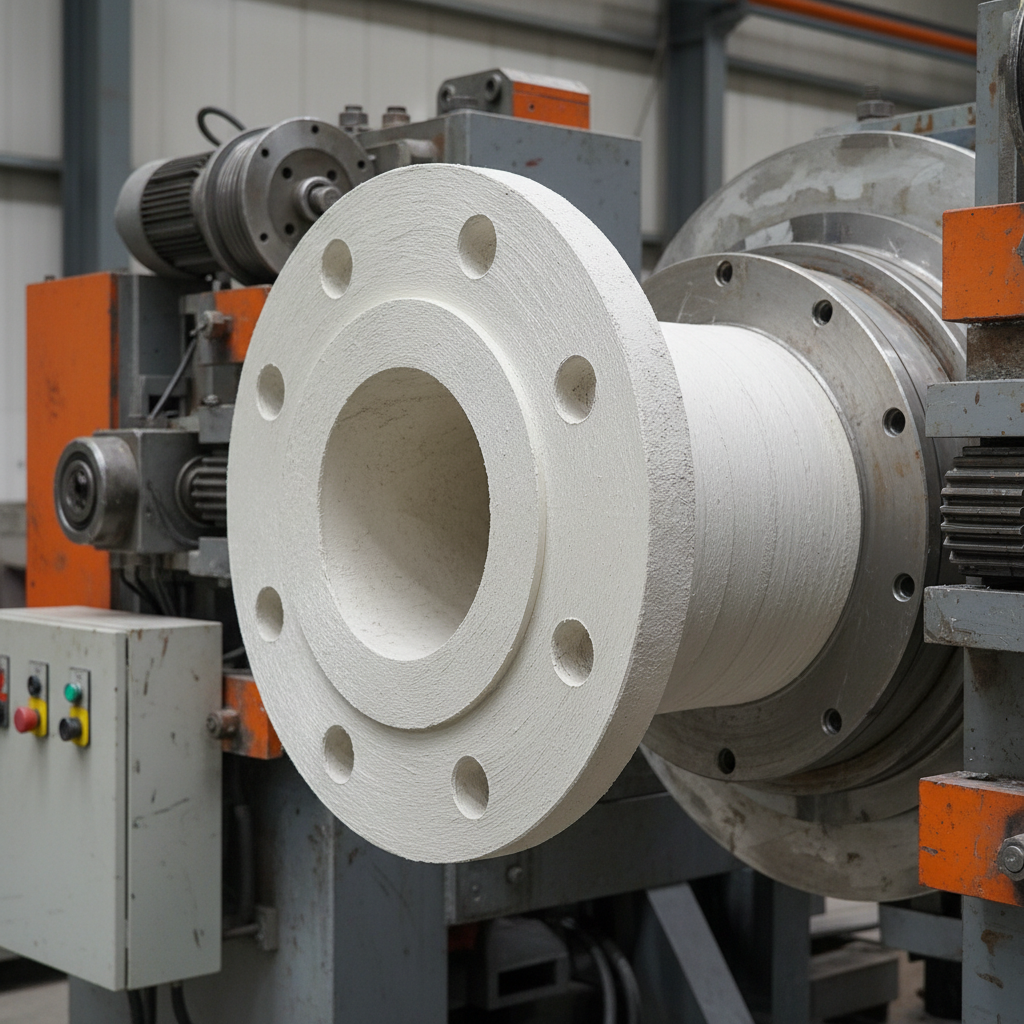
A fiberglass flange, at its core, is a connecting fitting made from fiberglass reinforced polymer (FRP). It’s designed to be bolted to the end of a pipe or fitting to allow for connection and disconnection for maintenance or repair. Unlike metal flanges, which are susceptible to corrosion, fiberglass flanges are engineered to resist a wide range of chemicals, acids, and alkalis, ensuring long-term performance in harsh environments.
The key to a fiberglass flange’s superior performance lies in the combination of glass fibers and a resin matrix, typically polyester, vinyl ester, or epoxy. These materials create a composite structure that is both lightweight and incredibly strong. The specific resin used will determine the flange's chemical resistance and temperature tolerance, making it crucial to select the appropriate material for the intended application.
In modern industry, fiberglass flanges aren’t merely components; they represent a vital element in maintaining operational efficiency and reducing environmental impact. Their use helps prevent costly leaks, minimizes downtime for repairs, and contributes to a more sustainable manufacturing process. Properly installing a fiberglass flange is essential for all these benefits.
Key Characteristics of Superior Fiberglass Flanges
Several key characteristics define a high-quality fiberglass flange. First and foremost is its exceptional corrosion resistance. This is achieved through the inherent properties of the FRP material, which does not rust or degrade when exposed to most corrosive substances. Secondly, fiberglass flanges offer a high strength-to-weight ratio, meaning they are incredibly strong for their weight, simplifying installation and reducing structural load.
Another critical characteristic is dimensional stability. Fiberglass flanges maintain their shape and size over time, even under fluctuating temperatures and pressures. This minimizes the risk of leaks and ensures a consistent, reliable seal. Finally, superior fiberglass flanges are designed for easy installation, typically utilizing standard bolting patterns compatible with existing piping systems.
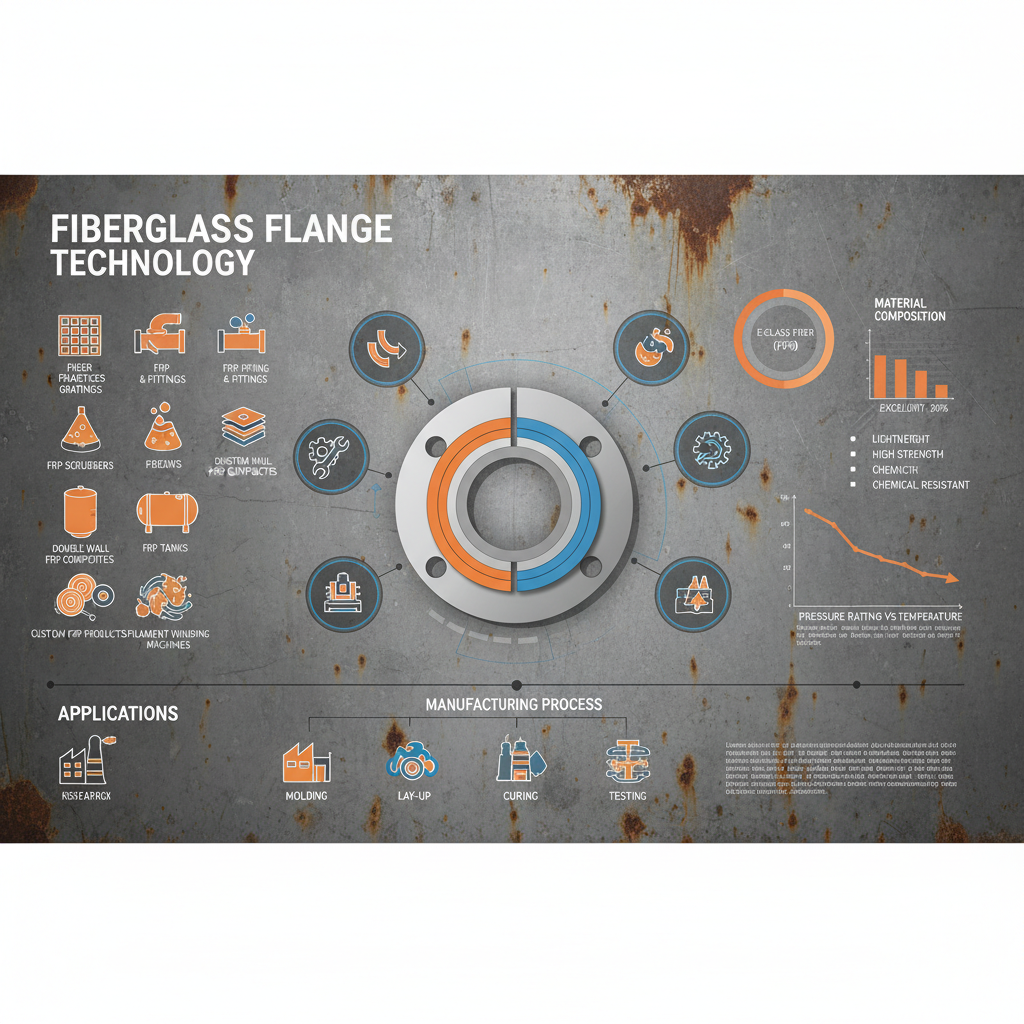
Fiberglass Flange Performance Metrics
Diverse Applications of Fiberglass Flanges Worldwide
Fiberglass flanges find application in a remarkably wide range of industries. In the chemical processing sector, they’re crucial for handling corrosive acids, bases, and solvents. Water and wastewater treatment plants utilize them extensively for their resistance to chlorine and other disinfectants. The oil and gas industry relies on fiberglass flanges in offshore platforms and pipelines to combat saltwater corrosion.
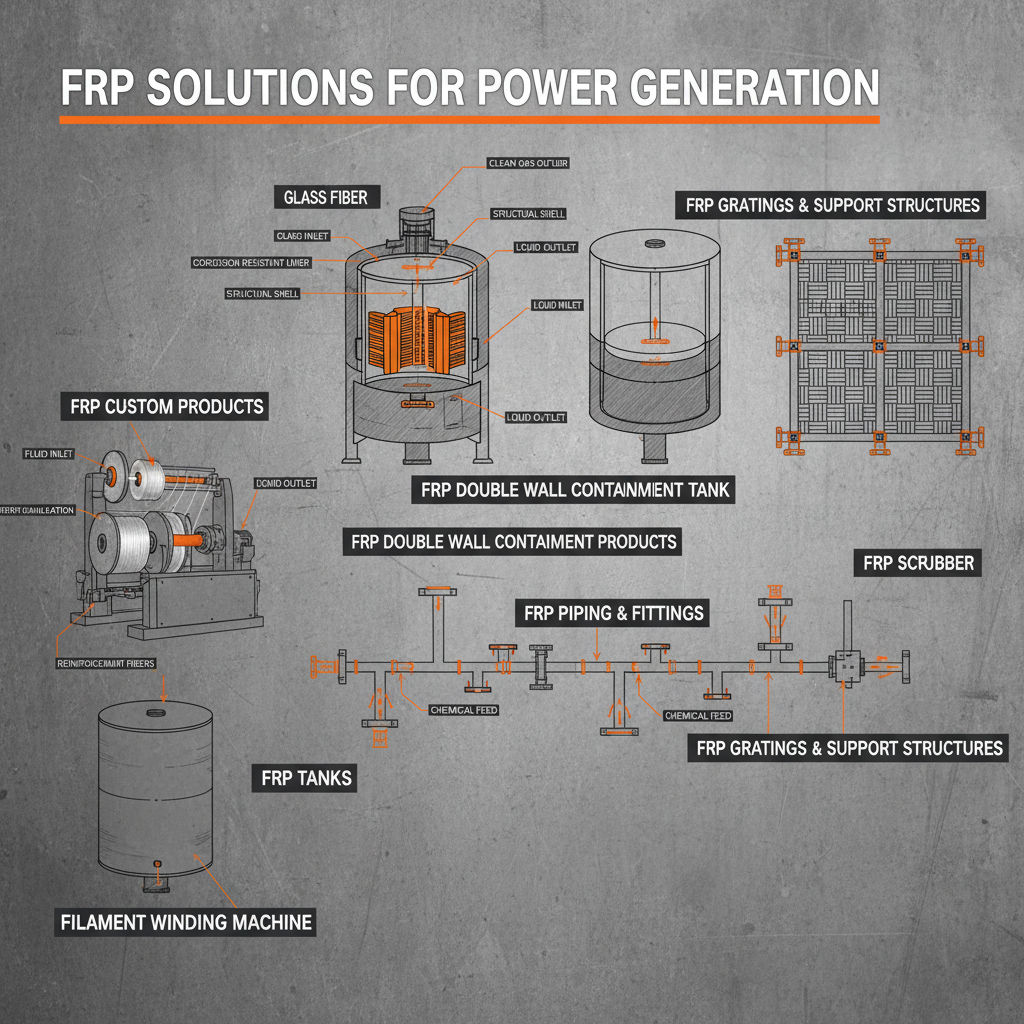
Beyond these core industries, fiberglass flanges are also prevalent in pulp and paper mills, food and beverage processing plants, and power generation facilities. In remote industrial zones, where access to maintenance and repairs can be challenging, the durability of fiberglass flanges offers a significant advantage. Furthermore, the marine industry leverages their lightweight and corrosion-resistant properties for boat hulls and piping systems.
In post-disaster relief operations, portable water purification systems often incorporate fiberglass flanges for their ease of assembly and resistance to contaminants. The ability to quickly deploy and utilize these systems is vital in providing safe drinking water to affected populations, showcasing the humanitarian benefits of this technology.
The Enduring Advantages of Fiberglass Flanges
The benefits of utilizing fiberglass flanges extend far beyond mere corrosion resistance. A primary advantage is cost savings over the long term. While the initial investment might be slightly higher than traditional metal flanges, the reduced maintenance requirements and extended lifespan significantly lower total cost of ownership. This makes fiberglass flange a fiscally responsible choice.
From a sustainability perspective, fiberglass flanges contribute to a reduced environmental footprint. Their durability minimizes the need for frequent replacements, reducing waste and conserving resources. The lightweight nature of the material also reduces transportation costs and associated emissions. These factors align with growing demands for environmentally conscious industrial practices.
Future Trends and Technical Considerations for Fiberglass Flanges
The future of fiberglass flange technology is poised for further innovation. Research and development efforts are focused on enhancing resin formulations to improve temperature resistance and chemical compatibility. The integration of smart sensors into fiberglass flanges will enable real-time monitoring of corrosion levels and structural integrity, facilitating proactive maintenance and preventing failures.
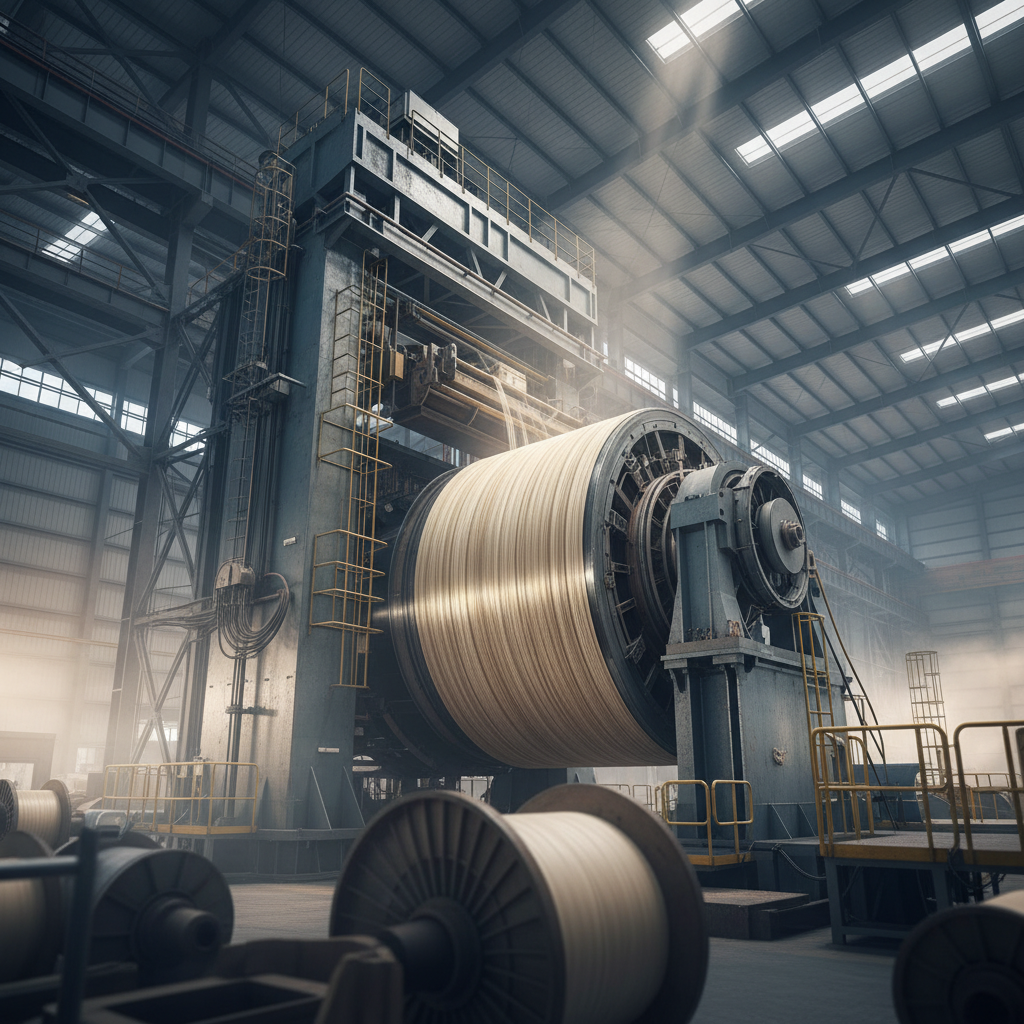
Furthermore, advancements in manufacturing processes, such as automated fiber placement, are reducing production costs and improving the consistency of fiberglass flange quality. The increasing adoption of digital twin technology will allow engineers to simulate the performance of fiberglass flanges in various operating conditions, optimizing designs and ensuring reliable performance.
The trend towards circular economy principles is also driving the development of recyclable fiberglass composites, addressing end-of-life concerns and promoting sustainability. These innovations will solidify fiberglass flanges’ position as a critical component in the future of industrial infrastructure.
Summary of Key Considerations for Fiberglass Flange Selection
| Application Environment |
Chemical Compatibility |
Operating Temperature |
Pressure Rating |
| Chemical Processing Plant |
High - Acids, Solvents |
Moderate - 80°C |
150 PSI |
| Wastewater Treatment Facility |
Moderate - Chlorine, Bleach |
Low - 40°C |
100 PSI |
| Oil and Gas Offshore Platform |
Very High - Saltwater, H2S |
High - 120°C |
300 PSI |
| Pulp and Paper Mill |
Moderate - Pulp Chemicals |
Moderate - 60°C |
120 PSI |
| Food and Beverage Processing |
High - Cleaning Agents |
Low - 25°C |
80 PSI |
| Power Generation Facility |
Moderate - Cooling Water |
Moderate - 70°C |
180 PSI |
FAQS
Fiberglass flanges offer significant advantages over metal flanges, primarily in their corrosion resistance. Unlike metal, they don't rust or degrade when exposed to harsh chemicals, saltwater, or extreme weather. This results in lower maintenance costs, extended service life, and reduced downtime. Additionally, fiberglass is lighter than metal, simplifying installation and reducing structural load.
Polyester, vinyl ester, and epoxy resins are the most common choices for fiberglass flange manufacturing. Polyester is cost-effective and suitable for general applications. Vinyl ester offers improved chemical resistance compared to polyester. Epoxy resins provide the highest level of chemical and temperature resistance, making them ideal for demanding environments. The selection depends on the specific application requirements.
The temperature resistance of fiberglass flanges depends on the resin used. Polyester resins typically have a maximum operating temperature of around 80°C (176°F). Vinyl ester resins can withstand temperatures up to 90-100°C (194-212°F). Epoxy resins offer the highest temperature resistance, capable of operating up to 120°C (248°F) or even higher with specialized formulations.
Fiberglass flanges can be designed and manufactured to withstand high pressures, but it's crucial to select the appropriate flange thickness and reinforcement based on the specific pressure requirements. Pressure ratings typically range from 100 PSI to 300 PSI or higher, depending on the flange design and materials used. Proper installation and bolting are also essential for ensuring a leak-proof seal.
The lifespan of a fiberglass flange is significantly longer than that of a metal flange in corrosive environments. With proper installation and maintenance, a fiberglass flange can last for 20 years or more. This longevity translates to reduced replacement costs and minimized downtime. Regular inspections for any signs of damage or degradation are recommended.
Fiberglass flanges are typically installed using standard bolting procedures. It's important to use the correct size and type of bolts, and to torque them to the manufacturer's specifications. Proper alignment of the flange faces is crucial to ensure a leak-proof seal. Avoid over-tightening the bolts, as this can damage the flange material. Using appropriate gasket materials compatible with the fluid being transported is also essential.
Conclusion
In conclusion, fiberglass flanges represent a superior solution for a wide range of industrial applications. Their exceptional corrosion resistance, lightweight nature, and long-term durability offer significant advantages over traditional metal flanges, leading to cost savings, reduced maintenance, and enhanced operational efficiency. Embracing this technology is a proactive step towards sustainable and reliable infrastructure.
Looking ahead, continued innovation in resin formulations, manufacturing processes, and smart sensor integration will further enhance the performance and capabilities of fiberglass flanges. We encourage you to explore the benefits of incorporating fiberglass flange solutions into your projects. Visit our website at www.jrain-frp.com to learn more about our comprehensive range of fiberglass products and expert support.