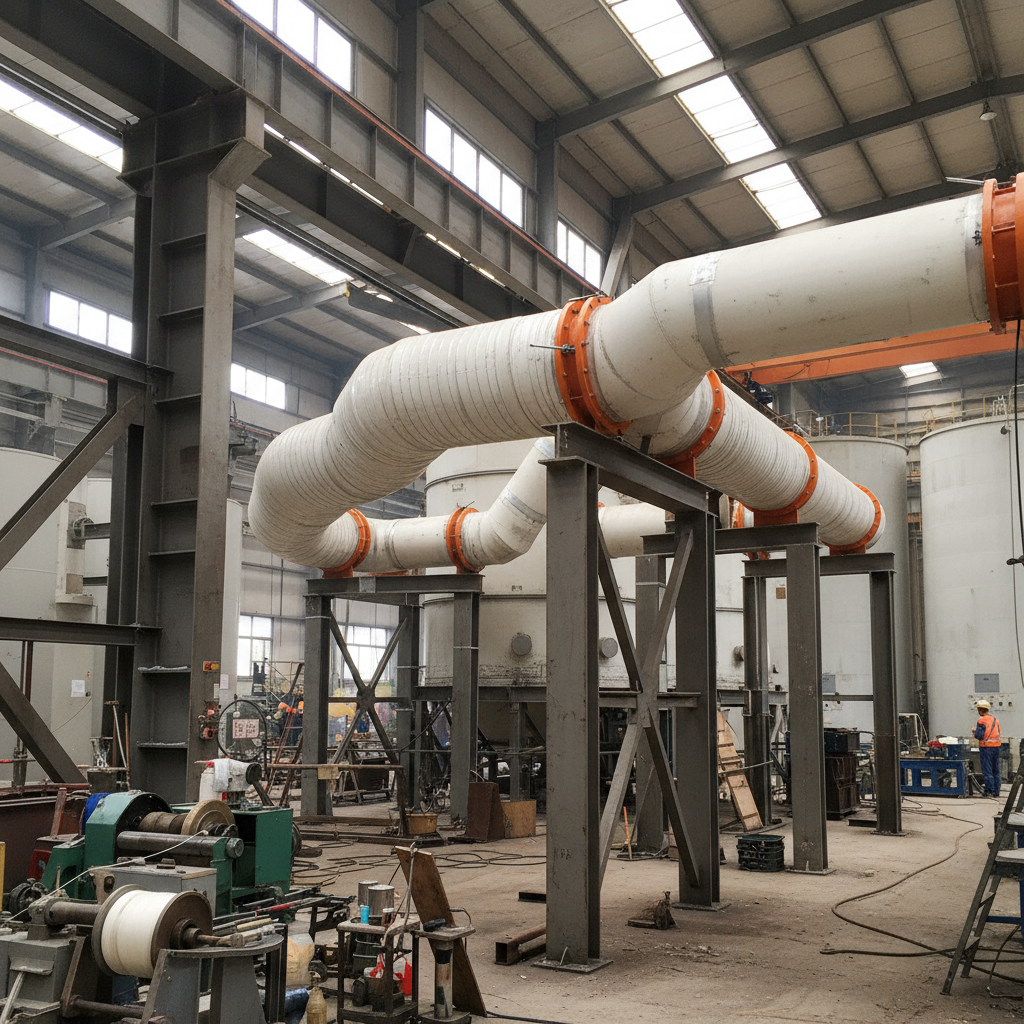
Fiberglass duct systems are rapidly becoming a cornerstone of modern industrial infrastructure, offering a compelling alternative to traditional metal ductwork. Their inherent corrosion resistance, lightweight nature, and superior insulation properties address critical challenges in a wide range of applications, from chemical processing and wastewater treatment to power generation and HVAC systems. Understanding the benefits and nuances of fiberglass duct is essential for engineers, facility managers, and procurement specialists seeking durable, efficient, and cost-effective solutions.
The global demand for robust and reliable ducting systems is driven by increasing industrial activity, stringent environmental regulations, and the need for enhanced operational efficiency. According to recent reports from the World Bank, investments in infrastructure are projected to exceed $1 trillion annually in the coming decade, creating a substantial market for advanced materials like fiberglass reinforced polymers (FRP). This growth is particularly pronounced in emerging economies where infrastructure development is accelerating.
Fiberglass duct solves a fundamental problem: the degradation of traditional ductwork due to corrosion, leading to costly repairs, downtime, and potential environmental hazards. It provides a lasting solution that reduces life-cycle costs and ensures operational continuity, making it a crucial component in sustainable industrial practices.
The Fundamentals of Fiberglass Duct
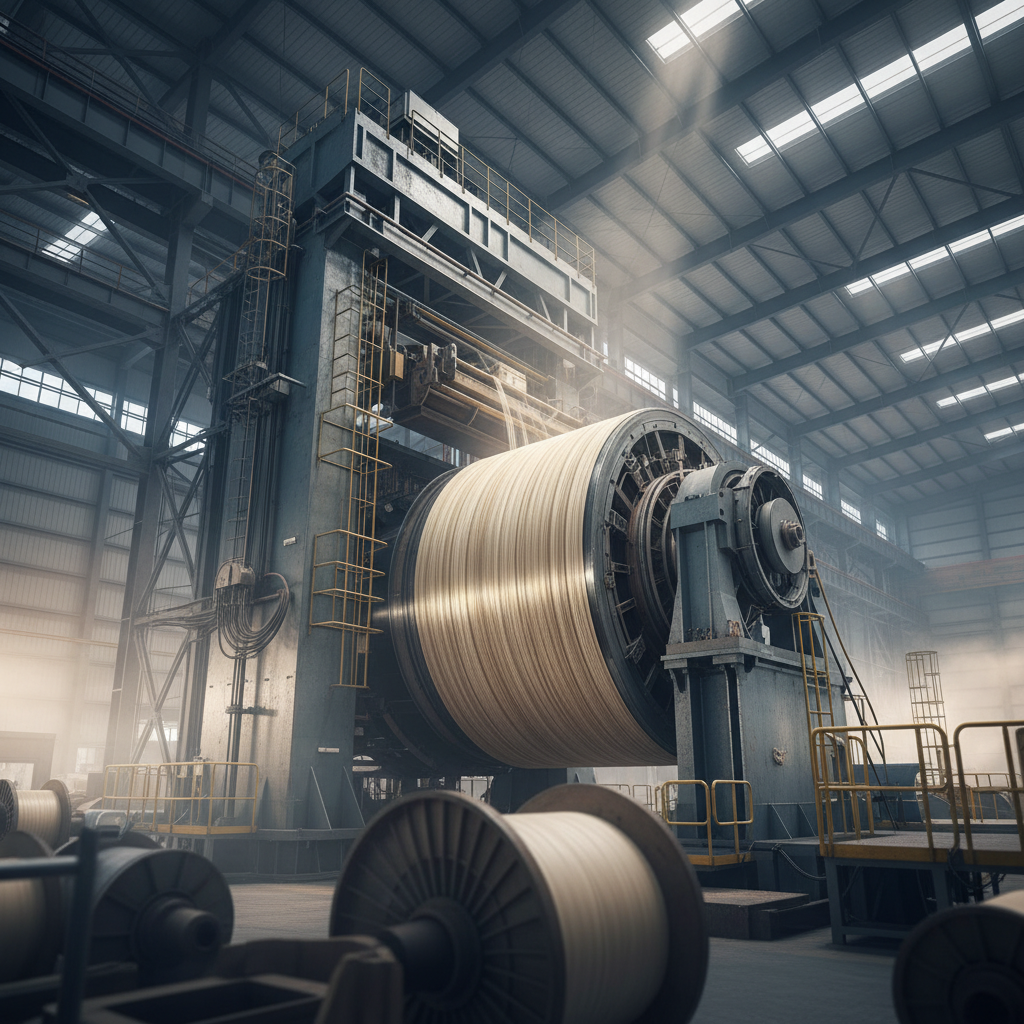
Fiberglass duct, at its core, is a composite material constructed from glass fibers embedded in a resin matrix. This combination yields a ducting solution that is remarkably strong yet lightweight, offering superior resistance to corrosion compared to traditional metallic alternatives. The manufacturing process allows for custom designs and shapes, making it adaptable to a diverse range of industrial applications.
The inherent properties of fiberglass—its high tensile strength, non-conductivity, and excellent thermal and acoustic insulation—contribute significantly to its effectiveness in fluid and gas conveyance systems. The ability to tailor the resin composition allows for optimization based on specific application requirements, such as chemical resistance or temperature tolerance.
Defining Fiberglass Duct and its Industrial Relevance
Fiberglass duct is a non-metallic piping system designed to transport air, gases, and fluids. It's composed of fiberglass reinforced plastic (FRP), making it exceptionally durable and resistant to corrosion, chemicals, and extreme temperatures. Unlike traditional metal ducts, fiberglass doesn’t rust or corrode, significantly extending its lifespan and reducing maintenance costs.
In modern industry, fiberglass duct is vital for maintaining process integrity in environments where corrosive substances are present. Its use is widespread in chemical processing plants, wastewater treatment facilities, pulp and paper mills, and power generation facilities. It’s increasingly adopted as a sustainable alternative to conventional materials, aligning with growing environmental concerns.
The relevance extends beyond industrial applications. Fiberglass duct plays a key role in maintaining air quality in buildings, preventing the spread of pollutants, and ensuring a safe and healthy environment for occupants. This is particularly important in healthcare facilities and laboratories where stringent air quality standards are required.
Core Characteristics of Fiberglass Duct
One of the defining characteristics of fiberglass duct is its exceptional corrosion resistance. The fiberglass material doesn’t react with most chemicals, acids, or alkalis, making it ideal for handling aggressive substances without degradation. This feature alone dramatically lowers lifecycle costs by eliminating the need for frequent replacements or repairs.
Fiberglass duct’s lightweight nature simplifies installation and reduces structural support requirements. Compared to steel or concrete ductwork, fiberglass is significantly lighter, reducing transportation costs and minimizing the need for heavy lifting equipment. This translates into faster project completion times and lower overall construction expenses.
Fiberglass provides excellent thermal and acoustic insulation properties. The material’s inherent structure traps air, reducing heat transfer and minimizing noise transmission. This makes fiberglass duct a valuable asset in applications where temperature control and noise reduction are critical, such as HVAC systems and power plants.
Global Applications and Use Cases of Fiberglass Duct
Fiberglass duct finds extensive applications in the chemical processing industry, where it safely conveys corrosive fluids and gases without degradation. Its resistance to chemical attack ensures process integrity and minimizes the risk of leaks or failures. Similar applications exist in wastewater treatment plants, where the ducting handles highly corrosive effluents.
The power generation sector utilizes fiberglass duct for flue gas handling, effectively managing exhaust gases from power plants while resisting high temperatures and corrosive byproducts. In pulp and paper mills, it’s employed for conveying process chemicals and managing effluent streams. Across these industries, the need for reliable, corrosion-resistant ducting drives demand.
Furthermore, fiberglass duct is increasingly deployed in HVAC systems for commercial and industrial buildings, providing efficient air distribution and improved indoor air quality. In post-disaster relief operations, lightweight and rapidly deployable fiberglass duct systems can provide crucial ventilation and air filtration capabilities to temporary shelters and medical facilities.
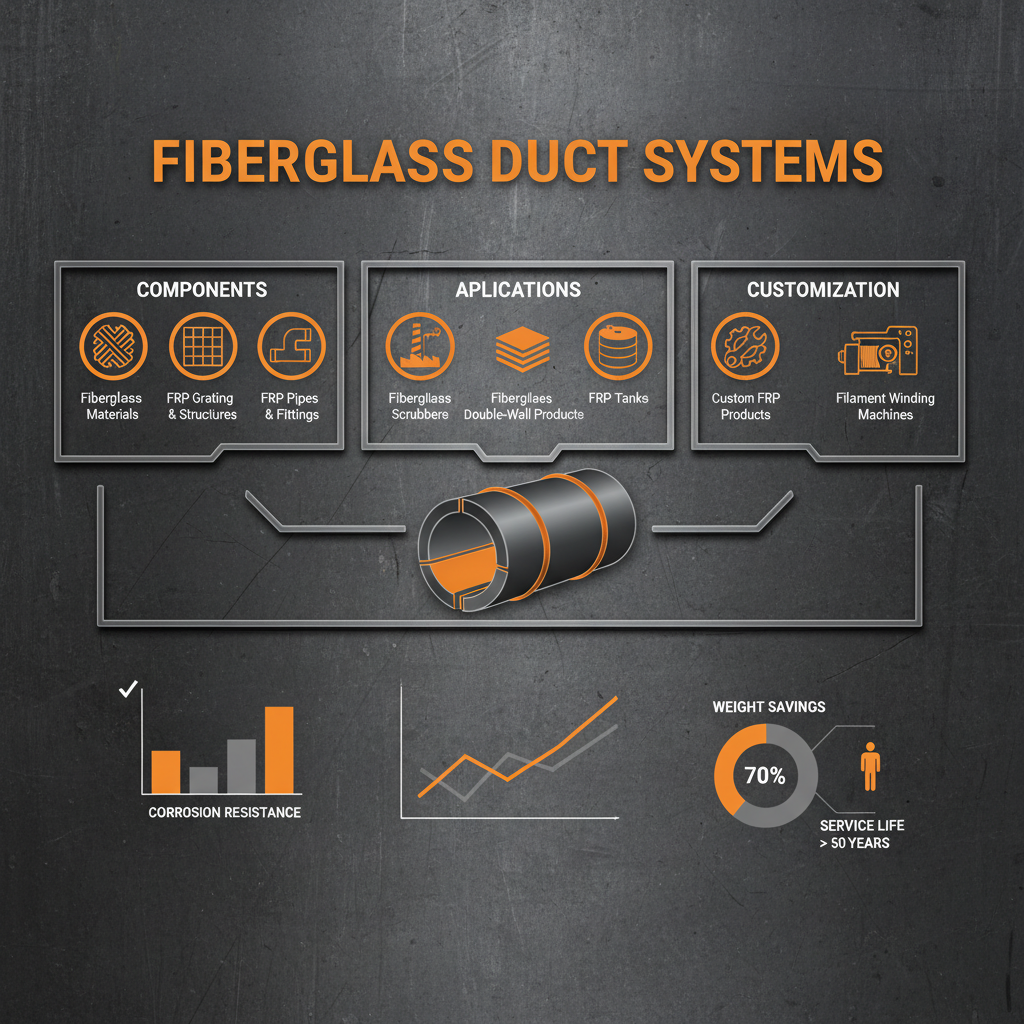
Fiberglass Duct Performance Comparison
Advantages and Long-Term Value Proposition
The primary advantage of fiberglass duct lies in its superior corrosion resistance, minimizing lifecycle costs associated with repairs and replacements. This long-term durability translates into significant savings, particularly in harsh industrial environments. Furthermore, the reduced weight simplifies installation, lowering labor costs and improving project timelines.
Fiberglass duct contributes to sustainability efforts by reducing the need for frequent material replacements, lowering resource consumption and waste generation. Its thermal insulation properties also reduce energy consumption, contributing to lower operating costs and a smaller carbon footprint. The inherent safety benefits—absence of rust, reduced risk of leaks—enhance workplace safety and environmental protection.
Future Trends and Innovations in Fiberglass Duct Technology
Ongoing research and development efforts are focused on enhancing the performance characteristics of fiberglass duct, including increased strength, improved chemical resistance, and enhanced fire retardancy. Nanomaterial integration is being explored to create composite materials with superior mechanical properties.
The adoption of digital technologies, such as 3D printing and robotic manufacturing, is enabling the production of complex fiberglass duct geometries with greater precision and efficiency. Integration with smart sensors and monitoring systems allows for real-time performance assessment and predictive maintenance, optimizing operational efficiency.
Challenges and Solutions in Fiberglass Duct Implementation
A common challenge is the potential for damage during handling and installation. Proper training and adherence to best practices are crucial to minimize the risk of cracking or fiber separation. Utilizing protective coatings and reinforcement techniques can further enhance durability.
Another challenge is ensuring proper sealing and joining techniques to prevent leaks. Employing qualified installers experienced in FRP materials and utilizing appropriate adhesives and sealing compounds are essential. Regular inspections and maintenance are also vital to identify and address any potential issues proactively.
Addressing concerns about fire resistance is critical. Selecting fiberglass duct systems with appropriate fire-retardant coatings and adhering to relevant building codes and safety standards are paramount to ensure fire safety. Ongoing material science advancements are continuously improving the fire performance of FRP composites.
Fiberglass Duct Implementation Comparison
| Installation Complexity |
Maintenance Frequency |
Corrosion Resistance Level |
Long-Term Cost Savings |
| Low |
Very Low |
10/10 |
High |
| Medium |
Low |
9/10 |
Medium |
| High |
Medium |
7/10 |
Low |
| Medium |
Low |
8/10 |
Medium |
| Low |
Very Low |
9/10 |
High |
| High |
Medium |
6/10 |
Low |
FAQS
Fiberglass duct offers significant advantages including superior corrosion resistance, lighter weight for easier installation, and excellent thermal and acoustic insulation properties. Unlike metal, it won’t rust or corrode, reducing maintenance and extending its lifespan. This leads to lower lifecycle costs and enhanced operational efficiency, especially in corrosive environments.
Fiberglass duct can handle moderate temperatures, but its temperature limitations depend on the specific resin system used in its construction. Specialized resins and coatings can enhance its heat resistance, making it suitable for some high-temperature applications. However, it’s crucial to consult manufacturer specifications and ensure the duct is appropriately rated for the intended temperature range.
Fiberglass duct promotes sustainability by reducing the need for frequent replacements, lowering material consumption and waste generation. Its thermal insulation properties minimize energy loss, contributing to lower operating costs and a smaller carbon footprint. The inherent durability and long lifespan of fiberglass duct aligns with principles of circular economy and resource conservation.
The lifespan of a fiberglass duct system can exceed 50 years, significantly longer than traditional metal ductwork. Its corrosion resistance and inherent durability minimize the need for repairs or replacements. However, lifespan can vary depending on environmental conditions, operating temperatures, and maintenance practices. Regular inspections and preventative maintenance can further extend its service life.
Proper handling and installation are crucial to avoid damage to the fiberglass. Qualified installers with experience in FRP materials should be employed. Adhering to manufacturer guidelines regarding cutting, joining, and sealing is essential to ensure a leak-free and durable system. Utilizing appropriate adhesives and sealing compounds designed for fiberglass is also vital.
While the initial material cost of fiberglass duct may be slightly higher than some metal options, the long-term cost savings often outweigh the initial investment. Reduced maintenance, extended lifespan, and improved energy efficiency contribute to a lower total cost of ownership. Lightweight construction also lowers installation costs.
Conclusion
In conclusion, fiberglass duct represents a significant advancement in industrial ducting technology. Its exceptional corrosion resistance, lightweight nature, superior insulation properties, and long-term cost-effectiveness make it an ideal solution for a wide range of applications. From chemical processing and wastewater treatment to power generation and HVAC systems, fiberglass duct provides a reliable and sustainable alternative to traditional materials.
Looking ahead, continued innovation in materials science and manufacturing processes will further enhance the performance and versatility of fiberglass duct. Embracing this technology is not just a matter of cost savings but also a commitment to environmental responsibility and long-term operational resilience. For more information and to explore how fiberglass duct can benefit your specific application, visit our website: www.jrain-frp.com