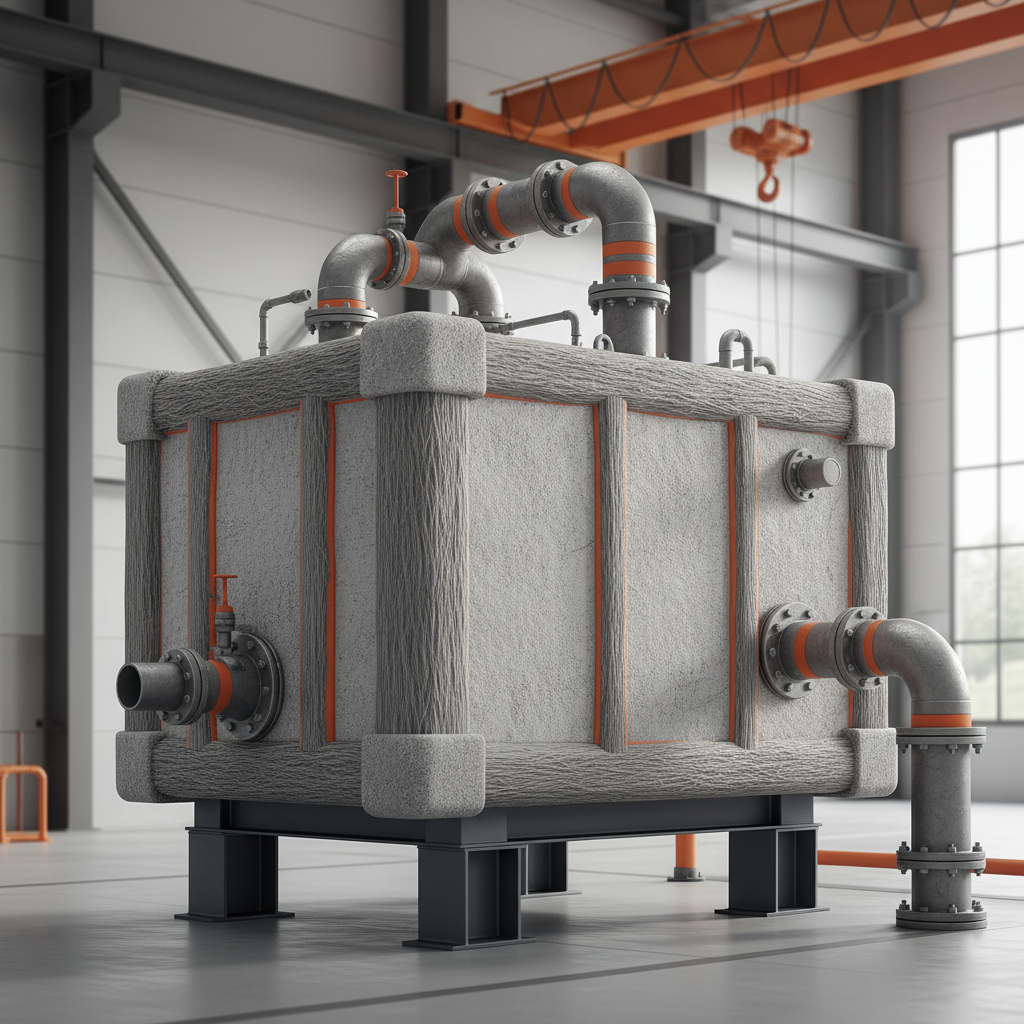
Fiberglass rectangular tanks are becoming increasingly vital across numerous industries, from water treatment and chemical storage to agricultural applications and even firefighting. It's not just a trend; it's a response to the demands for safer, more durable, and cost-effective containment solutions. I’ve spent years on-site watching traditional steel tanks corrode and concrete basins crack, and the difference a good fiberglass rectangular tank makes is night and day – it’s genuinely a game-changer for project longevity and peace of mind.
What's driving this shift? Simply put, fiberglass offers a compelling combination of properties. Traditional materials often fall short when it comes to resisting harsh chemicals, extreme temperatures, or prolonged exposure to the elements. Fiberglass, on the other hand, delivers exceptional resistance, reducing maintenance needs and extending service life. I've seen first-hand how much money and downtime companies save by choosing fiberglass over steel or concrete.
You're not just buying a tank; you’re investing in reliability. And frankly, in my line of work, reliability is everything. When a tank fails, it’s not just an inconvenience; it can be an environmental disaster or a major safety hazard. The consistent quality and predictable performance of fiberglass rectangular tanks are what make them so appealing to engineers and project managers alike.
The Rising Importance of Fiberglass Rectangular Tanks
For years, I’ve seen the limitations of traditional storage tanks. Steel rusts, concrete cracks, and both require constant maintenance. Fiberglass rectangular tanks offer a compelling alternative because of their inherent durability. They’re lightweight yet incredibly strong, making them easier to transport and install, which directly translates to cost savings on any project. The demand for these tanks is growing exponentially, driven by stricter environmental regulations and a need for long-term reliability.
We're seeing a significant increase in projects specifying fiberglass, particularly in industries where chemical resistance is paramount. The initial investment might be slightly higher than some alternatives, but the lifecycle cost is significantly lower due to reduced maintenance, repairs, and replacement frequency. It's a smart investment that pays off in the long run – something I always emphasize to clients.
Understanding Fiberglass Rectangular Tanks
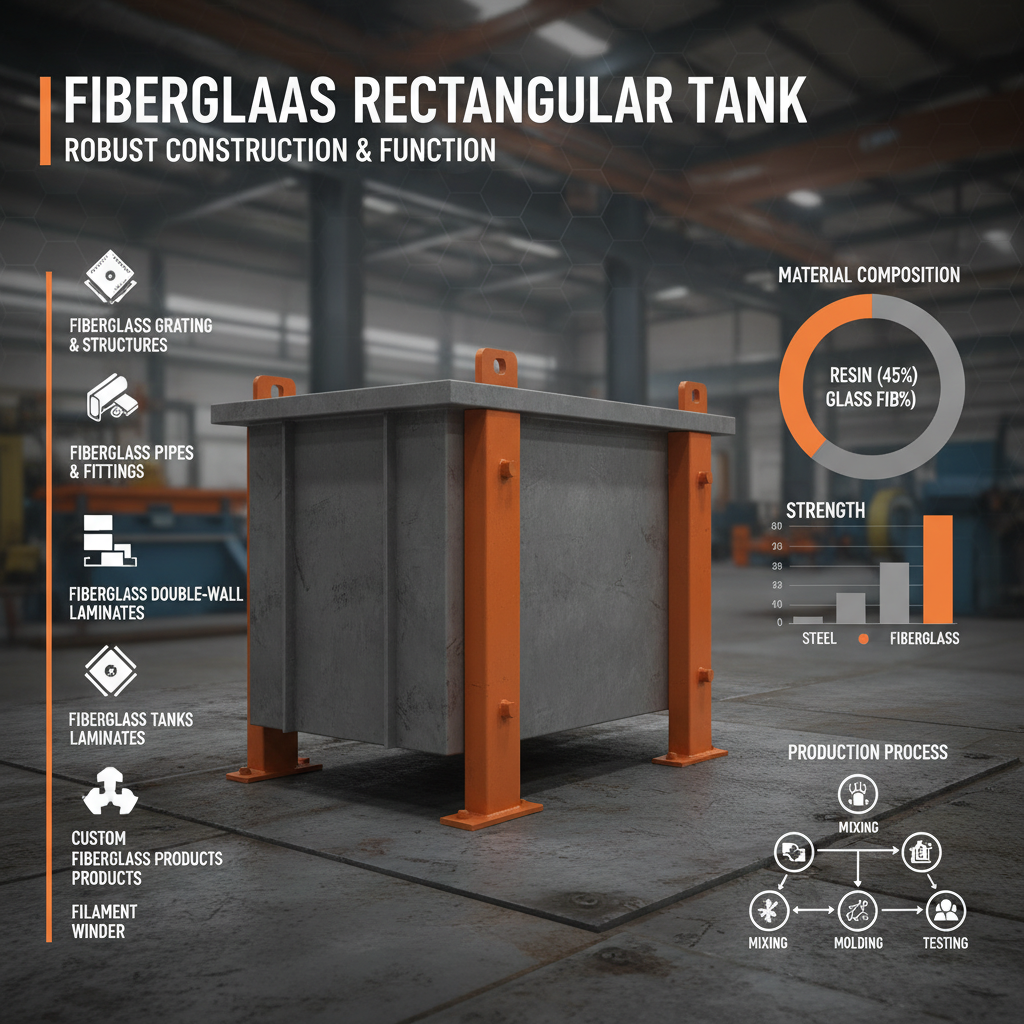
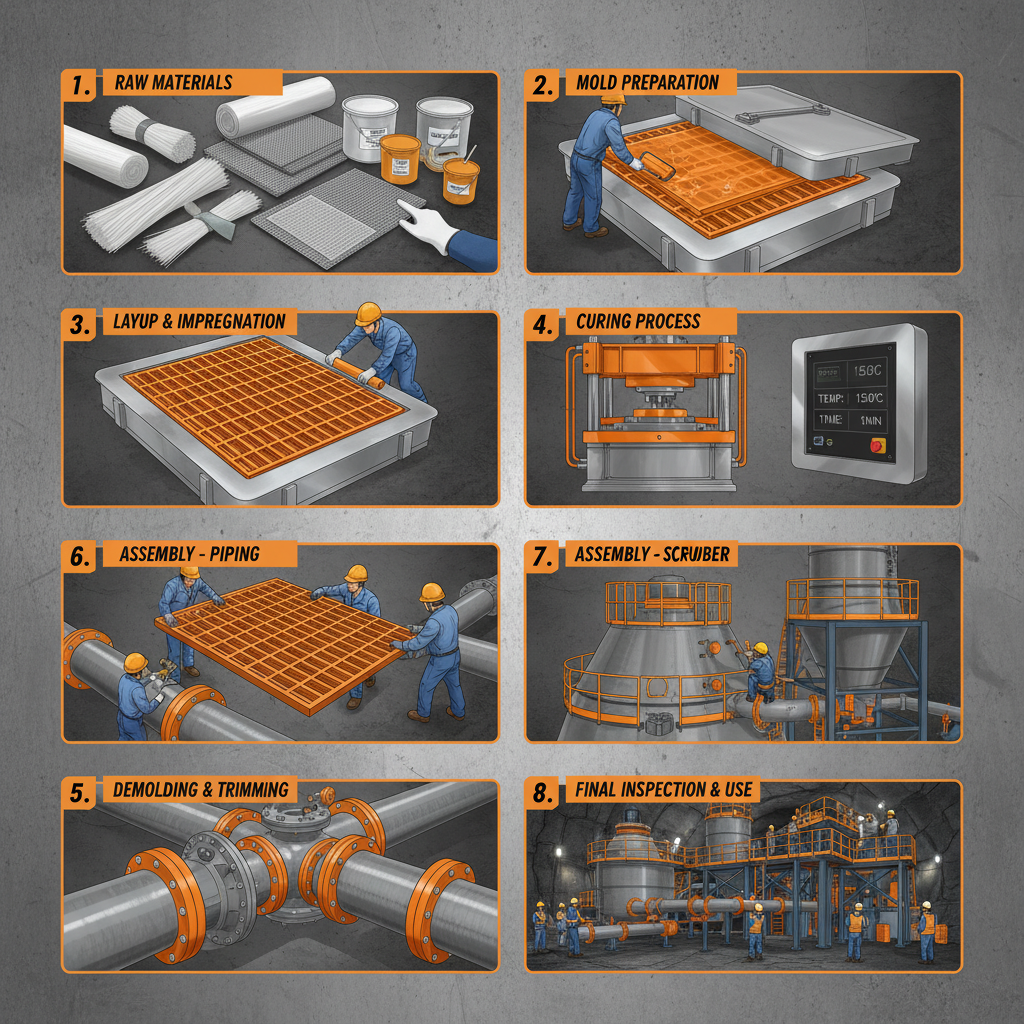
Simply put, a fiberglass rectangular tank is a containment vessel constructed from reinforced fiberglass plastic. It's not just plastic; it's a composite material made by combining glass fibers with a polymer matrix, typically a polyester or vinyl ester resin. This combination creates a material that's incredibly strong, lightweight, and resistant to a wide range of chemicals and environmental factors. What often gets overlooked is the engineering that goes into the tank’s design and construction.
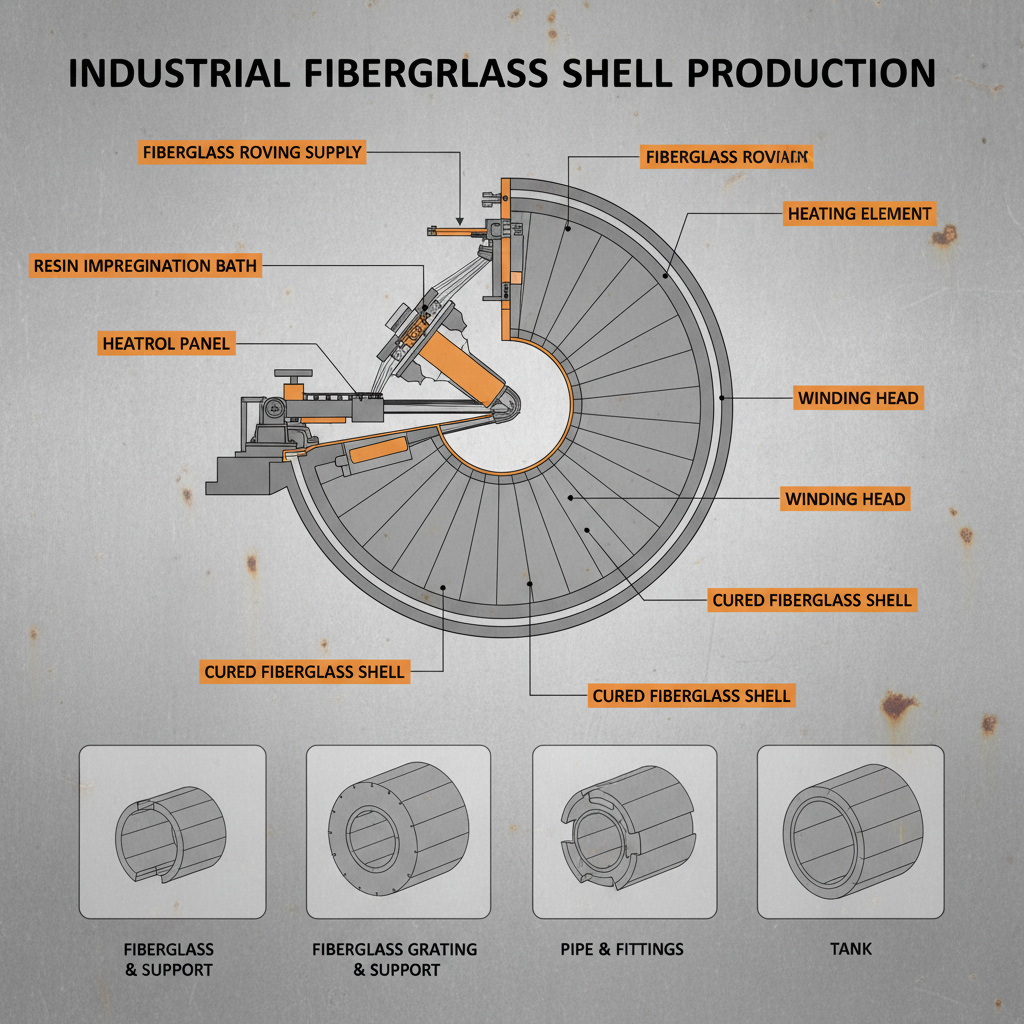
These tanks aren’t one-size-fits-all. They’re custom-built to meet specific requirements – volume, dimensions, chemical compatibility, temperature ranges, and regulatory compliance. We work closely with engineers and clients to ensure each tank is perfectly tailored to its intended application. The manufacturing process itself is crucial, requiring skilled technicians and precise quality control.
The versatility of fiberglass rectangular tanks makes them crucial across diverse industries, especially where maintaining liquid integrity is paramount. They're essential for things like potable water storage, wastewater treatment, and handling corrosive chemicals, and they often align with modern industrial and humanitarian requirements for safe and reliable fluid containment.
Key Factors Driving Adoption
Durability is the biggest factor, hands down. I’ve pulled up tanks after 20 years of continuous use that look almost new. Steel tanks of comparable age? They’re usually riddled with corrosion and nearing the end of their life. The resistance to corrosion extends the lifespan significantly, reducing replacement costs and minimizing downtime. That reliability is priceless, especially in critical applications.
Scalability is another huge advantage. Fiberglass rectangular tanks can be manufactured in virtually any size and shape, allowing for customized solutions to fit specific site constraints and volume requirements. I’ve worked on projects where we needed tanks that fit into tight spaces – something that would have been impossible with traditional concrete or steel options.
Cost efficiency isn't just about the initial price tag. It’s about the total cost of ownership. Reduced maintenance, longer lifespan, and lower installation costs all contribute to significant savings over the life of the tank. I've often had to explain this to clients who initially balk at the upfront investment, but once they see the long-term benefits, they understand.
Global Applications & Real-World Use Cases
I've seen fiberglass rectangular tanks used in everything from municipal water treatment plants to remote mining operations. In post-disaster relief operations, these tanks provide a critical source of clean water. They're also prevalent in the agricultural sector for storing fertilizers and pesticides. The versatility is really remarkable.
In the chemical processing industry, where corrosive substances are the norm, fiberglass tanks are essential for safe and reliable containment. They're also increasingly used in the oil and gas industry for storing produced water and other fluids. I recently worked on a project in the Middle East where fiberglass tanks were used to store desalinated water, showcasing their suitability for even the most demanding environments.
Fiberglass Rectangular Tank Performance Metrics
Advantages & Long-Term Value Proposition
The tangible benefits are clear: lower maintenance costs, extended service life, and reduced risk of leaks and spills. But it goes beyond that. Fiberglass tanks offer a greater level of safety, knowing you're not dealing with a corroding vessel. This translates to a more secure working environment.
There's also the sustainability aspect. Fiberglass tanks are durable enough to require fewer replacements, reducing waste and minimizing the environmental impact. The peace of mind that comes with choosing a reliable, long-lasting solution is invaluable. It's about building infrastructure that stands the test of time and protects the environment.
Future Trends & Technological Innovations
We’re starting to see advancements in fiberglass resin technology, leading to even stronger and more chemically resistant materials. Smart tank monitoring systems, incorporating sensors to track liquid levels, temperature, and structural integrity, are also becoming more common. This data provides valuable insights for predictive maintenance and optimized operations.
The integration of digital technologies, like 3D modeling and automated manufacturing processes, will further enhance the precision and efficiency of fiberglass tank production. I’m also keeping an eye on developments in bio-based resins, which could potentially reduce the environmental footprint of fiberglass manufacturing.
Challenges & Innovative Solutions
One common challenge is the initial cost compared to some traditional materials. But, as I’ve stressed, the lifecycle cost is almost always lower with fiberglass. Another concern is the potential for osmosis in certain applications. However, advancements in barrier resins and coating technologies are effectively addressing this issue.
Transportation can also be a challenge due to the size and fragility of some tanks. Careful planning and specialized transportation equipment are essential. But overall, the benefits of fiberglass rectangular tanks far outweigh the challenges.
There’s also a growing need for skilled technicians to properly install and maintain these tanks. Investing in training and certification programs is crucial to ensure long-term performance and safety. It’s about building a skilled workforce that can handle these advanced materials effectively.
Fiberglass Rectangular Tank Performance Analysis
| Tank Application |
Chemical Resistance |
Installation Difficulty (1-10) |
Lifecycle Cost (1-10) |
| Potable Water Storage |
Excellent |
4 |
9 |
| Wastewater Treatment |
Very Good |
5 |
8 |
| Chemical Storage (Acids) |
Excellent |
6 |
10 |
| Fertilizer Storage |
Good |
4 |
7 |
| Oil & Gas Produced Water |
Very Good |
7 |
8 |
| Firefighting Water Reserve |
Excellent |
3 |
9 |
FAQS
Fiberglass tanks are significantly lighter than steel, making them easier to transport and install. They're also inherently corrosion-resistant, eliminating the need for costly coatings and repairs. This translates to a longer lifespan and lower lifecycle costs. From what I've seen on job sites, the reduction in maintenance alone justifies the investment.
Absolutely, provided the correct resin system is selected. Vinyl ester and epoxy resins offer exceptional chemical resistance, making them suitable for a wide range of corrosive substances. We always perform thorough compatibility testing to ensure the tank will withstand the specific chemicals being stored.
With proper installation and maintenance, a fiberglass tank can easily last 25-50 years, and often even longer. We’ve inspected tanks older than that that are still in excellent condition. This durability is a major factor driving their increasing popularity.
While fiberglass is strong, it can be susceptible to impact damage. Proper handling and transportation procedures are crucial. We use specialized packaging and transportation methods to minimize the risk of damage. On-site, careful unloading and placement are also essential.
Fiberglass tanks require minimal maintenance. Regular visual inspections for cracks or damage are recommended. Occasional cleaning to remove sediment buildup is also advisable. Unlike steel tanks, they don't need to be repainted or recoated to prevent corrosion.
Compared to steel, fiberglass production has a lower environmental impact. The long lifespan of fiberglass tanks reduces the need for frequent replacements, minimizing waste. Furthermore, the reduced risk of leaks and spills helps protect the environment from contamination. We’re also seeing advancements in bio-based resins, making the manufacturing process even more sustainable.
Conclusion
Fiberglass rectangular tanks represent a significant advancement in containment technology. Their combination of durability, scalability, cost-effectiveness, and chemical resistance makes them an ideal solution for a wide range of applications. As industries continue to prioritize safety, sustainability, and long-term value, the demand for these tanks will undoubtedly continue to grow.
Investing in fiberglass rectangular tanks isn't just about buying a container; it's about investing in peace of mind, operational efficiency, and a more sustainable future. If you're facing a liquid storage challenge, I highly recommend considering fiberglass. To learn more about how a fiberglass rectangular tank can benefit your project, visit our website: fiberglass rectangular tank.