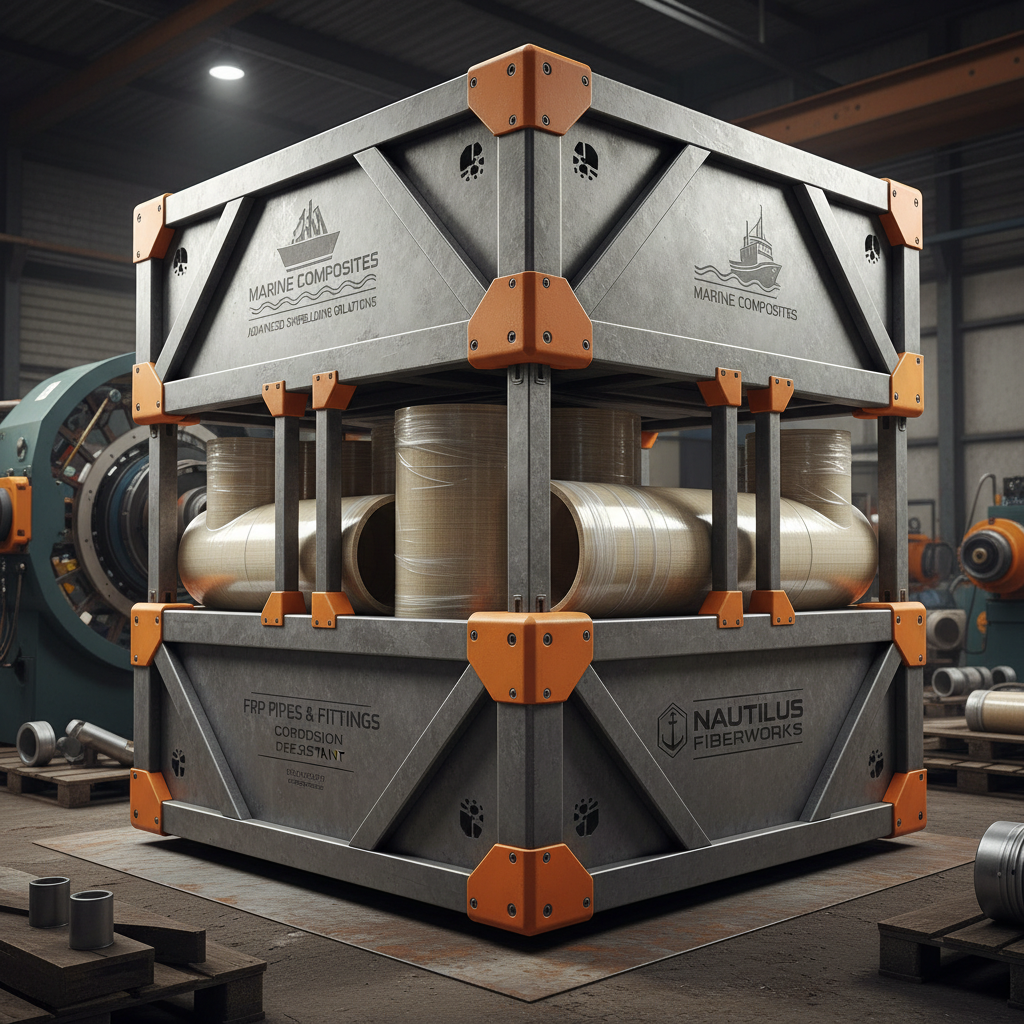
Fiber Reinforced Polymer (FRP) food grade equipment represents a significant advancement in the food processing and handling industries. Globally, the demand for hygienic, durable, and lightweight materials in food production is constantly increasing, driven by stricter safety regulations, a growing population, and the need for efficient and sustainable processes. This equipment offers solutions for a wide range of applications, from storage tanks and pipelines to processing vessels and structural components, ultimately contributing to improved food safety and reduced operational costs.
The relevance of frp food grade equipment extends beyond mere manufacturing. Increasingly, it's vital for emergency food distribution, disaster relief, and remote food processing facilities where traditional materials may be impractical or unavailable. Organizations like the World Food Programme (WFP) and UNICEF are utilizing durable, easily deployable solutions for food storage and transportation, mirroring a trend supported by ISO 22000 food safety management standards.
Understanding the benefits of frp food grade equipment is crucial for food producers, processing plants, and aid organizations alike. Its unique properties – corrosion resistance, light weight, high strength, and ease of cleaning – provide tangible advantages over traditional materials like stainless steel, contributing to longer lifecycles, reduced maintenance, and enhanced food safety. Furthermore, exploring innovative applications of this technology can unlock new opportunities for efficiency and sustainability in the food supply chain.
Introduction to frp food grade equipment
frp food grade equipment is rapidly becoming a cornerstone of modern food processing infrastructure. Its inherent advantages in hygiene, corrosion resistance, and durability are driving its adoption across a diverse range of applications. This is not merely a trend towards material substitution, but a fundamental shift in how food safety and processing efficiency are approached.
The increasing scrutiny of food safety standards globally requires materials that can consistently meet stringent hygiene requirements. Stainless steel has long been the industry standard, but frp food grade equipment offers a compelling alternative, often surpassing stainless steel in certain performance areas, particularly concerning lightweight construction and customization possibilities. frp food grade equipment is quickly becoming a necessity.
Defining frp food grade equipment
frp food grade equipment refers to products fabricated using Fiber Reinforced Polymer (FRP) composites specifically designed and certified for use in contact with food products. FRP materials typically consist of a polymer matrix (such as polyester, vinyl ester, or epoxy resin) reinforced with fibers (like fiberglass, carbon fiber, or aramid fiber). The “food grade” designation is crucial, indicating that the resins and other materials used in the composite meet the stringent requirements of regulatory bodies like the FDA (Food and Drug Administration) and EFSA (European Food Safety Authority).
This technology isn't simply about using plastic; it's about engineering a material with tailored properties. The combination of fibers and resins creates a lightweight yet incredibly strong material resistant to corrosion, chemicals, and temperature fluctuations. This makes it ideal for harsh food processing environments where traditional materials might degrade or contaminate food products.
The use of frp food grade equipment aligns directly with modern industry needs for improved sanitation and minimized risk of contamination. Its non-porous surface prevents bacterial growth and is easy to clean, facilitating compliance with rigorous hygiene protocols, a necessity in today’s highly regulated food industry.
Key Characteristics of frp food grade equipment
Several key characteristics define the performance and advantages of frp food grade equipment. Firstly, corrosion resistance is paramount. Unlike steel, FRP doesn’t rust or corrode when exposed to acids, alkalis, or salts commonly found in food processing. This translates into longer equipment lifespan and reduced maintenance costs.
Secondly, lightweight construction is a significant benefit. FRP is considerably lighter than steel, simplifying installation, reducing structural support requirements, and lowering transportation costs. This aspect is particularly important for mobile food processing units or installations in challenging locations.
Thirdly, design flexibility allows for the creation of complex shapes and custom configurations, optimizing processes and minimizing dead zones where bacteria can accumulate. Fourthly, thermal insulation properties contribute to energy efficiency by reducing heat loss or gain during processing. Finally, easy cleanability and a smooth, non-porous surface ensure superior hygiene.
Practical Applications of frp food grade equipment
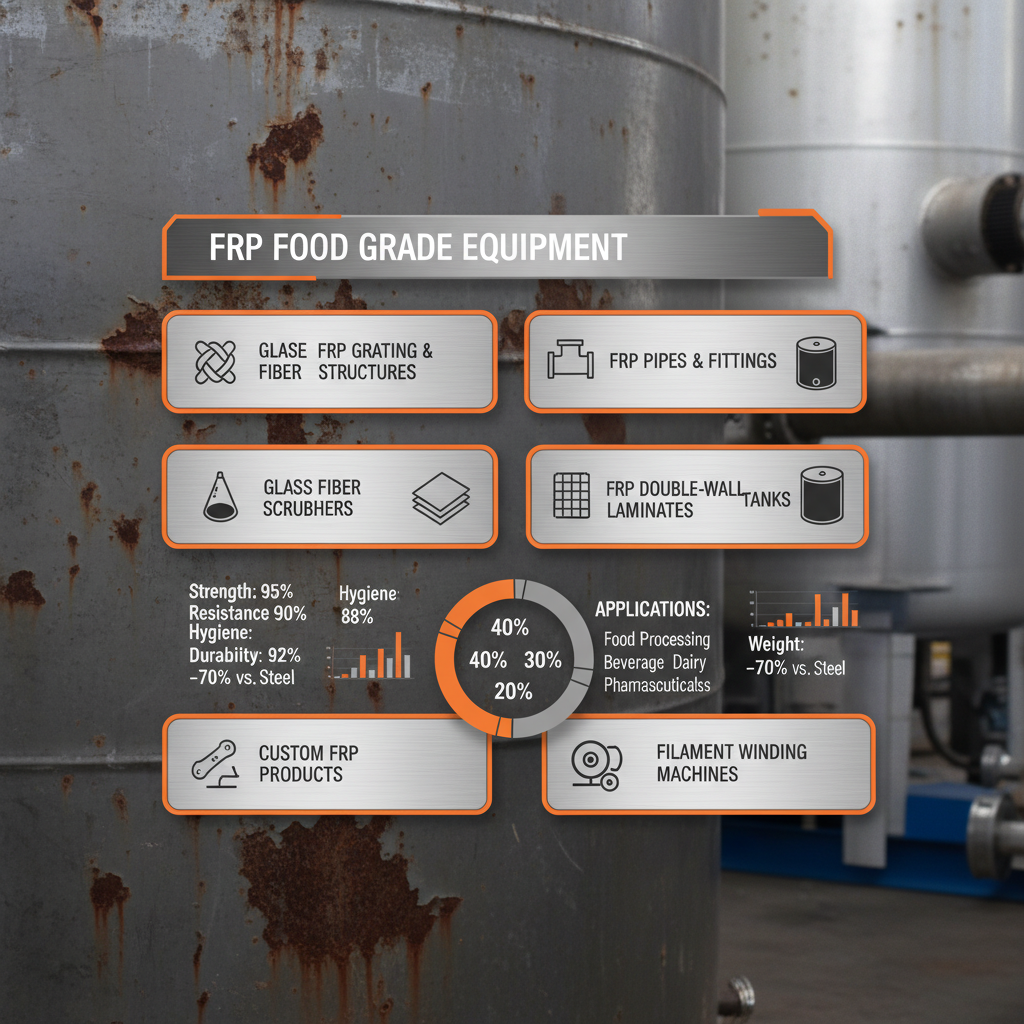
The applications of frp food grade equipment are remarkably diverse. Common uses include storage tanks for liquids like syrups, oils, and dairy products; piping systems for transporting food ingredients; process vessels for mixing and blending; and structural components for food processing platforms and walkways.
Specific examples include large-diameter tanks for juice concentration, customized mixing vessels for confectionery production, and corrosion-resistant trays for meat processing plants. The ability to mold FRP into complex shapes also allows for the creation of specialized components tailored to specific processing needs, improving efficiency and reducing waste.
Performance Comparison of Different frp food grade equipment Methods
Global Use Cases for frp food grade equipment
The demand for frp food grade equipment is global, with increasing adoption in both developed and developing countries. In North America and Europe, food processing plants are upgrading their infrastructure to improve hygiene and meet increasingly stringent regulations. In regions like Southeast Asia and Africa, the demand is driven by the need for cost-effective and durable solutions for growing food processing industries.
For example, in post-disaster relief operations, lightweight and rapidly deployable frp food grade storage tanks are crucial for providing safe water and food supplies to affected communities. Similarly, in remote industrial zones, where access to traditional materials and repair services is limited, the durability and low maintenance of frp equipment provide a significant advantage.
Advantages and Long-Term Value
The benefits of investing in frp food grade equipment extend far beyond initial cost savings. Reduced maintenance requirements, extended lifespan, and improved hygiene translate into significant long-term value. The inherent corrosion resistance eliminates the need for costly repairs and replacements, minimizing downtime and maximizing productivity.
Furthermore, the lightweight nature of FRP contributes to energy efficiency during transportation and installation. The enhanced safety profile, thanks to its non-toxic and non-reactive properties, builds trust with consumers and regulators alike. Embracing this technology is an investment in sustainability and a commitment to delivering safe, high-quality food products.
Choosing frp food grade equipment showcases an organization's commitment to innovation and responsible manufacturing practices, attracting investors and strengthening its brand reputation.
Future Trends in frp food grade equipment
The future of frp food grade equipment is bright, with several exciting trends on the horizon. One key area of innovation is the development of bio-based resins, reducing reliance on fossil fuels and creating more sustainable materials. Furthermore, advancements in fiber technology, such as the use of graphene and carbon nanotubes, are leading to even stronger and lighter composites.
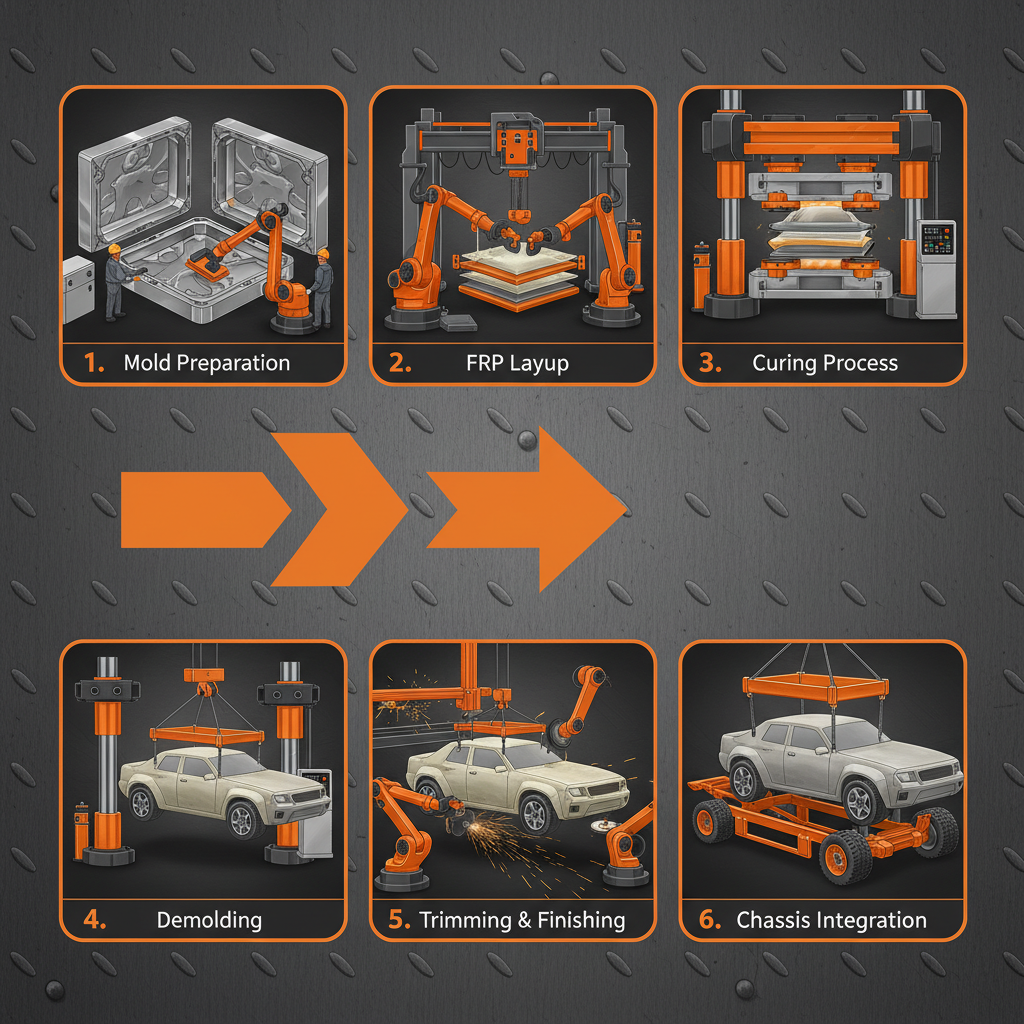
Digitalization also plays a crucial role. Integrating sensors into FRP equipment allows for real-time monitoring of temperature, pressure, and other critical parameters, enabling predictive maintenance and optimizing process control. Automation and robotic manufacturing techniques are streamlining production processes and lowering costs.
Finally, increasing focus on circular economy principles will drive the development of recyclable and biodegradable FRP materials, minimizing waste and promoting a more sustainable food system.
Challenges and Solutions
Despite the numerous advantages, several challenges remain in the widespread adoption of frp food grade equipment. One key hurdle is the initial cost, which can sometimes be higher than traditional materials like stainless steel. However, a life-cycle cost analysis often reveals that frp offers superior value due to reduced maintenance and extended lifespan.
Another challenge is the need for specialized expertise in design and fabrication. Ensuring proper resin selection, fiber orientation, and manufacturing processes is critical to achieving optimal performance and food safety compliance. Investment in training and certification programs can help address this skill gap.
Finally, standardization of testing and certification procedures is essential to build confidence and facilitate global trade. Collaborative efforts between industry stakeholders and regulatory bodies can help establish clear guidelines and ensure consistent quality.
Summary of Challenges and Solutions for Implementing frp food grade equipment
| Challenge |
Impact on Implementation |
Potential Solution |
Implementation Cost (Scale 1-10) |
| High Initial Cost |
Discourages short-term investments |
Life-cycle cost analysis, government incentives |
6 |
| Lack of Skilled Labor |
Compromises fabrication quality |
Specialized training programs, certifications |
7 |
| Limited Standardization |
Creates uncertainty and hinders global trade |
Collaboration between industry and regulatory bodies |
8 |
| Material Perception |
Resistance to adoption due to unfamiliarity |
Educational campaigns, demonstration projects |
5 |
| Resin Degradation Concerns |
Long-term material stability under food contact |
Use of food-grade certified resins, regular testing |
6 |
| Repair Complexity |
Requires specialized skills for effective repair |
Develop standardized repair procedures, train technicians |
7 |
FAQS
Generally, frp food grade equipment boasts a lifespan comparable to or even exceeding stainless steel, particularly in corrosive environments. While stainless steel can suffer from pitting and corrosion over time, requiring costly repairs or replacements, FRP exhibits exceptional resistance to chemical attack. With proper maintenance and care, frp equipment can reliably operate for 20-30 years or more, delivering a significant return on investment, and reducing the total cost of ownership.
Compliance with food safety regulations is paramount. Reputable manufacturers of frp food grade equipment utilize resins and reinforcements that are certified by regulatory bodies like the FDA and EFSA. These materials undergo rigorous testing to ensure they do not leach harmful substances into food products. Furthermore, the non-porous surface of FRP prevents bacterial growth and facilitates easy cleaning and sanitation, essential components of HACCP (Hazard Analysis and Critical Control Points) programs.
The suitability of frp food grade equipment for high-temperature applications depends on the specific resin system used. Some resins, like certain vinyl esters and epoxies, exhibit excellent thermal stability and can withstand continuous operating temperatures up to 200°F (93°C). However, other resins may have lower temperature limits. It is crucial to consult with a manufacturer to select the appropriate material for the intended application and operating conditions to ensure optimal performance and safety.
While FRP is durable, damage can occur. Repairs are possible, but they require specialized expertise and materials. Minor damage can often be repaired on-site using appropriate FRP repair kits. However, significant damage may necessitate professional repair services. Proper repair procedures are critical to maintaining the structural integrity and food safety compliance of the equipment. frp food grade equipment repair services can be offered by the manufacturer.
One of the key advantages of frp food grade equipment is its ease of cleaning. The smooth, non-porous surface prevents bacterial adhesion and allows for effective sanitation using standard cleaning agents and procedures. High-pressure washing, steam cleaning, and chemical sanitizers can all be used safely on FRP surfaces. It's essential to follow the manufacturer's recommendations for cleaning procedures and avoid abrasive cleaners that could damage the surface.
Although the initial cost of frp food grade equipment may sometimes be higher than stainless steel, a life-cycle cost analysis often demonstrates significant long-term savings. FRP's superior corrosion resistance eliminates the need for frequent repairs and replacements, reducing downtime and maintenance expenses. Its lightweight nature lowers transportation and installation costs. Furthermore, the reduced risk of contamination enhances food safety and protects brand reputation. These factors combine to make frp a cost-effective investment over the equipment's lifespan.
Conclusion
In conclusion, frp food grade equipment represents a paradigm shift in food processing technology. Its unique combination of corrosion resistance, lightweight construction, design flexibility, and ease of cleaning delivers significant advantages over traditional materials. From enhancing food safety and reducing operational costs to promoting sustainability and enabling innovative processing solutions, the benefits are undeniable.
Looking ahead, continued innovation in materials science and manufacturing techniques will further expand the applications of frp food grade equipment. Embracing this technology is not merely an upgrade; it's an investment in a safer, more efficient, and more sustainable future for the food industry. Visit our website at www.jrain-frp.com to learn more about how we can help you optimize your food processing operations.