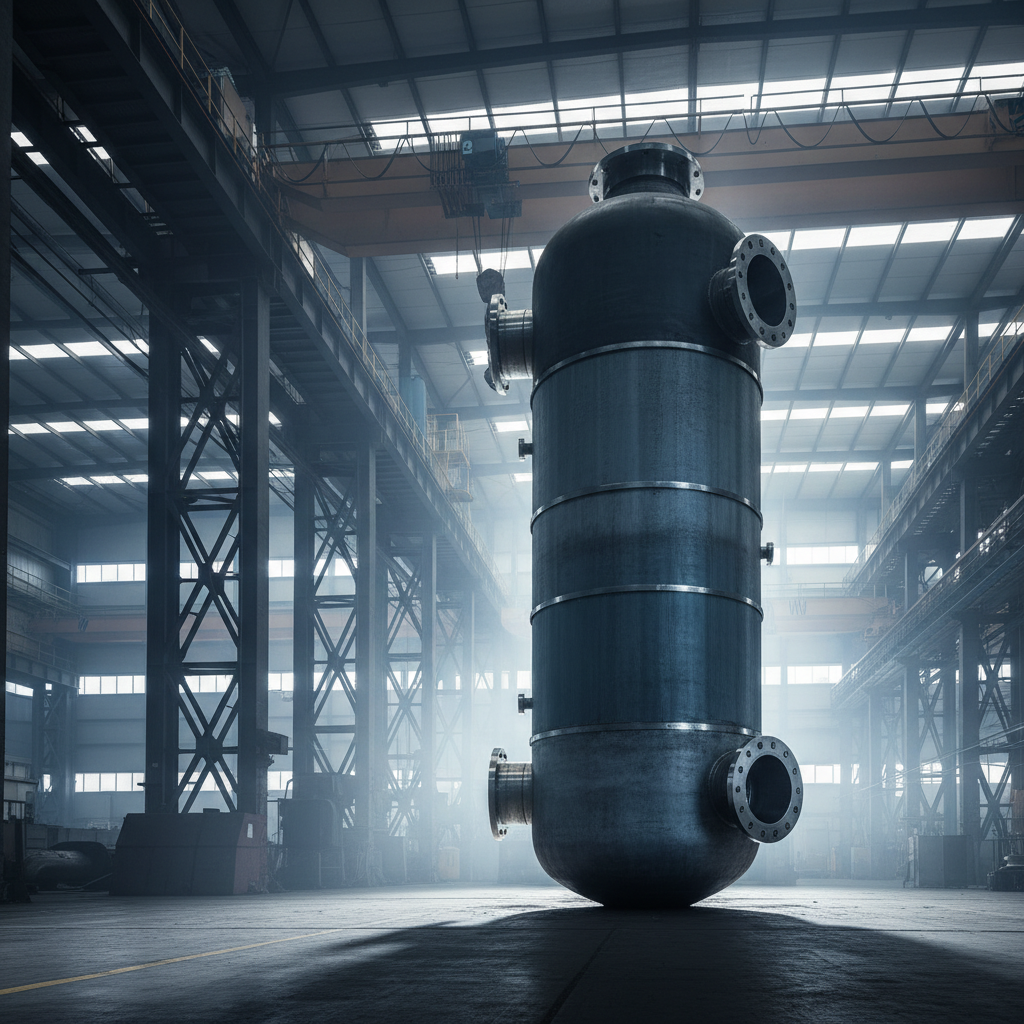
The maritime industry relies heavily on robust and reliable piping systems, and increasingly, those systems are being constructed from Fiber Reinforced Polymer (FRP) materials. frp pipes and fittings for ship building are revolutionizing vessel construction and maintenance due to their superior corrosion resistance, lightweight nature, and extended service life. This is particularly critical in harsh marine environments where traditional materials often fail prematurely, leading to costly repairs and downtime.
The global shipbuilding and repair market is a multi-billion dollar industry, and the demand for advanced materials like FRP is continuously growing. Factors driving this trend include stricter environmental regulations, the need for increased fuel efficiency (achieved through weight reduction), and a focus on long-term cost savings. The use of frp pipes and fittings for ship building is no longer a niche application but a mainstream solution embraced by leading shipyards and fleet operators worldwide.
Understanding the benefits and applications of FRP in shipbuilding is crucial for engineers, ship owners, and maintenance personnel. Investing in FRP systems translates to reduced lifecycle costs, improved safety, and enhanced operational efficiency, ultimately contributing to a more sustainable and profitable maritime industry.
Introduction to FRP in Shipbuilding
The application of frp pipes and fittings for ship building represents a significant advancement in maritime engineering. Traditional metallic piping systems are susceptible to corrosion, especially in saltwater environments, leading to costly replacements and potential safety hazards. FRP offers a durable, lightweight, and corrosion-resistant alternative that dramatically extends the lifespan of piping infrastructure.
The use of FRP isn't limited to new builds; it's also widely adopted in retrofit projects to replace aging metallic systems. This reduces downtime and disruption while enhancing the overall reliability and safety of the vessel. The adaptability of FRP makes it suitable for a wide range of applications, from ballast systems to fire suppression lines.
The Global Context of FRP Piping Systems
The global market for composite pipes is experiencing robust growth, driven primarily by the oil and gas, chemical processing, and increasingly, the maritime industries. According to recent reports, the global FRP pipes market is projected to reach billions of dollars in the coming years, with a significant portion attributed to shipbuilding and offshore applications. This expansion reflects a broader industry shift towards materials offering superior performance and longevity.
International standards organizations like ISO and ASTM have established rigorous testing and certification procedures for FRP materials used in marine environments, ensuring their quality and reliability. Shipyards and regulatory bodies are increasingly requiring the use of certified FRP components to meet stringent safety and environmental standards. This emphasis on quality control is critical for maintaining the integrity of vessels and protecting the marine ecosystem.
The challenge of corrosion in marine environments costs the global shipping industry billions annually. frp pipes and fittings for ship building provide a cost-effective solution to mitigate this problem, reducing maintenance expenses and extending the operational life of vessels. The long-term benefits far outweigh the initial investment.
Defining FRP Pipes and Fittings for Marine Use
FRP, or Fiber Reinforced Polymer, is a composite material made by combining a polymer matrix (such as epoxy, polyester, or vinyl ester) with reinforcing fibers (typically glass, carbon, or aramid). This combination results in a material that exhibits high strength-to-weight ratio, excellent corrosion resistance, and design flexibility. For marine applications, specific resin formulations and fiber types are selected to withstand the harsh saltwater environment and constant exposure to UV radiation.
frp pipes and fittings for ship building aren’t just pipes; they encompass a range of components including elbows, tees, reducers, flanges, and valves, all fabricated from the same composite materials. These fittings are designed to maintain the same corrosion resistance and structural integrity as the piping itself, ensuring a seamless and reliable fluid transfer system. Proper selection of materials and manufacturing processes is critical for optimal performance.
The connection between FRP pipes and fittings is equally important. Various joining methods are employed, including flanged connections, adhesive bonding, and mechanical couplings, each offering different advantages depending on the application and operating conditions. Ensuring a watertight and structurally sound connection is paramount for preventing leaks and maintaining system integrity.
Key Advantages of FRP in Ship Construction
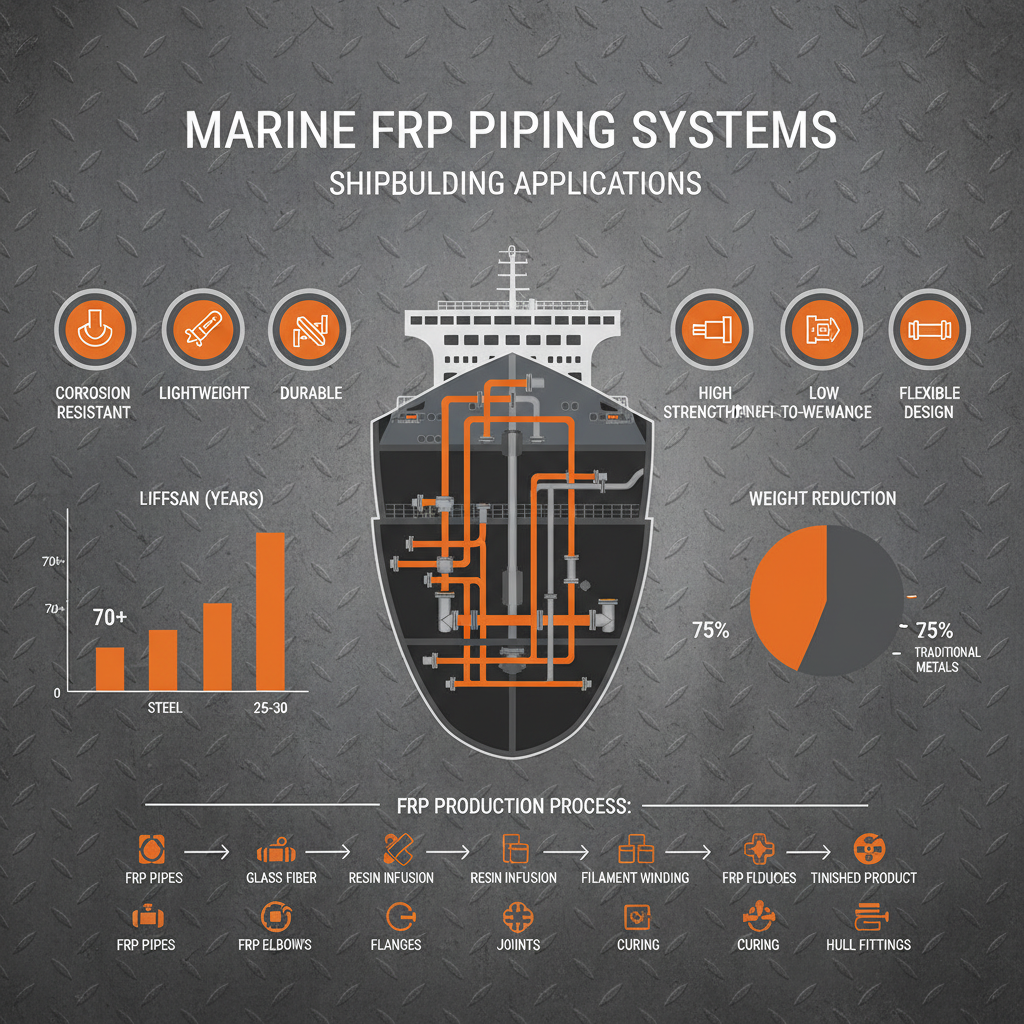
One of the primary benefits of utilizing frp pipes and fittings for ship building is their exceptional corrosion resistance. Unlike traditional metals, FRP doesn't rust or corrode when exposed to saltwater, chemicals, or extreme weather conditions. This translates to reduced maintenance costs, extended service life, and enhanced safety.
FRP is significantly lighter than steel, contributing to weight reduction in the overall vessel design. This weight savings can lead to improved fuel efficiency, increased cargo capacity, and enhanced maneuverability. In shipbuilding, even small weight reductions can have a significant impact on operational performance and cost savings.
Comparison of FRP and Steel for Marine Piping
Global Applications and Diverse Use Cases
frp pipes and fittings for ship building find applications in a variety of systems onboard vessels, including seawater cooling systems, ballast water treatment, fire suppression networks, and chemical transfer lines. Their resistance to corrosion and fouling makes them ideal for these critical applications.
Leading shipyards in countries like South Korea, China, and Japan are increasingly incorporating FRP into their shipbuilding processes. The demand is also growing in Europe and North America as ship owners recognize the long-term benefits of reduced maintenance and downtime.
Long-Term Value and Advantages of FRP
The initial cost of frp pipes and fittings for ship building may be higher than traditional materials, but the long-term lifecycle cost is significantly lower. Reduced maintenance, extended service life, and decreased downtime contribute to substantial savings over the vessel’s operational lifespan.
Beyond cost savings, FRP offers environmental benefits by reducing the need for frequent replacements and minimizing the risk of leaks that could pollute the marine environment. Its durability and reliability enhance safety, protecting crew members and the vessel itself.
Investing in FRP is not just a financial decision; it's a commitment to sustainability, safety, and long-term operational efficiency. It demonstrates a forward-thinking approach to shipbuilding and vessel maintenance.
Future Trends and Addressing Challenges
Ongoing research and development efforts are focused on enhancing the properties of FRP materials, including increasing their strength, improving their fire resistance, and developing more sustainable resin formulations. The integration of smart sensors into FRP piping systems is also being explored to enable real-time monitoring of corrosion and structural integrity.
One of the challenges facing wider adoption of FRP is the need for specialized training and certification for installation and repair personnel. Addressing this skill gap through comprehensive training programs is crucial for ensuring the quality and reliability of FRP systems.
The trend towards digitalization and automation in shipbuilding is also driving innovation in FRP fabrication and installation. Automated fiber placement techniques and robotic welding are being developed to improve efficiency and reduce manufacturing costs.
Overview of Challenges and Solutions in FRP Implementation
| Challenge |
Impact on FRP Systems |
Potential Solution |
Implementation Cost (1-10) |
| Initial Material Cost |
Higher upfront investment compared to steel. |
Lifecycle cost analysis demonstrating long-term savings. |
6 |
| Lack of Skilled Labor |
Incorrect installation can compromise performance. |
Comprehensive training and certification programs. |
7 |
| Fire Resistance |
Some FRP resins are flammable. |
Use of fire-retardant resins and intumescent coatings. |
5 |
| Design Complexity |
Requires specialized engineering knowledge. |
Utilizing advanced modeling and simulation tools. |
8 |
| Jointing Techniques |
Ensuring watertight and structurally sound connections. |
Implementing advanced adhesive bonding and flange designs. |
6 |
| Standardization |
Lack of globally unified standards. |
Collaboration between industry stakeholders to develop common standards. |
4 |
FAQS
The key advantages of FRP pipes in marine environments are their exceptional corrosion resistance, significantly lighter weight than metal, and longer service life. This translates to reduced maintenance costs, increased vessel efficiency, and minimized downtime. Metal pipes are susceptible to rust and corrosion in saltwater, requiring frequent repairs and replacements, while FRP remains unaffected by these factors, offering a more sustainable and cost-effective solution.
Yes, frp pipes and fittings for ship building can be engineered to withstand high-pressure applications. The strength of FRP pipes depends on the type of resin and reinforcing fibers used, as well as the manufacturing process. Proper design and testing are crucial to ensure the pipes can safely handle the intended pressure levels. Manufacturers can customize FRP pipes to meet specific pressure requirements, making them suitable for various shipboard systems.
Installation of FRP piping requires specialized tools and training. Unlike metal piping, FRP cannot be welded, so connections are typically made using flanged joints, adhesive bonding, or mechanical couplings. Precise alignment and proper surface preparation are critical for ensuring leak-proof connections. It’s essential to follow the manufacturer's instructions carefully and employ trained technicians to guarantee a successful installation.
Fire safety is a paramount concern in marine applications. While some FRP resins are flammable, fire-retardant resins and intumescent coatings can be used to significantly improve their fire resistance. It’s crucial to select materials that meet the required fire safety standards for marine vessels, such as those set by IMO (International Maritime Organization). Proper ventilation and fire suppression systems are also essential.
Although the initial cost of FRP piping may be higher, the total lifecycle cost is often lower than that of metal piping. FRP’s superior corrosion resistance eliminates the need for frequent repairs and replacements, reducing maintenance costs over the vessel’s lifespan. Furthermore, the lighter weight of FRP can improve fuel efficiency, leading to additional savings. A comprehensive lifecycle cost analysis demonstrates the long-term economic benefits of using FRP.
To ensure long-term reliability, proper material selection, careful installation, and regular inspections are essential. Select FRP materials that are specifically designed for marine environments and certified to relevant industry standards. Employ trained technicians for installation and follow the manufacturer's instructions precisely. Conduct periodic inspections to identify any potential issues, such as damage or corrosion, and address them promptly.
Conclusion
In conclusion, frp pipes and fittings for ship building offer a compelling solution to the challenges faced by the maritime industry, addressing corrosion, weight, and lifecycle cost concerns. The benefits extend beyond mere economics, encompassing enhanced safety, sustainability, and operational efficiency. The continued development of innovative FRP materials and installation techniques will further solidify its position as a preferred choice in shipbuilding and vessel maintenance.
Looking ahead, the wider adoption of FRP will require continued investment in training and standardization. Collaboration between industry stakeholders, research institutions, and regulatory bodies is crucial for driving innovation and ensuring the long-term success of FRP in the maritime sector. Visit our website at www.jrain-frp.com to learn more about our comprehensive range of FRP piping solutions.