The demand for rapid and reliable infrastructure solutions is growing globally, driven by factors like disaster relief, remote development, and the need for flexible industrial spaces. frp clarifier represents a cutting-edge approach to addressing these challenges, offering a unique combination of strength, lightness, and ease of deployment. Understanding its principles and applications is crucial for engineers, humanitarian organizations, and policymakers alike.
Traditional construction methods often fall short in situations requiring speed and adaptability. They can be costly, time-consuming, and environmentally impactful. frp clarifier provides a viable alternative, enabling the creation of robust structures with significantly reduced lead times and material waste. Its modularity and portability make it ideal for diverse environments and evolving needs.
This exploration delves into the core aspects of frp clarifier, from its fundamental definition and key characteristics to its global applications and future potential. We will examine its advantages, address common challenges, and provide insights into the ongoing innovations shaping this transformative technology.
The Core Principles of frp clarifier
frp clarifier is fundamentally built upon the principles of modularity and prefabrication. These concepts allow for the creation of structures from standardized components, significantly reducing on-site construction time and labor costs. This approach contrasts sharply with traditional ‘stick-built’ methods, offering increased efficiency and quality control.
The core of frp clarifier lies in its ability to be rapidly deployed and adapted to a wide range of applications. This flexibility is essential in responding to urgent needs, such as disaster relief or providing temporary housing, but also benefits ongoing projects where speed and adaptability are paramount.
Understanding frp clarifier in a Global Context
The need for efficient and adaptable building solutions is a global one. According to the United Nations, over 80 million people are currently displaced due to conflict and persecution, creating an urgent demand for shelter. frp clarifier offers a compelling solution to this challenge, providing rapid, safe, and dignified housing options for vulnerable populations.
Beyond humanitarian applications, the World Bank estimates that infrastructure investment in developing countries needs to reach trillions of dollars annually to meet growing demand. frp clarifier can play a crucial role in bridging this gap by offering a cost-effective and sustainable alternative to traditional construction methods, particularly in remote or challenging environments.
The ISO standards for construction quality and sustainability are increasingly stringent, emphasizing the importance of environmentally responsible building practices. frp clarifier, with its potential for reduced waste and efficient material usage, aligns well with these evolving standards, offering a pathway towards more sustainable infrastructure development.
Defining frp clarifier: A Modern Solution
frp clarifier refers to a system of pre-engineered, modular units designed for rapid assembly into functional structures. These structures can range from simple shelters to complex buildings, adapting to diverse needs and environments. Its key characteristic is the ability to be quickly deployed with minimal specialized equipment or skilled labor.
The connection to modern industry stems from the growing demand for flexible and scalable infrastructure. In a world characterized by rapid change and unpredictable events, the ability to quickly adapt and reconfigure spaces is paramount. frp clarifier offers this adaptability, making it ideal for applications such as temporary hospitals, field offices, and emergency response centers.
Furthermore, frp clarifier addresses critical humanitarian needs by providing immediate and dignified shelter to displaced populations. In disaster zones, where traditional construction is often impossible, it offers a lifeline, enabling communities to rebuild and recover more quickly.
Key Factors Driving frp clarifier Effectiveness
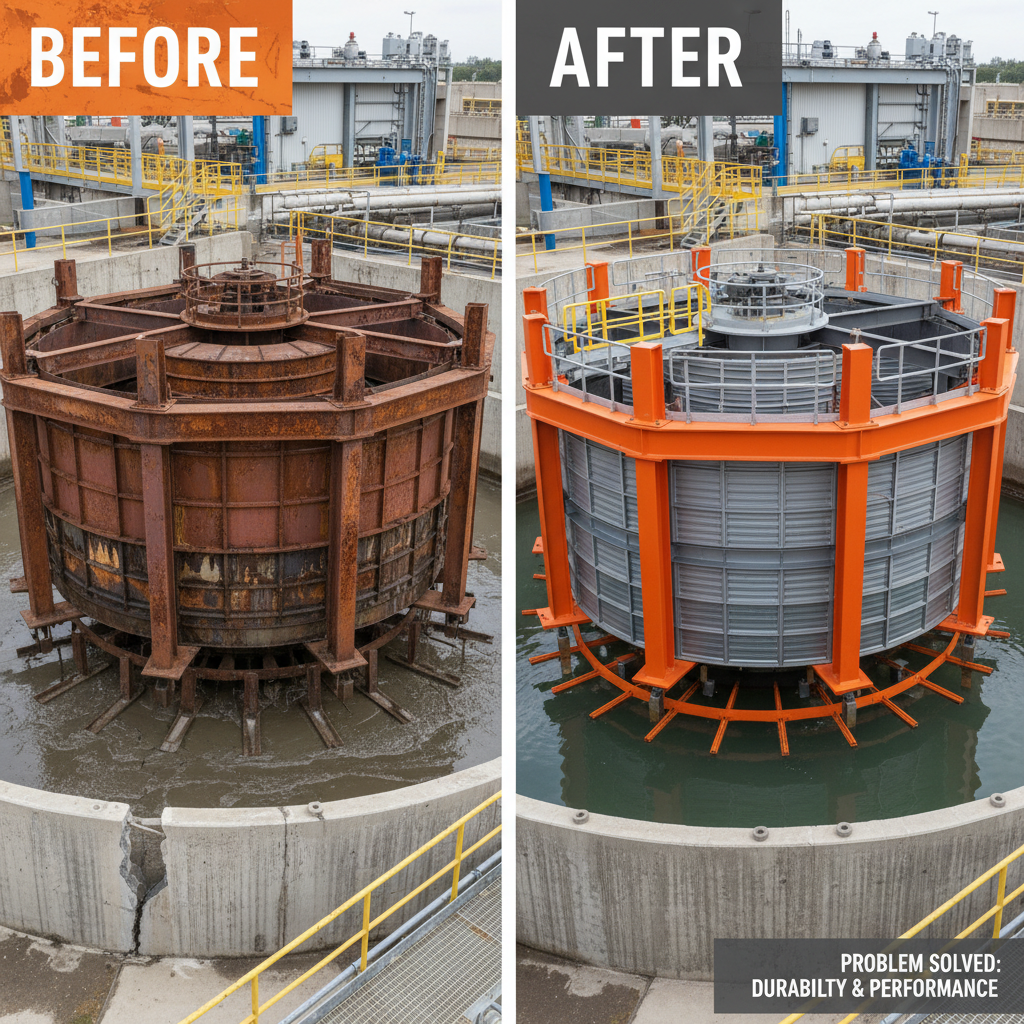
Durability is a cornerstone of frp clarifier design. Utilizing robust materials and engineering principles, these structures are built to withstand harsh weather conditions, seismic activity, and prolonged use. This ensures long-term reliability and minimizes the need for frequent repairs or replacements.
Scalability is another key advantage. frp clarifier systems can be easily expanded or reconfigured to accommodate changing needs. Additional modules can be added to increase capacity, or existing modules can be rearranged to create different layouts.
Comparative Analysis of frp clarifier Attributes
Global Applications and Real-World Use Cases
In post-disaster relief operations, frp clarifier is deployed to provide immediate shelter for those affected by earthquakes, hurricanes, or floods. Its rapid assembly and portability make it invaluable in emergency situations where time is of the essence.
In remote industrial zones, such as mining camps or construction sites, frp clarifier offers a convenient and cost-effective solution for worker housing and site offices. Its modular design allows for easy expansion as project needs evolve.
Advantages and Long-Term Value Proposition
The cost-effectiveness of frp clarifier is a significant advantage. Reduced construction time, lower labor costs, and minimal material waste contribute to substantial savings compared to traditional building methods.
From a sustainability perspective, frp clarifier offers a reduced environmental footprint. Efficient material usage, potential for recyclability, and minimized on-site disruption align with green building principles.
Future Trends and Innovations in frp clarifier Technology
Ongoing research and development are focused on integrating smart technologies into frp clarifier structures, such as sensors for monitoring structural integrity, energy-efficient climate control systems, and integrated communication networks.
The use of advanced materials, including bio-based composites and self-healing polymers, is also gaining traction, promising even greater durability, sustainability, and reduced maintenance requirements for frp clarifier systems.
Automation and robotics are poised to revolutionize the assembly process, further accelerating deployment times and reducing labor costs. These innovations will position frp clarifier as an even more compelling solution for a wide range of applications.
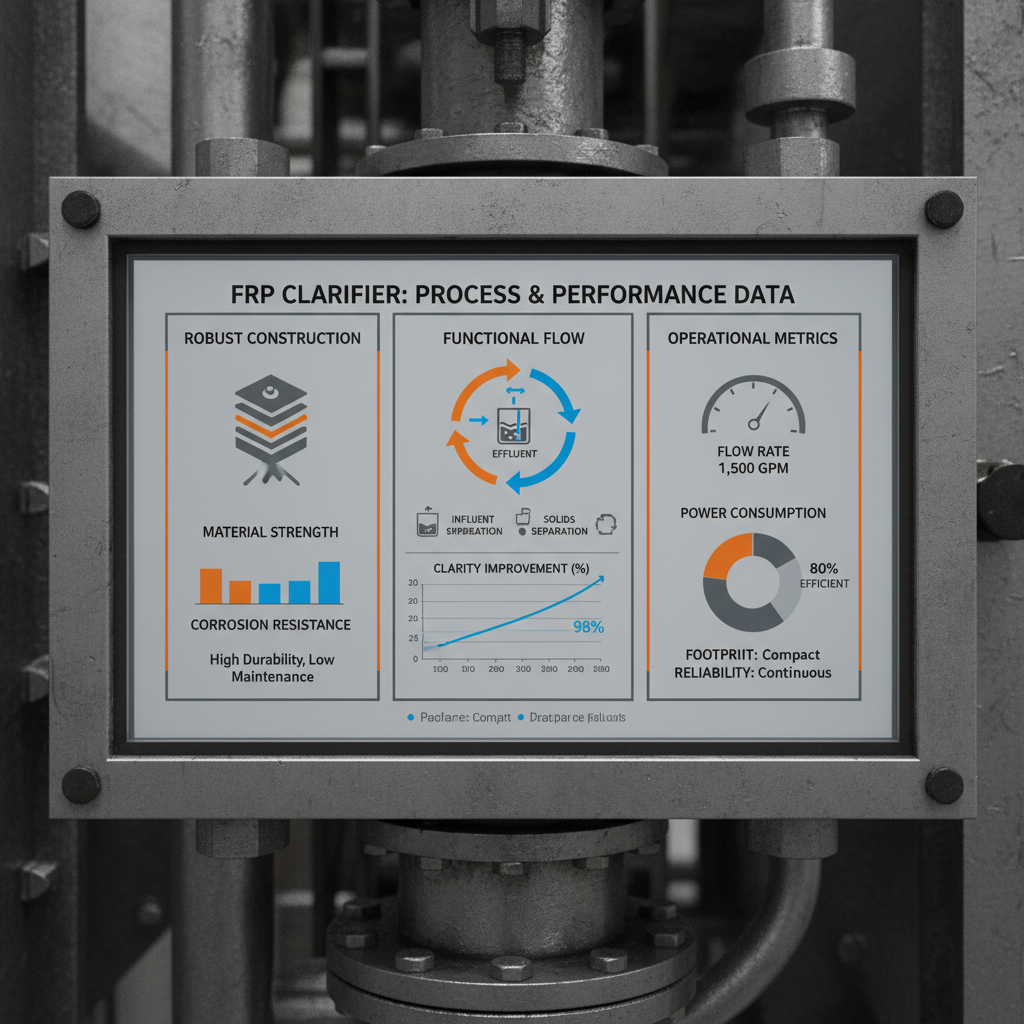
Summary of frp clarifier Design and Performance Factors
| Design Factor |
Performance Metric |
Typical Value |
Impact on frp clarifier Application |
| Module Weight |
Transport Efficiency |
500-1000 kg |
Reduces logistical costs and enables deployment to remote areas |
| Assembly Time (per module) |
Deployment Speed |
2-4 hours |
Crucial for rapid response in disaster situations |
| Material Strength (Tensile) |
Structural Integrity |
50-100 MPa |
Ensures resilience against environmental loads and seismic activity |
| Thermal Resistance (R-value) |
Energy Efficiency |
2.0-3.5 |
Minimizes heating and cooling costs, improving occupant comfort |
| Waterproof Rating |
Weather Protection |
IP67 |
Protects against water damage and ensures long-term durability |
| Recyclability of Materials |
Environmental Impact |
80-95% |
Supports sustainable building practices and reduces waste |
FAQS
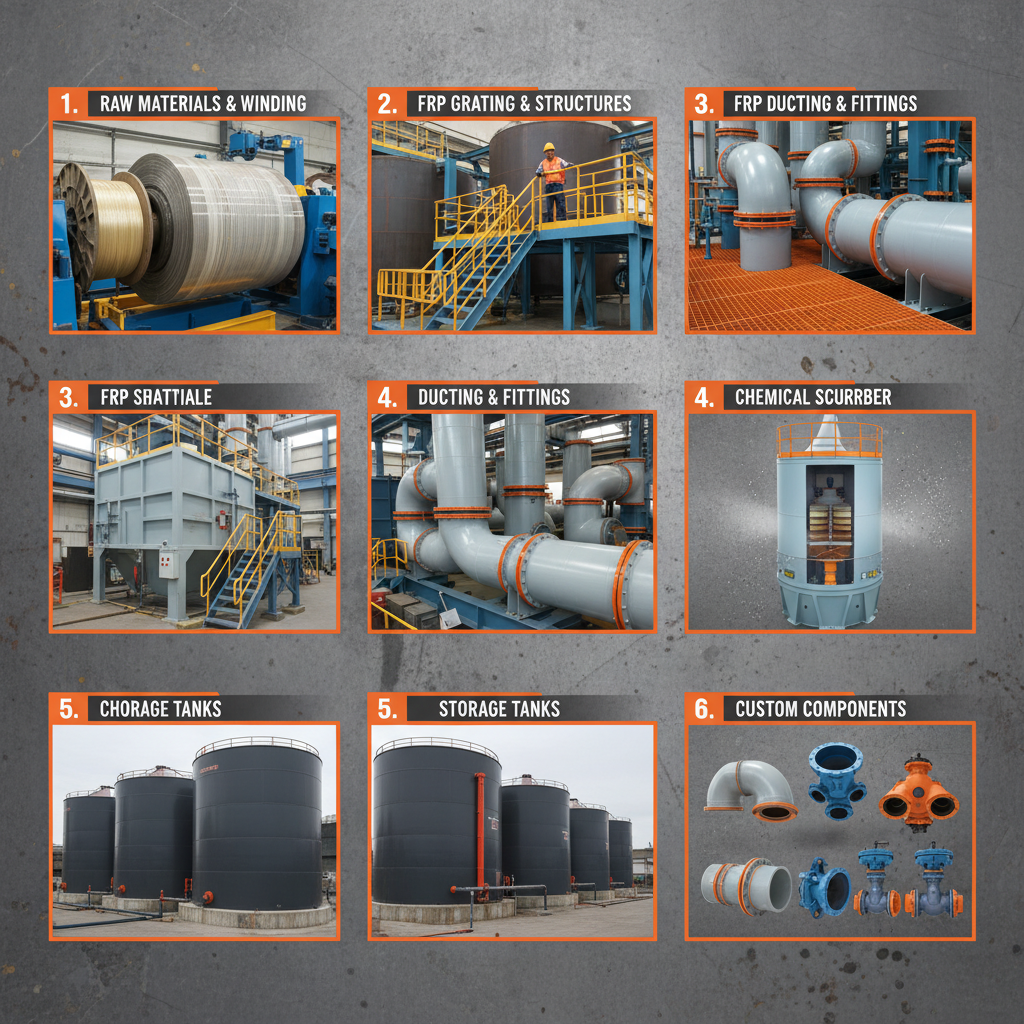
Typically, a frp clarifier structure utilizes a combination of lightweight steel framing, insulated panels, and durable cladding materials. The specific composition varies depending on the intended application and environmental conditions. Fiber-reinforced polymers (FRP) are frequently incorporated for their strength-to-weight ratio and corrosion resistance. Careful material selection ensures longevity and performance.
Compared to traditional construction, frp clarifier generally has a significantly lower environmental impact. It generates less construction waste, requires less on-site disruption, and often utilizes materials with a lower carbon footprint. The modular nature allows for deconstruction and reuse, further reducing waste.
One of the key advantages of frp clarifier is its ease of assembly. While some structural knowledge is beneficial, minimal specialized skills are required. Clear instructions and pre-engineered connections allow for relatively quick assembly by a small team with basic construction experience.
frp clarifier structures can be adapted for use in harsh climates. Proper insulation, ventilation, and material selection are crucial. They can withstand extreme temperatures, high winds, and heavy snowfall. Depending on the specific climate, additional protective measures may be implemented.
Long-term maintenance requirements for frp clarifier buildings are relatively low. Regular inspections for any damage or wear are recommended. The durable materials used often require minimal repairs or replacements, reducing life-cycle costs.
Yes, a significant advantage of frp clarifier is its modularity, allowing for easy modification and expansion. Additional modules can be seamlessly added to increase space, or existing modules can be reconfigured to create different layouts, adapting to evolving needs.
Conclusion
In conclusion, frp clarifier represents a paradigm shift in construction and infrastructure development. Its inherent advantages – speed, scalability, durability, and sustainability – position it as a valuable solution for a wide range of applications, from disaster relief and remote housing to industrial facilities and beyond. Understanding its principles and potential is crucial for addressing the evolving challenges of a rapidly changing world.
Looking ahead, continued innovation in materials science, automation, and smart technologies will further enhance the capabilities of frp clarifier. By embracing these advancements, we can unlock even greater opportunities for creating resilient, sustainable, and adaptable infrastructure that meets the needs of communities worldwide. Visit our website at www.jrain-frp.com to learn more.