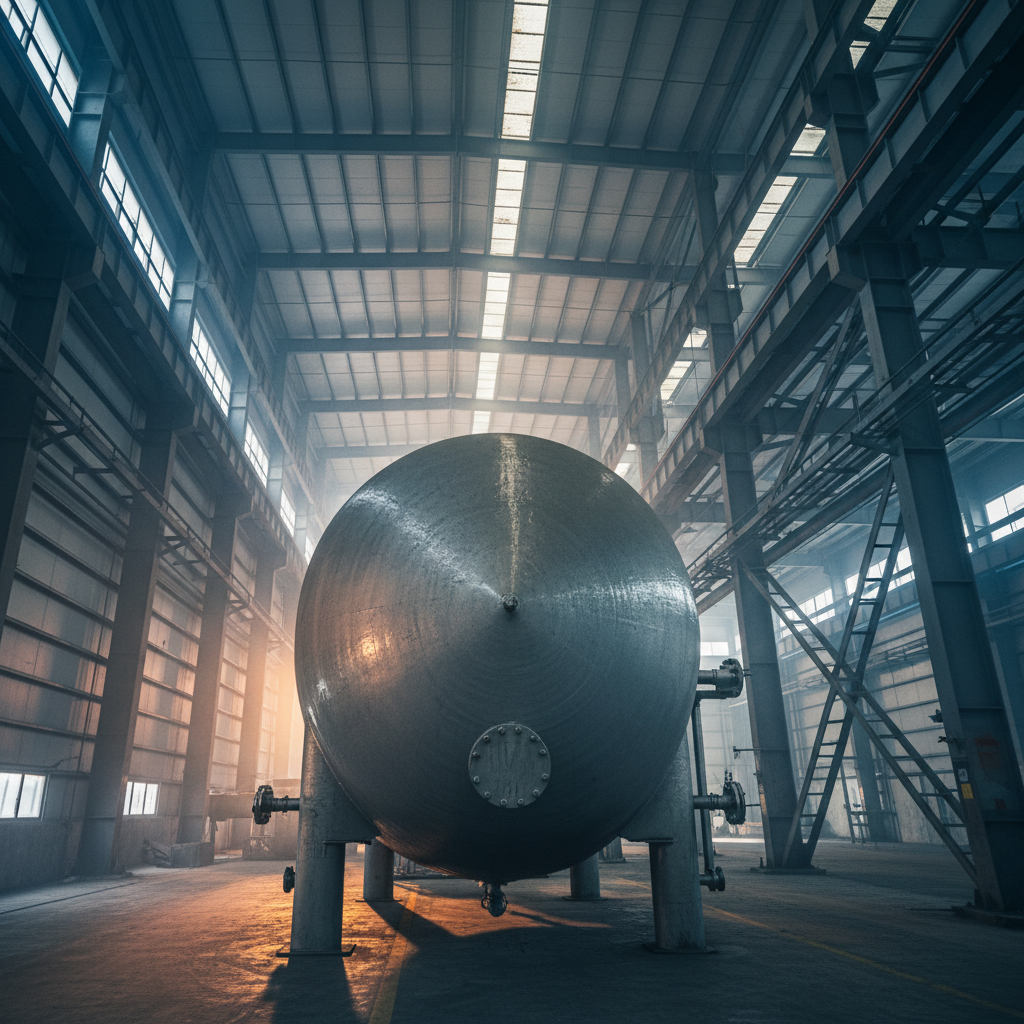
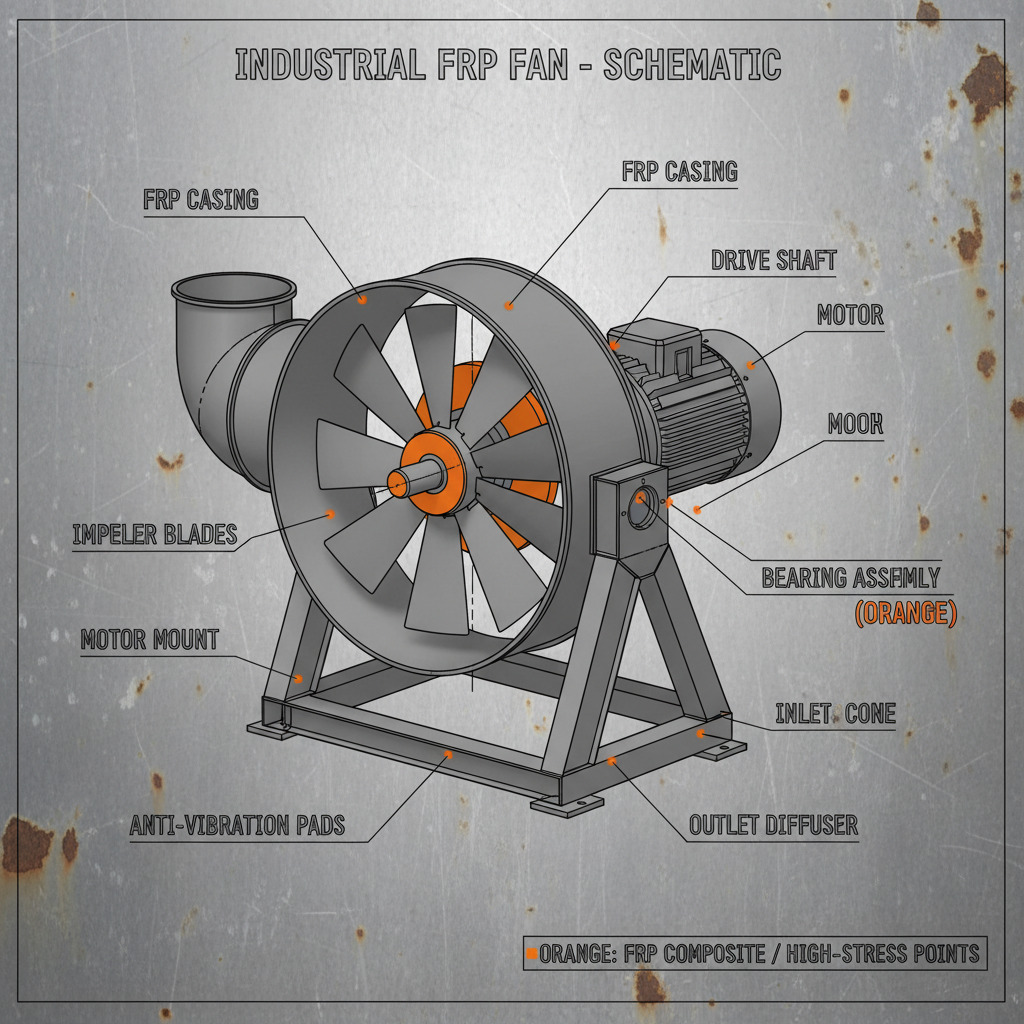
Fiber Reinforced Polymer (FRP) chemical tanks are rapidly becoming indispensable in a world demanding safer, more durable, and corrosion-resistant storage solutions. From vital chemical processing industries to wastewater treatment facilities, and even specialized applications like agricultural storage, these tanks represent a significant advancement over traditional materials like steel and concrete. Understanding the benefits and applications of frp chemical tank is crucial for engineers, facility managers, and anyone involved in handling corrosive substances or seeking long-term storage reliability.
The global demand for robust chemical storage is driven by stringent environmental regulations, increasing industrial activity, and a growing focus on operational safety. The United Nations Environment Programme (UNEP) consistently highlights the importance of safe chemical management to prevent environmental disasters and protect public health. ISO standards, such as ISO 12944, set benchmarks for corrosion protection, pushing industries towards materials like FRP that outperform traditional options. This demand fuels the expansion of the frp chemical tank market and necessitates a thorough understanding of its capabilities.
The core challenge of storing corrosive chemicals lies in material degradation. Traditional materials corrode, leak, and require frequent maintenance, leading to costly downtime and potential environmental hazards. frp chemical tank offers a solution by providing a non-metallic, corrosion-resistant alternative that minimizes these risks, extending the lifespan of storage infrastructure and enhancing overall safety.
Introduction to frp chemical tank
frp chemical tank represents a paradigm shift in chemical storage technology. Constructed from a composite material – typically a combination of reinforced fibers (like fiberglass, carbon fiber, or aramid) embedded in a thermosetting resin (like vinyl ester, epoxy, or polyester) – these tanks offer superior resistance to a wide range of corrosive substances. They are engineered to withstand harsh chemical environments without suffering degradation, ensuring long-term reliability and safety.
These tanks aren’t just about chemical resistance. Their lightweight nature simplifies installation and reduces transportation costs compared to bulky steel or concrete alternatives. Furthermore, the design flexibility of FRP allows for customized tank shapes and sizes to meet specific application needs, making them adaptable to diverse industrial landscapes. The growing adoption of frp chemical tank underscores its crucial role in modern industrial infrastructure.
Defining frp chemical tank
A frp chemical tank is a container designed for the safe and secure storage of liquids, particularly those with corrosive properties. Unlike traditional metal tanks that are susceptible to rust and chemical attack, FRP tanks utilize a composite structure that inherently resists corrosion. This is achieved through the synergistic combination of reinforcing fibers and a polymer resin matrix, creating a barrier that prevents the chemical from reaching and degrading the tank’s structure.
The core concept behind frp chemical tank lies in leveraging the strengths of different materials. The fibers provide the tensile strength and structural integrity, while the resin binds the fibers together and provides a chemical barrier. This combination creates a material that’s both strong and chemically inert. This makes it a cornerstone in industries dealing with acids, bases, solvents, and other aggressive chemicals.
The relevance to modern industry and humanitarian needs is significant. In industrial settings, FRP tanks minimize downtime, reduce maintenance costs, and enhance safety. In disaster relief scenarios, portable frp chemical tank can provide emergency water storage and chemical containment, offering a critical lifeline in challenging conditions.
Key Features of frp chemical tank
Corrosion Resistance: This is the defining feature of frp chemical tank. The inert nature of the polymer resin protects the tank from a vast array of corrosive chemicals, extending its service life and minimizing the risk of leaks or failures.
Lightweight Design: Compared to steel or concrete, FRP tanks are significantly lighter. This reduces transportation costs, simplifies installation, and minimizes the structural support required for their deployment.
Design Flexibility: FRP tanks can be molded into various shapes and sizes, allowing for customization to fit specific application requirements. This adaptability is a major advantage over rigid metal tanks.
High Strength-to-Weight Ratio: FRP materials exhibit exceptional strength relative to their weight, offering robust structural performance without excessive bulk.
Low Maintenance: Due to their corrosion resistance, frp chemical tank require minimal maintenance, reducing long-term operational costs.
Long Service Life: Properly designed and maintained FRP tanks can have a service life exceeding 50 years.
Applications of frp chemical tank
frp chemical tank finds widespread application across diverse industries. In the chemical processing industry, they are used for storing raw materials, intermediate products, and finished goods. Wastewater treatment plants rely on FRP tanks for storing and processing corrosive chemicals used in water purification.
The agricultural sector utilizes frp chemical tank for storing fertilizers, pesticides, and other agricultural chemicals. Mining operations use them to store leaching solutions and other corrosive materials. Furthermore, they are gaining traction in the pharmaceutical industry for storing sensitive chemicals and reagents.
Application Breakdown of frp chemical tank
Advantages and Long-Term Value
The advantages of using frp chemical tank extend beyond simple corrosion resistance. The cost savings associated with reduced maintenance and extended service life significantly improve the return on investment. The lightweight nature of the tanks lowers installation costs and simplifies logistics, further enhancing economic benefits.
From a sustainability perspective, frp chemical tank contribute to environmental protection by minimizing the risk of chemical leaks and spills, reducing soil and water contamination. Their durability reduces the need for frequent replacements, conserving resources and lowering waste generation. Choosing frp chemical tank is an investment in both operational efficiency and environmental responsibility.
Future Trends in frp chemical tank
Ongoing research and development are focused on enhancing the performance and sustainability of frp chemical tank. The incorporation of nanomaterials into the resin matrix is improving mechanical strength and chemical resistance. The development of bio-based resins offers a more environmentally friendly alternative to traditional petroleum-based polymers.
Smart tank technology, incorporating sensors for level monitoring, temperature control, and leak detection, is becoming increasingly prevalent. These integrated systems provide real-time data, enabling proactive maintenance and preventing potential incidents. Furthermore, advancements in automation and digital fabrication techniques are streamlining the manufacturing process, reducing costs and increasing production efficiency.
Challenges and Solutions
One key challenge associated with frp chemical tank is the initial cost, which can be higher than that of traditional metal tanks. However, the long-term cost savings from reduced maintenance, extended service life, and minimized downtime often outweigh the upfront investment.
Another challenge is the potential for degradation due to UV exposure. This can be mitigated by applying UV-resistant coatings or using UV-stabilized resins. Proper design and installation are also crucial to ensure the long-term integrity of the tank. frp chemical tank companies are actively developing solutions to address these challenges.
Finally, ensuring proper quality control during the manufacturing process is essential to guarantee the structural integrity and chemical resistance of the tank. Rigorous testing and adherence to industry standards are crucial for delivering reliable and durable FRP storage solutions.
Overview of Common frp chemical tank Challenges and Mitigation Strategies
| Challenge |
Severity (1-10) |
Mitigation Strategy |
Implementation Cost (1-10) |
| Initial Investment Cost |
7 |
Life-cycle cost analysis demonstrating long-term savings |
2 |
| UV Degradation |
6 |
UV-resistant coatings and stabilized resins |
4 |
| Manufacturing Quality Control |
8 |
Rigorous testing and adherence to ISO standards |
6 |
| Chemical Compatibility |
9 |
Thorough chemical resistance testing prior to selection |
5 |
| Installation Complexity |
5 |
Utilizing experienced FRP installation contractors |
3 |
| Repair Procedures |
4 |
Specialized FRP repair kits and trained technicians |
4 |
FAQS
frp chemical tank offer significant advantages over steel, primarily in corrosion resistance. Steel tanks require regular coating and maintenance to prevent rust, while FRP tanks are inherently resistant to a wide range of corrosive chemicals. This translates to lower lifecycle costs, reduced downtime, and increased safety. Furthermore, FRP is lighter than steel, simplifying installation and reducing structural support requirements.
frp chemical tank exhibit broad chemical compatibility, but it's crucial to verify compatibility with specific chemicals before use. Generally, they are well-suited for storing acids, bases, salts, and many solvents. However, certain chemicals, like strong oxidizing agents, can potentially degrade some resin types. Chemical resistance charts and expert consultation are recommended to ensure appropriate material selection.
With proper design, installation, and maintenance, frp chemical tank can have a service life exceeding 50 years. This is significantly longer than the lifespan of many steel tanks, which often require replacement after 20-30 years. Regular inspections and adherence to recommended operating conditions contribute to maximizing the tank's longevity.
frp chemical tank are typically manufactured using processes like filament winding, hand lay-up, spray-up, or resin transfer molding. Filament winding is a common method for producing cylindrical tanks, while hand lay-up and spray-up are often used for smaller or more complex shapes. Resin transfer molding provides high precision and consistent quality.
frp chemical tank offer several environmental benefits. Their corrosion resistance minimizes the risk of leaks and spills, protecting soil and water resources. The lightweight nature reduces transportation emissions, and their long service life reduces the need for frequent replacements, conserving resources. Furthermore, the development of bio-based resins is increasing the sustainability of FRP materials.
frp chemical tank require minimal maintenance compared to traditional materials. Regular visual inspections for cracks or damage are recommended. Periodic cleaning may be necessary to remove accumulated deposits. Protecting the tank from physical impact and UV exposure can also extend its service life. Following the manufacturer's recommendations for operation and maintenance is crucial.
Conclusion
In conclusion, frp chemical tank represent a superior solution for chemical storage, offering unmatched corrosion resistance, long-term durability, and cost-effectiveness. Their versatility makes them suitable for a wide range of industries and applications, from chemical processing to wastewater treatment and beyond. Embracing this technology is not just an investment in infrastructure; it’s an investment in safety, sustainability, and operational efficiency.
As industries continue to prioritize safety and environmental responsibility, the demand for frp chemical tank will undoubtedly grow. Ongoing innovation in materials and manufacturing processes will further enhance their performance and expand their applications. To learn more about how frp chemical tank can benefit your organization, visit our website today.