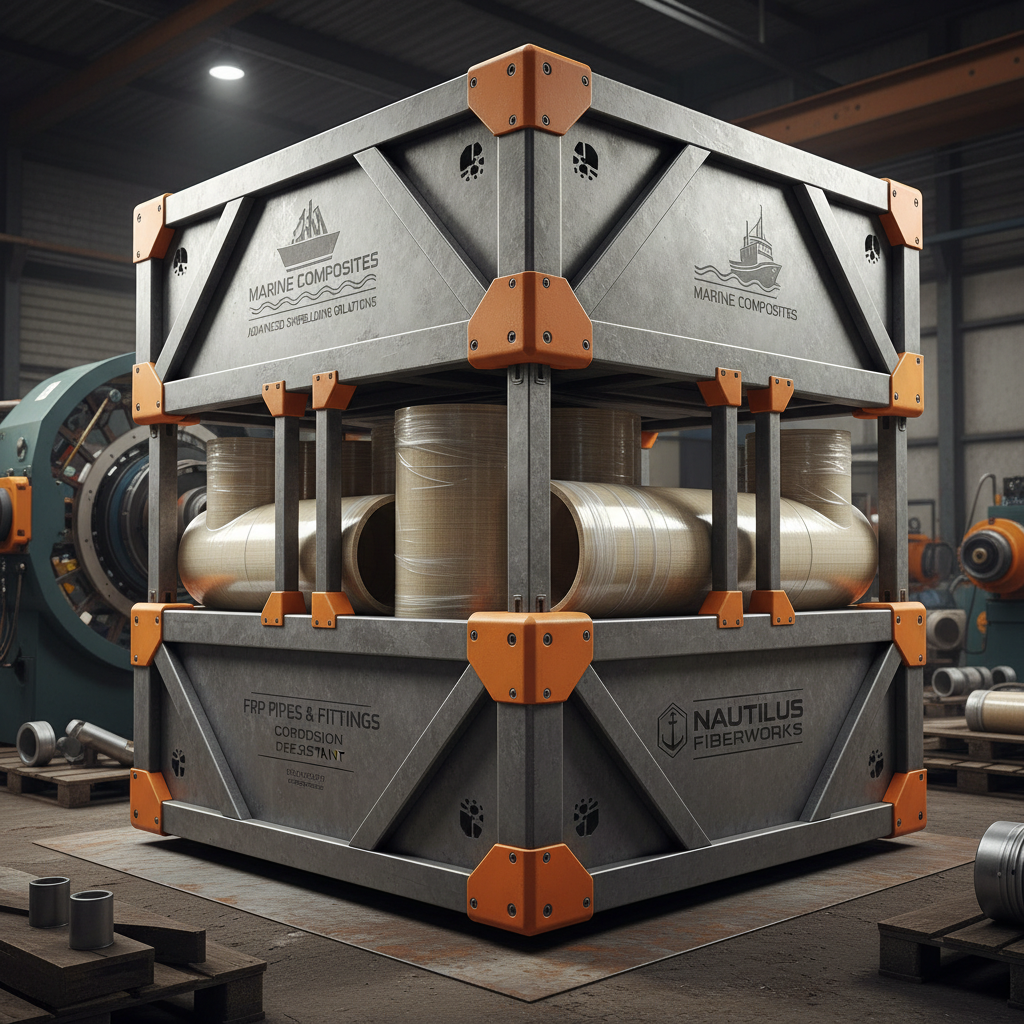
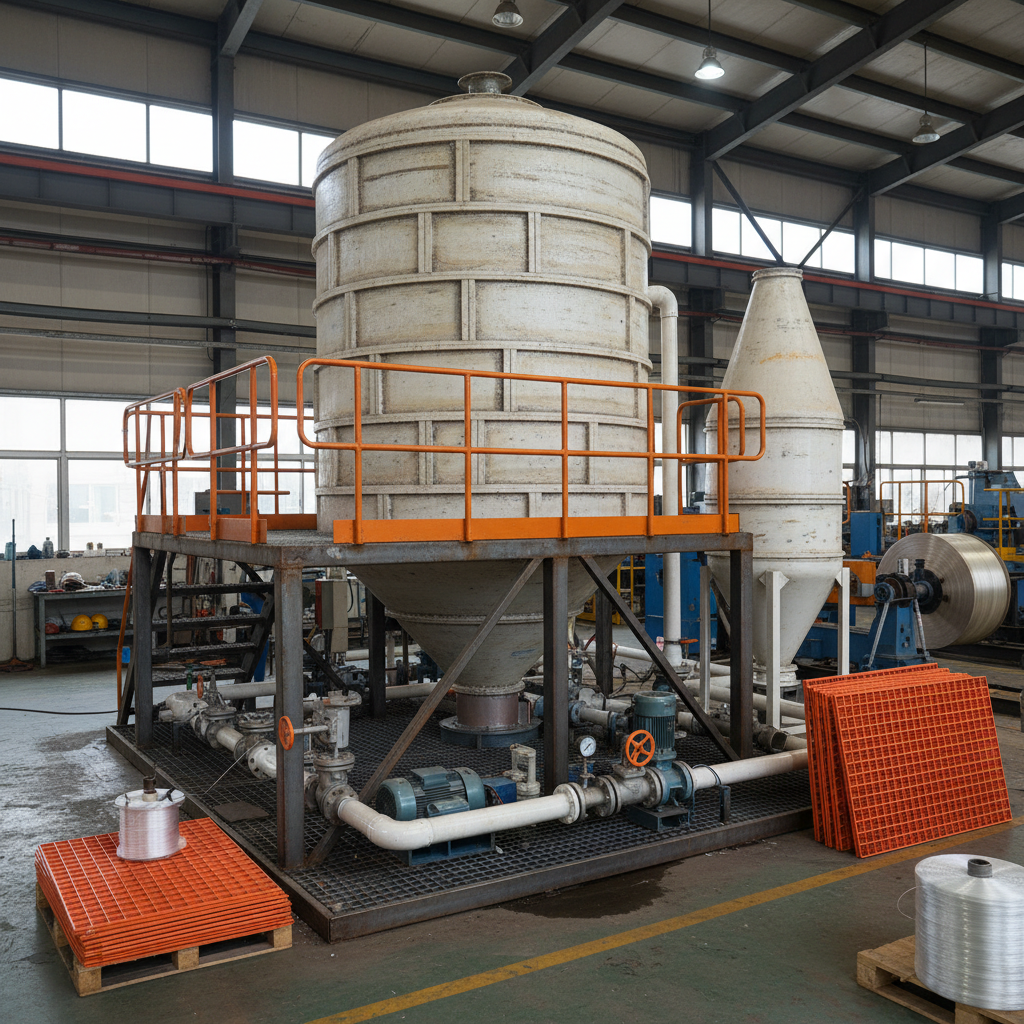
Honestly, the whole industry is buzzing about prefabrication right now. Everyone’s talking about speed, cost savings, you name it. But what people don't talk about is how surprisingly tricky it is to get right. You think you’ve got a design locked, then you get to the factory floor and… well, things change. I’ve seen so many projects stalled because someone didn’t account for the actual way things are built.
Have you noticed how everyone wants everything to be “seamless”? That’s a trap. Seamless is expensive and often unnecessary. Give me a good, solid, slightly-visible connection any day. It’s easier to repair, easier to understand, and frankly, less likely to fail mysteriously in the middle of the night. It's about practicalities, not aesthetics, most of the time.
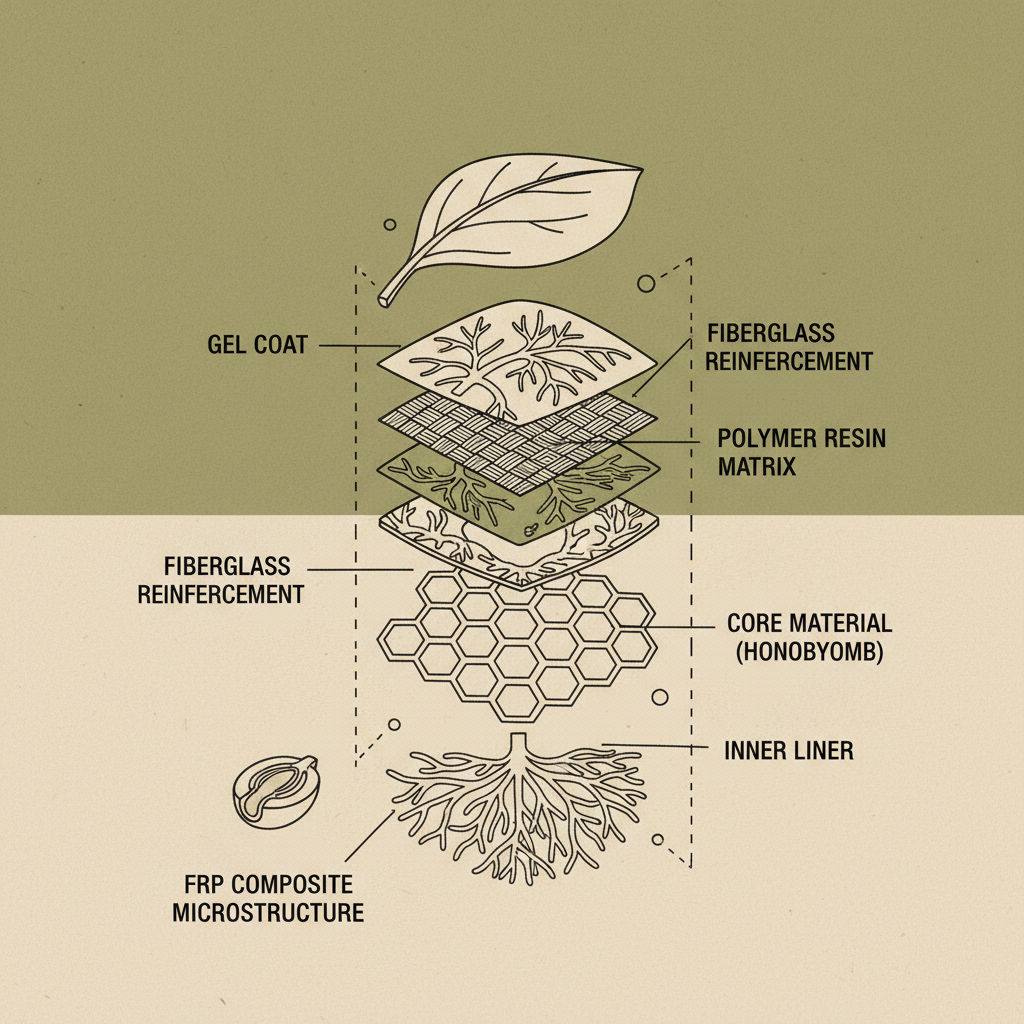
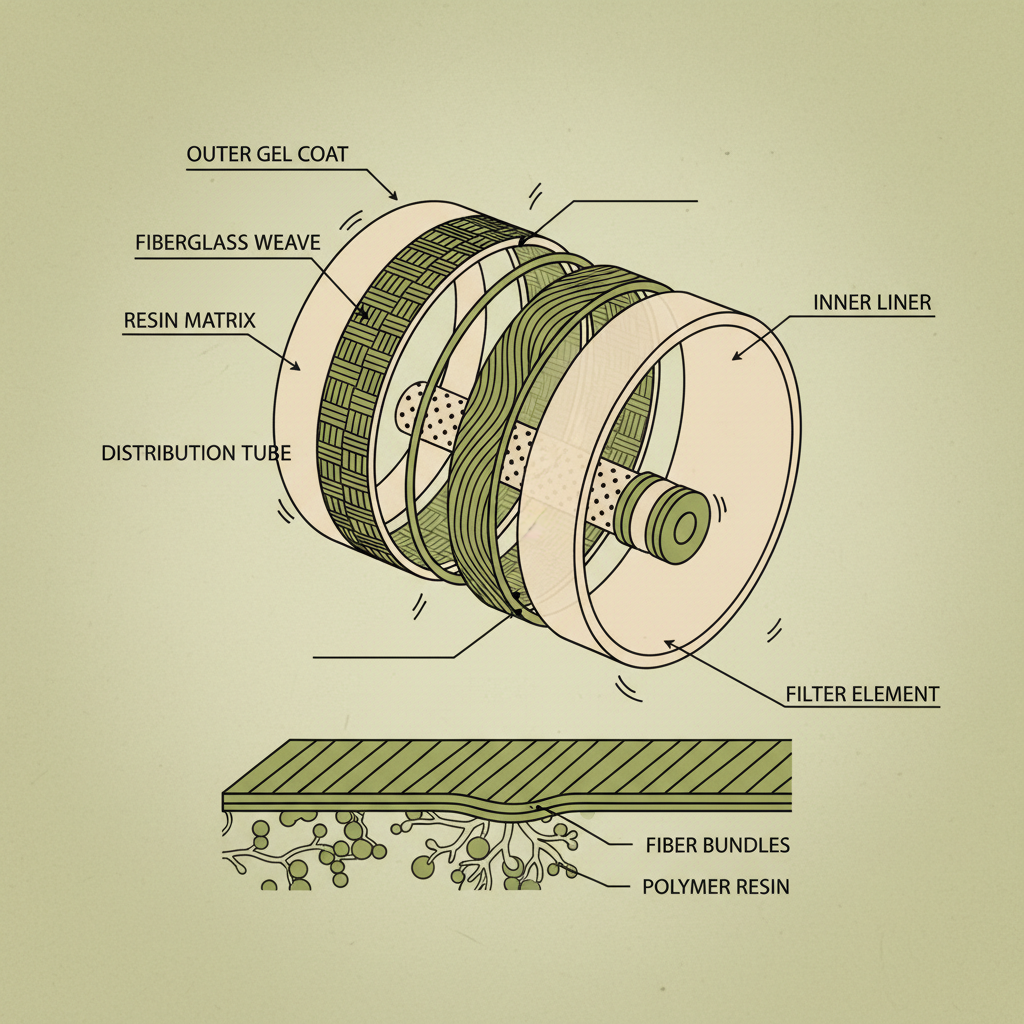
And then there's the materials. We're using a lot more fiber-reinforced polymer shells these days – frp shell, if you want to be technical. It's light, strong… smells a little like resin when you cut it, which isn't pleasant, but you get used to it. It feels… plasticky, I guess? Not like steel, which has a weight to it. But you can bend it and it springs back, which is pretty cool. Handling it requires gloves, though. That resin gets everywhere if you're not careful.
The Rise of Prefabrication and frp shell
Strangely enough, the push for prefabricated solutions, especially using frp shell, isn’t just about cost. A lot of it’s driven by the labor shortage. Fewer skilled tradespeople mean you need to build things smarter, not just harder. And frp shell, done right, can significantly reduce on-site labor hours. We're seeing it increasingly in everything from modular housing to temporary shelters, and even in more complex infrastructure projects. It allows for higher precision, and consistency, something you rarely get with traditional stick-built methods.
But don’t get me wrong, it's not a silver bullet. It requires a different mindset – a shift from “field fixes” to “factory precision”. You have to plan everything upfront, because changing something once it's in production is a nightmare.
Design Pitfalls and Practical Considerations
I encountered this at a factory in Tianjin last time. The architect designed these beautiful, curved frp shell panels, all these complex angles. Looked amazing on paper. Then we tried to manufacture them. Turns out, those curves required a whole new set of tooling, and the material waste was insane! We ended up simplifying the design, losing some of the “wow” factor, but saving a ton of money and time. The lesson? Keep it simple. And always, always talk to the fabricator before finalizing your design.
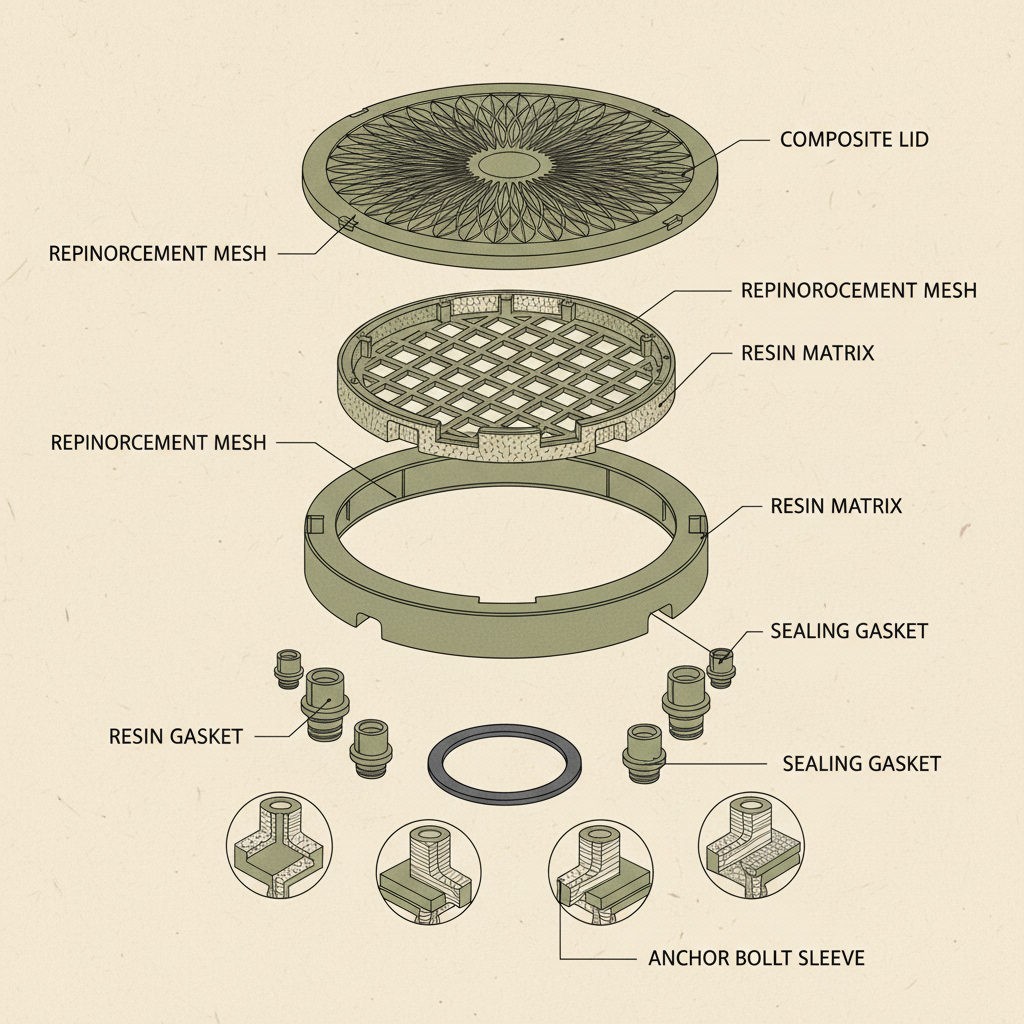
Another thing: connections. People often underestimate the importance of good connections. You can have the strongest frp shell panel in the world, but if the connections are weak, it's all for nothing. We’ve been experimenting with different adhesives and mechanical fasteners. The adhesives are good for creating a watertight seal, but the mechanical fasteners give you that extra peace of mind, especially in high-stress applications.
And don't forget about tolerances. Everything shifts, everything bends. You need to build in some wiggle room, or you're going to have a lot of headaches down the road.
Material Deep Dive: Working with frp shell
Now, about the material itself. frp shell comes in different formulations, depending on the application. Some are more glass-fiber reinforced, others are carbon-fiber. Carbon-fiber is lighter and stronger, but also a lot more expensive. You also have different resin systems – polyester, vinyl ester, epoxy. Epoxy is the most durable, but it’s also the most brittle. We mostly use vinyl ester for most applications. It's a good balance of strength, durability, and cost.
The key is understanding the properties of each material and choosing the right one for the job. And it's not just about the material itself. It's about how it's handled, stored, and installed. You can ruin a perfectly good piece of frp shell if you don't handle it properly. It's sensitive to UV light, for example, so you need to store it covered. And you need to be careful not to scratch or damage the surface, as that can weaken the structure.
Anyway, I think the biggest misconception is that it’s maintenance-free. It’s low maintenance, but not zero maintenance. You still need to inspect it regularly for cracks or damage, and you may need to re-coat it periodically to protect it from the elements.
Real-World Testing: Beyond the Lab
Look, lab tests are fine. They give you a baseline, but they don't tell you how something will perform in the real world. We do a lot of field testing. We’ll set up a prototype on a jobsite and just… let it sit there. We’ll expose it to the elements, subject it to stress, see how it holds up.
We’ve also started using drones to inspect structures. It’s a game-changer. You can get a detailed visual inspection without having to climb all over the thing. It’s safer, faster, and more accurate.
frp shell Performance Metrics
User Application: It’s Not Always What You Expect
You think people are going to use things the way you intend them to be used? Forget about it. We designed a frp shell enclosure for some sensitive equipment, thinking it would be installed in a climate-controlled environment. Turns out, it ended up on a remote oil rig, exposed to saltwater and extreme temperatures. It held up, surprisingly, but it definitely wasn’t what we had in mind.
That’s why you need to talk to the end-users. Find out how they’re actually going to use the product, and design accordingly.
Advantages and Disadvantages of frp shell
Okay, let's be real. frp shell is amazing. It's lightweight, corrosion-resistant, strong… It's a lot of things. But it ain't perfect. It can be brittle, it’s sensitive to UV, and it can be expensive, depending on the formulation. The initial cost is often higher than steel, but you have to factor in the long-term savings on maintenance and replacement.
One of the biggest advantages, though, is its design flexibility. You can mold it into almost any shape, which opens up a whole world of possibilities. It's also easy to repair. A small crack can usually be patched up with some epoxy resin.
Later... Forget it, I won't mention the fire resistance thing. It's complicated.
Customization and Flexibility with frp shell
We had a client, a small boss in Shenzhen who makes smart home devices, last month. He insisted on changing the interface connector on a custom frp shell enclosure from the standard barrel jack to . Said it was “more modern.” It added a week to the lead time, because we had to re-tool, and frankly, it didn’t make a lot of sense from a practical standpoint, but he was the customer. And to be honest, it did look kinda sleek.
That’s the beauty of frp shell. You can customize it to meet almost any requirement. Different colors, different shapes, different finishes. We can even embed sensors or other components directly into the material.
But, here’s the catch. Customization comes at a cost. The more you deviate from the standard, the more expensive it gets. So you need to balance your desire for customization with your budget.
A Quick Comparison of Common frp shell Features
| Feature |
Cost Impact |
Implementation Difficulty |
Long-Term Reliability |
| Color Customization |
Low |
Easy |
High |
| Shape Complexity |
Medium to High |
Medium to Difficult |
Medium |
| Embedded Components |
High |
Difficult |
Medium to High |
| UV Resistance Coating |
Low to Medium |
Easy |
High |
| Fire Retardant Additive |
Medium |
Medium |
Medium |
| Integrated Mounting Features |
Low to Medium |
Easy to Medium |
High |
FAQS
That depends heavily on the UV exposure and the quality of the resin system. Generally, you're looking at 10-20 years, but with regular maintenance like re-coating, you can easily extend that. We've seen enclosures still functioning well after 25 years, but they've been diligently cared for. Don’t expect it to last forever without some attention.
Recycling frp shell is… challenging. It's not like recycling aluminum or plastic. It’s a composite material, and separating the glass fibers from the resin is difficult and expensive. Currently, most end-of-life options involve landfilling, or using it as a filler material in construction. There's some research going into chemical recycling, but it’s still in the early stages.
You need to account for the different thermal expansion rates between frp shell and other materials. Also, frp shell isn’t great at resisting point loads, so you need to distribute the stress over a larger area. And don’t overtighten fasteners – you can easily crush the material. Using adhesives in conjunction with mechanical fasteners is often a good approach.
Impact resistance varies depending on the type of frp shell and the energy of the impact. It's generally good, but not invincible. It's better at absorbing energy than shattering, but a hard enough impact will still cause damage. We always recommend testing for the specific application to determine the appropriate level of protection.
frp shell can withstand a wide range of temperatures, but it’s the rapid changes in temperature that can cause problems. Thermal stress can lead to cracking or delamination. Selecting the right resin system is crucial for extreme temperature applications. Some resins are more heat-resistant than others.
Lack of proper ventilation during fabrication is a big one – those resins release fumes. Also, inconsistent material application can lead to weak spots. And don't forget to properly prepare the surface before applying any coatings or adhesives. A clean, dry surface is essential for a strong bond.
Conclusion
So, yeah, frp shell is a powerful material, but it’s not a magic bullet. It requires careful design, proper fabrication, and regular maintenance. The industry is moving towards more prefabrication, and frp shell is going to play a huge role in that future. But it's not just about the material itself; it's about the whole process – from design to installation to long-term care.
Ultimately, whether this thing works or not, the worker will know the moment he tightens the screw. If it feels solid, if it fits right, if it looks right… that’s a good sign. And if it doesn’t? Well, then you’ve got a problem, and you’d better figure it out before it’s too late. Check out our website for more information on our frp shell solutions: jrain-frp.com