Honestly, the whole construction materials scene is changing so fast these days. Used to be, you knew what you were getting, same old stuff for decades. Now it’s all about lightweight, high-strength… frp cover everywhere you look. It's not just the big projects either; even smaller contractors are asking for it. And it’s good, I mean, it should be good, but there's always a catch.
The biggest problem I've seen? People over-engineer the design. They get so caught up in the specs and the software that they forget what it’s actually like to work with the stuff. I encountered this at a prefabrication plant in Shanghai last time, they were trying to use a super-complex interlocking system for a frp cover panel. Looked beautiful on the CAD drawing, but the installers couldn’t get it to fit without bending the corners. A simpler overlap design would have saved them a week.
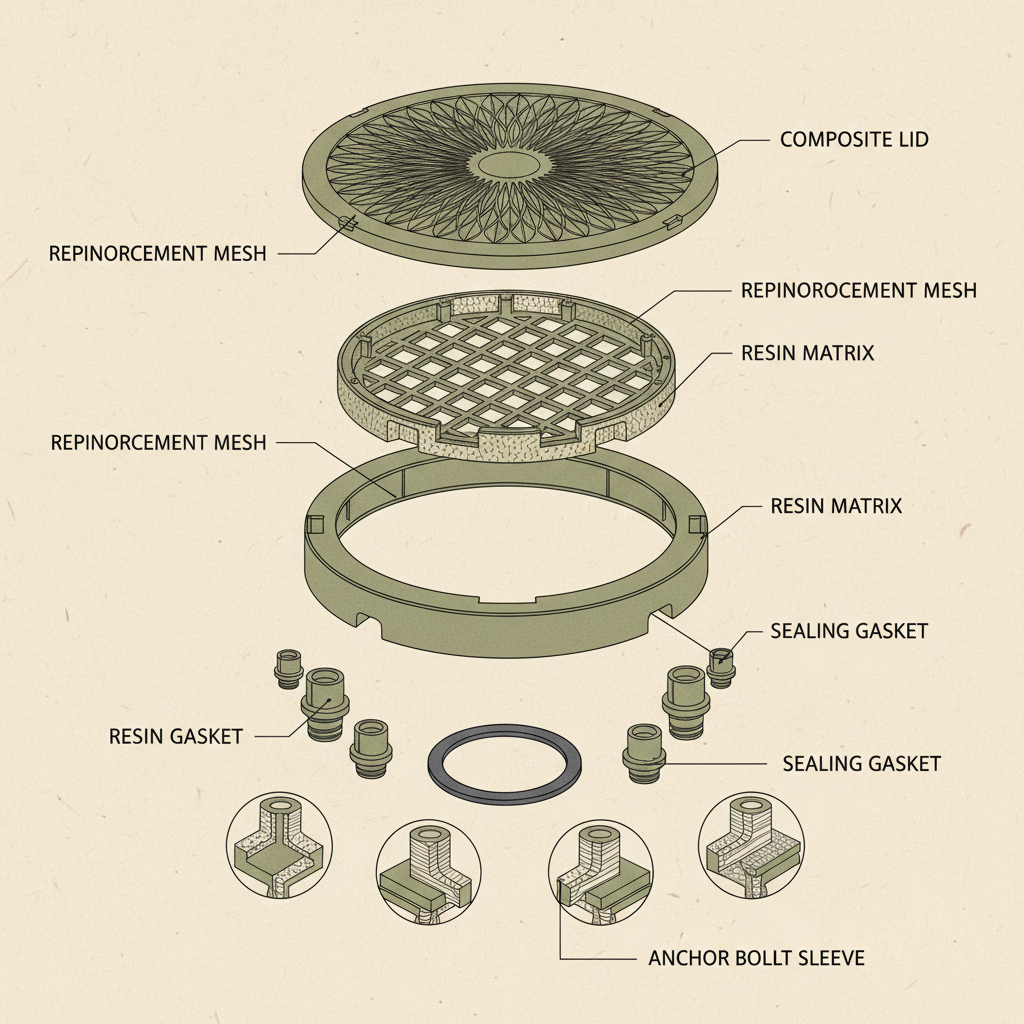
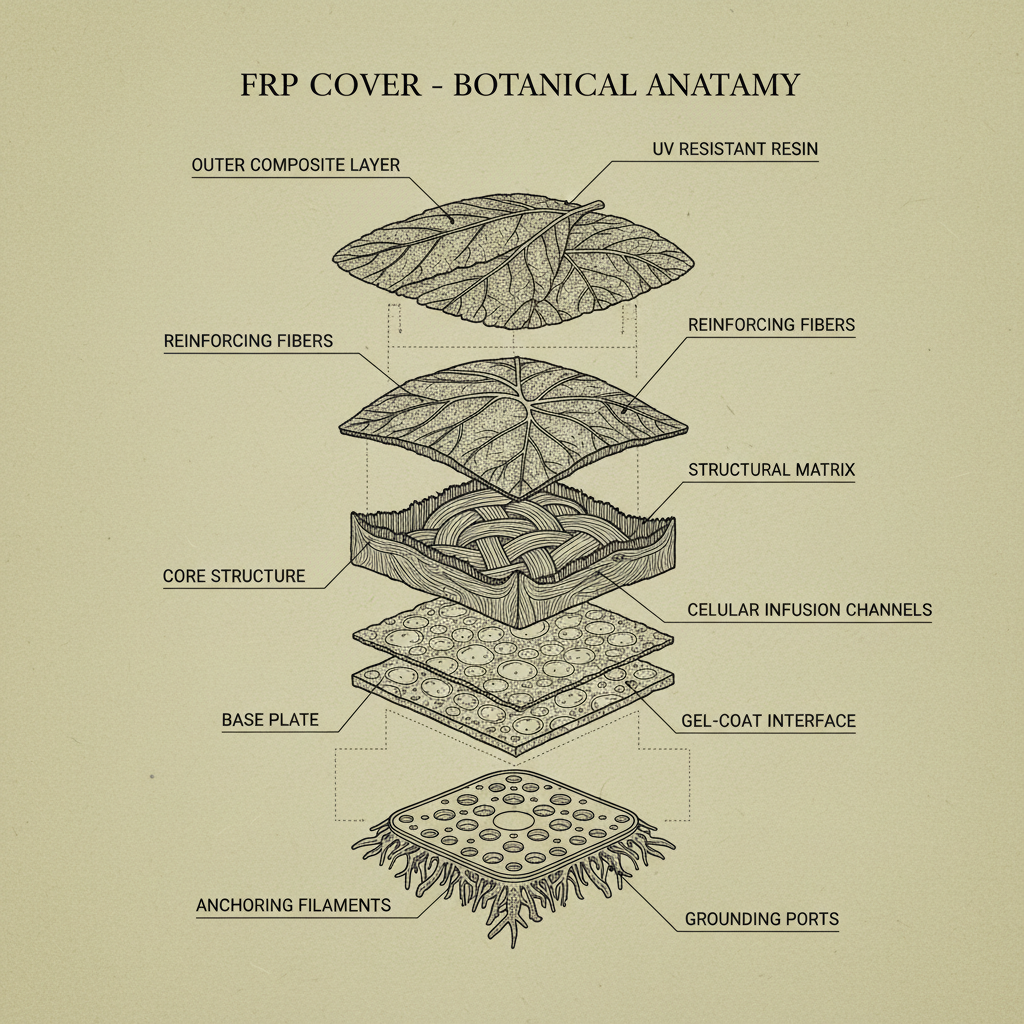
Then you get into the materials themselves. There’s a lot of different resins out there, epoxy, vinyl ester, polyester… each one feels different, smells different, reacts differently to the weather. Epoxy, now that’s a beast. Strong, durable, but pricey and you gotta be careful with the mixing ratio. Get it wrong, and it won’t cure properly. Vinyl ester, that’s a good all-rounder, smells kinda sweet actually. Polyester is the cheapest, but it doesn't hold up as well in harsh environments. And the reinforcement? Carbon fiber, glass fiber, basalt fiber… carbon fiber's the fancy stuff, light as a feather, but expensive, and you need to be extra careful not to damage it during installation. Glass fiber is more common, feels a little rougher to the touch.
The Current Landscape of frp cover
Have you noticed how much more emphasis there is on corrosion resistance these days? Especially in coastal areas or around chemical plants. That’s where frp cover really shines. Used to be, you’d be replacing steel structures every ten years. Now, with a good frp cover system, you can stretch that out to twenty, thirty years. It's a big cost saver in the long run. But it's not a magic bullet, mind you.
The demand’s driven by infrastructure projects, of course. Bridges, pipelines, wastewater treatment plants… but it’s also creeping into more niche applications. Like, I saw a farmer using frp cover panels to build a new pigsty. Said it was easier to clean and more durable than wood. Strangely enough, he got the idea from a marine application he saw online. It’s a small world.
Design Pitfalls and Practical Considerations
Seriously, the biggest mistake I see is trying to make things too complicated. Engineers love to optimize, to shave off every gram of weight, to maximize every square inch of surface area. But sometimes, simple is better. A straightforward design that’s easy to manufacture and install will always outperform a convoluted one.
You've gotta think about installation too. How are the workers going to handle the panels? Are they heavy? Are the edges sharp? Do they require special tools? I once worked on a project where the frp cover panels were so large and unwieldy that the installers kept dropping them. Ended up damaging a bunch of them, and delaying the whole project.
And don’t forget about thermal expansion. FRP materials expand and contract with temperature changes. If you don’t account for that in the design, you're gonna end up with cracks and stress fractures. It's a lesson you learn the hard way.
Materials Deep Dive: A Hands-On Perspective
Like I said earlier, the resin is key. Epoxy's the strongest, but it's also the most brittle. It doesn’t handle impact very well. Vinyl ester is a bit more forgiving. Polyester is cheap, but it's prone to degradation from UV exposure. You really need to consider the environment when choosing a resin.
The reinforcement fiber makes a big difference too. Carbon fiber is incredibly strong and lightweight, but it's also expensive and conducts electricity, which can be a problem in some applications. Glass fiber is a good compromise between strength, weight, and cost. Basalt fiber is relatively new, but it’s showing a lot of promise. It’s more durable than glass fiber and it’s more environmentally friendly.
And then there’s the surface veil. That’s the thin layer of material that goes on the outside of the frp cover panel. It protects the reinforcement fibers from UV damage and it provides a smooth surface for painting or coating. You’d be surprised how important that little veil is.
Real-World Testing and Performance
Forget the lab tests. Those are useful for getting baseline data, but they don’t tell you how the material will actually perform in the real world. I prefer to see things tested under actual conditions.
We did a test at a wastewater treatment plant a few years ago. Installed a bunch of frp cover panels around some chemical tanks. Left them exposed to the elements for a year. Then we went back and inspected them for corrosion, cracking, and UV damage. The results were pretty impressive. Even the polyester panels held up surprisingly well.
Frp Cover Performance Comparison
User Applications: Expectations vs. Reality
You know, people often overestimate what frp cover can do. They think it’s indestructible. It’s not. It’s strong and durable, but it can still be damaged by impact, abrasion, and UV exposure.
I’ve also seen people try to use frp cover in applications that it’s just not suited for. Like, trying to use it to build a load-bearing wall. That’s a recipe for disaster. You need to understand the limitations of the material and design accordingly.
Advantages, Disadvantages and Customization
The advantages are pretty clear: lightweight, corrosion resistant, high strength. But there are downsides. It’s more expensive than steel, it can be difficult to repair, and it’s not as readily available.
Customization is definitely possible. You can change the resin, the reinforcement fiber, the surface veil, the thickness. Last month, that small boss in Shenzhen who makes smart home devices insisted on changing the interface to . The whole panel needed to be re-engineered! I told him it was overkill, but he was convinced it would give his product a "premium feel". Anyway, I think it actually made it more complicated. The result? Delayed shipment and a very grumpy engineer.
But seriously, if you need a specific color, a specific shape, a specific finish, you can usually get it with frp cover.
A Customer Story and Final Thoughts
Honestly, the biggest problem is getting the communication right. Engineers talk in specs and formulas. Installers talk in terms of how easy something is to work with. You need someone who can translate between the two languages.
I was on a site last year where the frp cover panels arrived without any installation instructions. The installers were completely lost. They ended up calling me, and I had to spend a whole day showing them how to put the panels together. It was a mess.
Anyway, I think frp cover is a great material. It’s got a lot of potential. But it’s not a miracle cure. It requires careful design, careful installation, and a good understanding of its limitations. Ultimately, whether this thing works or not, the worker will know the moment he tightens the screw.
Table Summarizing Common FRP Cover Challenges
| Challenge Area |
Root Cause |
Potential Impact |
Mitigation Strategy |
| Over-Engineering |
Desire for optimization without field awareness |
Increased cost, difficult installation |
Simplify design, prioritize ease of installation |
| Material Selection |
Lack of understanding of resin and fiber properties |
Reduced durability, premature failure |
Consult with material experts, conduct thorough testing |
| Installation Errors |
Insufficient training, poor workmanship |
Structural weakness, corrosion |
Provide comprehensive training, supervise installation |
| Thermal Expansion |
Ignoring material expansion/contraction |
Cracking, stress fractures |
Incorporate expansion joints, use flexible adhesives |
| Lack of Instructions |
Oversight in documentation |
Installation delays, improper assembly |
Provide clear, concise installation manuals |
| Unrealistic Expectations |
Misunderstanding of material limitations |
Disappointment, premature replacement |
Educate users on material properties and appropriate applications |
FAQS
Steel requires regular maintenance like painting and coating to prevent rust, which adds long-term costs and downtime. FRP cover, on the other hand, is inherently resistant to corrosion, reducing these costs and extending service life. However, steel is generally cheaper upfront, and often easier to repair in the field if damaged. It really depends on the specific environment and budget.
While FRP cover is strong for its weight, it's not generally used as the primary structural component for heavy loads. It’s excellent for cladding, panels, and non-load bearing structures. For structural applications, you usually need to combine it with steel or concrete. The key is understanding its tensile strength versus its compressive strength. It’s great at resisting pulling forces, not so much squeezing forces.
Repairing FRP cover can be tricky. Small cracks can sometimes be patched with epoxy resin and fiberglass cloth. Larger damage usually requires replacing the entire panel. It’s important to follow the manufacturer’s recommendations for repair procedures, and to use compatible materials. A poor repair can actually weaken the structure.
A properly installed and maintained FRP cover system can last 20-30 years or even longer. It really depends on the environment and the quality of the materials used. UV exposure and extreme temperatures can shorten the lifespan, so it’s important to consider these factors during design and installation. Regular inspections are also crucial.
It’s a mixed bag. FRP cover itself is durable and long-lasting, which reduces the need for frequent replacements. However, the production of resins can be energy-intensive and generate waste. There's increasing research into bio-based resins, which could make FRP cover more sustainable. Recycling FRP cover is also challenging, but there are some emerging technologies that show promise.
FRP cover is generally combustible, so it's not suitable for applications where fire resistance is critical without additional treatment. Flame retardant additives can be added to the resin to improve fire performance, but this can also affect other properties, like strength and durability. It's important to check the fire rating of the specific FRP cover product and to comply with local building codes.
Conclusion
So, what have we learned? frp cover is a powerful material with a lot to offer – corrosion resistance, lightweight design, long-term durability. But it's not a silver bullet. It requires careful planning, proper installation, and a clear understanding of its limitations. It’s about finding the right balance between cost, performance, and practicality.
Looking ahead, I think we’ll see more innovation in bio-based resins and recycling technologies, making frp cover even more sustainable. I also expect to see more customized solutions tailored to specific applications. Ultimately, whether this thing works or not, the worker will know the moment he tightens the screw.