The global need for rapid and reliable shelter solutions is increasing due to factors like climate change, natural disasters, and humanitarian crises. frp field tank technology addresses this need by providing quickly deployable, durable, and cost-effective housing and infrastructure. Understanding the capabilities of frp field tank is critical for disaster relief organizations, governments, and industries operating in challenging environments.
The versatility of frp field tank extends beyond emergency response. It's being increasingly adopted in remote industrial sites, temporary accommodation for workers, and even as a sustainable alternative to traditional construction in specific applications. The benefits range from reduced construction time and costs to enhanced safety and environmental sustainability.
Innovation in materials science and engineering has made frp field tank a viable solution for a wider range of needs. Its lightweight nature simplifies transportation and installation, while its inherent strength and resistance to corrosion ensure longevity even in harsh conditions. This makes frp field tank a crucial component of modern disaster preparedness and infrastructure development.
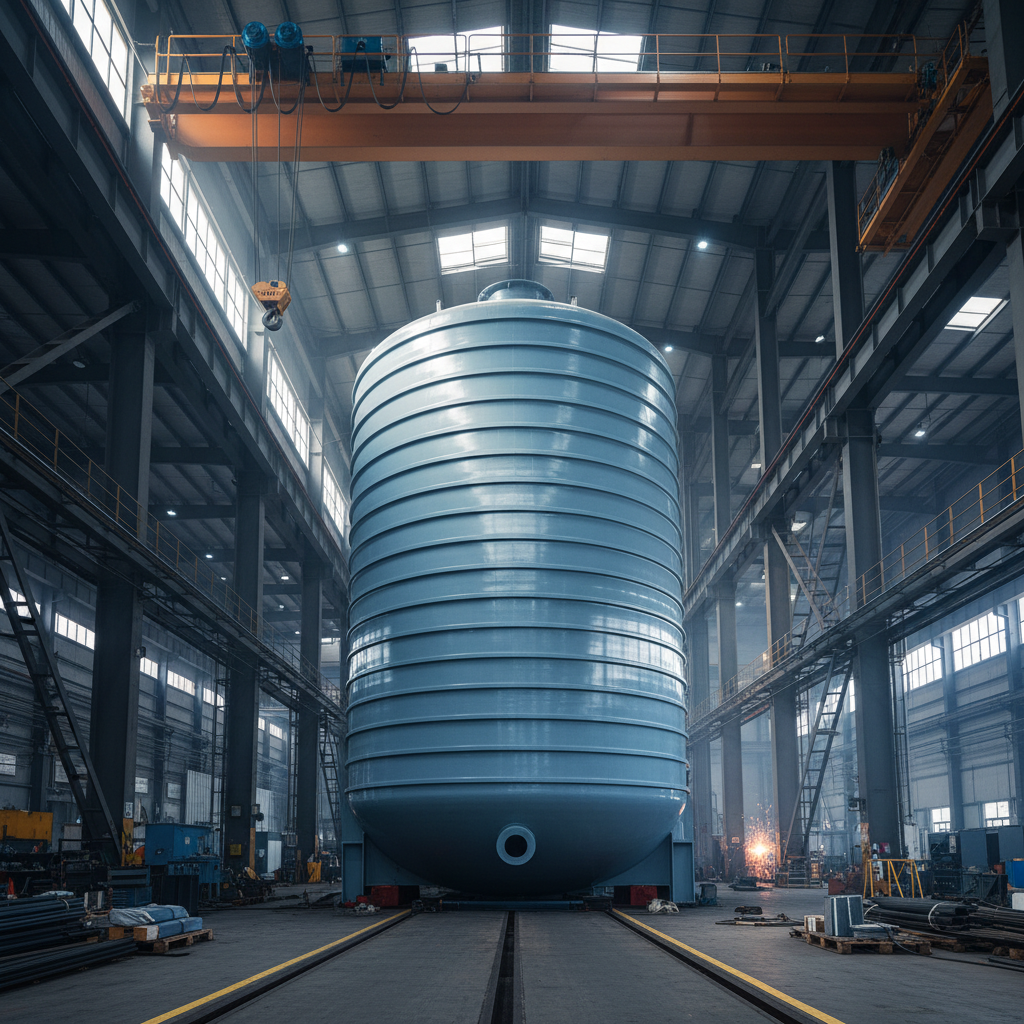
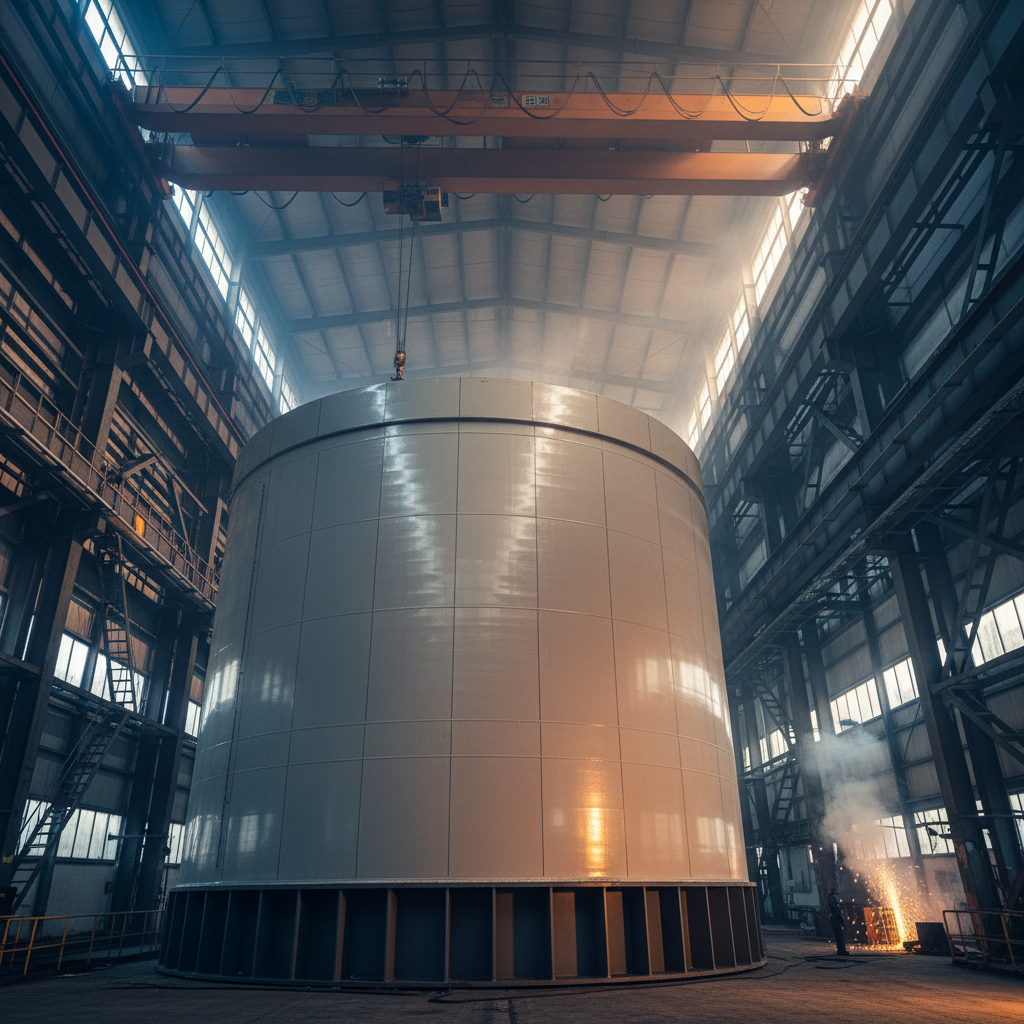
frp field tank represent a significant advancement in portable and rapidly deployable infrastructure. These structures, constructed from fiber-reinforced polymer composites, offer a robust and adaptable solution to address a variety of needs, from disaster relief shelters to temporary industrial facilities.
The core concept behind frp field tank lies in leveraging the high strength-to-weight ratio and corrosion resistance of composite materials. This allows for pre-fabricated units that can be quickly transported and assembled on-site, minimizing construction time and resource requirements.
A significant advantage of frp field tank is their rapid deployment capability. Typically, a small team can assemble a basic unit within a few hours, even in challenging terrain. This speed is crucial for immediate shelter needs in disaster relief situations. Pre-fabricated components and simplified assembly procedures contribute to this efficiency, often far exceeding the time required for traditional construction methods.
The lifespan of a frp field tank varies depending on environmental factors and maintenance, but generally ranges from 15 to 25 years or more. The inherent corrosion resistance of the composite materials significantly extends the lifespan compared to structures built with wood or metal. Regular inspections and minor repairs can further prolong its usability, making it a cost-effective long-term solution.
Yes, frp field tank are considered relatively environmentally friendly. The manufacturing process produces less waste compared to traditional construction, and the materials are often recyclable. Furthermore, their durability reduces the need for frequent replacements, minimizing the overall environmental impact. The use of sustainable resin options is also becoming increasingly common.
Absolutely. frp field tank are highly customizable. Modular designs allow for various configurations, including different sizes, layouts, and features such as windows, doors, and insulation. Customization options cater to specific requirements, whether it's creating a field hospital, a temporary office, or a simple shelter. 3D printing techniques are also expanding customization capabilities.
The cost of frp field tank varies depending on size, customization, and transportation expenses. While the initial investment might be higher than basic temporary shelters, the long-term cost-effectiveness is often superior due to reduced maintenance, increased durability, and faster deployment. Lifecycle cost analysis reveals significant savings over time.
frp field tank are designed to withstand extreme weather conditions, including high winds, heavy rainfall, and temperature fluctuations. The composite materials are inherently strong and resistant to corrosion, ensuring structural integrity even in harsh environments. Some models are specifically engineered to meet stringent building codes for hurricane or earthquake-prone regions.
In summary, frp field tank offer a compelling solution to the growing global need for rapid, reliable, and sustainable shelter and infrastructure. Their inherent durability, lightweight nature, and customization options make them ideal for a wide range of applications, from disaster relief to remote industrial sites. By embracing these innovative materials, we can build a more resilient and prepared future.
As technology continues to advance, the potential of frp field tank will only expand. Continued research and development, coupled with strategic partnerships between governments, NGOs, and industry leaders, will be crucial to unlocking the full benefits of this transformative technology and making it accessible to those who need it most. Visit our website: www.jrain-frp.com.