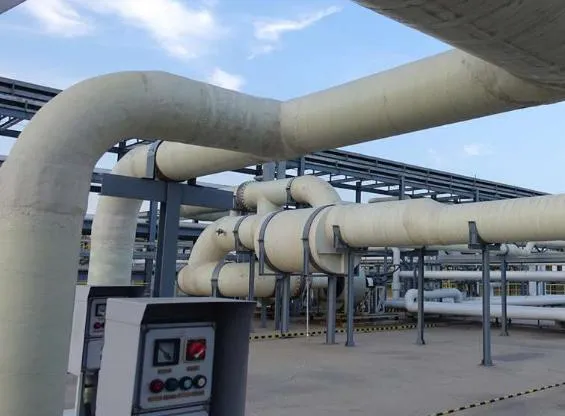
Fiber Reinforced Polymer (FRP) ladders are increasingly vital in modern infrastructure and safety protocols. These ladders, constructed using composite materials, offer a compelling alternative to traditional aluminum or wood ladders, addressing concerns regarding corrosion, weight, and conductivity. The global demand for safe, durable, and lightweight access solutions is driving the adoption of frp ladder across numerous industries, from construction and utilities to telecommunications and renewable energy.
The growing emphasis on workplace safety regulations, coupled with the need for cost-effective maintenance, fuels the market for FRP ladders. Industries operating in harsh environments, such as offshore platforms, chemical plants, and wastewater treatment facilities, are particularly benefiting from the corrosion-resistant properties of these ladders. This widespread need for reliable access underscores the importance of understanding the benefits and applications of FRP technology.
Furthermore, the ongoing global infrastructure development, particularly in emerging economies, presents significant opportunities for FRP ladder manufacturers. The demand for robust and long-lasting access solutions in these regions is steadily rising, positioning FRP ladders as a key component in ensuring safe and efficient project execution.
Introduction to FRP Ladders
FRP ladders represent a significant advancement in access solutions, offering a blend of strength, durability, and safety. Their construction, utilizing materials like fiberglass reinforced with polyester or vinyl ester resins, provides inherent resistance to corrosion, making them ideal for challenging environments. The adoption of frp ladder is growing rapidly as businesses seek to improve worker safety and reduce lifecycle costs.
These ladders are designed to meet stringent safety standards and offer several benefits over traditional materials. They are non-conductive, reducing the risk of electrical shock, and are significantly lighter than steel ladders, making them easier to maneuver and transport. The manufacturing processes also allow for customizable designs to meet specific application needs.
Defining FRP Ladders
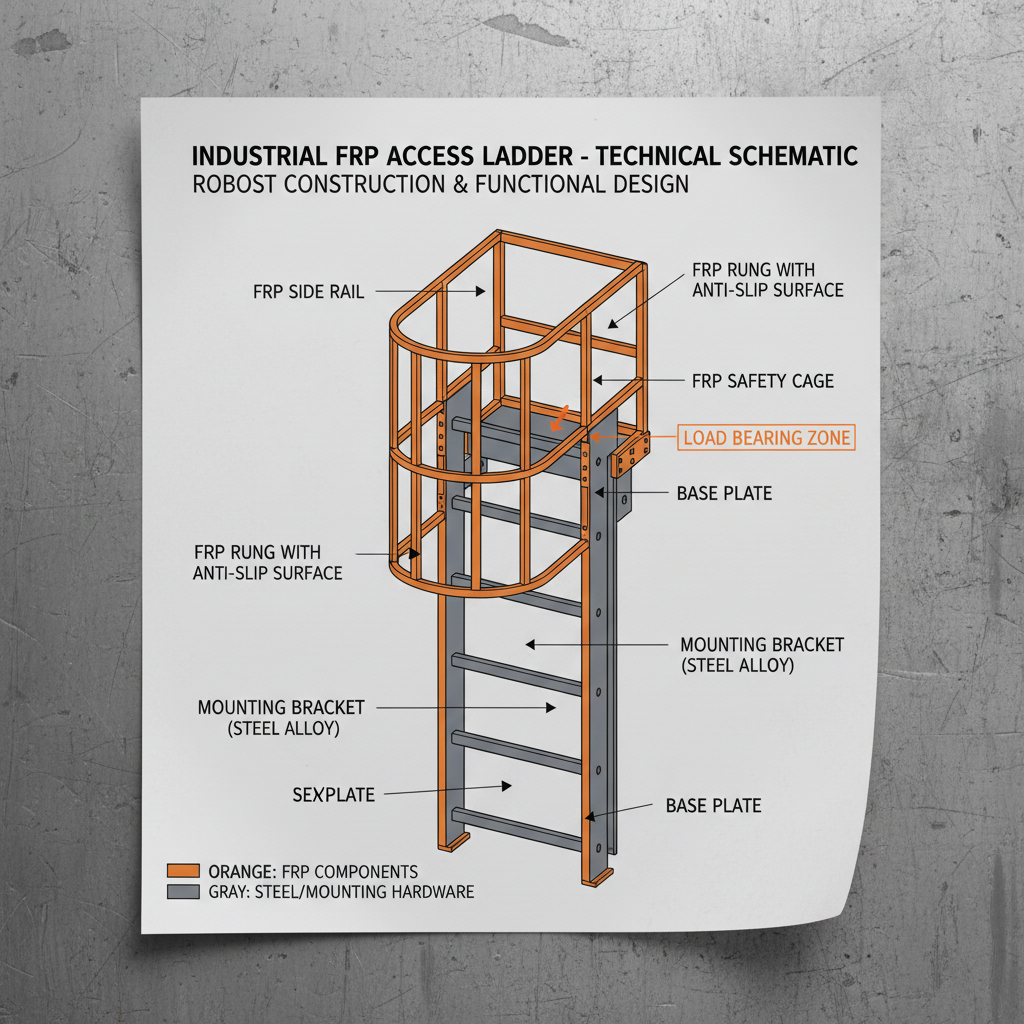
An FRP ladder, at its core, is an access device constructed from Fiber Reinforced Polymer composites. These materials combine the strength of fibers (typically glass, carbon, or aramid) with the binding properties of a polymer resin. The resulting composite boasts a high strength-to-weight ratio, excellent corrosion resistance, and non-conductive properties. This makes it a superior alternative to traditional ladder materials in numerous applications.
The connection to modern industry lies in the increasing demand for safety and efficiency. Industries are constantly seeking solutions to minimize workplace accidents and reduce maintenance costs. FRP ladders directly address these needs, offering a safe and durable access solution that requires minimal upkeep.
In humanitarian contexts, FRP ladders also play a role. Their lightweight nature and resistance to degradation make them ideal for disaster relief operations, providing access to affected areas where traditional ladders might be impractical or unsafe.
Core Components and Characteristics
The key components of an FRP ladder include the fiberglass reinforcement, the resin matrix (polyester, vinyl ester, or epoxy), and any additional coatings or additives. The type of fiber and resin used dictates the ladder's specific properties, such as strength, stiffness, and corrosion resistance. Understanding these components is critical for selecting the right frp ladder for a specific application.
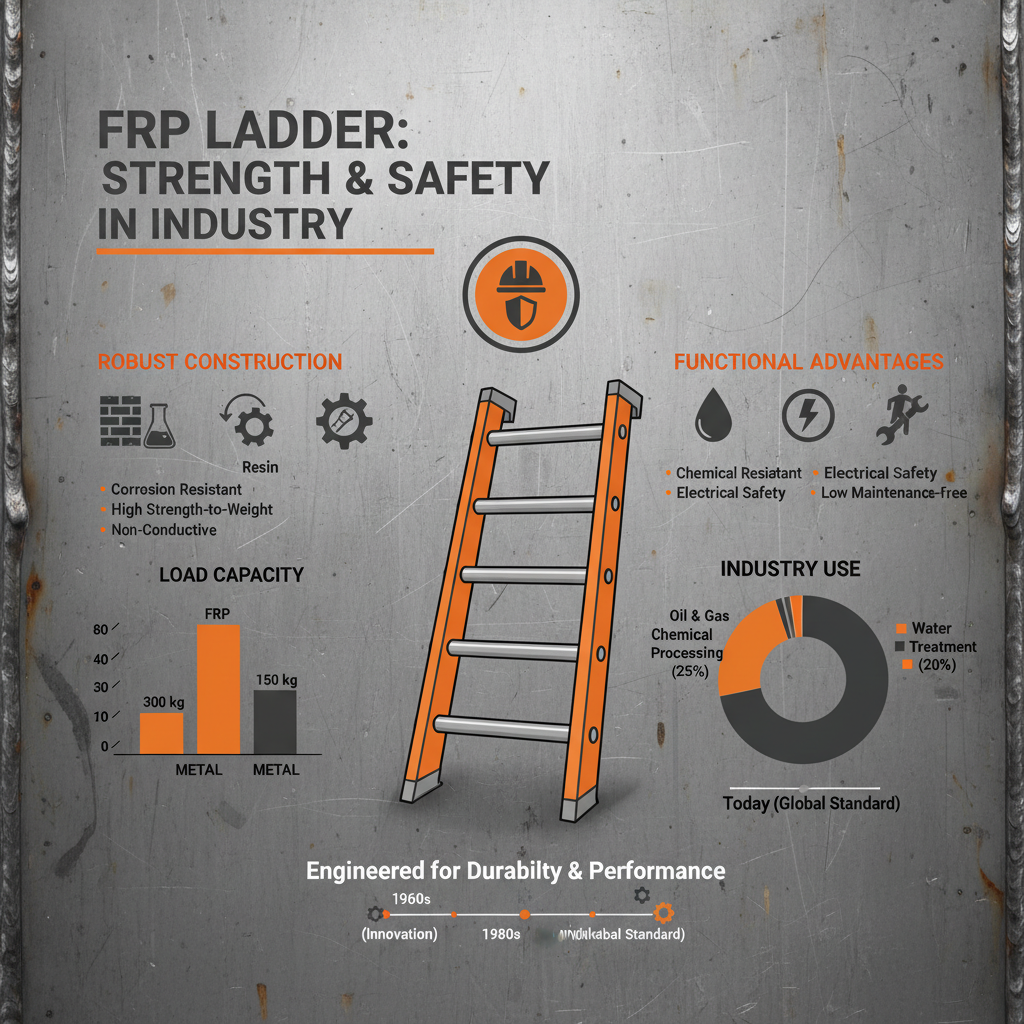
Several characteristics define high-quality FRP ladders. These include a high strength-to-weight ratio, meaning they can support significant loads while remaining lightweight; exceptional corrosion resistance, preventing degradation in harsh environments; non-conductivity, reducing the risk of electrical shock; and UV resistance, protecting the material from sun damage.
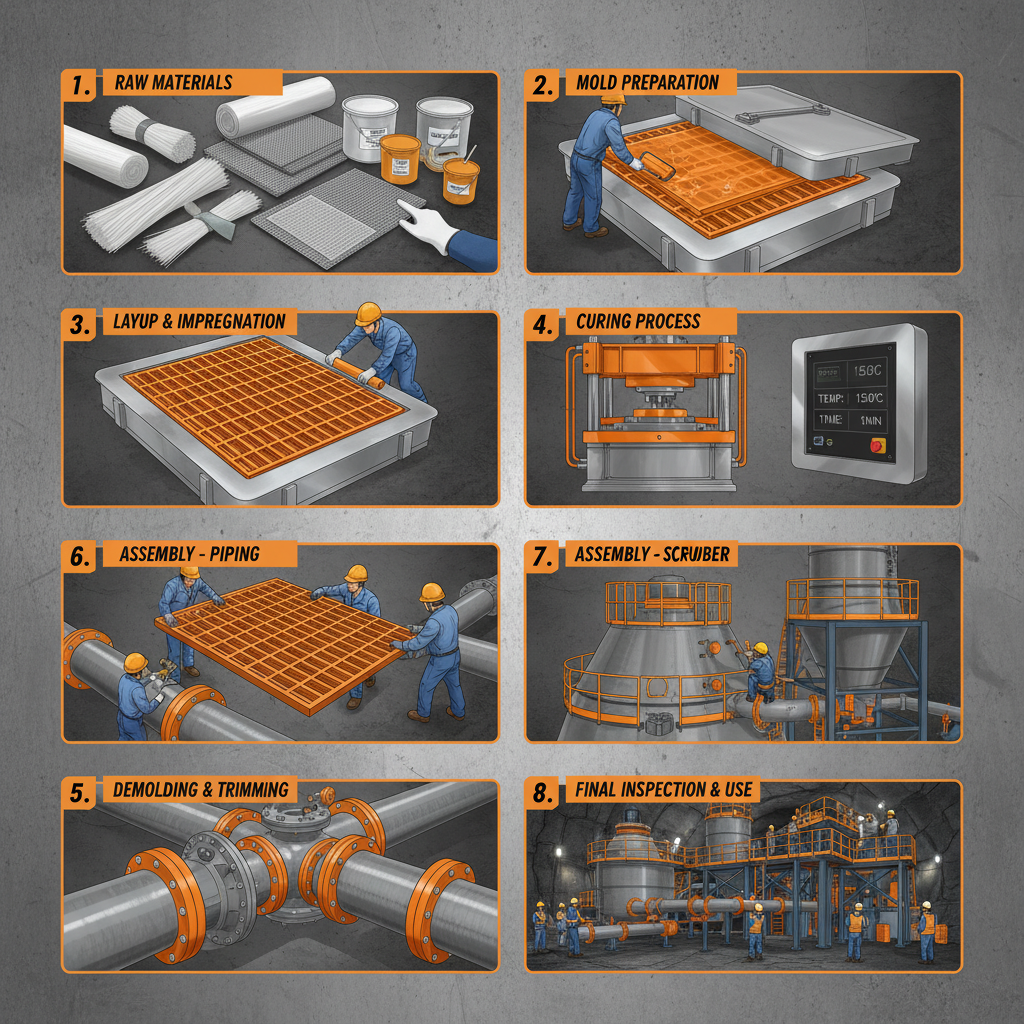
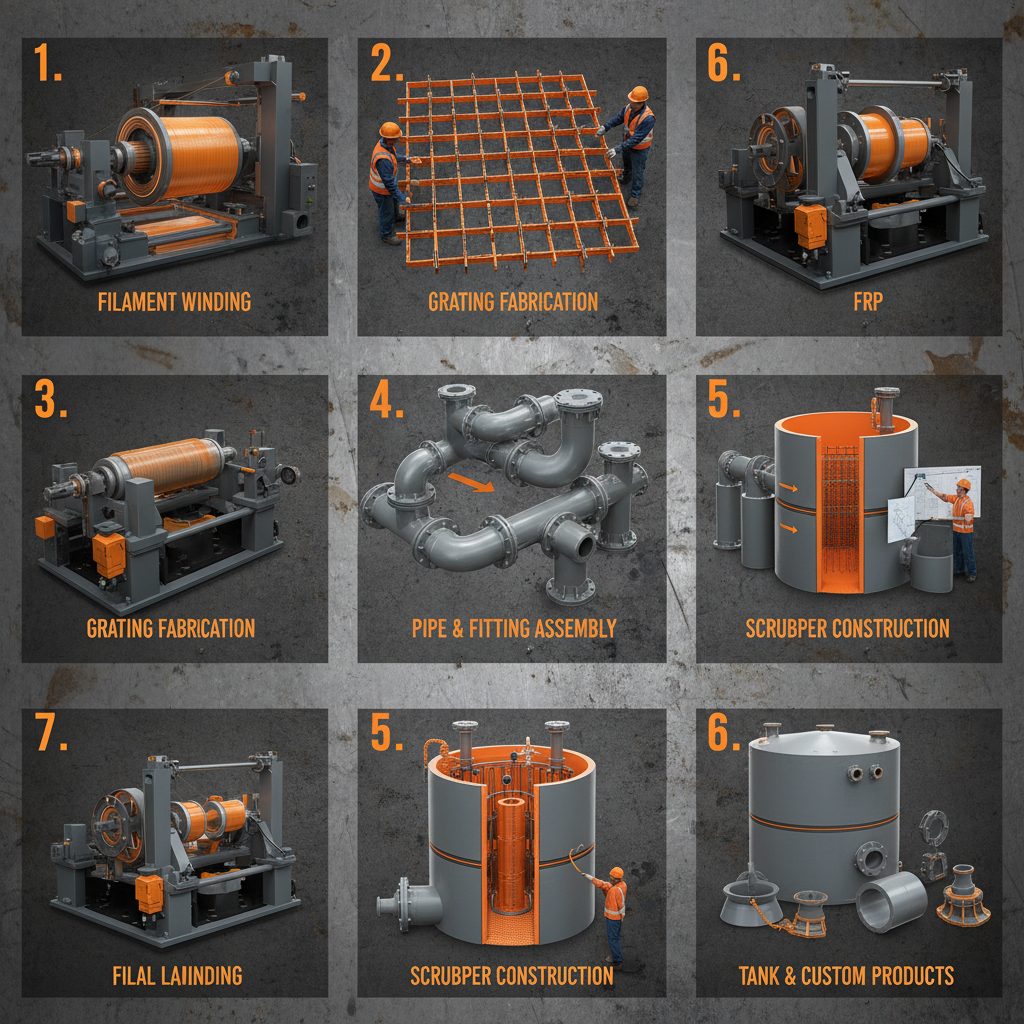
Furthermore, the manufacturing process, such as pultrusion or filament winding, significantly impacts the ladder's structural integrity and performance. A well-designed and manufactured FRP ladder will exhibit consistent quality and long-term reliability, making it a worthwhile investment for any organization.
Key Advantages of FRP Ladders
One of the most significant advantages of FRP ladders is their exceptional durability. Unlike aluminum or wood, they do not rust or rot, ensuring a long service life even in harsh environments. This durability translates to reduced replacement costs and minimal downtime. Utilizing frp ladder reduces long-term expense.
Another key benefit is safety. FRP ladders are non-conductive, making them ideal for use around electrical equipment. They are also lighter than steel ladders, reducing the risk of strain injuries during transport and use.
Comparative Advantage of Different FRP Ladder Manufacturing Methods
Global Applications & Industries Served
FRP ladders find applications across a diverse range of industries. In the construction sector, they provide safe access to building sites, scaffolding, and roofing areas. The utility industry utilizes them for maintaining power lines, telecommunication towers, and water treatment facilities.
Chemical processing plants and wastewater treatment facilities benefit from the corrosion-resistant properties of FRP ladders. In remote industrial zones, where access to traditional maintenance services may be limited, FRP ladders offer a reliable and low-maintenance solution. The growing demand for frp ladder reflects this widespread utility.
Long-Term Value and Sustainability
The long-term value of FRP ladders extends beyond their initial cost. Their exceptional durability reduces the need for frequent replacements, resulting in significant cost savings over the lifespan of the product. Furthermore, the minimal maintenance requirements translate to reduced labor costs and downtime.
From a sustainability perspective, FRP ladders contribute to environmental responsibility. Their long lifespan reduces waste, and the manufacturing process can utilize recycled materials. The reduced need for maintenance also minimizes the consumption of resources.
The safety benefits provided by FRP ladders, such as reduced risk of electrical shock and falls, contribute to improved worker well-being and productivity. This ultimately enhances the overall social impact of utilizing these innovative access solutions.
Future Trends and Innovations in FRP Ladder Technology
The future of FRP ladder technology is focused on continuous improvement in material science and manufacturing processes. Researchers are exploring new fiber and resin combinations to enhance strength, stiffness, and corrosion resistance. The integration of smart sensors into FRP ladders is also gaining traction, allowing for real-time monitoring of structural integrity and load capacity.
Automation in manufacturing will lead to increased production efficiency and reduced costs. Sustainable materials and manufacturing practices will become increasingly important, aligning with the growing global focus on environmental responsibility. The future will see greater customization and modularity, allowing frp ladder to be tailored to specific applications.
Digital twin technology, where a virtual replica of the ladder is used for predictive maintenance and performance analysis, will also become more prevalent. This will further enhance the reliability and safety of FRP ladders in demanding environments.
Core Performance Metrics of FRP Ladder Designs
| Design Parameter |
Load Capacity (lbs) |
Corrosion Resistance (1-10) |
Weight (lbs) |
| Standard Pultruded Design |
300 |
10 |
15 |
| High-Strength Resin Design |
400 |
9 |
18 |
| Carbon Fiber Reinforced Design |
350 |
10 |
12 |
| Modular Sectional Design |
250 (per section) |
8 |
10 |
| UV-Stabilized Resin Design |
325 |
9.5 |
16 |
| Flame-Retardant Resin Design |
300 |
8.5 |
17 |
FAQS
FRP ladders offer superior corrosion resistance, making them ideal for harsh environments where aluminum would corrode. They're also non-conductive, enhancing safety around electrical hazards, and generally lighter, improving maneuverability. Although the initial cost may be higher, the longevity and reduced maintenance of FRP ladders often result in lower lifecycle costs.
FRP ladders are designed to withstand a wide range of temperatures. However, prolonged exposure to extremely high or low temperatures can affect their performance. The specific temperature range depends on the type of resin used in the manufacturing process. Generally, they perform well in temperatures between -40°F and 150°F.
Yes, FRP ladders are exceptionally well-suited for outdoor use. Their resistance to corrosion, UV radiation, and moisture makes them durable and reliable in outdoor environments. However, it's essential to select ladders with UV stabilizers to maximize their lifespan when exposed to prolonged sunlight.
FRP ladders are manufactured to meet rigorous safety standards, including ANSI (American National Standards Institute) and OSHA (Occupational Safety and Health Administration) requirements. These standards ensure that the ladders are designed and tested to withstand specific loads and provide safe access for workers. Always verify that the ladder is certified and labelled appropriately.
FRP ladders require minimal maintenance. Regularly inspect for any signs of damage, such as cracks or delamination. Clean the ladder with mild soap and water to remove dirt and debris. Avoid using harsh chemicals or abrasive cleaners, as these can damage the resin. Store the ladder in a dry and protected location.
With proper care and maintenance, an FRP ladder can have a lifespan of 20 years or more, significantly longer than traditional aluminum or wood ladders. Their inherent resistance to corrosion and degradation contributes to their longevity, making them a cost-effective investment in the long run.
Conclusion
In conclusion, FRP ladders represent a significant advancement in access solutions, offering a compelling combination of safety, durability, and cost-effectiveness. Their resistance to corrosion, non-conductive properties, and lightweight design make them ideal for a wide range of industries and applications, from construction and utilities to chemical processing and disaster relief. The benefits extend beyond immediate performance, contributing to reduced maintenance costs and a longer lifecycle.
Looking ahead, continued innovation in materials and manufacturing processes will further enhance the performance and sustainability of FRP ladders. Embracing this technology is not only a smart investment for businesses seeking to improve worker safety and reduce costs, but also a step towards a more sustainable and resilient infrastructure. Visit our website at jrain-frp.com to learn more about our range of FRP ladder solutions and discover how they can benefit your organization.