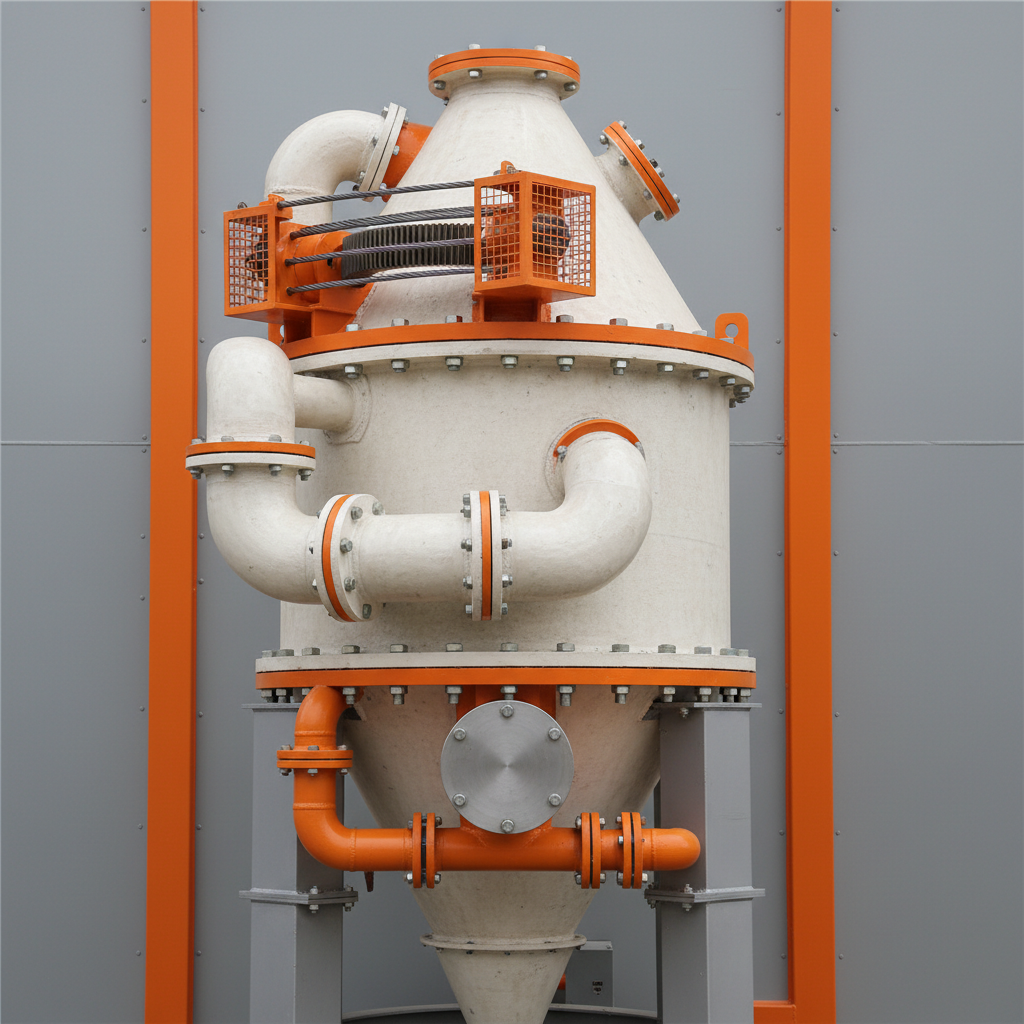
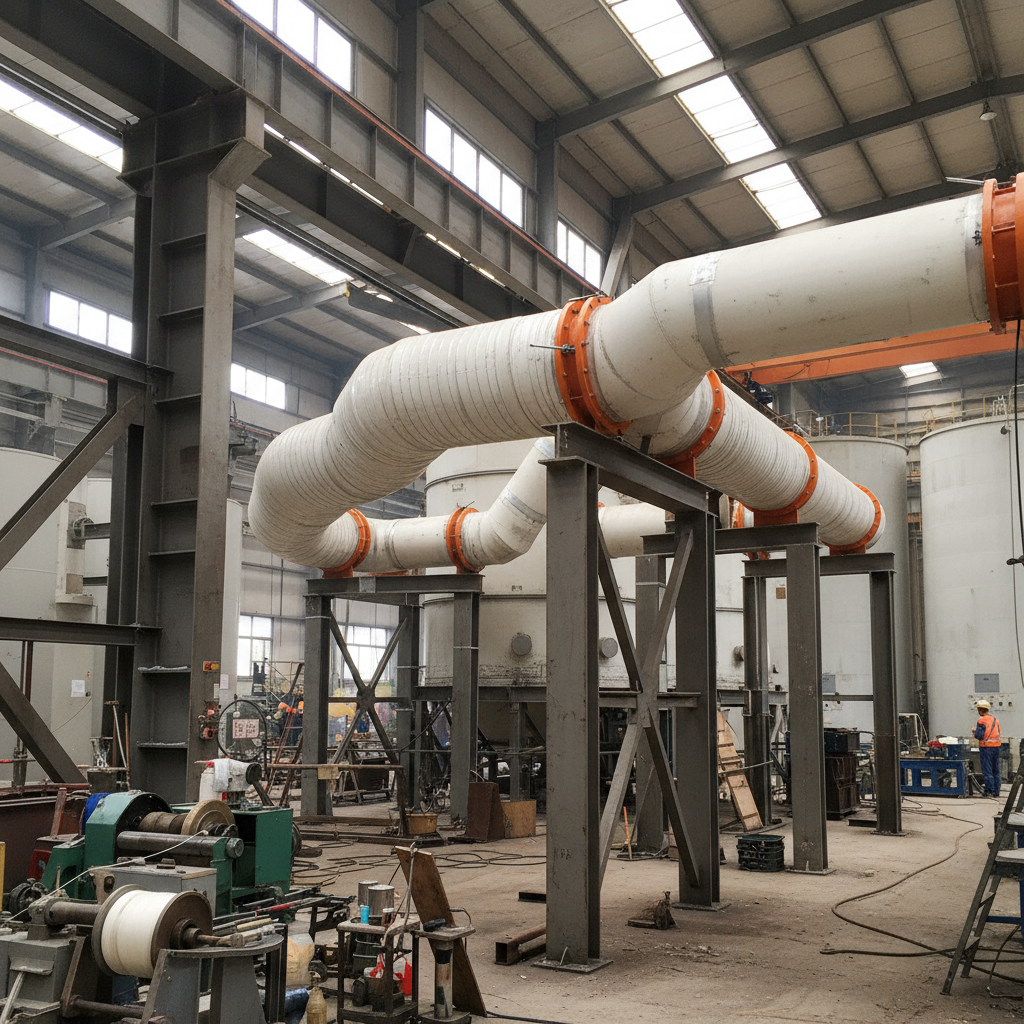
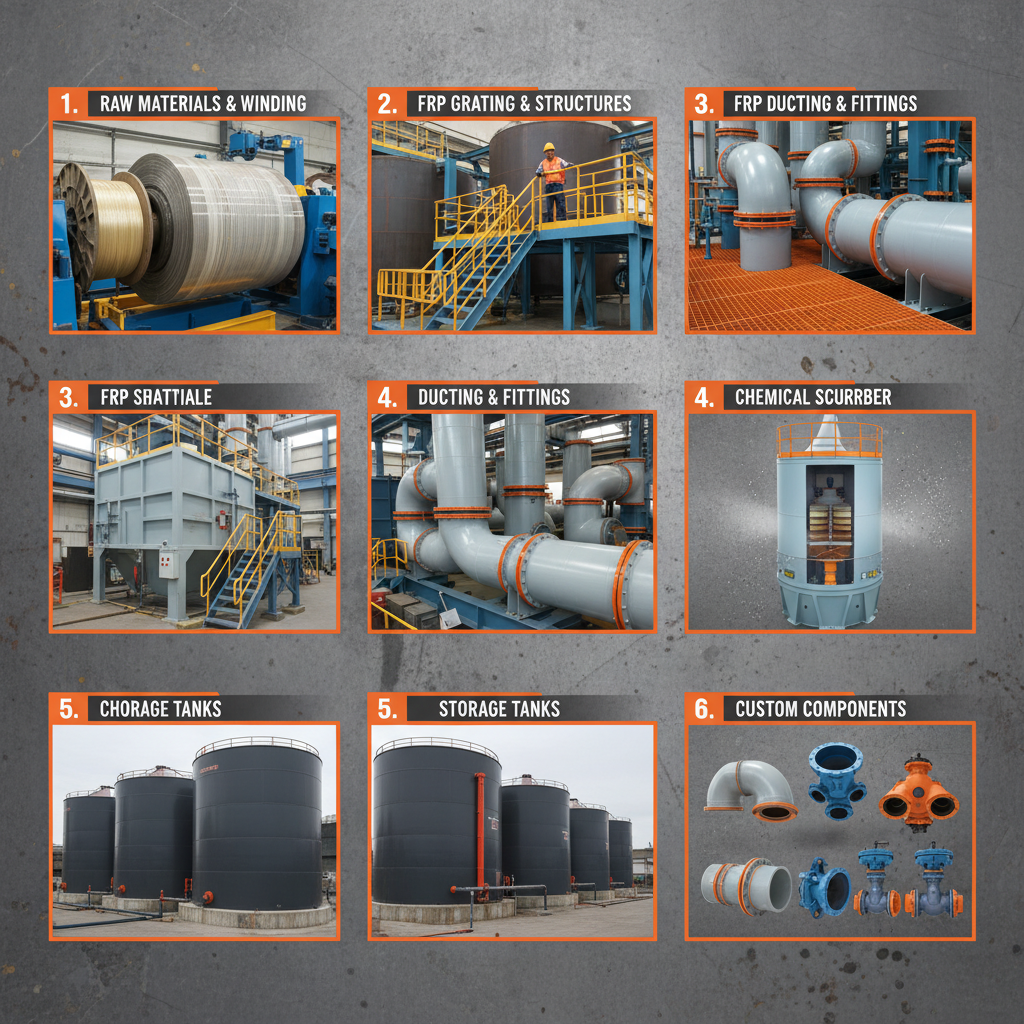
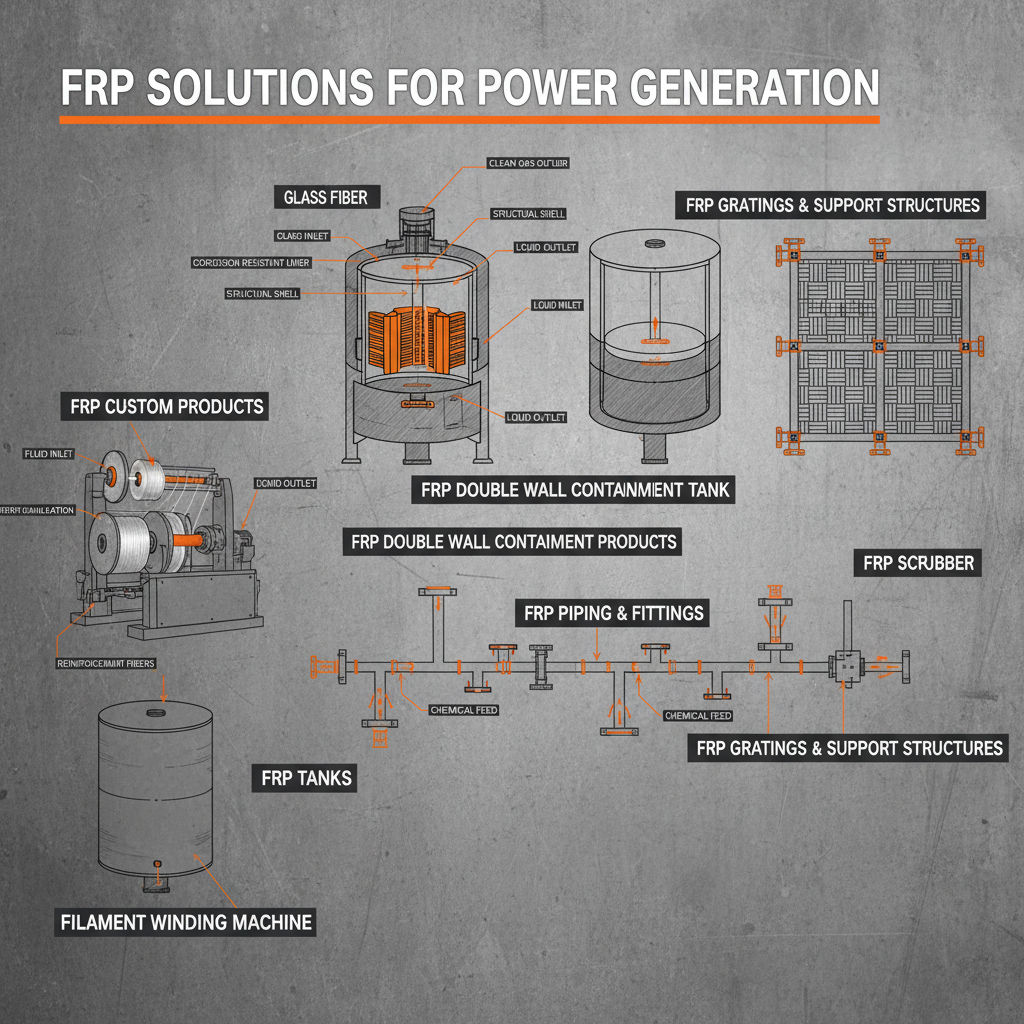
Fiber Reinforced Polymer (FRP) chemical products are revolutionizing industries worldwide, offering superior strength, durability, and corrosion resistance compared to traditional materials. Their unique properties stem from a composite structure – a matrix resin reinforced with fibers – enabling applications from infrastructure repair to advanced aerospace components. Understanding the nuances of frp chemical product is increasingly vital for engineers, architects, and project managers seeking innovative and sustainable solutions.
The global demand for FRP materials is experiencing significant growth, driven by the need for lightweight, long-lasting infrastructure and the increasing adoption of advanced composites in sectors like automotive, marine, and chemical processing. Factors like aging infrastructure, stricter environmental regulations, and the desire for reduced maintenance costs contribute to this trend. FRP chemical product provide a compelling alternative to conventional materials in a variety of demanding environments.
Addressing challenges such as cost and design limitations associated with traditional materials, frp chemical product provide solutions that enhance project efficiency and lifespan. The adaptability and customizable nature of FRP chemical product make them an attractive choice for modern construction and industrial applications, fostering innovation and sustainability across diverse sectors.
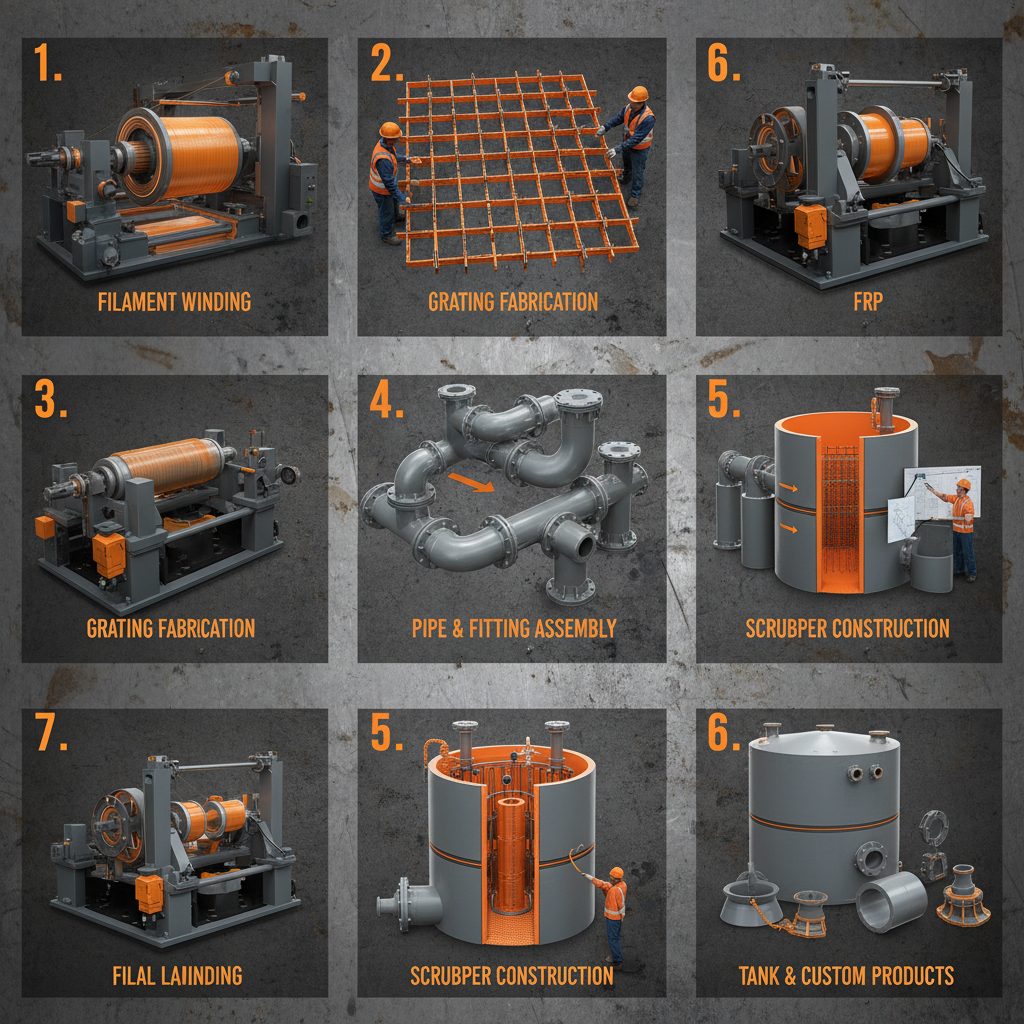
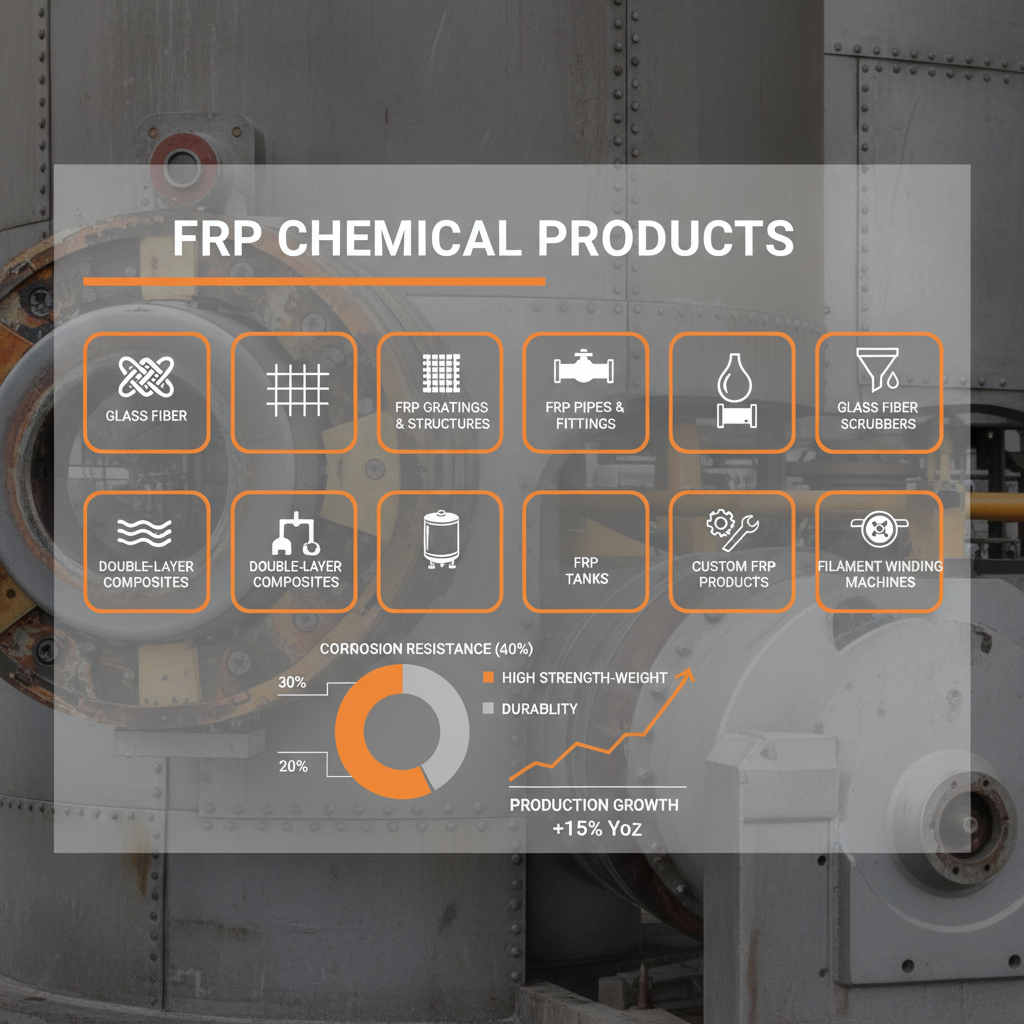
FRP chemical products represent a significant advancement in materials science, offering a versatile alternative to traditional materials like steel, concrete, and aluminum. These products utilize a combination of reinforcing fibers embedded within a polymer matrix, creating a material that is both lightweight and incredibly strong. frp chemical product offer unique benefits in various applications.
The versatility of FRP extends to numerous applications, including structural reinforcements, corrosion protection, and the creation of complex shapes previously unattainable with conventional materials. The ability to tailor the composition of FRPs to specific performance requirements makes them suitable for a vast range of industrial and infrastructure projects.
While the initial material cost of frp chemical product can sometimes be higher, a life-cycle cost analysis often reveals significant savings. FRP's superior corrosion resistance and reduced maintenance needs translate to lower long-term expenses. Installation costs can also be competitive, particularly for repairs and strengthening projects, as FRPs are often lighter and easier to handle than traditional materials. Initial investment may also be offset by extended service life and reduced downtime.
FRP chemical product generally have a lower environmental footprint than steel or concrete. Their lightweight nature reduces transportation costs and associated emissions. The extended lifespan of FRP structures minimizes the need for replacements, reducing resource consumption and waste. Furthermore, ongoing research focuses on developing bio-based resins for FRPs, further reducing their environmental impact and promoting sustainable practices within the industry.
Proper installation of frp chemical product requires specialized training and expertise. While the application process can be relatively straightforward, ensuring correct surface preparation, resin mixing, and fiber placement is crucial for achieving optimal performance. Certified installers are readily available, and training programs are offered by various organizations to equip contractors with the necessary skills. Improper installation can compromise the structural integrity of the FRP system.
The performance of frp chemical product in extreme temperatures depends on the specific resin and fiber used. Some FRP systems are designed to withstand high temperatures (e.g., those used in aerospace), while others may be more suitable for cold environments. Selecting the appropriate materials is critical for ensuring long-term durability and performance in challenging temperature conditions. It is important to consult with a materials engineer to determine the best FRP solution for your specific application.
While FRPs offer numerous advantages, they do have some limitations. They are generally weaker in shear than in tension, and their fire resistance is lower than that of steel or concrete without additional fireproofing measures. FRPs can also be susceptible to damage from impact or point loads. However, these limitations can be mitigated through careful design, material selection, and the incorporation of protective measures.
FRP chemical product generally exhibit superior fatigue resistance compared to steel. They are less prone to crack initiation and propagation under cyclic loading, making them ideal for applications subject to repeated stress. This characteristic translates to longer service life and reduced maintenance requirements in structures exposed to dynamic loads, such as bridges and offshore platforms. However, fatigue performance is still dependent on material selection and quality control.
In conclusion, frp chemical product represent a transformative advancement in materials science, offering a unique combination of strength, durability, and sustainability. From infrastructure rehabilitation to cutting-edge industrial applications, FRPs are addressing critical challenges and paving the way for a more resilient and efficient future. Understanding their capabilities and limitations is crucial for engineers, architects, and policymakers alike.
Looking ahead, continued innovation in FRP technology, coupled with supportive policies and increased awareness, will undoubtedly expand their adoption across diverse sectors. Embracing FRPs is not merely a matter of adopting a new material; it’s an investment in a more sustainable, reliable, and innovative future. To learn more about our range of frp chemical product and how we can assist with your project, visit our website today.