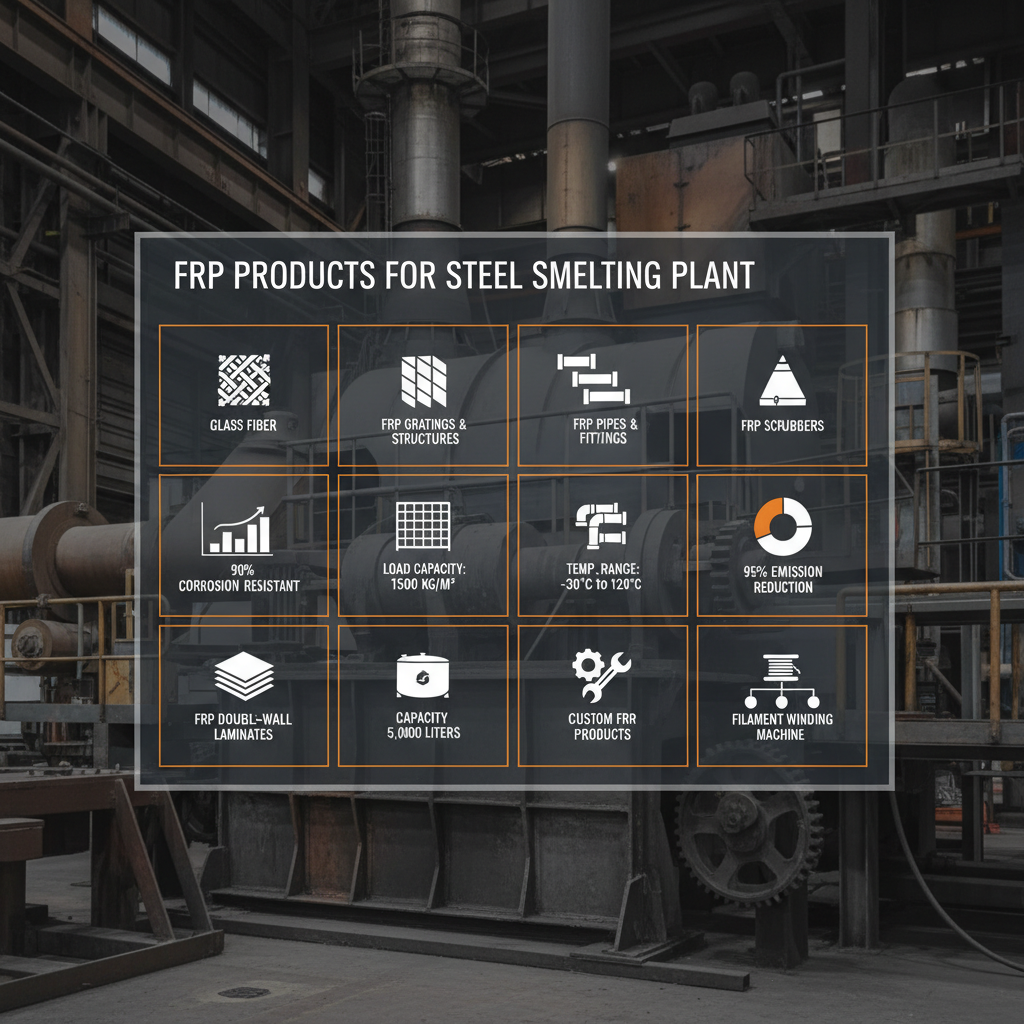
frp products for steel smelting plant are rapidly becoming essential components in modern steel production. The demanding conditions within steel smelting – extreme temperatures, corrosive environments, and heavy mechanical stress – necessitate materials capable of withstanding immense strain. Traditionally, specialized alloys and refractory materials have been utilized, but these often present challenges in terms of cost, maintenance, and longevity. Fiber Reinforced Polymers (FRP) offer a compelling alternative, providing superior corrosion resistance, high strength-to-weight ratios, and extended service life, ultimately leading to improved operational efficiency and reduced downtime.
Globally, the steel industry is facing increasing pressure to enhance sustainability and minimize environmental impact. frp products for steel smelting plant contribute to these goals by reducing the need for frequent replacements of components, lowering material consumption, and minimizing waste. Furthermore, the lightweight nature of FRP reduces transportation costs and facilitates easier installation, contributing to a more streamlined and environmentally responsible operation. The demand for these materials is projected to grow significantly as steel plants worldwide seek innovative solutions to optimize performance and meet stricter environmental regulations.
The application of FRP in steel smelting isn't merely a materials upgrade; it's a fundamental shift towards optimized, reliable, and sustainable steel production. Investing in understanding the capabilities and implementation strategies of frp products for steel smelting plant is crucial for any organization aiming to remain competitive in the evolving landscape of the global steel industry.
Introduction: Global or Industry Context
The global steel industry is a cornerstone of modern infrastructure, producing over 1.8 billion metric tons annually (World Steel Association, 2023). However, the sector faces significant challenges, including the need for increased efficiency, reduced environmental impact, and improved workplace safety. Traditional materials used in steel smelting processes, such as carbon steel and refractory bricks, are susceptible to corrosion, high-temperature degradation, and mechanical failure, leading to costly downtime and maintenance.
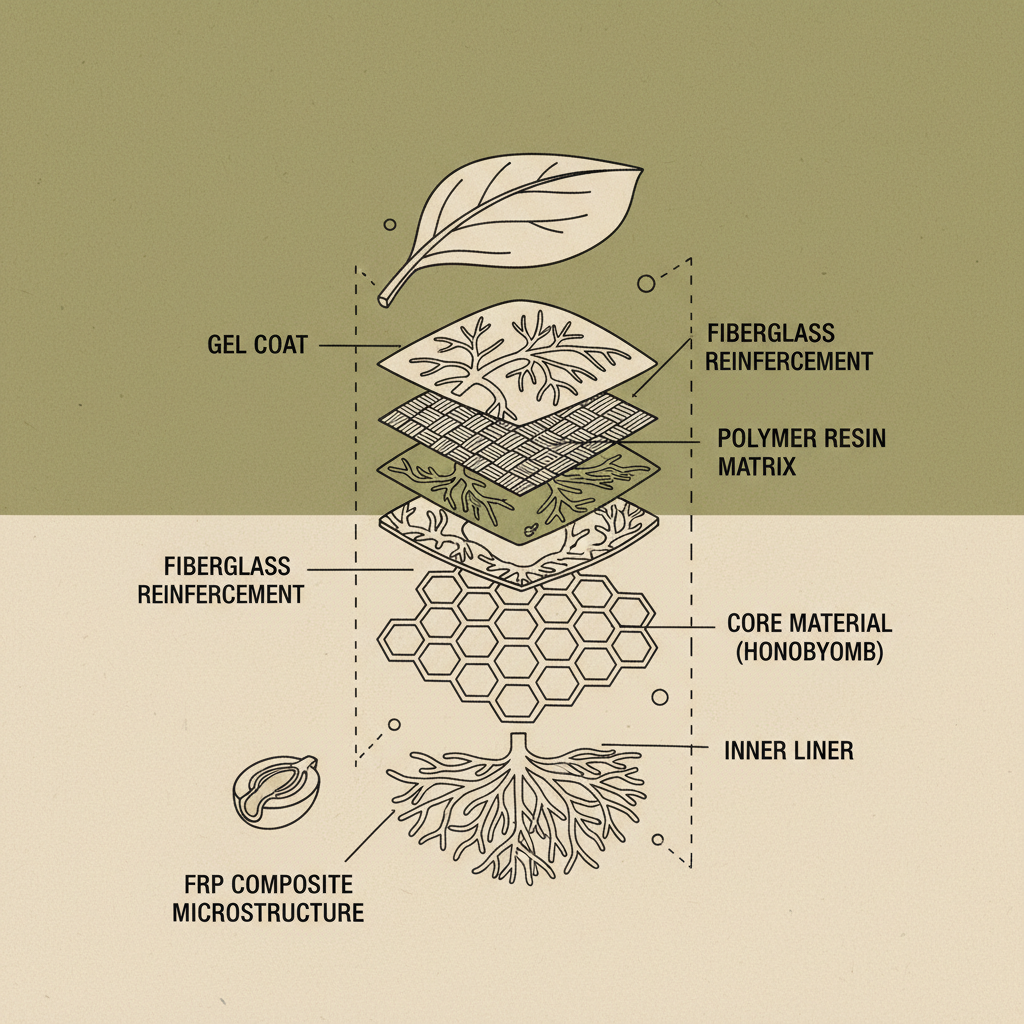
frp products for steel smelting plant offer a revolutionary approach to addressing these challenges. These materials, comprised of a polymer matrix reinforced with high-strength fibers (such as carbon, glass, or aramid), exhibit exceptional resistance to corrosion, high temperatures, and mechanical stress. The increased demand for high-performance materials in extreme environments is driving the adoption of FRP solutions in steel plants worldwide, with projections indicating substantial growth in the coming years.
The rising cost of traditional materials, coupled with increasingly stringent environmental regulations, are further accelerating the shift towards frp products for steel smelting plant. These materials not only reduce the lifecycle costs of steel production but also contribute to a more sustainable and environmentally responsible operation. Steel smelting plants are actively seeking innovative ways to enhance their operational efficiency, and FRP is proving to be a key enabler of this transformation.
Definition & Meaning
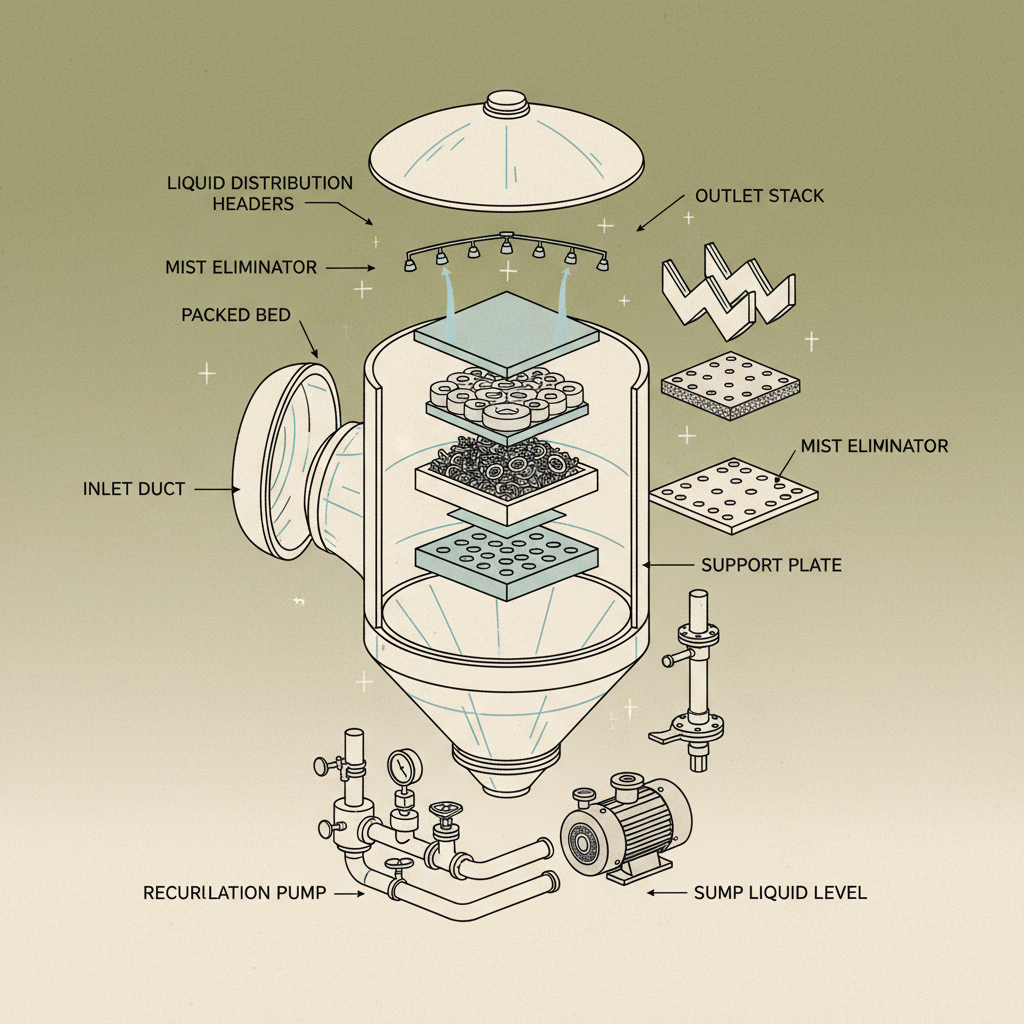
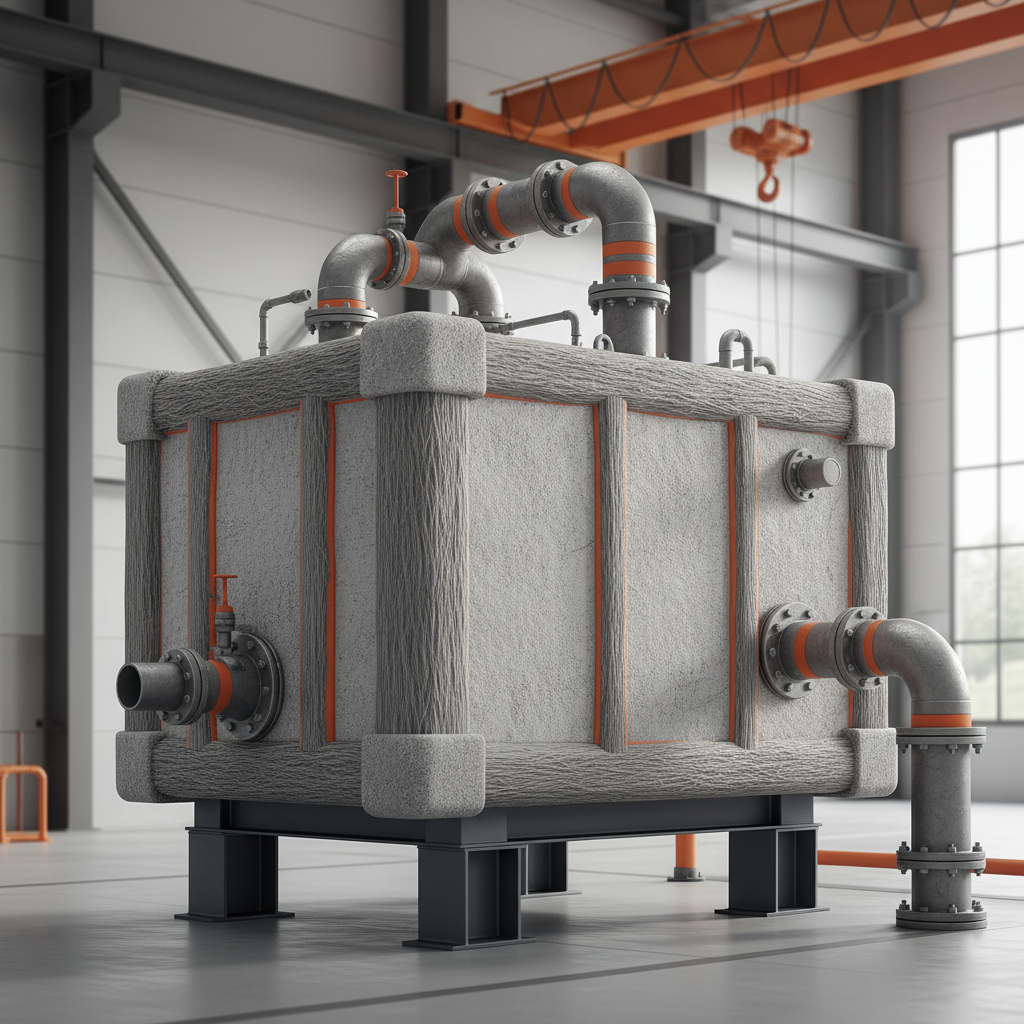
frp products for steel smelting plant encompass a range of components fabricated from fiber-reinforced polymer composites specifically designed to withstand the harsh conditions inherent in steelmaking. This includes, but is not limited to, linings for ladles, chutes, and vessels; structural components for fume extraction systems; and protective coatings for pipelines and tanks. The core principle lies in combining the lightweight and corrosion-resistant properties of polymers with the high strength and stiffness of reinforcing fibers.
These materials are not simply replacements for existing components; they represent a paradigm shift in how steel plants approach maintenance and operational longevity. Unlike traditional materials that require frequent repairs and replacements, frp products for steel smelting plant offer significantly extended service lives, reducing downtime and overall costs. The ability to tailor the composite material to specific application requirements – by varying fiber type, resin chemistry, and manufacturing process – further enhances their versatility and effectiveness.
The connection to modern industry is paramount. As steel production continues to evolve, demanding greater efficiency, sustainability, and safety, frp products for steel smelting plant are becoming indispensable. They are a direct response to the need for materials that can not only withstand extreme environments but also contribute to a more responsible and future-proof operation.
Key Factors or Core Components
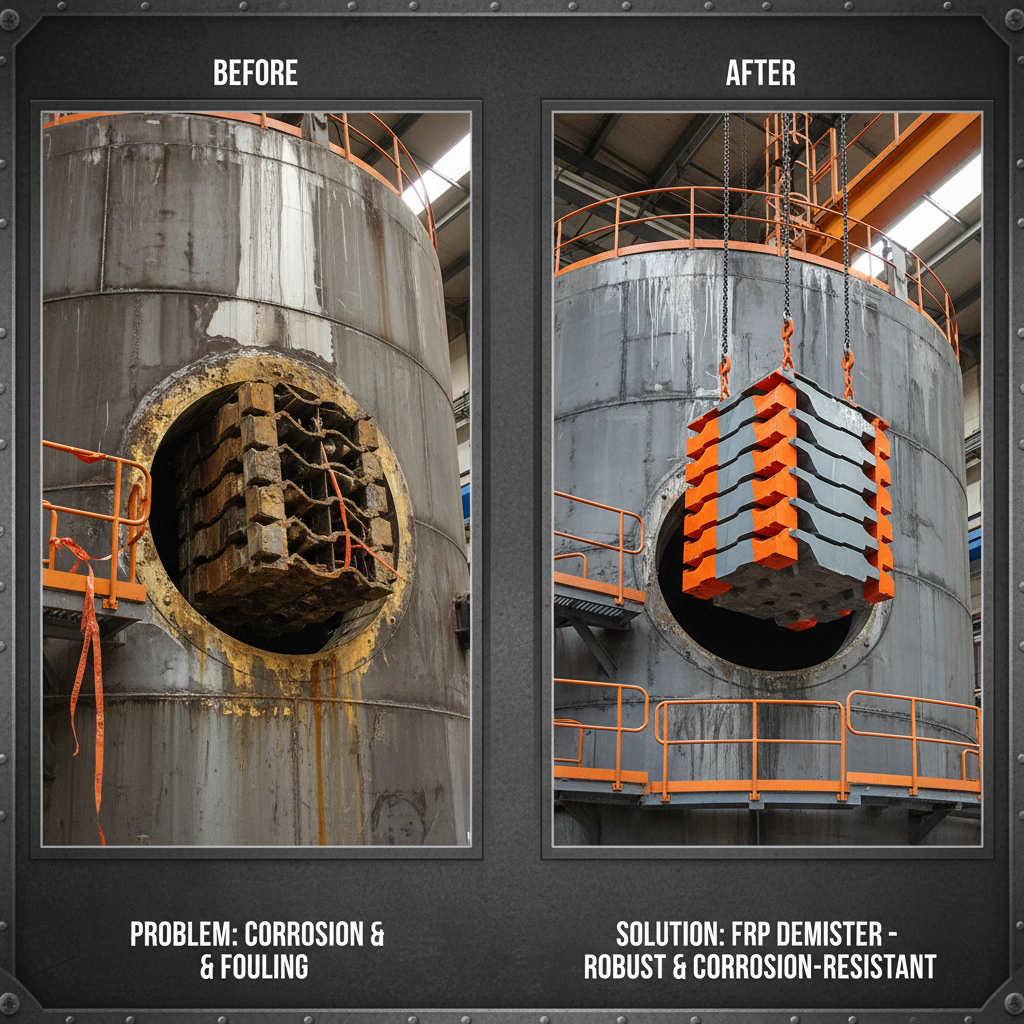
Corrosion Resistance: Perhaps the most significant advantage of frp products for steel smelting plant is their exceptional resistance to corrosion. The polymer matrix acts as a barrier, preventing corrosive agents – such as acids, alkalis, and molten metal splashes – from reaching the reinforcing fibers and causing degradation. This translates to significantly longer service life and reduced maintenance costs.
High Strength-to-Weight Ratio: FRP composites are remarkably lightweight compared to traditional materials like steel or cast iron, while maintaining comparable or even superior strength. This lightweight nature simplifies installation, reduces structural load, and minimizes transportation costs.
Thermal Stability: Specific resin formulations used in frp products for steel smelting plant are engineered to withstand high temperatures without significant degradation. While not suitable for direct contact with molten metal in all cases, they excel in applications involving elevated temperatures and thermal cycling, such as fume ducting and vessel linings.
Design Flexibility: FRP composites can be molded into complex shapes and customized to meet specific application requirements. This design flexibility allows for optimized performance and seamless integration into existing steel plant infrastructure.
Low Maintenance: Due to their inherent corrosion resistance and durability, frp products for steel smelting plant require minimal maintenance compared to traditional materials. This reduces labor costs and minimizes downtime, contributing to improved operational efficiency.
Electrical Insulation: Polymers are generally non-conductive, providing excellent electrical insulation. This property is valuable in applications where electrical hazards are present, enhancing workplace safety.
Global Applications & Use Cases
frp products for steel smelting plant are finding increasing applications in various stages of steel production worldwide. In Europe, several steel plants are utilizing FRP linings for ladles and transfer cars, significantly reducing maintenance downtime and extending component life. In Asia, particularly in countries with rapidly expanding steel industries like China and India, FRP fume ducting systems are becoming commonplace, improving air quality and worker safety.
North American steel mills are implementing FRP structural components in corrosive environments, such as pickling lines and galvanizing facilities, enhancing durability and reducing the need for frequent replacements. In remote industrial zones, like those found in Australia and parts of South America, the lightweight nature of FRP facilitates easier transportation and installation, reducing project costs and lead times.
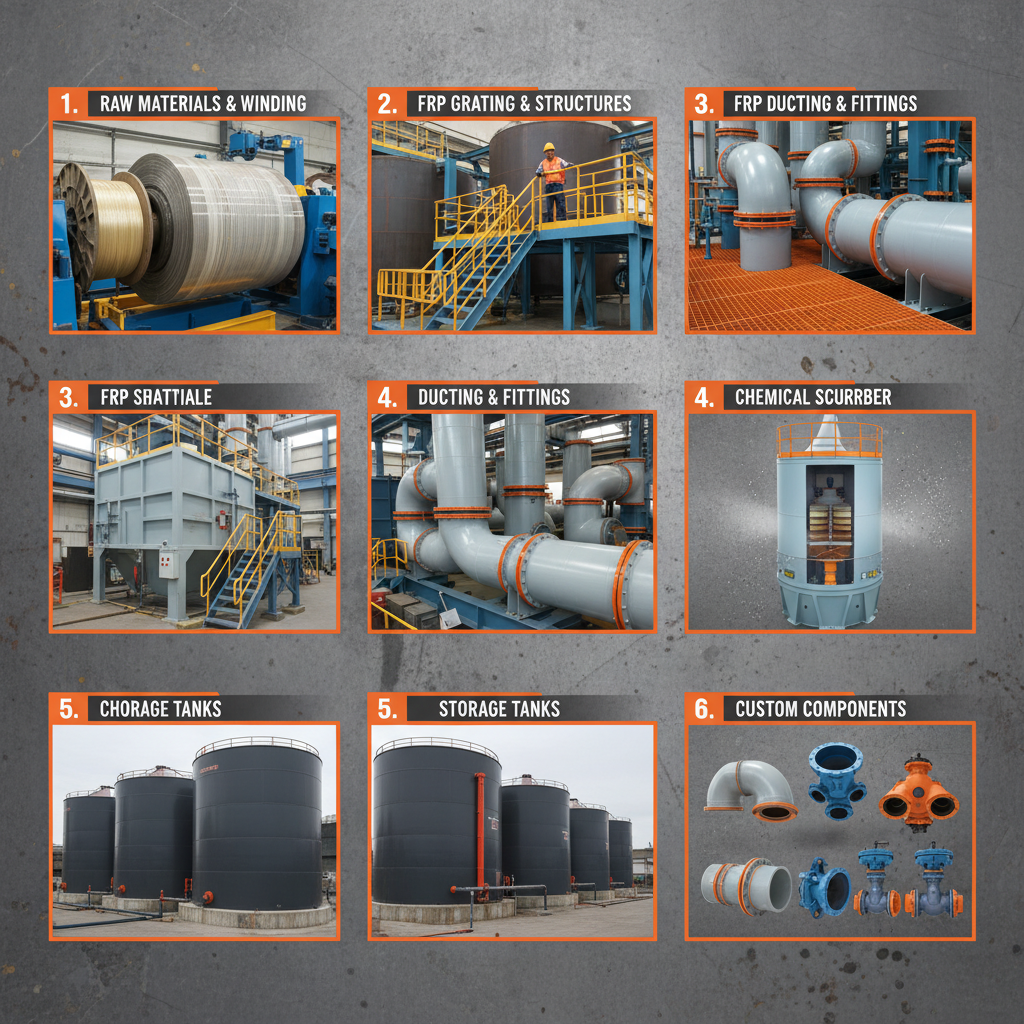
Beyond these specific regions, frp products for steel smelting plant are gaining traction in specialized applications such as the construction of acid storage tanks, the fabrication of corrosion-resistant grating and walkways, and the protection of pipelines carrying corrosive fluids. The versatility of these materials makes them suitable for a wide range of applications across the entire steelmaking process.
Comparative Performance of frp products for steel smelting plant Methods
Advantages & Long-Term Value
The tangible benefits of implementing frp products for steel smelting plant are numerous. Cost savings are realized through reduced maintenance, extended component life, and lower installation costs. Sustainability is enhanced by minimizing material consumption and waste generation. Social impact is improved through enhanced worker safety and a reduced environmental footprint. Reliability is bolstered by the inherent durability and corrosion resistance of the materials.
From a logical perspective, the economic advantages are clear. The long-term cost of ownership for FRP components is often significantly lower than that of traditional materials, despite a potentially higher initial investment. The reduced downtime and increased operational efficiency translate to improved productivity and profitability. From an emotional perspective, investing in frp products for steel smelting plant demonstrates a commitment to safety, sustainability, and innovation, fostering trust among stakeholders and enhancing the company’s reputation.
Future Trends & Innovations
The future of frp products for steel smelting plant is closely linked to advancements in materials science and manufacturing technologies. Research is ongoing to develop new resin formulations with even higher temperature resistance and improved mechanical properties. The integration of nanotechnology into FRP composites promises to further enhance their strength, durability, and corrosion resistance.
Digital transformation and automation are also playing a key role. Advanced monitoring systems, utilizing sensors embedded within the FRP structure, can provide real-time data on component health and performance, enabling predictive maintenance and preventing catastrophic failures. Furthermore, the increasing adoption of sustainable manufacturing practices – such as the use of bio-based resins and recycled fibers – is aligning frp products for steel smelting plant with the broader goals of environmental responsibility.
Challenges & Solutions
Despite the numerous advantages, several challenges hinder the widespread adoption of frp products for steel smelting plant. One key hurdle is the initial cost, which can be higher than that of traditional materials. However, this cost differential is often offset by the long-term savings associated with reduced maintenance and extended service life.
Another challenge is the lack of standardized design guidelines and industry codes specifically for FRP applications in steel smelting. Addressing this requires collaborative efforts between material manufacturers, engineering consultants, and steel plant operators to develop comprehensive design standards and best practices.
Finally, concerns regarding the repairability of FRP components can be addressed through the development of specialized repair techniques and materials. Expert training and certification programs are also essential to ensure the proper installation and maintenance of FRP systems, maximizing their performance and longevity.
Summary of Challenges and Solutions for frp products for steel smelting plant
| Challenge |
Impact on Steel Smelting |
Proposed Solution |
Implementation Timeline |
| High Initial Cost |
May discourage initial investment |
Lifecycle Cost Analysis and Value Demonstration |
Short-Term (within 6 months) |
| Lack of Standardized Codes |
Hinders design and regulatory approval |
Collaborative Development of Industry Standards |
Medium-Term (1-3 years) |
| Repair Complexity |
Requires specialized skills and materials |
Development of FRP Repair Kits and Training Programs |
Medium-Term (1-2 years) |
| Limited Design Expertise |
Suboptimal application of FRP properties |
Engineering Workshops and Design Software Training |
Short-Term (within 1 year) |
| Material Compatibility |
Potential for galvanic corrosion or chemical reactions |
Thorough Material Testing and Selection |
Ongoing (continuous improvement) |
| Long-Term Performance Data |
Limited data on FRP behavior over extended periods |
Long-Term Monitoring and Data Collection Programs |
Long-Term (5+ years) |
FAQS
frp products for steel smelting plant offer several key advantages over traditional steel linings, including significantly improved corrosion resistance, a higher strength-to-weight ratio, and a longer service life. This translates into reduced maintenance costs, minimized downtime, and enhanced operational efficiency. While the initial cost may be higher, the lifecycle cost of FRP is often lower due to these long-term benefits. Additionally, FRP is non-magnetic, which can be advantageous in certain steelmaking processes.
The ability of frp products for steel smelting plant to withstand extreme temperatures depends on the specific resin formulation used. While not suitable for direct, prolonged contact with molten metal in all cases, specialized high-temperature resins can withstand temperatures up to several hundred degrees Celsius. FRP is commonly used in applications involving elevated temperatures and thermal cycling, such as fume ducting, vessel linings, and protective coatings, where it provides excellent thermal insulation and resistance to thermal stress.
The lifespan of frp products for steel smelting plant varies depending on the specific application, the environmental conditions, and the quality of the materials used. However, in many cases, FRP components can last significantly longer than traditional steel components, often exceeding 10-20 years with minimal maintenance. Proper installation and regular inspections are crucial to maximizing the lifespan of FRP systems.
Repairing FRP components requires specialized skills and materials, but it is generally feasible. Minor damage, such as surface scratches or small cracks, can often be repaired with epoxy resins and patching compounds. More significant damage may require professional repair services. The development of FRP repair kits and training programs is making FRP repairs more accessible and cost-effective.
frp products for steel smelting plant contribute to environmental sustainability in several ways. Their long lifespan reduces the need for frequent replacements, minimizing material consumption and waste generation. Their lightweight nature reduces transportation costs and fuel consumption. Furthermore, the use of bio-based resins and recycled fibers is becoming increasingly common, further enhancing their environmental profile.
Installation of frp products for steel smelting plant typically requires specialized training and expertise. Proper surface preparation is crucial to ensure adequate bonding between the FRP material and the substrate. Installation methods vary depending on the specific application and the type of FRP system being used. Following manufacturer’s guidelines and adhering to industry best practices are essential for a successful installation.
Conclusion
In conclusion, frp products for steel smelting plant represent a transformative technology with the potential to significantly enhance the efficiency, sustainability, and safety of steel production. The superior corrosion resistance, high strength-to-weight ratio, and extended service life of FRP materials offer compelling advantages over traditional materials. As the steel industry continues to evolve, embracing these innovative solutions will be crucial for remaining competitive and meeting the challenges of a rapidly changing world.
Looking ahead, continued research and development, coupled with the establishment of standardized design guidelines and industry codes, will further accelerate the adoption of frp products for steel smelting plant. Investing in FRP is not just an investment in materials; it's an investment in a more sustainable, resilient, and innovative future for the steel industry. For more information and to explore our range of frp products for steel smelting plant, visit our website: www.jrain-frp.com.