Fiber Reinforced Polymer (FRP) products are increasingly crucial in maintaining the safety and efficiency of thermal and nuclear power plants globally. These advanced materials offer superior corrosion resistance, high strength-to-weight ratios, and exceptional durability in harsh environments – critical attributes for these demanding applications. Understanding the benefits and applications of frp products for thermal and nuclear power is vital for plant operators, engineers, and policymakers striving for long-term reliability and reduced lifecycle costs.
The demand for robust and reliable materials in the power generation sector is driven by aging infrastructure and increasingly stringent safety regulations. Traditional materials like steel are susceptible to corrosion and degradation, requiring frequent maintenance and eventual replacement. FRP products for thermal and nuclear power offer a sustainable and cost-effective solution, minimizing downtime, enhancing safety, and extending the lifespan of critical components. The global power generation market, valued at trillions of dollars, increasingly favors materials that provide enhanced performance and longevity.
The integration of frp products for thermal and nuclear power isn’t merely a technological upgrade; it represents a strategic shift toward more resilient and sustainable energy infrastructure. The UN Sustainable Development Goal 7 (Affordable and Clean Energy) underscores the importance of reliable power generation, and FRP materials directly contribute to achieving this goal by reducing maintenance, improving efficiency, and extending plant operational life.
Introduction to frp products for thermal and nuclear power
FRP (Fiber Reinforced Polymer) products, specifically tailored for the thermal and nuclear power industries, represent a groundbreaking advancement in material science. These composites combine the strength of reinforcing fibers (like carbon, glass, or aramid) with the durability and design flexibility of polymer resins. They’re engineered to withstand extreme temperatures, corrosive chemicals, and high stresses inherent in power plant environments, offering a significant improvement over traditional materials.
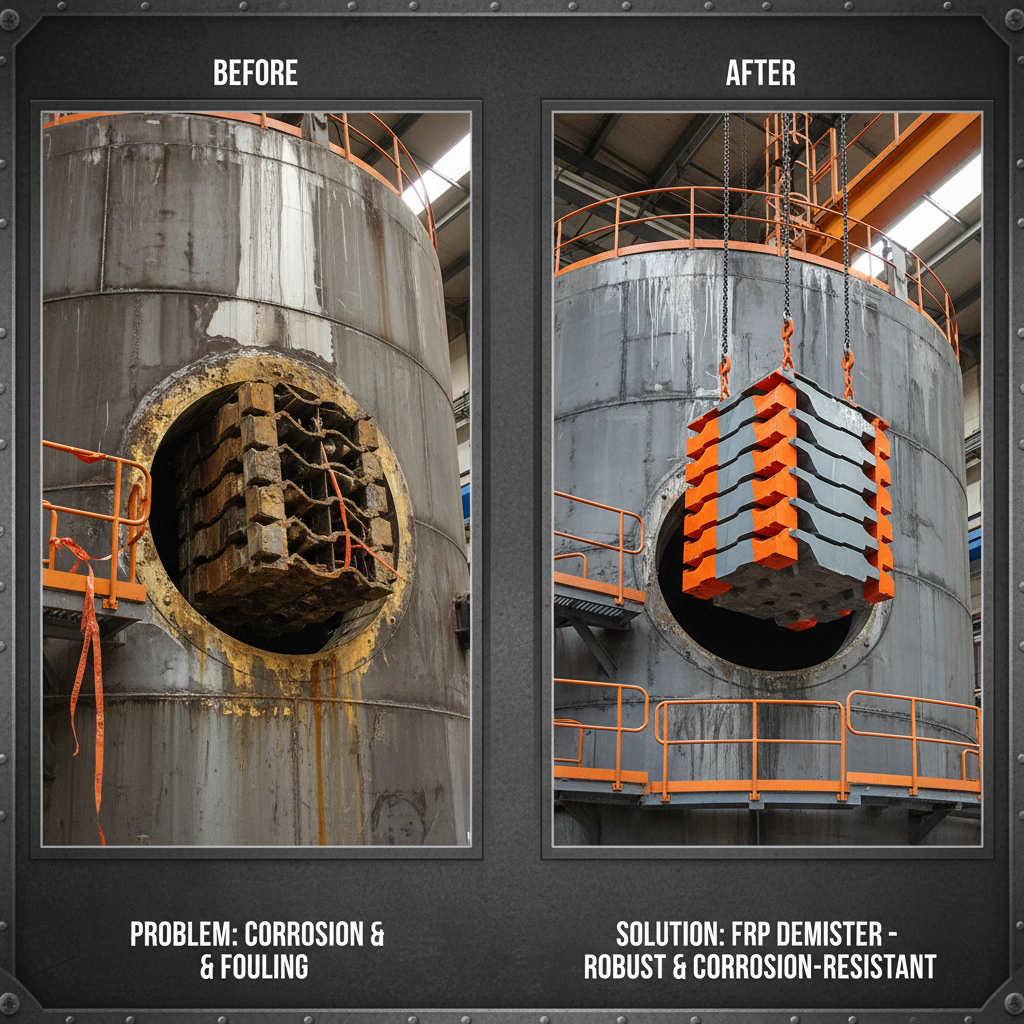
The application of frp products for thermal and nuclear power isn't limited to new construction; they’re also extensively used for retrofitting and repairing existing infrastructure. This capability is particularly important given the aging infrastructure in many power plants worldwide, enabling operators to extend the lifespan of critical assets without costly and disruptive replacements.
Defining FRP Products for Power Applications
FRP products for thermal and nuclear power aren't a single material but a versatile family of composites. They're created by embedding high-strength fibers within a polymer matrix, resulting in a material that’s lightweight, strong, and resistant to corrosion. The specific composition – the type of fiber and resin – is tailored to the particular application and the demands of the power plant environment. Common resins include epoxy, vinyl ester, and polyester, each offering different properties.
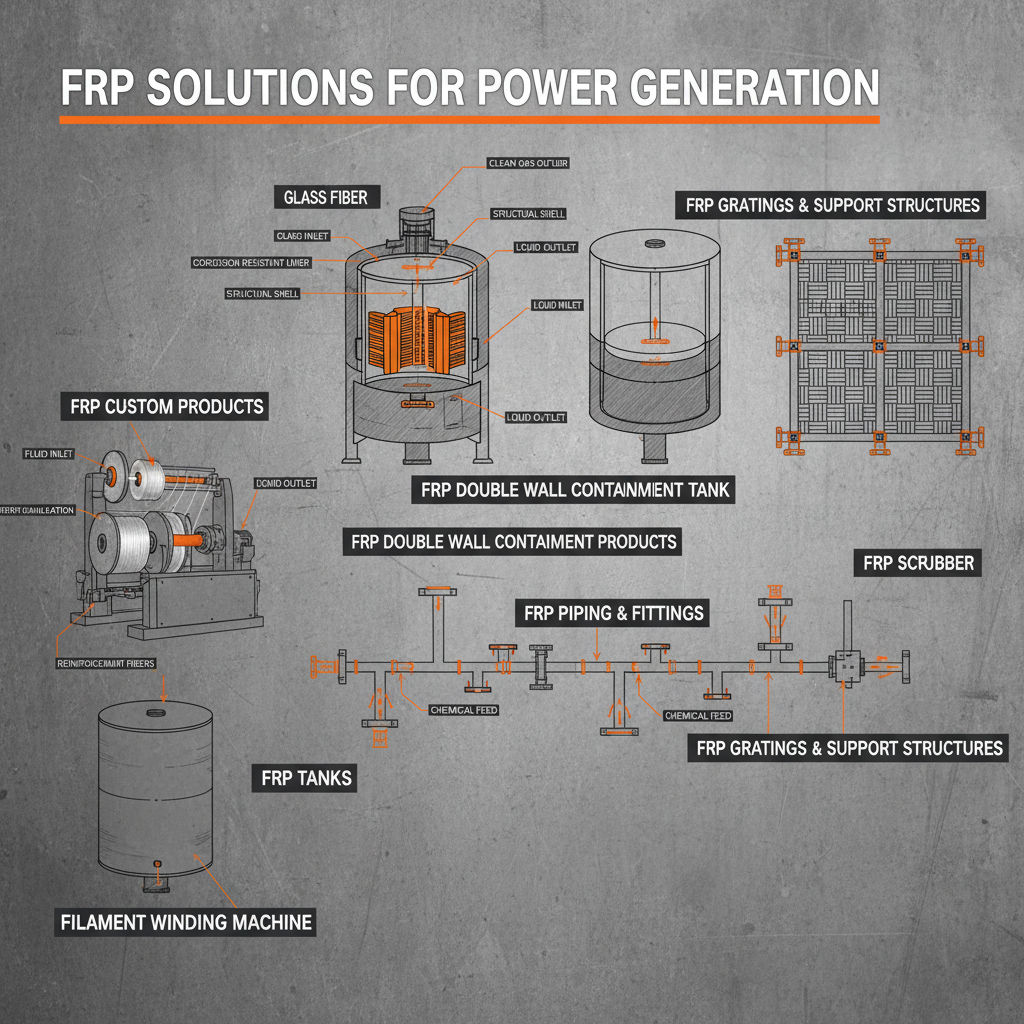
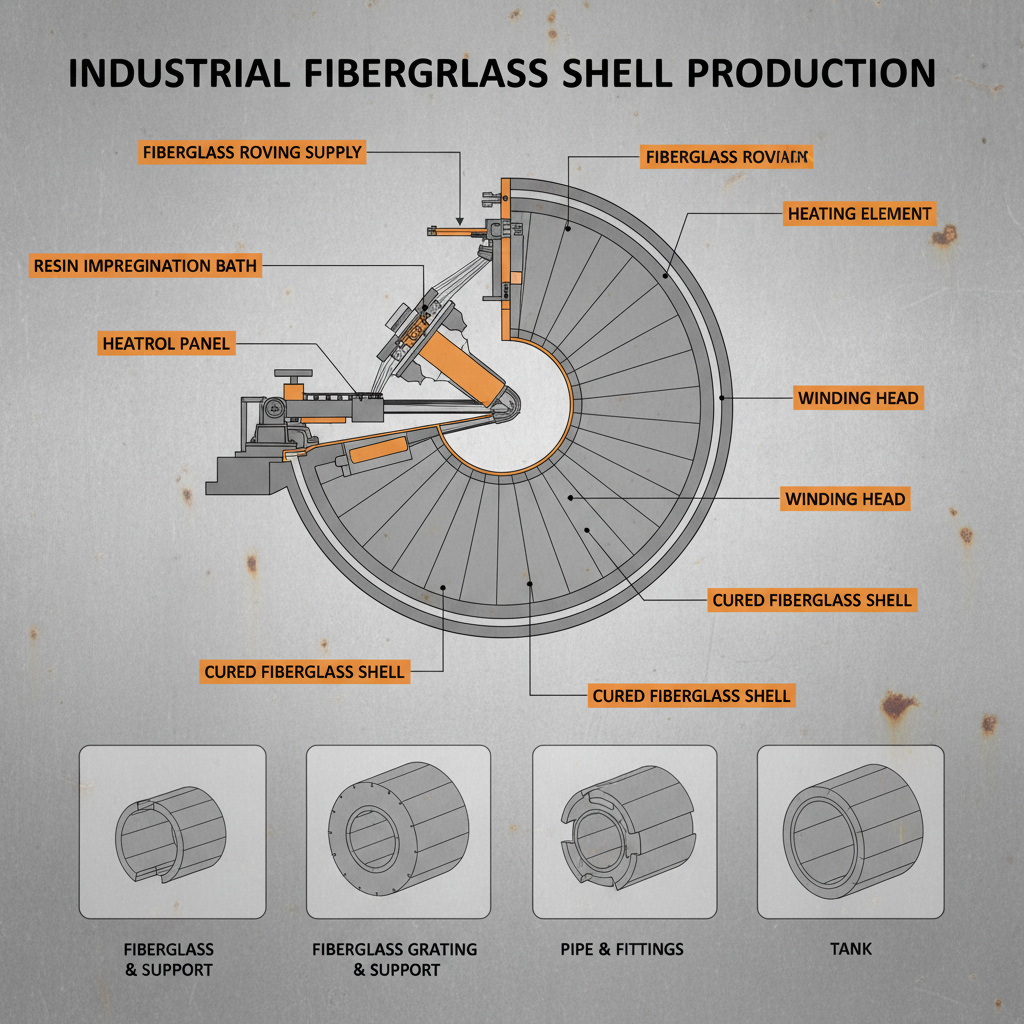
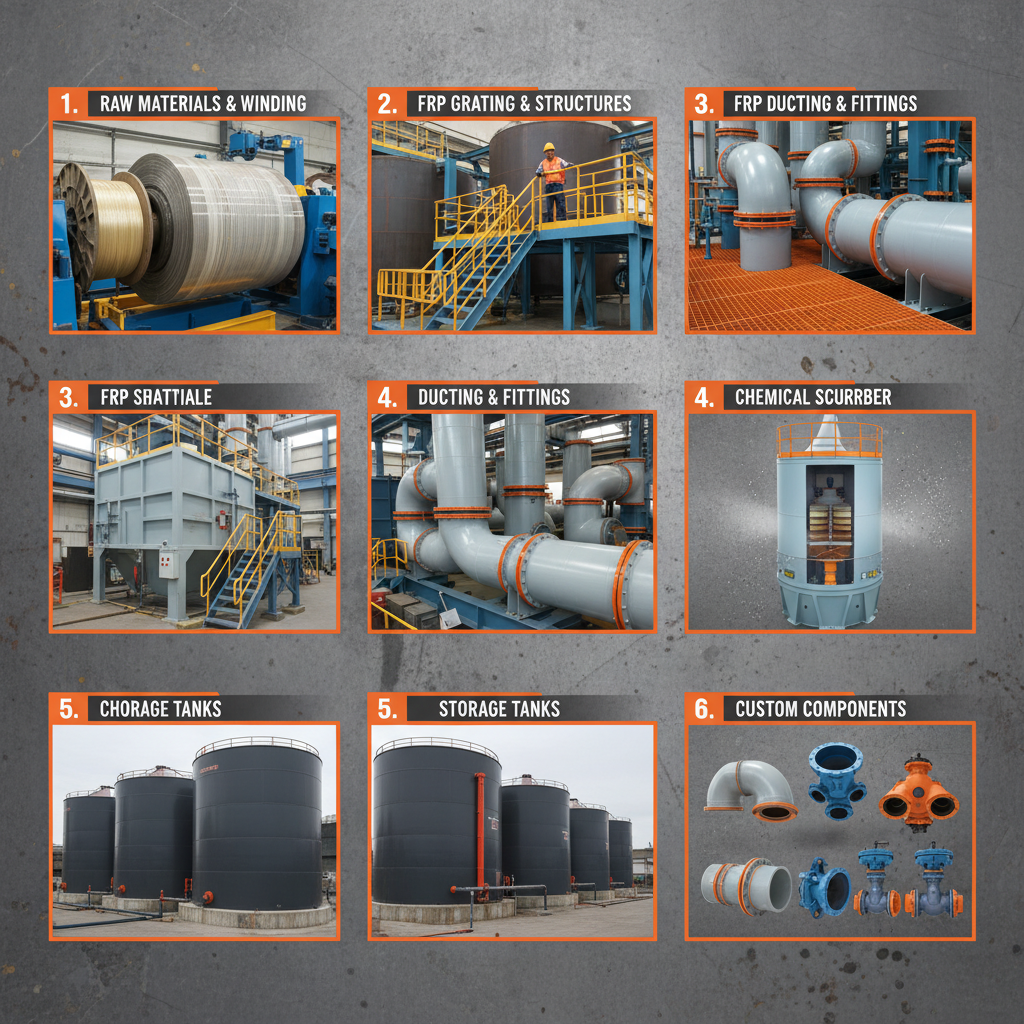
These products come in various forms, including structural shapes (beams, columns), pipes, tanks, linings, and coatings. frp products for thermal and nuclear power can be molded into complex geometries, offering design flexibility not achievable with traditional materials. This allows for optimized structural performance and easier integration into existing systems.
The selection of an appropriate FRP product involves careful consideration of factors such as temperature resistance, chemical compatibility, mechanical load requirements, and long-term durability. Manufacturers like JRAIN-FRP specialize in developing custom solutions to meet the specific needs of each power plant application.
Core Characteristics of FRP Materials
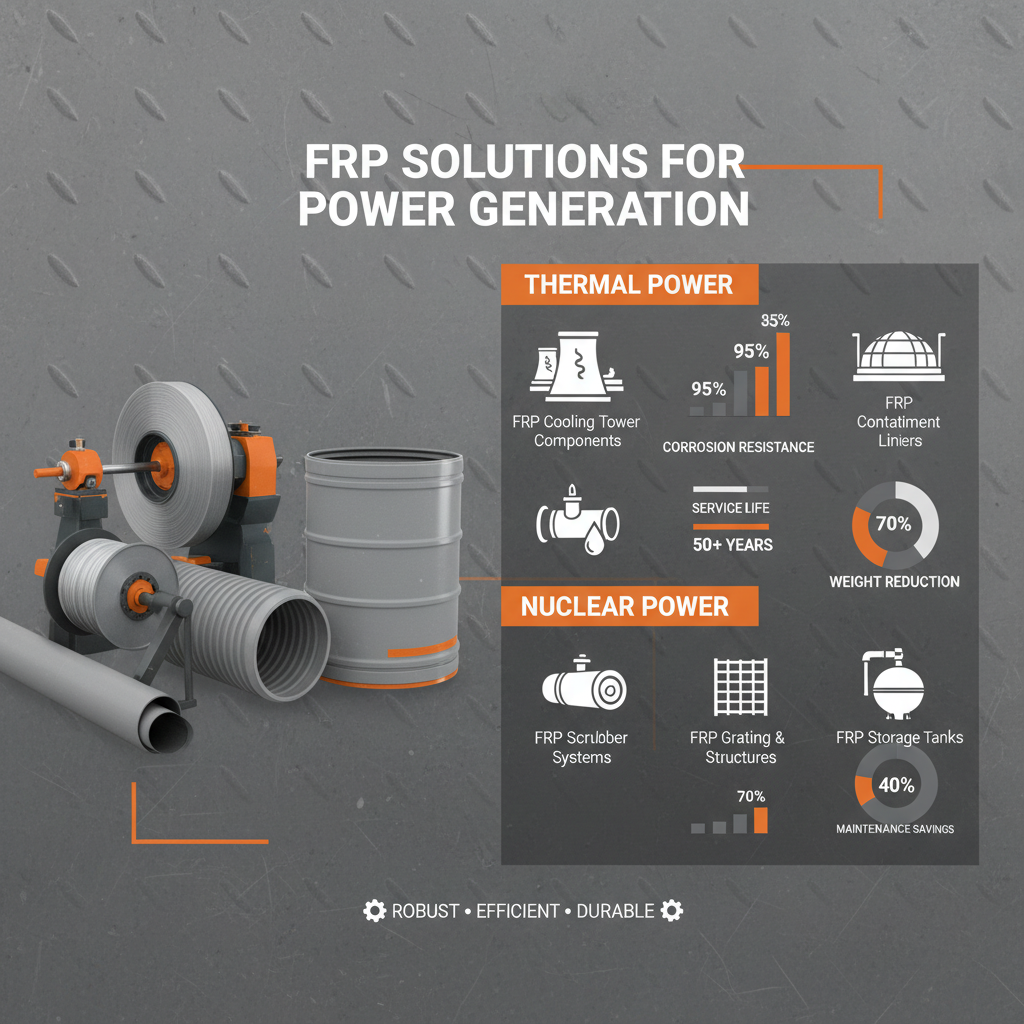
Durability is perhaps the most significant characteristic of FRP materials. Unlike steel, FRP doesn’t corrode, eliminating the need for costly protective coatings and reducing maintenance requirements. This is particularly crucial in nuclear power plants, where radiation exposure can accelerate corrosion in traditional materials. The inherent resistance to chemicals also makes them ideal for thermal power plants dealing with harsh process fluids.
High strength-to-weight ratio is another defining characteristic. FRP materials are significantly lighter than steel while maintaining comparable or even superior strength. This reduces structural loads, simplifies installation, and lowers transportation costs. This advantage is particularly beneficial in retrofitting projects, where minimizing weight is often critical.
Design Flexibility allows FRP to be molded into complex shapes and customized to specific application requirements. This contrasts with steel, which is typically limited to standard shapes. The ability to tailor the material's properties to the specific load and environmental conditions further enhances its performance and efficiency.
Key Performance Indicators for Thermal and Nuclear Plants
When evaluating frp products for thermal and nuclear power, several Key Performance Indicators (KPIs) are critical. These include long-term corrosion resistance, demonstrated through accelerated aging tests and field performance data. Mechanical strength and stiffness, verified by rigorous laboratory testing, are essential for structural applications.
Thermal stability, including the material's ability to withstand high temperatures and thermal cycling without degradation, is paramount in thermal power plants. In nuclear applications, radiation resistance and shielding properties are vital for ensuring plant safety and preventing component failure.
Comparative Performance of FRP Reinforcement Methods
Global Deployment and Case Studies
frp products for thermal and nuclear power are being deployed globally in numerous power plants. In Europe, FRP linings are commonly used to rehabilitate aging concrete cooling water systems, extending their service life and preventing leaks. In the United States, FRP composites are finding increased application in strengthening containment structures in nuclear facilities.
Japan, following the Fukushima Daiichi nuclear disaster, has significantly increased its investment in FRP technologies for plant upgrades and safety enhancements. Several power plants are utilizing FRP reinforcement for seismic retrofitting, increasing their resilience to earthquakes. Case studies demonstrate significant cost savings and reduced downtime compared to traditional repair methods.
Long-Term Benefits and Value Proposition
The long-term benefits of adopting frp products for thermal and nuclear power extend beyond reduced maintenance and extended asset life. The lighter weight of FRP materials translates to lower installation costs and reduced structural support requirements. The elimination of corrosion minimizes the risk of catastrophic failures, enhancing plant safety and protecting the environment.
From a sustainability perspective, FRP materials contribute to a reduced carbon footprint. Their long lifespan reduces the need for frequent replacements, conserving resources and minimizing waste. Moreover, the enhanced efficiency of power plants utilizing FRP components leads to lower energy consumption and reduced greenhouse gas emissions.
The value proposition of FRP is compelling: increased safety, reduced lifecycle costs, enhanced sustainability, and improved operational efficiency. For power plant operators, it represents a strategic investment in the long-term health and reliability of their assets.
Future Trends and Innovations in FRP Technology
Ongoing research and development are driving exciting innovations in FRP technology. Self-healing FRP composites, capable of automatically repairing minor damage, are under development, promising even greater durability and reduced maintenance. The integration of sensors into FRP structures allows for real-time monitoring of stress, strain, and temperature, enabling predictive maintenance and preventing potential failures.
The use of bio-based resins, derived from renewable resources, is gaining traction, further enhancing the sustainability of FRP materials. Digital fabrication techniques, such as 3D printing, are enabling the creation of complex FRP components with unprecedented precision and customization.
These advancements, coupled with increasing regulatory pressure to adopt sustainable materials, will accelerate the adoption of frp products for thermal and nuclear power in the years to come, solidifying their role in a more reliable and environmentally responsible energy future.
Analysis of Factors Influencing FRP Adoption in Power Plants
| Cost Factor |
Technical Feasibility |
Regulatory Compliance |
Long-Term ROI |
| Initial Material Cost |
Installation Complexity |
Nuclear Safety Standards |
8/10 |
| Maintenance Expenses |
Compatibility with Existing Systems |
Environmental Regulations |
9/10 |
| Lifecycle Cost Analysis |
Availability of Skilled Labor |
Material Certification Requirements |
7/10 |
| Downtime Reduction |
Design and Engineering Expertise |
Waste Disposal Protocols |
8.5/10 |
| Corrosion Prevention |
Quality Control Procedures |
Long-Term Performance Monitoring |
9.5/10 |
| Extended Asset Life |
Supply Chain Reliability |
Insurance and Liability Considerations |
7.5/10 |
FAQS
FRP offers significant advantages over steel, including superior corrosion resistance, a higher strength-to-weight ratio, and non-magnetic properties. This translates to reduced maintenance costs, longer service life, easier installation, and improved safety. In thermal plants, where exposure to corrosive chemicals is common, FRP significantly minimizes downtime and extends the lifespan of critical components like ducts, tanks, and pipelines.
While FRP itself isn't a primary radiation shield, it’s often used in conjunction with shielding materials to create robust containment structures. Its lightweight nature reduces the overall structural load, enabling the use of thicker shielding without compromising the plant’s integrity. Furthermore, its non-corrosive properties eliminate the risk of structural failure due to radiation-induced corrosion, enhancing long-term safety.
The lifespan of FRP components in a nuclear environment depends on various factors, including the specific resin system used, radiation exposure levels, and operating temperatures. However, properly designed and installed FRP components can reliably operate for 20-30 years or more, significantly exceeding the lifespan of many traditional materials. Regular inspections and monitoring are crucial for verifying long-term performance.
The initial cost of FRP materials can be higher than traditional materials like steel. However, a comprehensive lifecycle cost analysis often reveals that FRP is more economical in the long run. Reduced maintenance, extended service life, and minimized downtime translate to significant cost savings. Additionally, the lighter weight of FRP can reduce installation costs and structural support requirements.
Yes, FRP products used in power plants must adhere to stringent industry standards and certifications. These include standards from organizations like ASTM, ISO, and specific nuclear regulatory bodies. JRAIN-FRP ensures its products meet or exceed these requirements, providing clients with reliable, high-performance materials that comply with all relevant regulations.
JRAIN-FRP employs a rigorous quality control system throughout the entire manufacturing process, from raw material selection to final product inspection. This includes comprehensive testing to verify mechanical properties, corrosion resistance, and thermal stability. We also provide detailed material specifications and performance data to our clients, ensuring full transparency and traceability.
Conclusion
In conclusion, frp products for thermal and nuclear power represent a transformative technology with the potential to significantly enhance the safety, reliability, and sustainability of power generation infrastructure worldwide. Their unique combination of strength, durability, corrosion resistance, and design flexibility makes them an increasingly attractive alternative to traditional materials. The long-term benefits, encompassing reduced lifecycle costs, minimized downtime, and environmental responsibility, are compelling for plant operators and policymakers alike.
Looking ahead, continued innovation in FRP materials, coupled with increasing regulatory support and a growing awareness of sustainability issues, will drive broader adoption of these technologies. JRAIN-FRP is committed to leading this evolution, providing cutting-edge solutions and expert support to ensure a more resilient and efficient energy future. Visit our website at www.jrain-frp.com to learn more about how we can help you optimize your power plant operations.