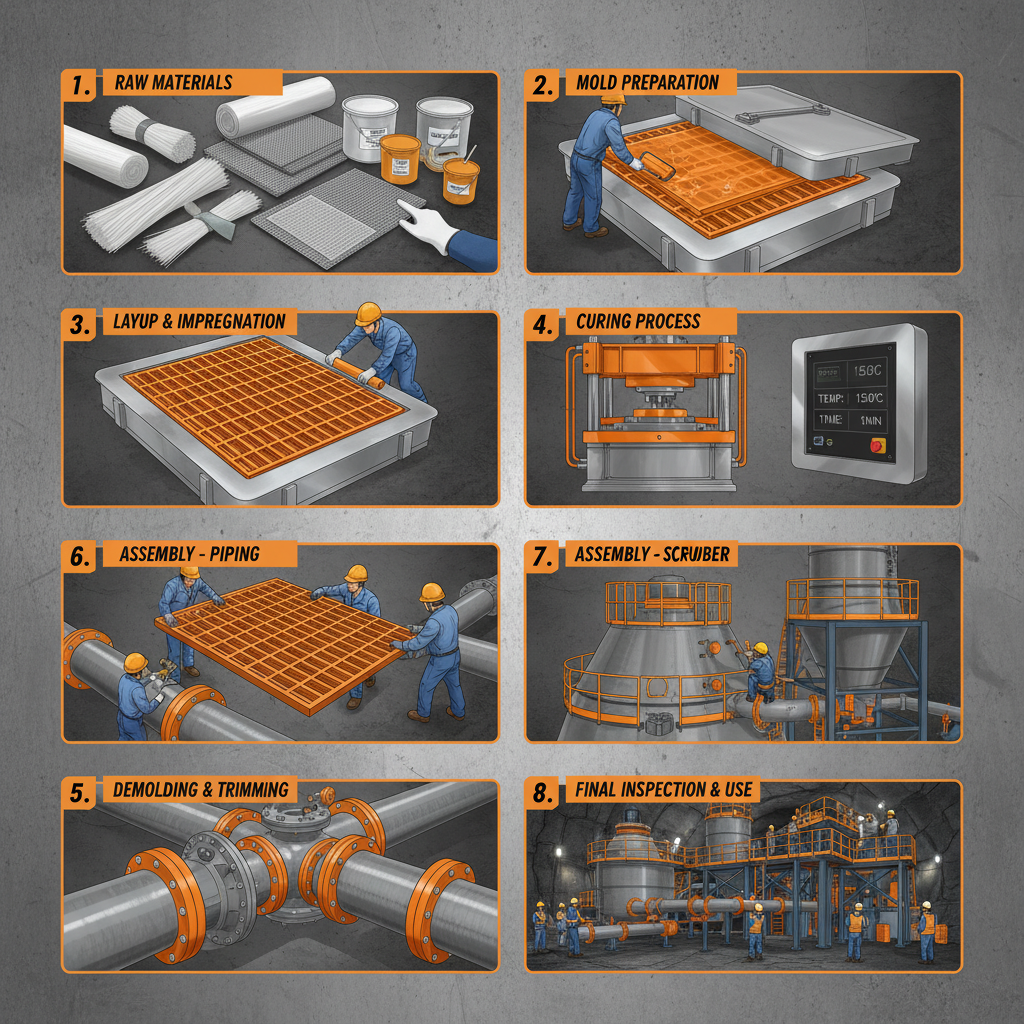
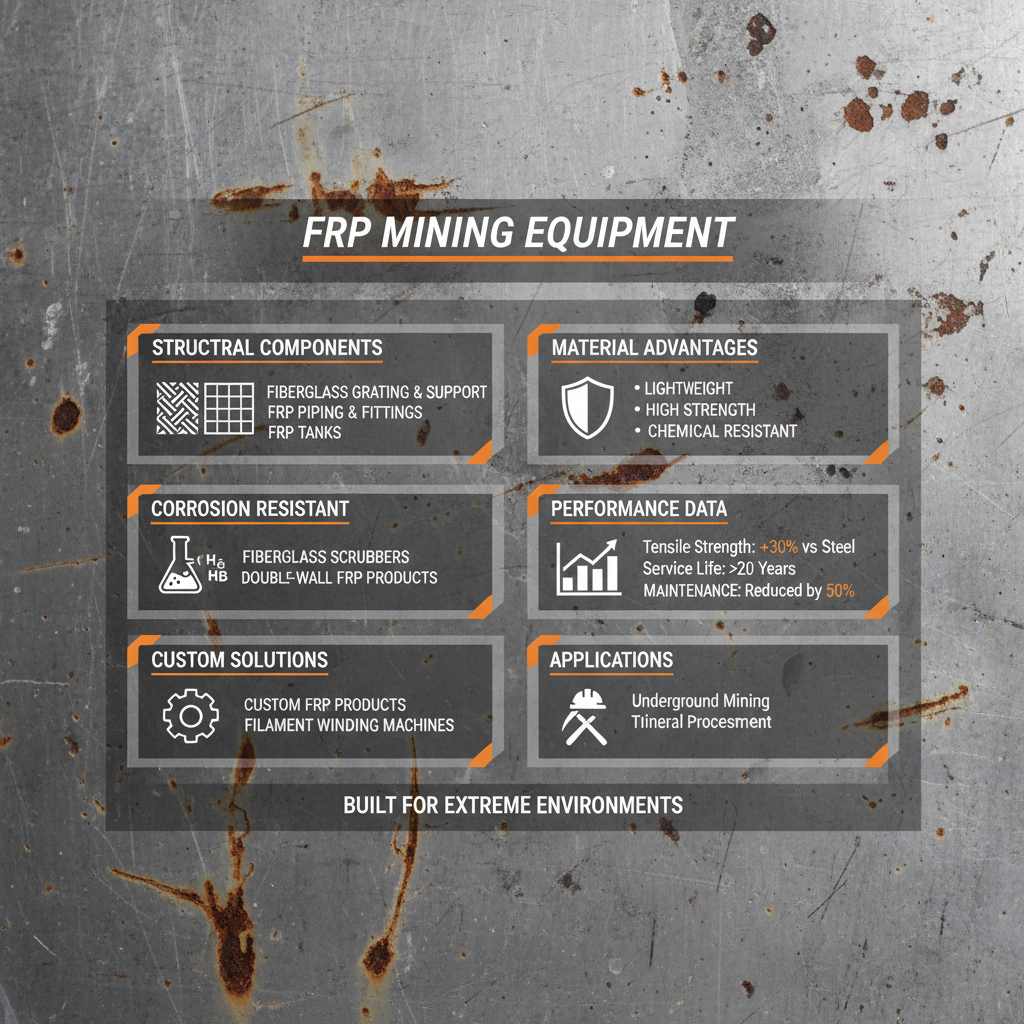
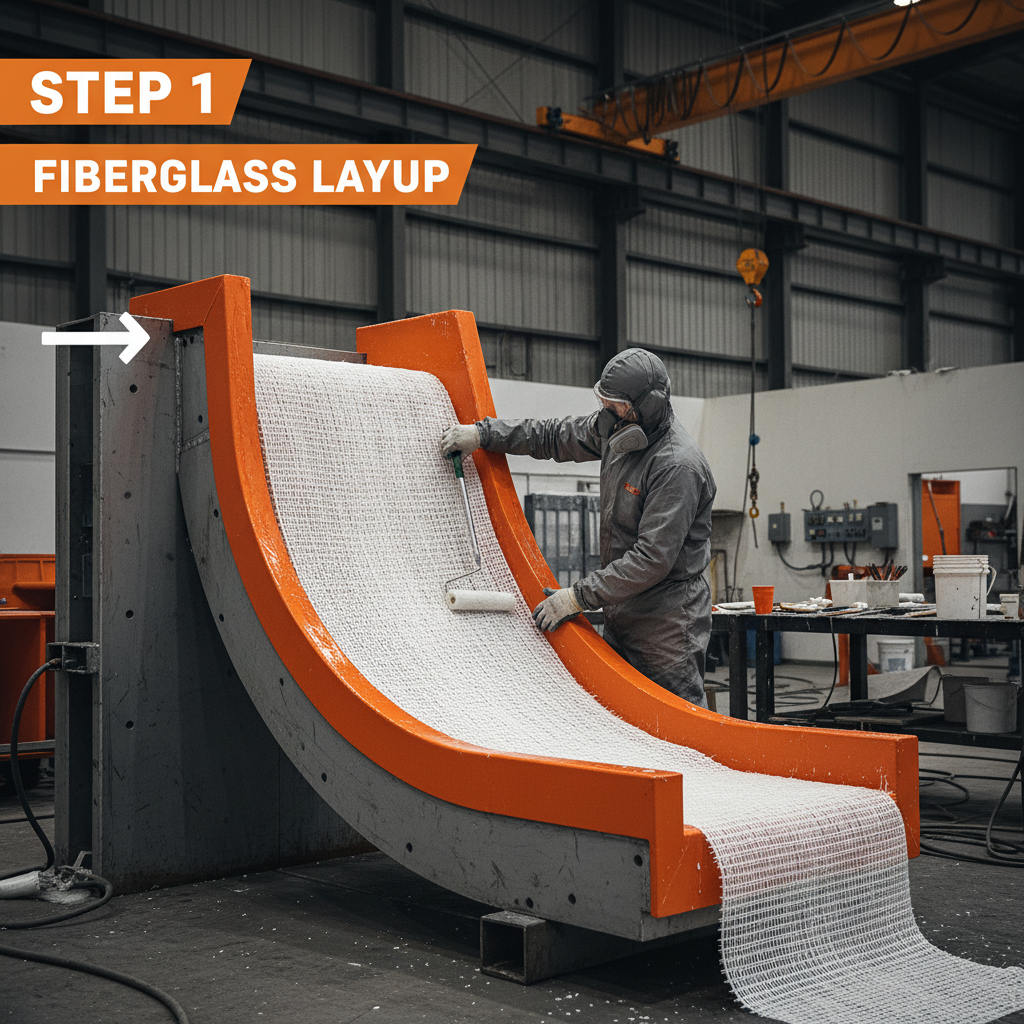
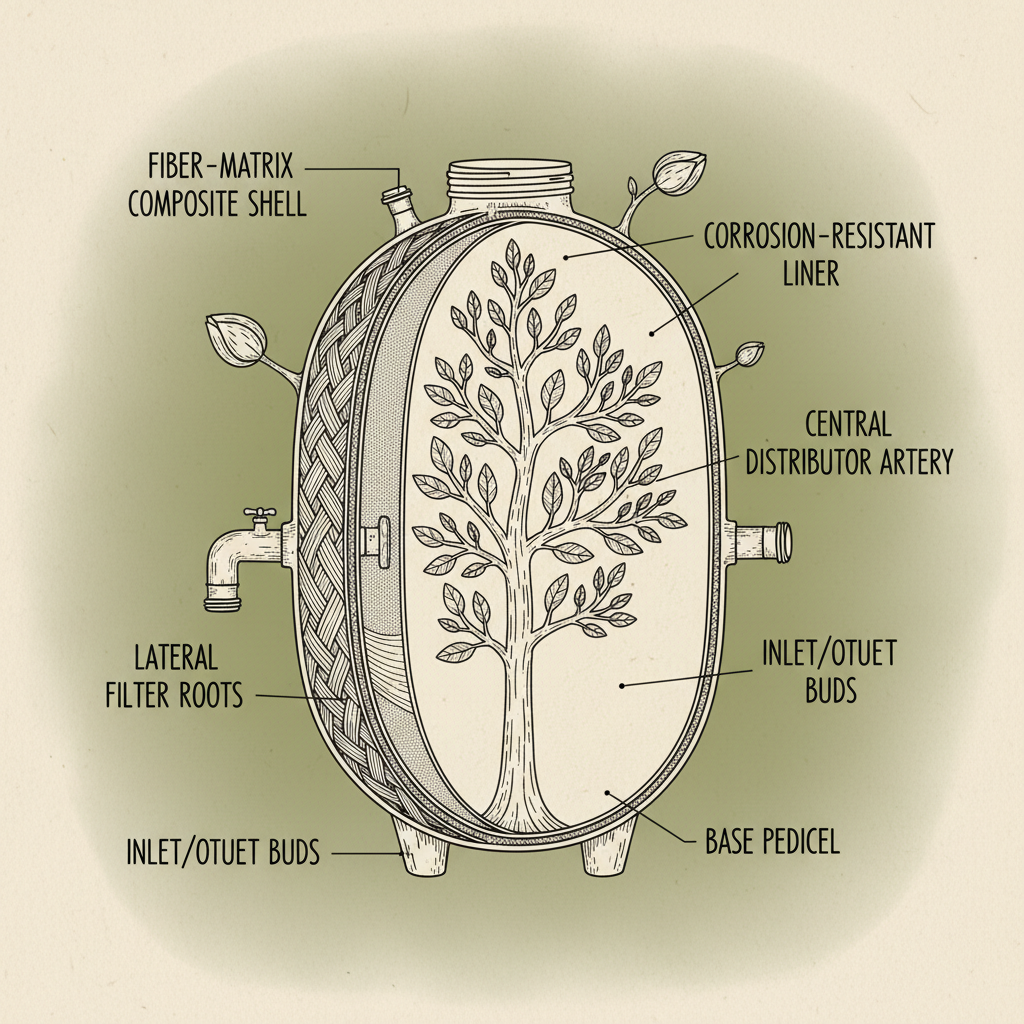
Fiber Reinforced Polymer (FRP) mining equipment represents a significant advancement in materials science applied to the demanding conditions of the mining industry. Traditionally, mining operations have relied heavily on steel and other metallic alloys, which, while strong, are susceptible to corrosion, fatigue, and significant weight. FRP mining equipment offers a compelling alternative by leveraging the high strength-to-weight ratio and corrosion resistance of composite materials, dramatically improving operational efficiency and longevity in harsh environments. This transition isn't merely a material upgrade; it's a fundamental shift towards safer, more sustainable, and cost-effective mining practices.
The global mining industry is a critical component of the modern economy, providing essential resources for infrastructure, manufacturing, and technology. However, it faces increasing pressure to reduce its environmental footprint, improve worker safety, and enhance productivity. The UN Sustainable Development Goals, particularly those related to responsible consumption and production (Goal 12) and decent work and economic growth (Goal 8), highlight the urgent need for innovation in mining operations. FRP mining equipment directly addresses these challenges by reducing material consumption, lowering lifecycle costs, and improving the safety of mining environments.
The adoption of FRP mining equipment is gaining momentum worldwide, driven by technological advancements and growing awareness of its benefits. From pipeline systems and storage tanks to structural components and even entire mining vehicles, FRP materials are increasingly replacing traditional materials in a wide range of mining applications. This trend is supported by organizations like the ISO, which are developing standards for the design, manufacture, and testing of FRP composites, ensuring quality and reliability in critical infrastructure.
Introduction to frp mining equipment
FRP mining equipment encompasses a broad range of components and systems manufactured using fiber-reinforced polymer composites. These materials consist of a polymer matrix (such as epoxy, vinyl ester, or polyester) reinforced with fibers like glass, carbon, or aramid. This combination yields materials that are exceptionally strong, lightweight, and resistant to corrosion, making them ideal for the rigorous demands of the mining industry.
The integration of frp mining equipment is not simply about substituting materials; it's about re-engineering processes to optimize performance and minimize environmental impact. FRP components can be tailored to specific applications, offering design flexibility and allowing for the creation of highly efficient and durable mining solutions.
Defining FRP Mining Equipment
FRP mining equipment refers to the application of fiber-reinforced polymer composites in various components utilized within the mining sector. This can include everything from structural supports and piping systems to storage tanks and even entire vehicle bodies. The key defining characteristic is the use of these composite materials to enhance performance, reduce weight, and increase resistance to harsh environmental conditions commonly found in mining operations.
This equipment directly supports modern industrial needs by increasing efficiency and reducing downtime. The lightweight nature of FRP materials lowers transportation costs and simplifies installation, while their corrosion resistance minimizes maintenance and extends the lifespan of equipment. Furthermore, FRP mining equipment plays a crucial role in addressing humanitarian needs in remote mining regions by providing reliable infrastructure that is less susceptible to damage and degradation.
FRP mining equipment represents a paradigm shift in how mining operations are conducted, promoting sustainable practices and enhancing worker safety. It’s a crucial element in building a more responsible and efficient mining industry for the future.
Core Components of FRP Mining Equipment
The effectiveness of frp mining equipment hinges on several key factors. Durability is paramount, as mining environments are notoriously abrasive and corrosive. FRP composites offer exceptional resistance to chemical attack and physical wear, significantly extending the lifespan of equipment compared to traditional materials. Lightweight Design is another critical aspect. Reducing the weight of equipment translates directly into lower fuel consumption, easier transportation, and simplified installation, leading to substantial cost savings.
Scalability is also vital, allowing for the production of components in a wide range of sizes and configurations to meet diverse mining needs. FRP materials can be easily molded into complex shapes, offering greater design flexibility. Cost Efficiency, although often perceived as a higher initial investment, proves to be advantageous in the long run due to reduced maintenance, extended lifespan, and lower operational costs. Structural Integrity is essential for safety; FRP’s high strength-to-weight ratio provides robust structural support in demanding conditions. Finally, Corrosion Resistance prevents material degradation, which is crucial in environments rich in corrosive chemicals.
These core components translate to practical applications across the mining lifecycle. For example, FRP pipelines are utilized for transporting corrosive slurries and chemicals, while FRP structural supports provide safe and reliable reinforcement in underground mining operations. FRP storage tanks offer secure containment for hazardous materials, minimizing the risk of leaks and environmental contamination.
Global Applications and Use Cases
The applications of frp mining equipment are expanding globally, driven by the need for more efficient and sustainable mining practices. In Australia, a major player in the global mining industry, FRP piping systems are widely used for tailings management and water transport due to their exceptional corrosion resistance. In South America, particularly in Chile and Peru, FRP structural supports are being implemented in underground mines to improve safety and reduce maintenance.
FRP equipment is also gaining traction in regions with challenging environmental conditions, such as the Arctic and sub-Saharan Africa. In post-disaster relief operations following mine collapses, FRP components can be rapidly deployed to stabilize structures and facilitate rescue efforts. In remote industrial zones, where access to maintenance facilities is limited, the durability and low maintenance requirements of FRP mining equipment are particularly valuable.
Furthermore, organizations like the World Bank are promoting the use of sustainable materials in infrastructure projects, including mining operations, to minimize environmental impact and promote responsible resource management. The adoption of FRP materials aligns with these initiatives, contributing to a more sustainable and ethically responsible mining industry.
Comparative Performance of FRP Mining Equipment Methods
Advantages and Long-Term Value
The advantages of adopting frp mining equipment are multifaceted, extending beyond immediate cost savings. Tangible benefits include reduced maintenance costs due to exceptional corrosion resistance, lower lifecycle costs stemming from extended equipment lifespan, and enhanced sustainability through reduced material consumption. These factors contribute to a significant return on investment over the long term.
However, the value extends beyond purely economic considerations. The improved safety profile of FRP equipment, due to its lightweight nature and non-conductive properties, protects workers and reduces the risk of accidents. The reliability of FRP components fosters trust and confidence in mining operations, ensuring consistent production and minimizing downtime. Moreover, the innovative nature of FRP technology demonstrates a commitment to progress and environmental stewardship.
Future Trends & Innovations
The future of frp mining equipment is poised for significant advancements. Ongoing research focuses on developing new polymer matrices with enhanced mechanical properties and temperature resistance. The integration of nanotechnology into FRP composites promises to further enhance strength, durability, and functionality. Digital transformation is also playing a crucial role, with the development of sensor-embedded FRP components that provide real-time data on structural health and performance.
Automation and robotics are expected to accelerate the adoption of FRP mining equipment, as lightweight and durable components are essential for building efficient and agile robotic mining systems. Furthermore, the increasing emphasis on green energy and sustainable mining practices will drive demand for FRP materials, which offer a lower carbon footprint compared to traditional materials.
Challenges & Solutions
Despite the numerous advantages, challenges remain in the widespread adoption of frp mining equipment. One key limitation is the higher initial cost compared to traditional materials. However, this cost can be offset by the long-term benefits of reduced maintenance, extended lifespan, and improved efficiency. Another challenge is the lack of standardized design codes and manufacturing processes for FRP components, which can create uncertainty and hinder adoption.
To overcome these challenges, industry collaboration is essential. Developing and implementing standardized design codes, investing in research and development to lower production costs, and providing training and education to engineers and technicians are crucial steps. Innovative financing models, such as lifecycle cost analysis and performance-based contracts, can also help to demonstrate the long-term value of FRP mining equipment.
Furthermore, continued research into novel FRP materials and manufacturing techniques will unlock new possibilities and address existing limitations, paving the way for a more sustainable and efficient mining industry.
Summary of Common Challenges and Proposed Solutions for FRP Mining Equipment
| Challenge |
Impact on Implementation |
Proposed Solution |
Implementation Priority (1-5, 5=Highest) |
| High Initial Cost |
Discourages immediate adoption, particularly for smaller mining operations. |
Lifecycle cost analysis demonstrating long-term savings; innovative financing options. |
4 |
| Lack of Standardized Codes |
Creates uncertainty regarding design and performance, hindering regulatory approval. |
Industry-wide collaboration to develop and implement comprehensive design standards. |
5 |
| Limited Skilled Workforce |
Difficulty in designing, manufacturing, and installing FRP components correctly. |
Training programs for engineers, technicians, and installers focusing on FRP technology. |
3 |
| Material Property Variability |
Inconsistent material properties can affect structural integrity and long-term performance. |
Rigorous quality control measures and standardized testing procedures. |
4 |
| Perception of Unproven Technology |
Resistance to adopting a relatively new material in a traditionally conservative industry. |
Showcasing successful case studies and demonstrating the long-term benefits of FRP mining equipment. |
2 |
| Repair & Maintenance Complexities |
Repairs can be more specialized and require specific expertise. |
Development of standardized repair techniques and readily available repair materials. |
3 |
FAQS
FRP materials offer significant advantages over steel, primarily in corrosion resistance and weight. Steel is prone to corrosion, requiring costly maintenance and potentially leading to structural failure. FRP is virtually immune to corrosion, reducing maintenance needs and extending equipment lifespan. Additionally, FRP’s lightweight nature reduces transportation costs, simplifies installation, and lowers fuel consumption. This combination results in lower lifecycle costs and improved operational efficiency.
The initial cost of frp mining equipment is generally higher than comparable steel equipment. However, it's crucial to consider the total cost of ownership. While the upfront investment is greater, FRP equipment requires significantly less maintenance due to its corrosion resistance, leading to reduced labor and material costs over its lifespan. The extended lifespan of FRP components further contributes to long-term cost savings. A lifecycle cost analysis typically demonstrates that FRP is more cost-effective over the long term.
FRP materials excel in applications involving corrosive environments and high stress. This includes piping systems for transporting corrosive slurries and chemicals, storage tanks for hazardous materials, structural supports in underground mines, and components for heavy machinery operating in harsh conditions. FRP is also ideal for applications where weight reduction is critical, such as mobile mining equipment and remote installations.
While FRP offers numerous benefits, there are some limitations to consider. FRP materials can be more susceptible to damage from concentrated impacts than steel. Also, the repair of FRP components can be more specialized. However, advancements in FRP technology and repair techniques are continually addressing these challenges. Careful design and material selection are essential to ensure optimal performance and longevity.
FRP materials contribute to sustainable mining practices by reducing material consumption, lowering energy consumption, and minimizing environmental impact. The lightweight nature of FRP reduces fuel consumption during transportation and operation. Its corrosion resistance eliminates the need for frequent replacements, reducing waste. FRP manufacturing processes are also becoming increasingly environmentally friendly, with the development of bio-based resins and recycling technologies.
The lifespan of frp mining equipment is significantly longer than that of traditional steel equipment in many applications, often exceeding 20-30 years. This is due to its inherent corrosion resistance and durability. However, the exact lifespan depends on several factors, including the specific application, the operating environment, and the quality of materials and manufacturing processes. Regular inspections and preventative maintenance are essential to maximize the lifespan of FRP components.
Conclusion
In conclusion, frp mining equipment represents a transformative technology poised to reshape the mining industry. By leveraging the unique properties of composite materials, this equipment offers significant advantages over traditional steel solutions, including enhanced durability, reduced weight, improved corrosion resistance, and lower lifecycle costs. The adoption of FRP is not simply a material substitution; it's a strategic shift towards more sustainable, efficient, and safe mining operations.
Looking ahead, continued innovation in FRP materials, manufacturing processes, and design codes will be crucial for unlocking the full potential of this technology. Investing in research and development, fostering industry collaboration, and providing training and education will accelerate the adoption of FRP mining equipment and drive progress towards a more responsible and sustainable mining future. To learn more about how frp mining equipment can benefit your operations, visit our website today.