Look, I’ve been running around construction sites for fifteen years, getting my hands dirty, and honestly, the biggest shift I’ve seen lately is everyone scrambling for anything that’ll last. Durability, that’s the keyword. Used to be, ‘cheapest is best’ was the mantra. Now? Guys are willing to pay a little more if it means not replacing something every six months. It's a relief, frankly.
And there's all this talk about prefabrication, modular builds, cutting down on-site waste. Makes sense, saves time, but it also means everything has to integrate seamlessly. It’s not just about the individual component anymore; it’s about how it all fits together. That's where things get tricky.
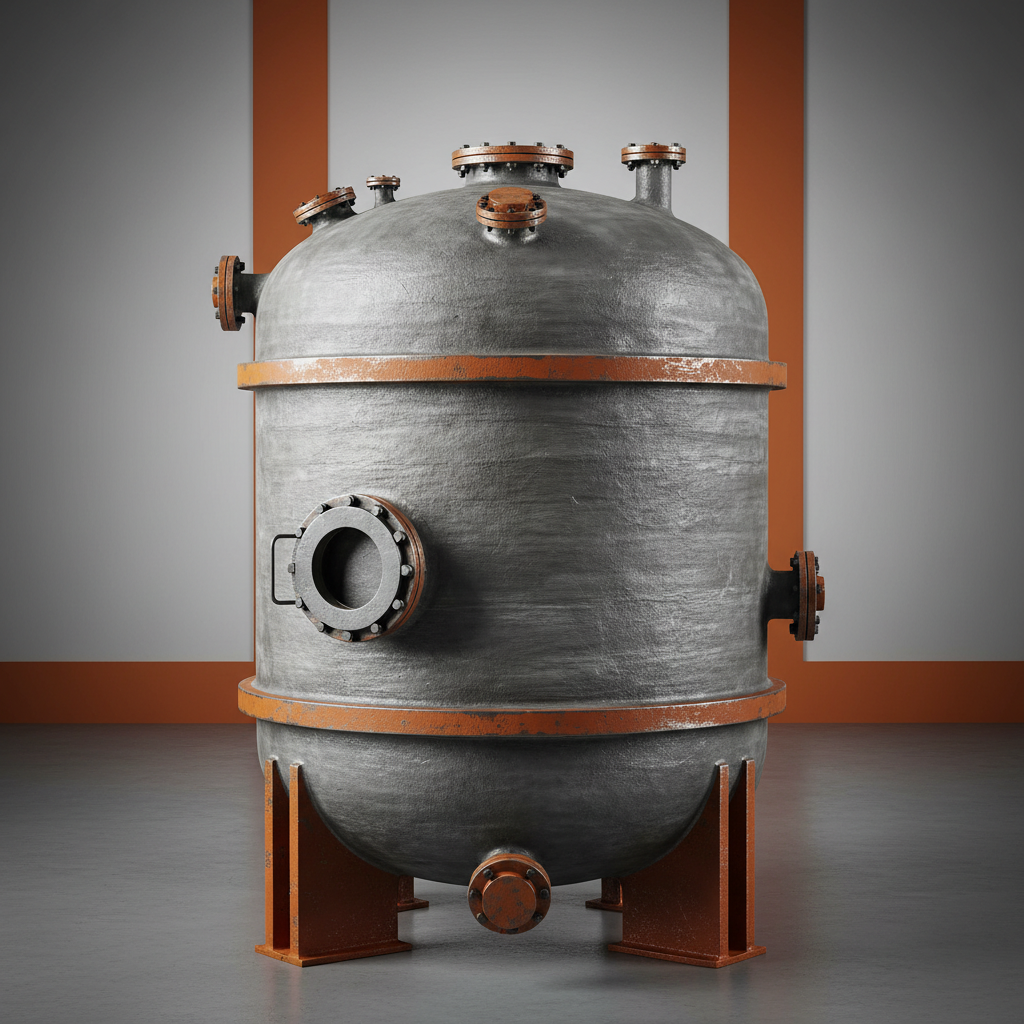
Frp tank, you know? It’s popping up everywhere. I've seen it in water treatment, chemical storage, even septic systems. Seems like everyone's realizing concrete just isn’t cutting it anymore in certain applications. It cracks, it leaks, it’s heavy… a real pain.
The Growing Demand for Durable Solutions
Have you noticed how everything’s disposable these days? It's crazy. But in construction, you need things that last. People are waking up to that.
frp tank fits that bill. It's lightweight, strong, and resists corrosion like nothing else. I was at a chemical plant in Louisiana last year, and they’d completely replaced their old steel tanks with frp tank. Saved them a fortune in maintenance, they said. And the peace of mind… well, that’s priceless when you’re dealing with hazardous materials.
Design Pitfalls and Common Mistakes
To be honest, a lot of these companies designing frp tank, they come from engineering backgrounds, which is great, but they haven’t spent a day in the mud. They forget that things need to be installable. I've seen designs that look perfect on paper but are a nightmare to get into place on a cramped site.
Another thing is underestimating the loads. Wind, snow, seismic activity… You have to account for everything. And don't even get me started on improper sealing. That’s where most leaks happen. It’s not glamorous work, but it’s crucial.
Strangely enough, people often over-engineer the tank itself and then skimp on the connections. The tank can be bulletproof, but if the inlet/outlet fittings are flimsy, you’ve got a problem. It’s about the whole system, not just one component.
Material Science: What's Inside an frp tank?
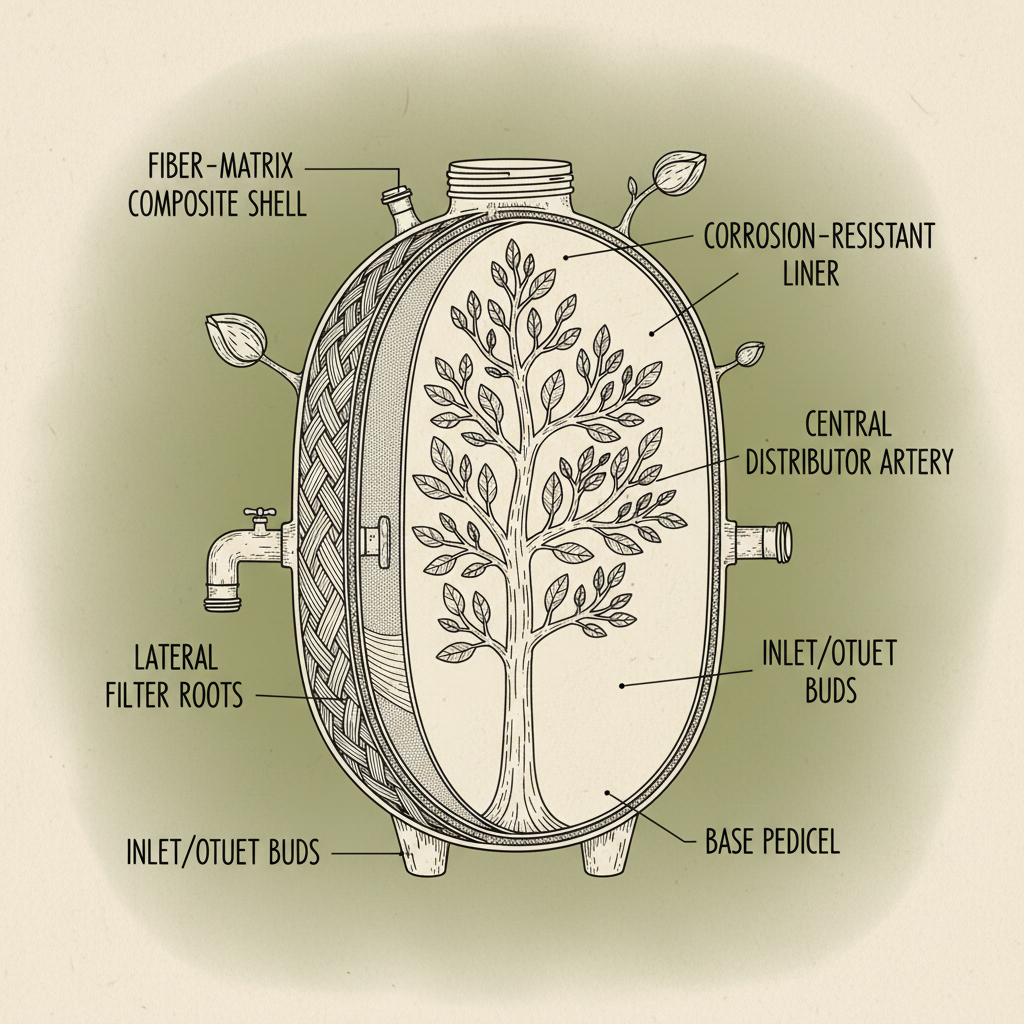
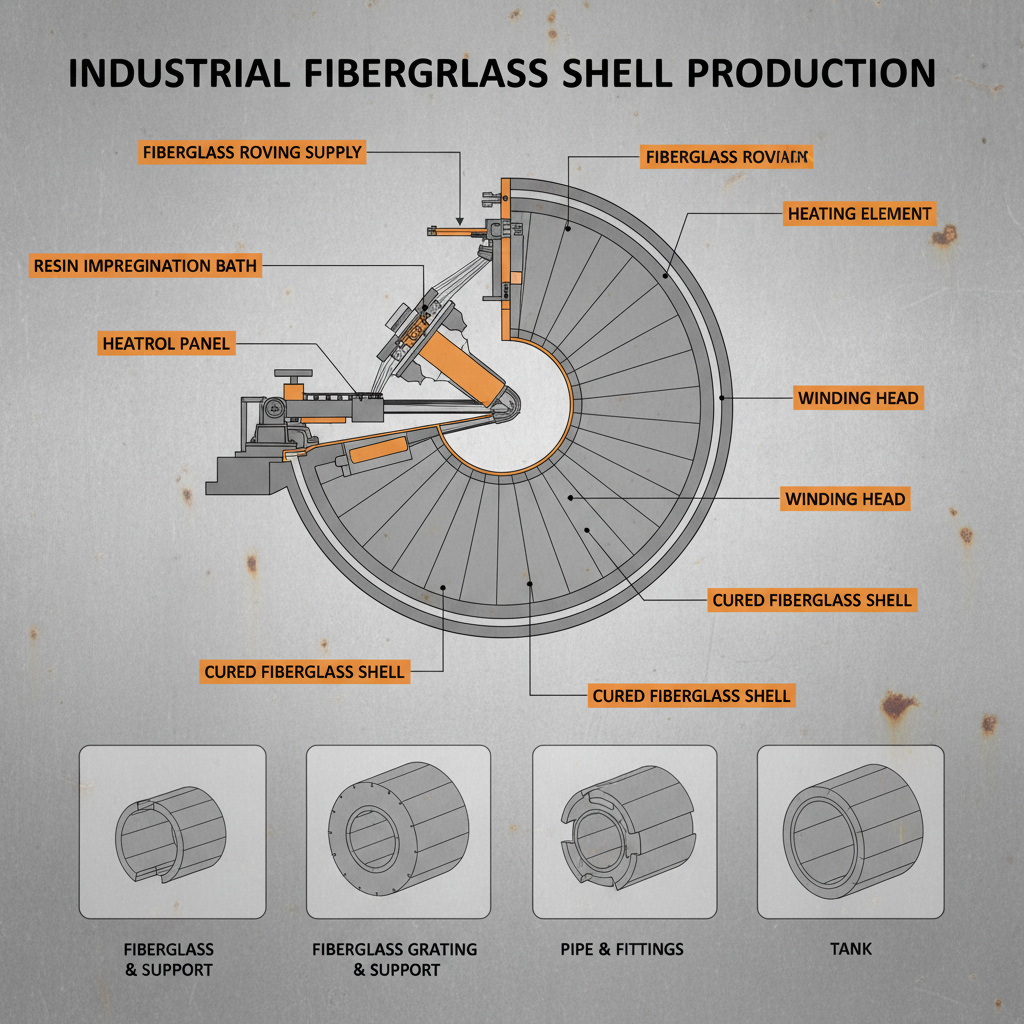
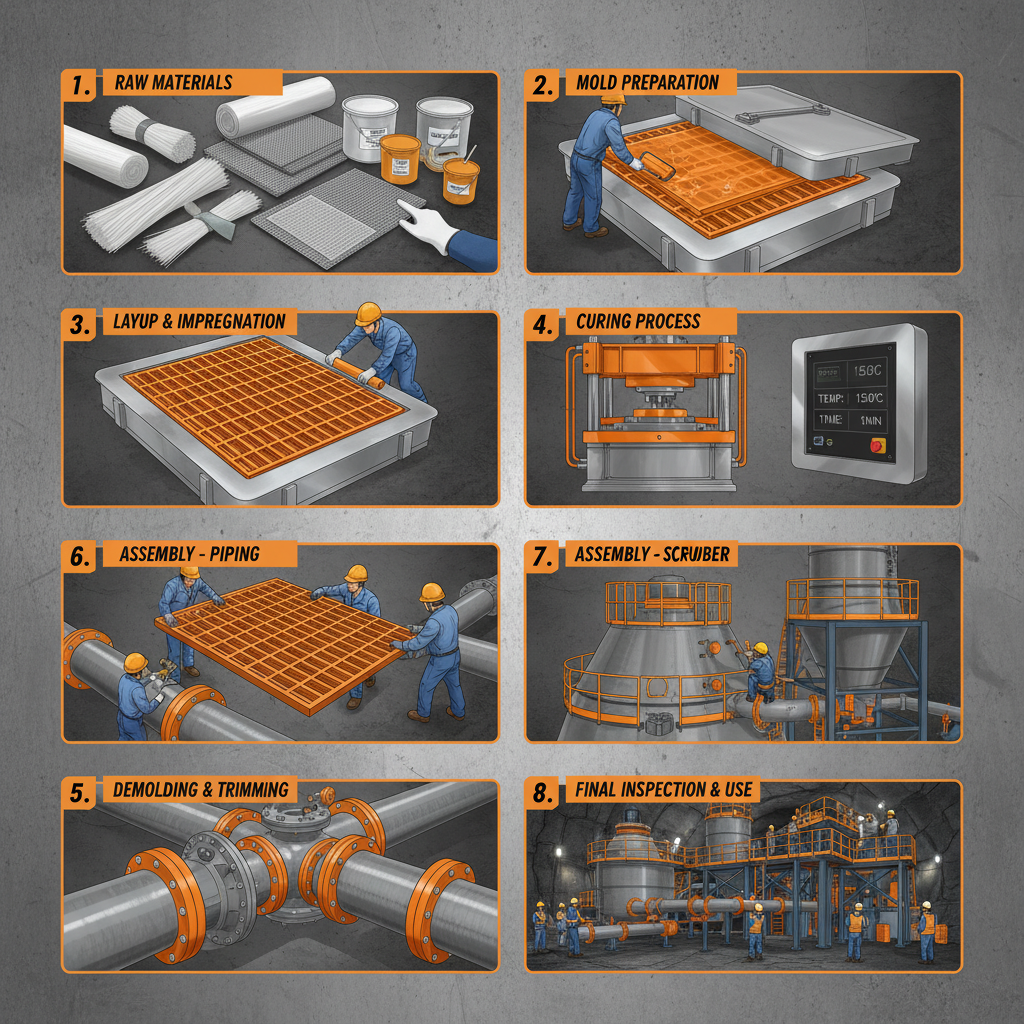
Okay, so what is this stuff? It’s not magic. It’s layers of resin—usually vinyl ester or epoxy—reinforced with fibers. Fiberglass is the most common, but carbon fiber is getting popular for high-strength applications. The smell… well, vinyl ester smells kind of sweet and sickly, while epoxy is sharper, more chemical. I always tell the guys, if it smells like your grandma's perfume, it's vinyl ester.
You need to handle the resin carefully. It’s sticky, gets everywhere, and if you get it on your skin… good luck getting it off. Wear gloves! The quality of the resin matters. Cheap resin will yellow and degrade quickly. You want something UV-resistant, especially if the tank is going to be outdoors.
And the fibers are just as important. The orientation of the fibers dictates the strength of the tank. They layer them up in specific patterns—woven roving, chopped strand mat, multiaxial fabrics—to create the desired properties. It’s surprisingly complex, but ultimately, you’re just building up layers of strength.
Real-World Testing and Performance
Forget the lab tests. They're useful, sure, but nothing beats putting a frp tank through its paces in the real world. I encountered this at a wastewater treatment plant in Texas last time; they pressure-tested a new tank by filling it with water and leaving it in the scorching sun for a week. No leaks. That's a good sign.
They also did a drop test—dropped a heavy weight onto the tank to simulate impact damage. It dented, sure, but didn't crack. That’s what you want. Flexibility, not brittleness.
We do a lot of visual inspections, too. Looking for blisters, cracks, delamination. Sometimes you can hear it – a hollow sound indicates a void in the laminate. It takes experience to know what to look for, honestly.
frp tank Performance Metrics
How Users Actually Use frp tank
It's funny, you design these things with a specific application in mind, and then the customers find ways to use them you never imagined. I had one guy using an frp tank as a giant planter box. A planter box! I guess it's durable enough.
A lot of farmers are using them for fertilizer storage. Keeps the chemicals contained and prevents corrosion. That’s a good use. And a growing number of wineries are using them for fermentation tanks. Apparently, the frp tank doesn’t impart any flavor to the wine, which is important.
Advantages, Disadvantages, and Customization
Okay, let’s be real. frp tank isn’t perfect. It's more expensive upfront than steel, for one. And it can be susceptible to UV damage if it’s not properly protected. But the long-term cost savings—reduced maintenance, longer lifespan—usually outweigh the initial investment.
The big advantage is corrosion resistance. Steel rusts, plain and simple. frp tank doesn’t. That's huge, especially in harsh environments. Plus, it's lightweight, which makes installation easier. And it can be molded into pretty much any shape.
Customization is where it really shines. Last month, that small boss in Shenzhen who makes smart home devices insisted on changing the interface to , and the result was a three-week delay getting the tanks delivered. He thought it would make his product ‘look more modern.’ Anyway, I think you can pretty much get anything you want, as long as you’re willing to pay for it.
A Real-Life Customer Story
A few years back, I was working on a project in rural Oklahoma. Small town, mostly agricultural. They needed a new septic tank, and the old concrete one had cracked. The contractor was hesitant to use frp tank at first. “Too new,” he said. “I don’t trust it.”
I spent a whole afternoon showing him the specs, explaining the manufacturing process, and pointing out how it was stronger and more durable than concrete. He finally agreed to give it a try.
Fast forward a year. I ran into him at a trade show. He shook my hand and said, “That frp tank saved me a lot of headaches. No leaks, no problems. I’m switching all my future jobs to frp tank.” That’s when you know you’ve got a good product.
Summary of frp tank Characteristics
| Material Composition |
Installation Complexity |
Corrosion Resistance |
Long-Term Cost |
| Vinyl Ester Resin, Fiberglass |
Moderate (Requires Skilled Labor) |
Excellent |
Low |
| Epoxy Resin, Carbon Fiber |
High (Specialized Tools) |
Superior |
Moderate |
| Polyester Resin, Chopped Strand Mat |
Low (DIY Possible) |
Good |
Moderate |
| Vinyl Ester, Woven Roving |
Moderate |
Very Good |
Low |
| Hybrid Resin Systems |
Moderate to High |
Excellent |
Moderate to High |
| Custom Formulations |
Variable |
Variable |
Variable |
FAQS
That depends heavily on the application and exposure to UV light, chemicals, and physical stress. But generally, you're looking at 20-50 years with proper maintenance. I’ve seen some tanks that are still going strong after 30 years of continuous use. It’s a long-term investment, that’s for sure.
Yes, absolutely. But you need to make sure the resin is NSF/ANSI 61 certified for potable water contact. That means it’s been tested and approved for safe drinking water. Don’t skimp on that. You don't want to risk contaminating the water supply.
Minor cracks and scratches can often be repaired with epoxy resin and fiberglass patches. But larger damage might require professional repair or even replacement. It’s not like welding steel; you need to be careful and follow the manufacturer's instructions.
Size, resin type, fiber reinforcement, and customization all play a role. Carbon fiber is more expensive than fiberglass, for example. And complex shapes will increase the manufacturing cost. I've seen prices range from a few thousand dollars to well over $100,000 depending on the specifications.
Yes, but you need to consider thermal expansion and contraction. The resin can become brittle at low temperatures. You might need to add insulation or choose a resin specifically designed for cold weather applications. You also need to consider the risk of freezing and bursting if the tank contains water.
UV degradation is a real concern. Most frp tank manufacturers apply a UV-resistant coating, but it's not a lifetime solution. You’ll need to reapply the coating periodically, especially in sunny climates. Or, you can shade the tank or bury it underground.
Conclusion
Ultimately, frp tank is a game-changer for a lot of applications. It's durable, corrosion-resistant, and lightweight, offering a long-term solution for storing and processing all sorts of fluids. It’s not a silver bullet, mind you – there are cost considerations and you need to make sure you’re working with a reputable manufacturer.
But in the end, whether this thing works or not, the worker will know the moment he tightens the screw. You can have all the engineering specs in the world, but if it’s a pain to install and maintain, it’s not going to last. That’s why I always say: get out there, get your hands dirty, and talk to the guys on the ground. They'll tell you what really matters.