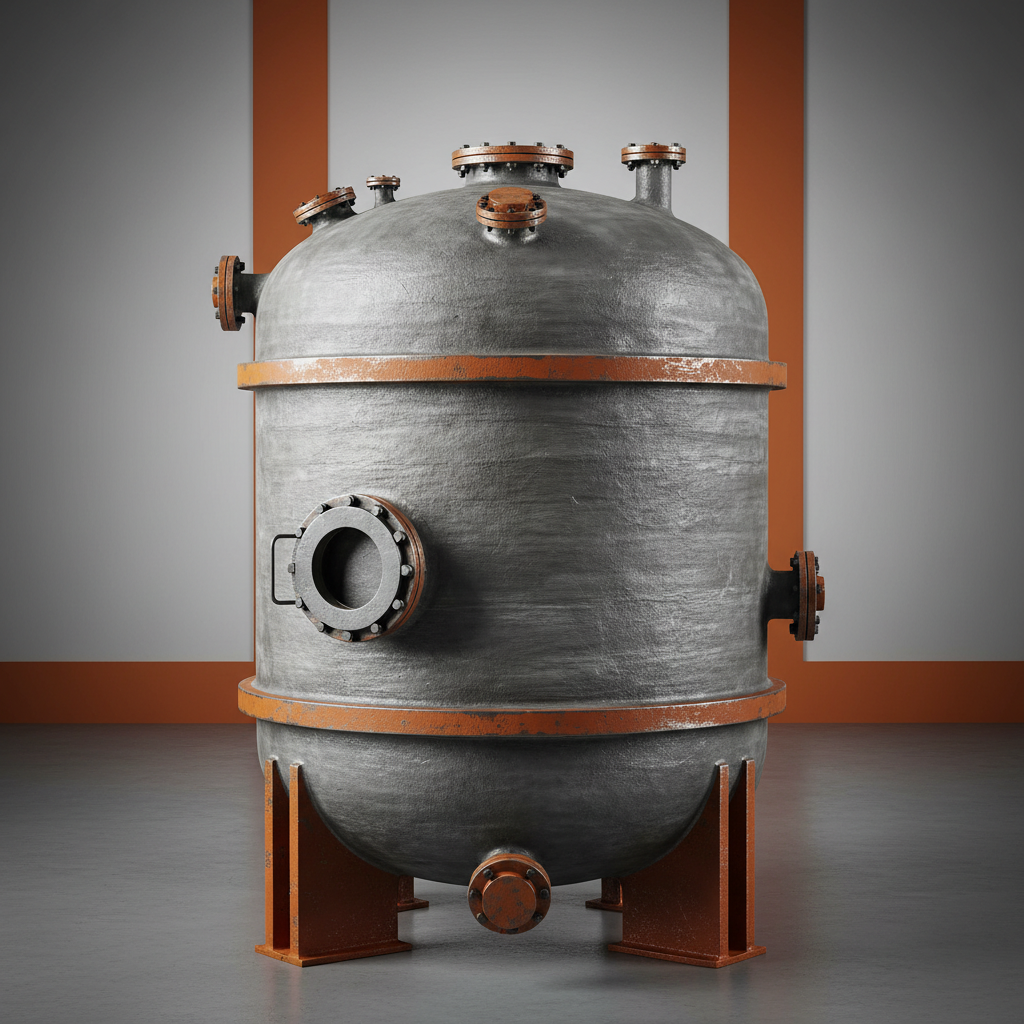
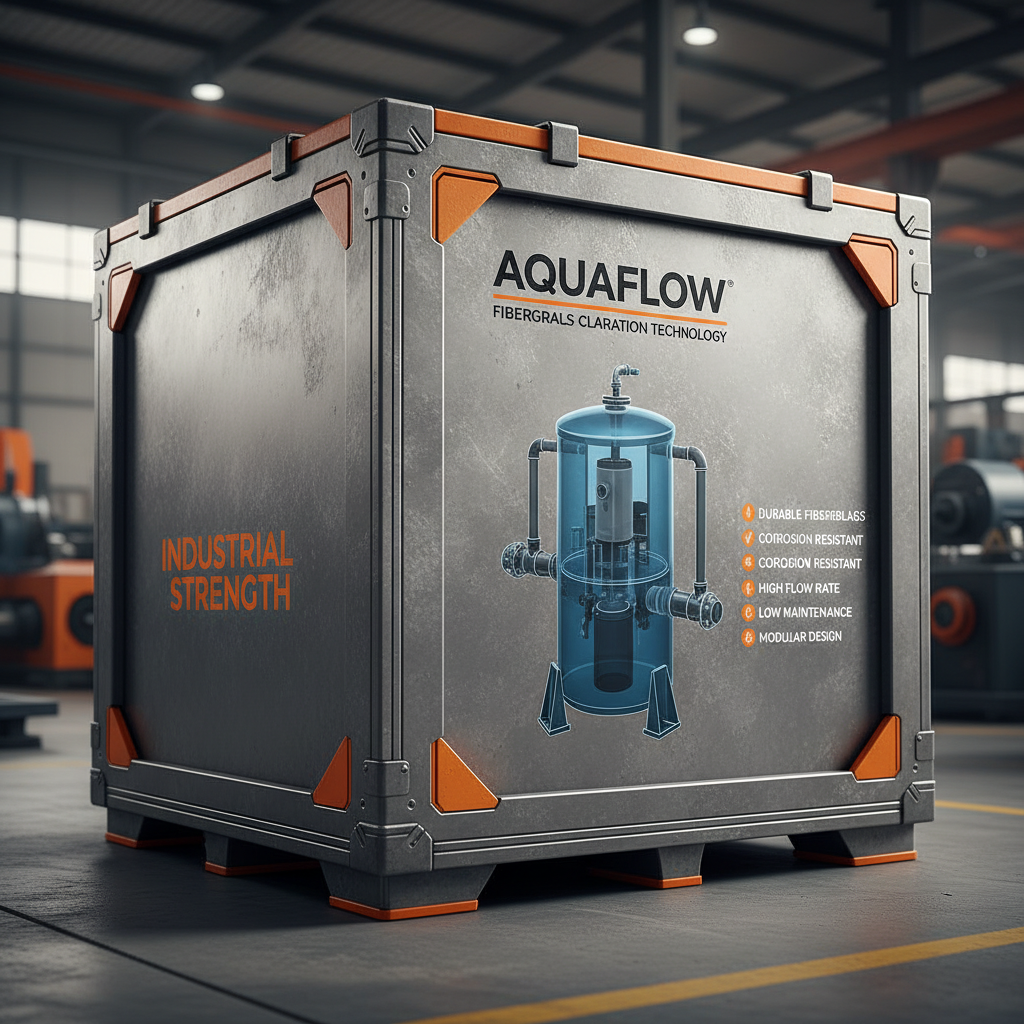
Fiberglass storage tanks are becoming increasingly vital across a range of industries, from chemical processing and water treatment to agriculture and oil & gas. They’re not just containers; they’re engineered solutions for safe and reliable containment. Over the years, I've seen a real shift in demand – folks are realizing the long-term cost benefits and sheer durability of fiberglass compared to traditional materials like steel or concrete. It’s about more than just holding liquids; it's about protecting our environment and ensuring operational efficiency. fiberglass storage tank solutions are popping up on every site I visit, and for good reason.
We're facing increasing pressure to handle corrosive substances safely, and traditional tanks just don’t cut it in many cases. Steel rusts, concrete cracks, and both require constant maintenance. The regulations are getting tighter, and rightly so – we all have a responsibility to prevent leaks and spills. I’ve spent too many nights troubleshooting emergency repairs on aging steel tanks. That’s where fiberglass shines. The upfront cost might be a bit higher, but the reduced lifecycle costs and the peace of mind are worth every penny. I've seen companies save a fortune on maintenance alone just by switching to fiberglass.
It’s not a one-size-fits-all situation, of course. Understanding the specific application, the chemicals being stored, and the environmental conditions is crucial. That's why proper design and installation are paramount. A poorly installed fiberglass tank is just as bad as a poorly maintained steel one. This isn’t something you can just slap together – it requires skilled technicians and a thorough understanding of the material properties.
The Importance of Fiberglass Storage Tanks in Modern Industry
From what I've seen on sites, the demand for reliable and safe liquid storage is consistently growing, driven by stringent environmental regulations and the increasing need to handle corrosive materials. Fiberglass storage tanks have emerged as a leading solution because they offer exceptional resistance to a wide array of chemicals, reducing the risk of leaks and environmental contamination. This is critical in sectors like chemical processing, wastewater treatment, and agriculture. fiberglass storage tank is becoming a standard.
I’ve watched firsthand as companies switch from steel to fiberglass, and the difference is remarkable. It’s not just about avoiding corrosion; it’s about reducing maintenance downtime, lowering lifecycle costs, and improving overall safety. These tanks are lighter than steel, making them easier to install and transport, especially in remote locations. It all translates to significant savings and improved operational efficiency. I’m talking real money saved for our clients.
Defining Fiberglass Storage Tank Technology
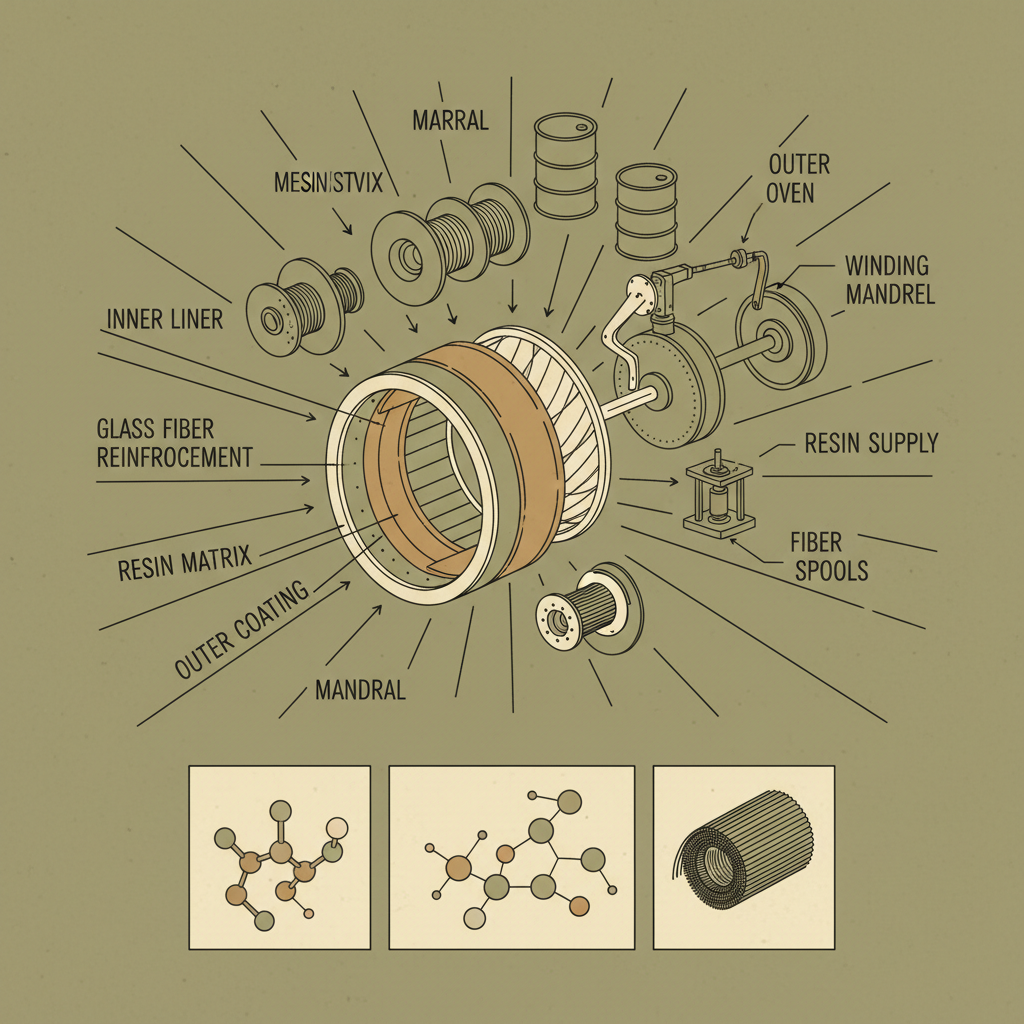
At its core, a fiberglass storage tank isn’t just ‘fiberglass.’ It’s a composite material – a carefully engineered combination of glass fibers reinforced with a polymer matrix, usually polyester, vinyl ester, or epoxy resins. Think of it like reinforced concrete, but instead of steel rebar, we use glass fibers. The resin binds the fibers together, providing structural integrity and chemical resistance. Different resins offer different levels of protection, so choosing the right one for the application is crucial. It’s not just about the fiberglass itself, it’s about the whole system.
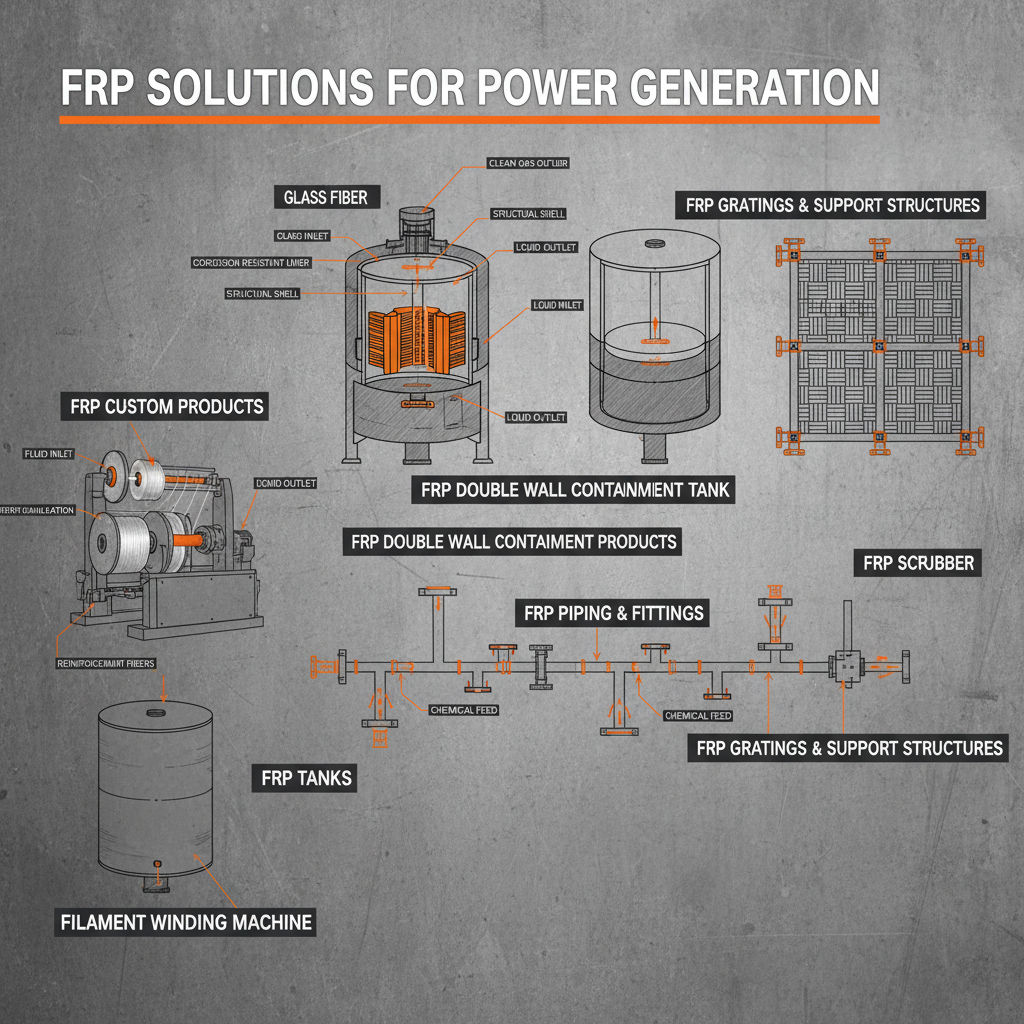
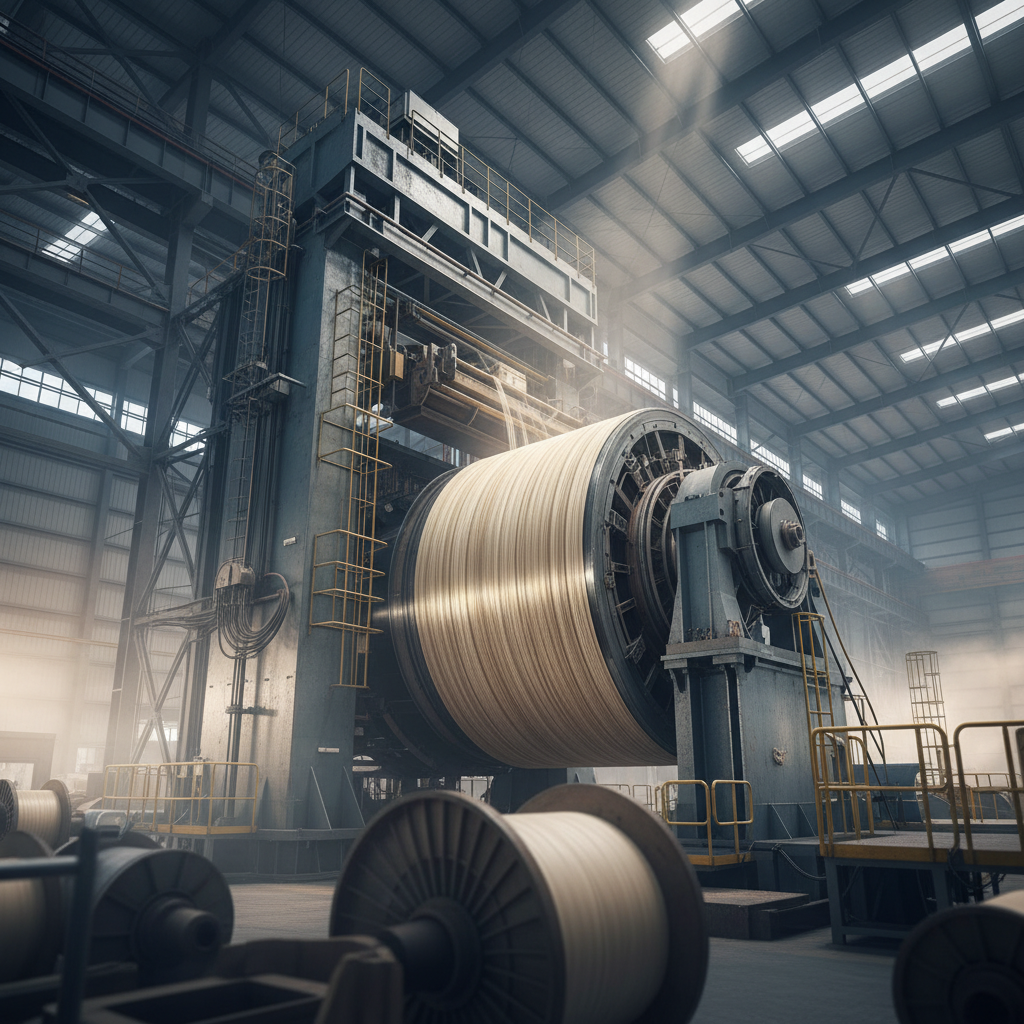
The manufacturing process varies depending on the size and shape of the tank, but it generally involves layering the fiberglass and resin onto a mold. This can be done by hand lay-up, filament winding, or spray-up techniques. Each method has its advantages and disadvantages in terms of cost, strength, and production speed. I’ve seen it all, and understand which method is best for each project. Quality control throughout the manufacturing process is essential to ensure a durable, leak-proof tank.
Understanding the specific properties of each resin type – its chemical compatibility, temperature resistance, and UV stability – is key. This is where a good engineering team makes all the difference. A poorly chosen resin can lead to premature failure and costly repairs. We’ve got to get it right from the start.
Core Components and Manufacturing Processes
The key components of a fiberglass storage tank extend beyond just the resin and fiberglass. You’ve got the gel coat, which provides a smooth, chemically resistant inner surface. There’s the structural layer, built up with multiple layers of fiberglass and resin to provide strength and rigidity. Then there’s often a skin coat for added protection against UV degradation and weathering. All these layers work together to create a robust and reliable storage solution. fiberglass storage tank designs need to consider every aspect.
Manufacturing processes heavily impact the tank’s final properties. Hand lay-up is labor-intensive but allows for complex shapes and small production runs. Filament winding is ideal for cylindrical tanks, offering high strength and uniform wall thickness. Spray-up is a faster, more cost-effective method for larger tanks, but requires careful quality control to ensure consistent resin distribution. Each process has its pros and cons, and the best choice depends on the specific requirements of the project. I spend a lot of time observing these processes to ensure quality.
Proper curing is also essential. The resin needs to be cured at the correct temperature and for the correct duration to achieve its full strength and chemical resistance. Insufficient curing can lead to a weak, brittle tank. We use strict quality control measures to verify that the curing process is completed properly. It’s the little things that make a big difference.
Key Factors Influencing Fiberglass Storage Tank Performance
There are several factors that impact how a fiberglass storage tank performs over its lifespan. Chemical compatibility is paramount – the resin must be able to withstand the chemicals being stored without degrading. Temperature fluctuations can also cause stress on the tank, so it’s important to choose a resin that can handle the expected temperature range. UV exposure can degrade the resin over time, so a UV-resistant gel coat or coating is essential. fiberglass storage tank material selection is critical.
Proper installation is also crucial. The tank must be installed on a stable, level foundation to prevent stress and cracking. The fittings and connections must be properly sealed to prevent leaks. And the tank must be protected from physical damage. I’ve seen too many tanks fail due to improper installation. It’s always cheaper to do it right the first time.
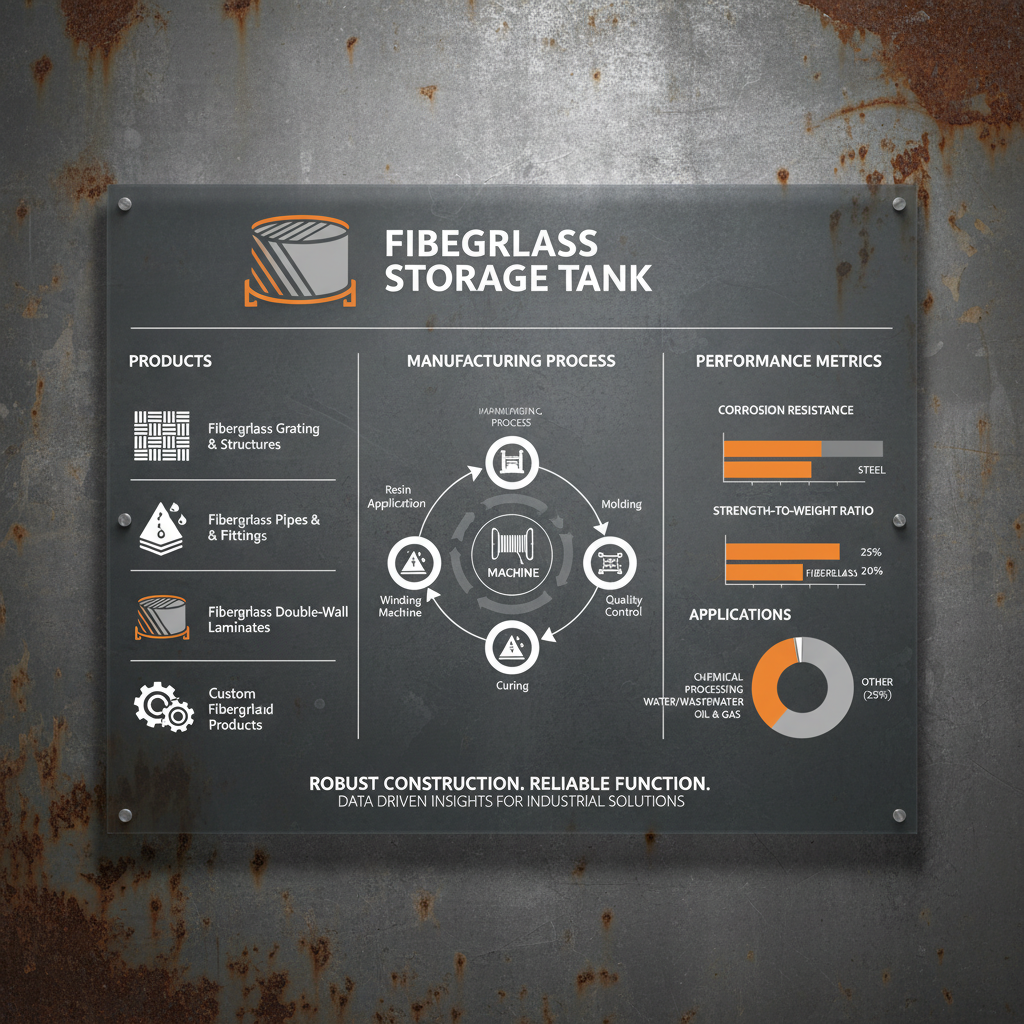
Fiberglass Storage Tank Performance Metrics
Global Applications and Industry Use Cases
I've seen fiberglass storage tanks used in just about every industry imaginable. Chemical processing plants rely on them for storing corrosive acids and solvents. Water and wastewater treatment facilities use them for storing chemicals like chlorine and sodium hypochlorite. Agricultural operations use them for storing fertilizers and pesticides. And the oil & gas industry uses them for storing fuels and other hydrocarbons. The versatility is incredible.
In remote areas, where transportation costs are high and access to repair facilities is limited, fiberglass tanks are a particularly attractive option. Their lightweight construction makes them easier to transport, and their low maintenance requirements reduce the need for frequent repairs. I’ve worked on projects in the Alaskan wilderness and remote mining operations where fiberglass tanks were the only practical solution.
Advantages and Long-Term Value Proposition
The biggest advantage of fiberglass storage tanks is their corrosion resistance. Unlike steel, they don’t rust or corrode, even when exposed to harsh chemicals. This translates to a longer lifespan, lower maintenance costs, and reduced risk of leaks and spills. That’s a huge win for everyone.
Fiberglass tanks are also lighter than steel tanks, which makes them easier to install and transport. They’re also more flexible, which means they can withstand seismic activity and other stresses without cracking. And they’re non-conductive, which eliminates the risk of electrical shock. It’s a safe, reliable, and cost-effective solution.
Future Trends and Innovations in Fiberglass Storage
We’re seeing a lot of innovation in the fiberglass storage tank industry right now. New resin formulations are being developed to improve chemical resistance and temperature performance. Smart sensors are being integrated into tanks to monitor levels, temperatures, and pressures in real-time. And new manufacturing techniques are being developed to reduce costs and improve quality. fiberglass storage tank tech is constantly evolving.
There's also a growing focus on sustainability. Manufacturers are exploring the use of recycled materials and bio-based resins to reduce the environmental impact of fiberglass tanks. We're also seeing a move towards more modular designs, which allow for easier expansion and customization. These advancements are making fiberglass storage tanks even more attractive to environmentally conscious customers.
I think we’ll see even more integration of digital technologies in the future. Imagine tanks that can self-diagnose problems and automatically order replacement parts. Or tanks that can optimize storage levels based on real-time demand. The possibilities are endless.
FAQS
The primary benefit is corrosion resistance. Steel tanks require constant maintenance to prevent rust, while fiberglass is inherently resistant to a wide range of chemicals. This reduces lifecycle costs, downtime, and the risk of environmental contamination. Fiberglass is also lighter, making installation easier, especially in challenging locations. It's simply a more durable and reliable long-term solution, in my experience.
Fiberglass tanks can handle a vast array of chemicals, but it's crucial to select the correct resin type. Polyester resins are suitable for many common chemicals, but vinyl ester or epoxy resins are required for more aggressive substances like strong acids or solvents. Chemical compatibility charts should always be consulted, and the tank should be tested before use with any new chemical.
A well-maintained fiberglass storage tank can easily last for 25-50 years or even longer. The lifespan depends on factors like the chemicals being stored, the environmental conditions, and the quality of the manufacturing and installation. Regular inspections and preventive maintenance are essential to maximize longevity. I’ve seen tanks still going strong after four decades.
Yes, fiberglass tanks are often used for underground storage, but they must be designed and installed correctly to withstand the external pressures and potential for corrosion. They typically require external support and a protective coating to prevent damage from soil and groundwater. Proper backfilling and ventilation are also crucial.
Fiberglass tanks require minimal maintenance compared to steel tanks. Regular visual inspections for cracks, blisters, or leaks are essential. The exterior should be cleaned periodically to remove dirt and debris. Any damage should be repaired promptly to prevent further deterioration. A professional inspection every few years is always a good idea.
The upfront cost of a fiberglass tank is often higher than a steel tank. However, the lifecycle costs are typically lower due to reduced maintenance, longer lifespan, and lower risk of corrosion. Considering the total cost of ownership, fiberglass tanks often prove to be more economical in the long run. I’ve run the numbers on many projects, and fiberglass almost always wins out.
Conclusion
Fiberglass storage tanks have truly revolutionized liquid storage across numerous industries. Their inherent corrosion resistance, combined with their durability, reduced maintenance, and long lifespan, make them a compelling choice compared to traditional materials like steel and concrete. As regulations tighten and the demand for safer, more sustainable solutions grows, fiberglass tanks will continue to play an increasingly important role. fiberglass storage tank represents a smart investment for any organization that relies on reliable liquid storage.
Looking ahead, advancements in materials science and manufacturing techniques will further enhance the performance and sustainability of fiberglass tanks. Embracing these innovations and prioritizing proper design, installation, and maintenance will be key to unlocking the full potential of this versatile and valuable technology. If you’re facing a liquid storage challenge, I highly recommend exploring the benefits of fiberglass. Visit our website: www.jrain-frp.com.