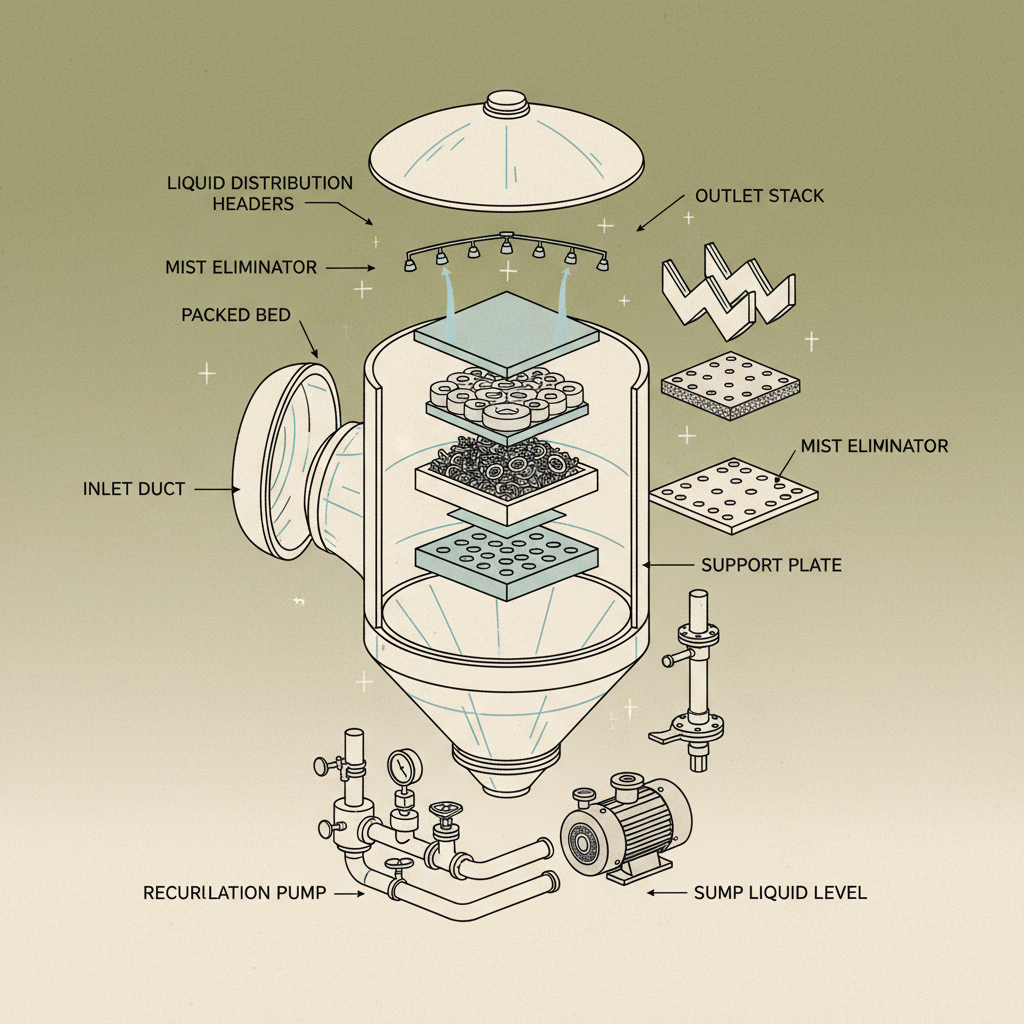
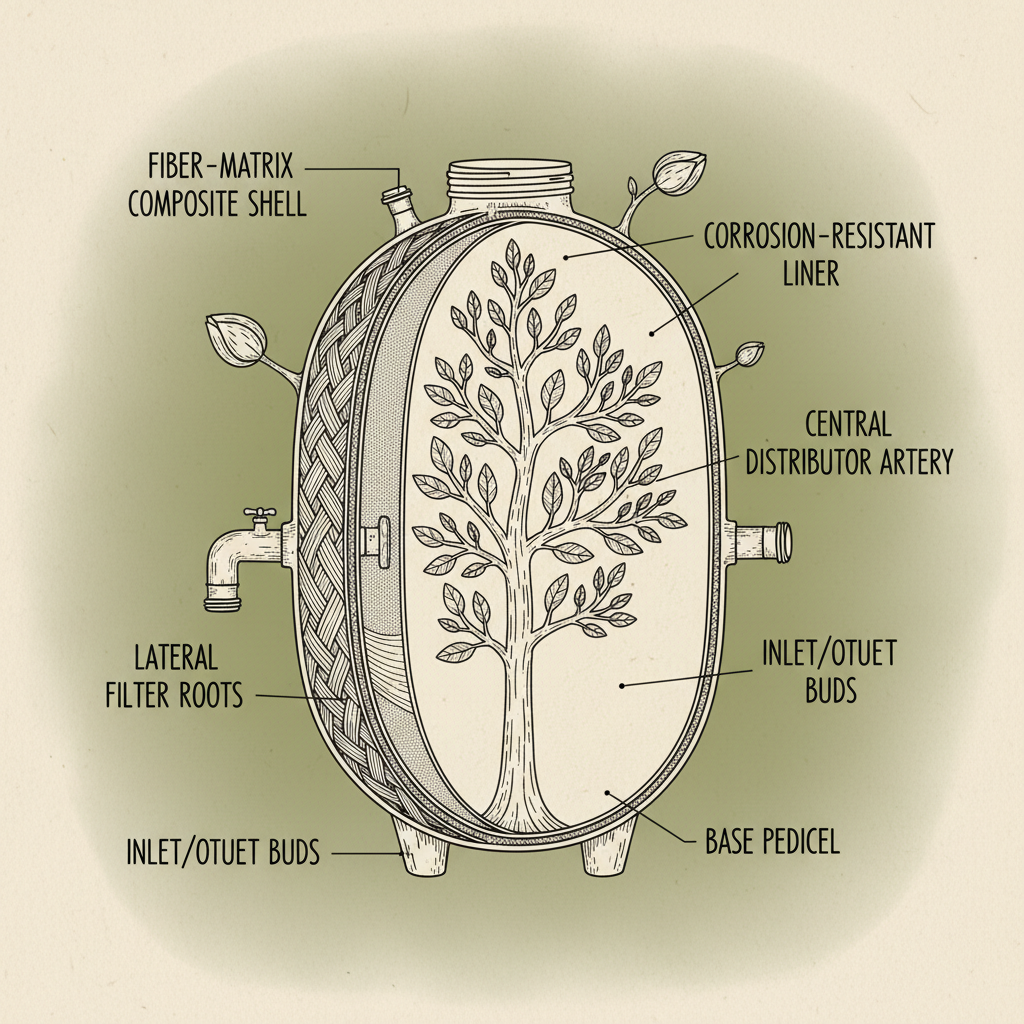
In the demanding landscape of industrial wastewater treatment, the fiberglass clarifier stands as a critical piece of infrastructure designed to remove suspended solids through sedimentation. By utilizing the unique properties of Fiber Reinforced Plastic (FRP), these systems provide an efficient method for separating liquids from solids, ensuring that effluent meets strict environmental standards before discharge or reuse.
The global shift toward sustainable water management has highlighted the limitations of traditional concrete or steel tanks, which are often prone to corrosion and high maintenance costs. The integration of a fiberglass clarifier addresses these vulnerabilities, offering a lightweight yet incredibly durable alternative that can withstand aggressive chemical environments and extreme weather conditions.
Understanding the engineering behind these systems is essential for plant managers and engineers aiming to optimize their operational efficiency. From reducing the total cost of ownership to enhancing the purity of processed water, the adoption of advanced composite materials in clarification processes represents a significant leap forward in industrial environmental engineering.
Global Relevance of Fiberglass Clarifier Systems
Across the globe, the demand for clean water and stringent industrial discharge regulations has placed the fiberglass clarifier at the center of environmental strategy. With ISO standards pushing for higher efficiency in waste management, industries from chemical processing to municipal water treatment are moving away from heavy metallic structures that degrade over time.
The challenge often lies in the corrosive nature of industrial sludge. A fiberglass clarifier solves this by providing an inert surface that does not react with acids or alkalis, significantly reducing the frequency of structural failures and ensuring a continuous, uninterrupted water purification cycle.
Defining the Fiberglass Clarifier in Modern Industry
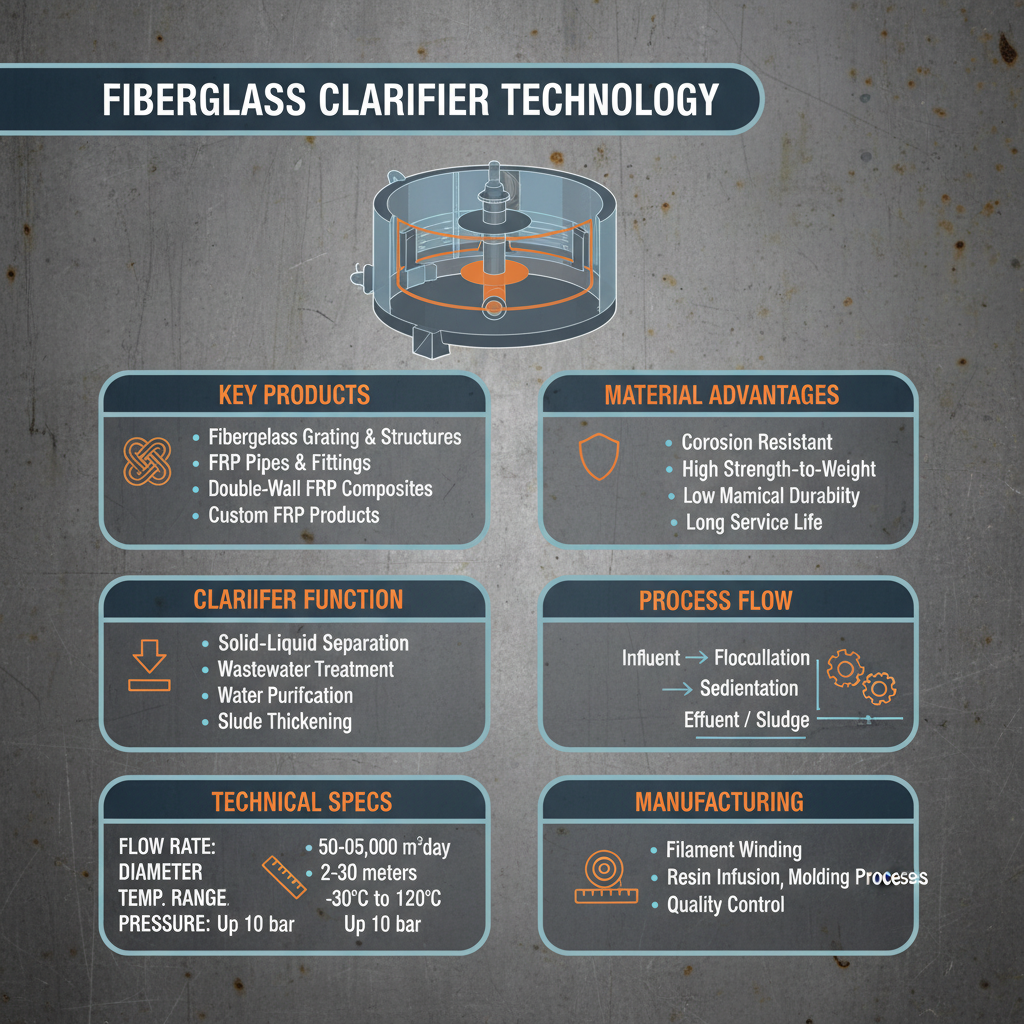
At its simplest level, a fiberglass clarifier is a specialized tank made from glass-reinforced plastic (GRP) designed to separate solids from liquids through the process of sedimentation. By allowing heavier particles to settle at the bottom while clear liquid overflows from the top, these units serve as the "kidneys" of an industrial plant, filtering out impurities that could otherwise damage downstream equipment or contaminate the environment.
In the context of modern humanitarian and industrial needs, these systems are vital for rapid deployment in areas where traditional concrete pouring is impossible. Whether it is a remote mining site or a temporary medical facility in a disaster zone, the modular nature of FRP allows for the swift installation of water treatment capabilities, ensuring that safe water is available when it is most needed.
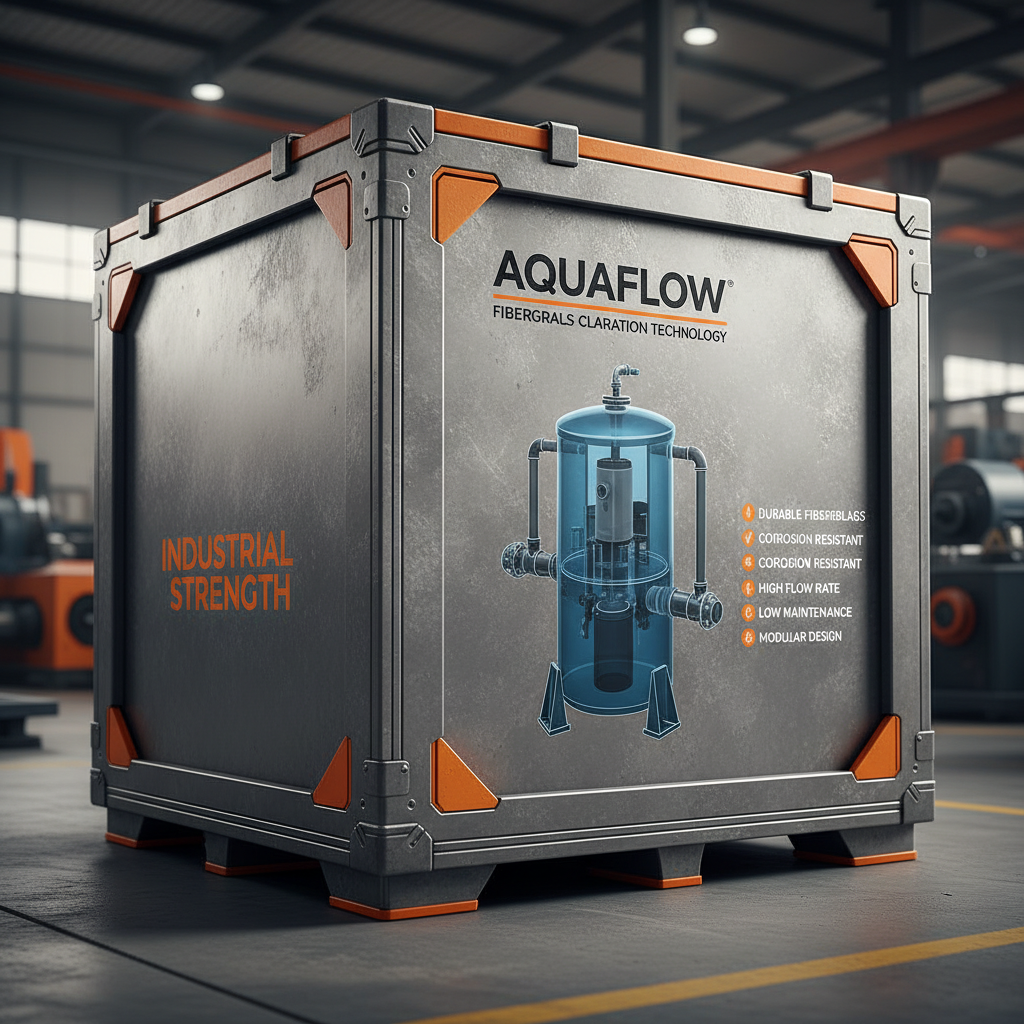
Unlike steel alternatives, the composite material used in a fiberglass clarifier offers a high strength-to-weight ratio. This means that while the tank is light enough to be transported with minimal equipment, it is strong enough to hold thousands of gallons of liquid under immense pressure, blending structural integrity with logistical flexibility.
Core Components and Engineering Factors
The durability of a fiberglass clarifier is rooted in its material composition. The combination of high-quality resins and woven glass fibers creates a non-porous barrier that is virtually immune to rust and chemical erosion, making it ideal for treating aggressive industrial waste.
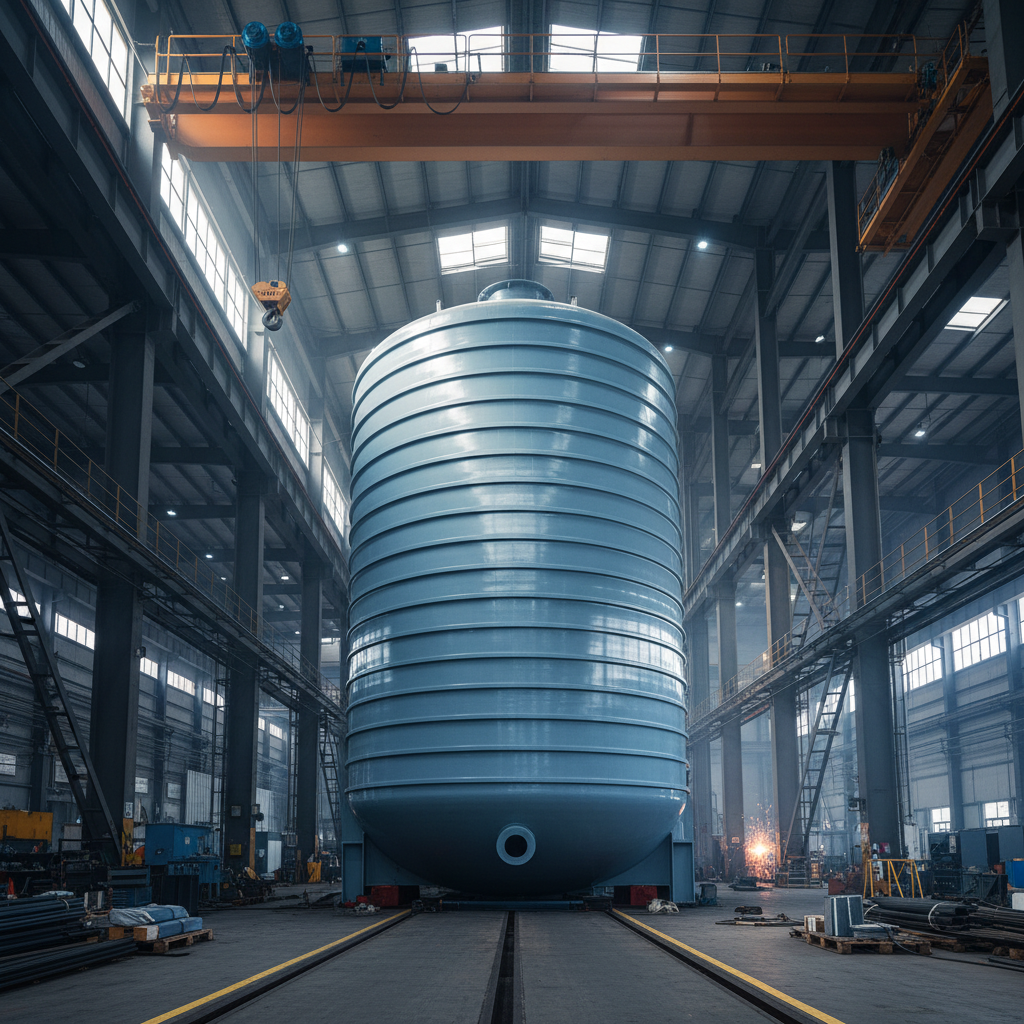
Scalability is another key factor. Because fiberglass clarifier units can be manufactured in various sizes and configurations—from small pilot plants to massive industrial arrays—companies can easily expand their treatment capacity without needing to rebuild their entire infrastructure from scratch.
Cost efficiency is realized through the reduction of lifecycle expenses. While the initial investment in a fiberglass clarifier is competitive, the real value emerges in the lack of required protective coatings and the minimal man-hours needed for annual maintenance compared to carbon steel systems.
Operational Efficiency and Performance Metrics
Evaluating the success of a fiberglass clarifier requires a look at its hydraulic loading rate and the resulting turbidity of the effluent. High-performance FRP units minimize turbulence, allowing for a more stable "sludge blanket" which enhances the separation process and ensures that the clarified water meets the most stringent purity benchmarks.
Furthermore, the smooth internal surface of the composite material prevents solids from adhering to the walls, which reduces the energy required for cleaning and prevents the buildup of anaerobic pockets that can cause odors or structural degradation.
Performance Comparison of Fiberglass Clarifier Configurations
Global Applications and Use Cases
In the petrochemical hubs of the Middle East and Southeast Asia, the fiberglass clarifier is widely used to handle highly saline and corrosive process waters. These regions benefit from the material's resistance to UV radiation and high temperatures, ensuring the equipment does not warp or crack under intense sunlight.
Additionally, in remote industrial zones such as mining camps in the Andes or oil rigs in the North Sea, the ease of transporting pre-fabricated fiberglass clarifier modules reduces installation time from months to weeks, significantly lowering the project's carbon footprint and operational risks.
Long-Term Value and Sustainability Advantages
The long-term value of investing in a fiberglass clarifier extends beyond simple maintenance. From a sustainability perspective, FRP is more energy-efficient to manufacture and transport than heavy concrete. Furthermore, the extended lifespan of these units means fewer replacements, leading to a drastic reduction in industrial waste over a 30-year cycle.
Beyond the logic of cost and durability, there is a strong emotional angle of trust and safety. Plant operators can have peace of mind knowing that the risk of catastrophic leaks caused by corrosion—which can lead to environmental disasters and legal liabilities—is virtually eliminated with a high-grade composite structure.
Innovation in resin technology has also allowed for "smart" fiberglass clarifier systems that can be integrated with sensors to monitor sludge levels in real-time, bridging the gap between traditional mechanical separation and the era of Digital Transformation (Industry 4.0).
Future Trends in Clarification Technology
Looking ahead, the fiberglass clarifier is evolving through the introduction of bio-resins and recyclable composites. As global policies push toward a circular economy, the industry is developing ways to ensure that FRP tanks can be repurposed or safely recycled at the end of their extremely long service lives.
Automation is also playing a pivotal role. We are seeing the rise of autonomous desludging systems within fiberglass clarifier units, where AI-driven algorithms optimize the rake speed and discharge frequency based on the incoming waste load, maximizing water purity while minimizing energy consumption.
The convergence of green energy and water treatment is another exciting frontier. Future designs may integrate solar-powered aeration or heating elements directly into the fiberglass clarifier shell, creating a self-sufficient water treatment node that operates independently of the main power grid.
Comparison Analysis of Fiberglass Clarifier vs. Traditional Materials
| Material Type |
Corrosion Resistance |
Installation Speed |
Lifecycle Cost |
| Fiberglass (FRP) |
Excellent (10/10) |
Very Fast |
Low |
| Carbon Steel |
Poor (3/10) |
Moderate |
High (due to coating) |
| Concrete |
Fair (5/10) |
Very Slow |
Moderate |
| Stainless Steel |
Good (8/10) |
Fast |
Very High (initial cost) |
| HDPE Plastic |
Excellent (9/10) |
Fast |
Moderate |
| Hybrid Composites |
Superior (10/10) |
Moderate |
Low to Moderate |
FAQS
A fiberglass clarifier is significantly more resistant to chemical corrosion and does not suffer from the cracking or leaking often seen in aging concrete. Additionally, it is much lighter, allowing for faster installation and the ability to be placed in areas with poor soil stability where heavy concrete would sink or shift.
When manufactured with high-quality UV-resistant resins and reinforced glass fibers, a fiberglass clarifier can easily last 20 to 50 years. Because it does not rust or corrode, the structural integrity remains intact far longer than steel alternatives, provided that mechanical parts like scrapers are maintained.
Not at all. One of the primary advantages is that these systems are often pre-fabricated and shipped in modular sections. This eliminates the need for extensive on-site pouring or welding, making them the ideal choice for remote industrial zones or emergency relief operations where infrastructure is limited.
Yes, that is one of its strongest selling points. By selecting the specific type of resin (such as vinyl ester or epoxy) during the manufacturing process, the clarifier can be tailored to withstand extremely low or high pH levels that would quickly eat through steel or degrade concrete.
Maintenance is minimal. Focus on regularly inspecting the sludge removal mechanism and ensuring that the influent flow remains consistent. Unlike steel tanks, you do not need to repaint or apply anti-corrosion coatings, which reduces annual maintenance costs by up to 70%.
Yes, they contribute to sustainability by preventing leaks into the groundwater and requiring fewer chemicals for maintenance. Modern innovations are also introducing recyclable resins, ensuring that the lifecycle of the clarifier aligns with global green energy and circular economy goals.
Conclusion
In summary, the fiberglass clarifier represents the pinnacle of modern industrial water treatment, blending the strength of composite materials with the efficiency of sedimentation science. By overcoming the pitfalls of corrosion, excessive weight, and high maintenance costs, these systems provide a reliable, scalable, and sustainable solution for industries worldwide.
As we move toward a future defined by stricter environmental regulations and a commitment to water scarcity solutions, the adoption of advanced FRP technology is no longer just an option but a strategic necessity. Investing in high-quality clarification infrastructure today ensures operational resilience and environmental stewardship for decades to come. Visit our website: www.jrain-frp.com