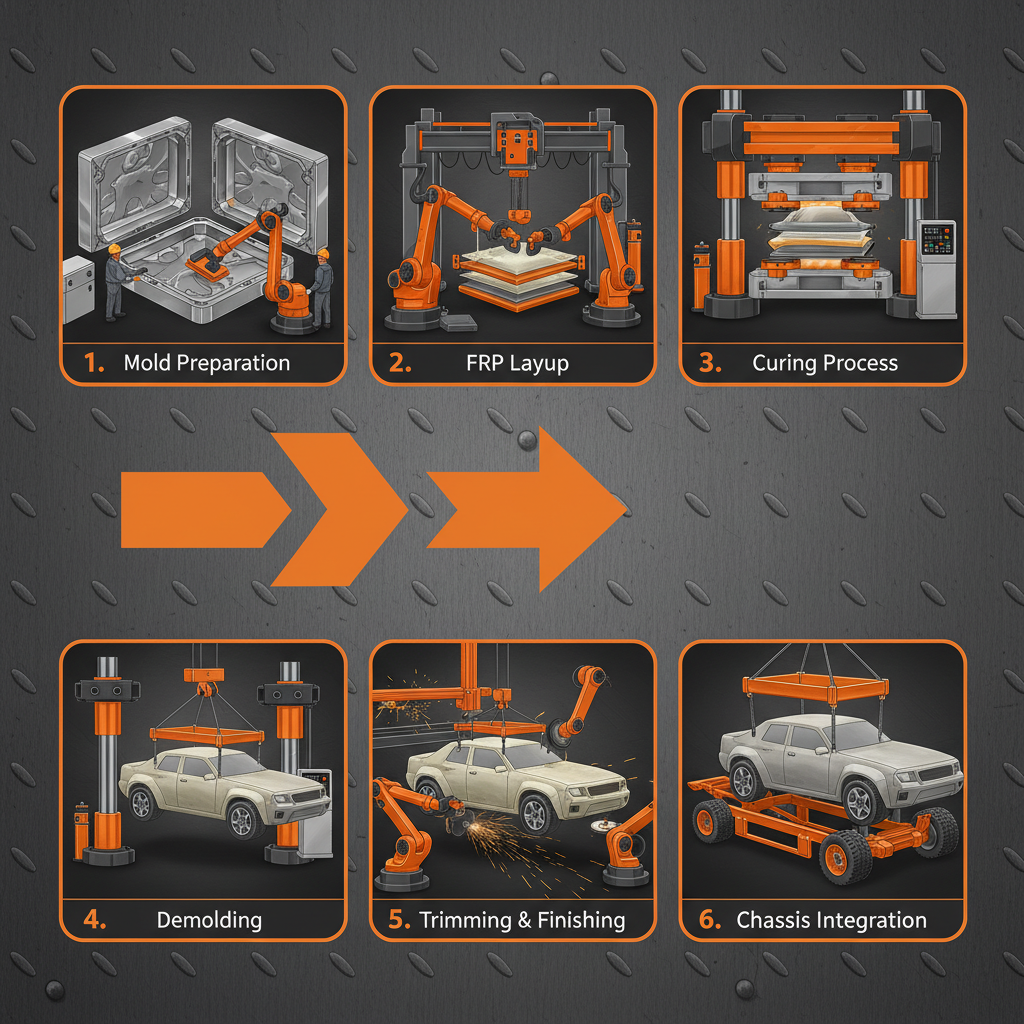
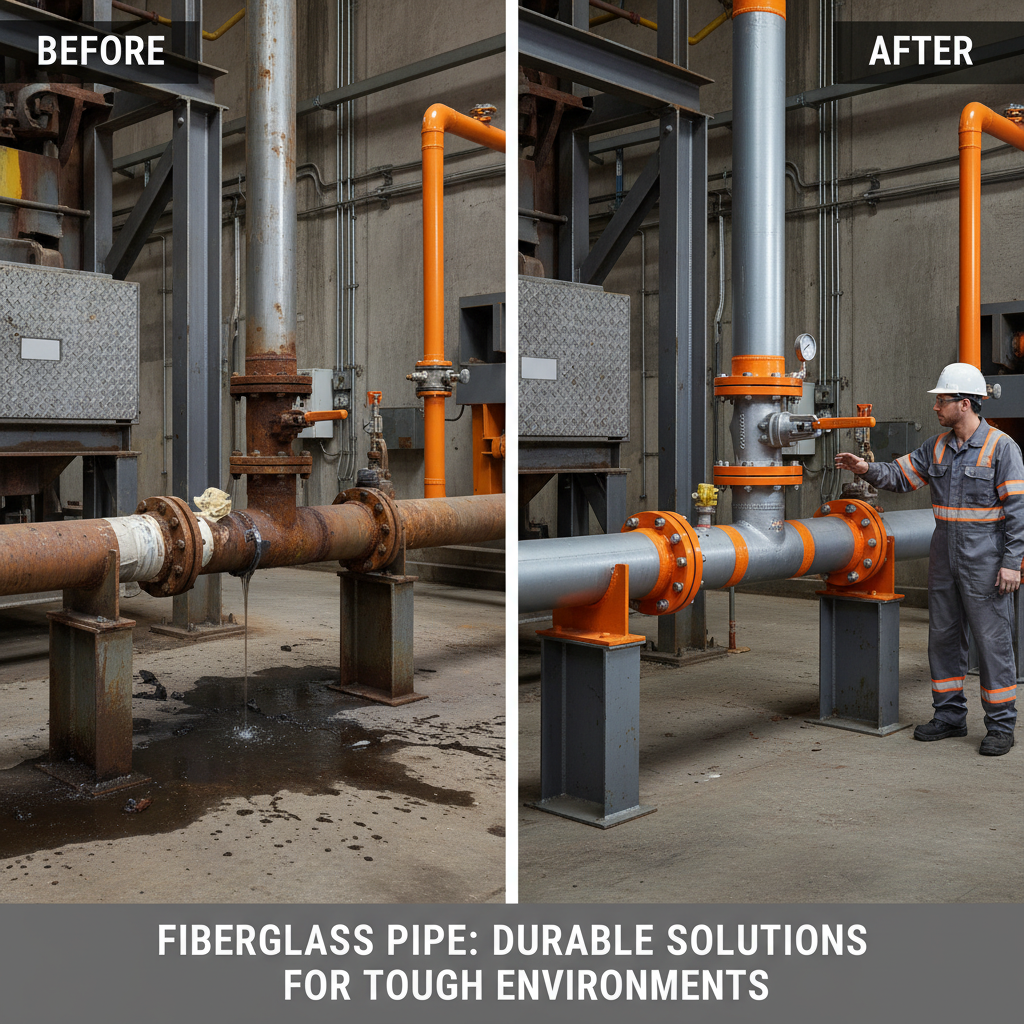
The world relies on durable, efficient infrastructure – from bridges and pipelines to storage tanks and aerospace components. Underpinning much of this is a process often unseen but critical: fiberglass winding. This isn’t a new technology, but its applications are expanding rapidly, driven by the demand for lightweight, high-strength materials that resist corrosion and stand the test of time. A fiberglass winding machine is the heart of this process, and understanding its capabilities is crucial for engineers, manufacturers, and anyone involved in building a more resilient future. I’ve spent years on construction sites, wrestling with materials, and believe me, choosing the right fabrication method can make or break a project.
We’re seeing fiberglass reinforced polymer (FRP) composites taking over in areas where traditional materials like steel simply can't compete. Think about offshore oil platforms, constantly battling saltwater corrosion. Or the need for lighter-weight vehicle components to improve fuel efficiency. The demand is skyrocketing, and with it, the need for reliable, efficient fiberglass winding machines. It's not just about building things; it's about building things that last and require minimal maintenance.
It’s a game-changer, honestly. I’ve watched FRP replace entire sections of corroded pipelines in days, something that would have taken weeks with conventional methods. And the cost savings over the lifecycle of these projects? Significant. That's why getting a handle on how these machines work, their potential, and their limitations is essential.
The Foundation of Composite Manufacturing
Fiberglass winding is a fabrication process used to create structures by wrapping filaments around a rotating mandrel. These filaments, typically glass fibers impregnated with a resin, are laid down in precise patterns to achieve desired strength and stiffness characteristics. It's a bit like wrapping yarn around a spool, but with engineering precision and materials that can withstand incredible stress. I've seen these machines build everything from massive pressure vessels to intricate robotic arms.
The beauty of this process lies in its ability to create complex geometries with high strength-to-weight ratios. Traditional manufacturing methods often struggle with these kinds of designs, or require extensive tooling and labor. A fiberglass winding machine streamlines this process, making it both efficient and cost-effective, which is a huge win on any jobsite.
Defining the Fiberglass Winding Machine
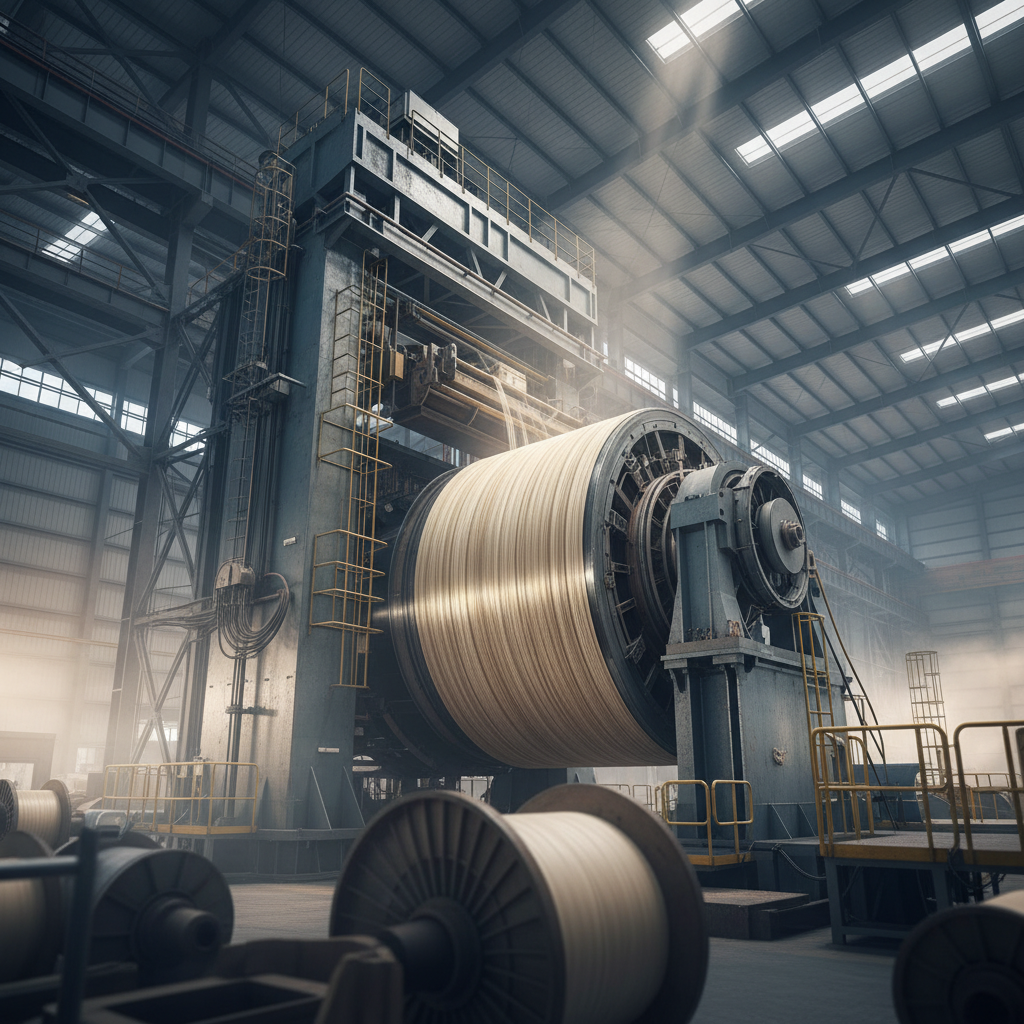
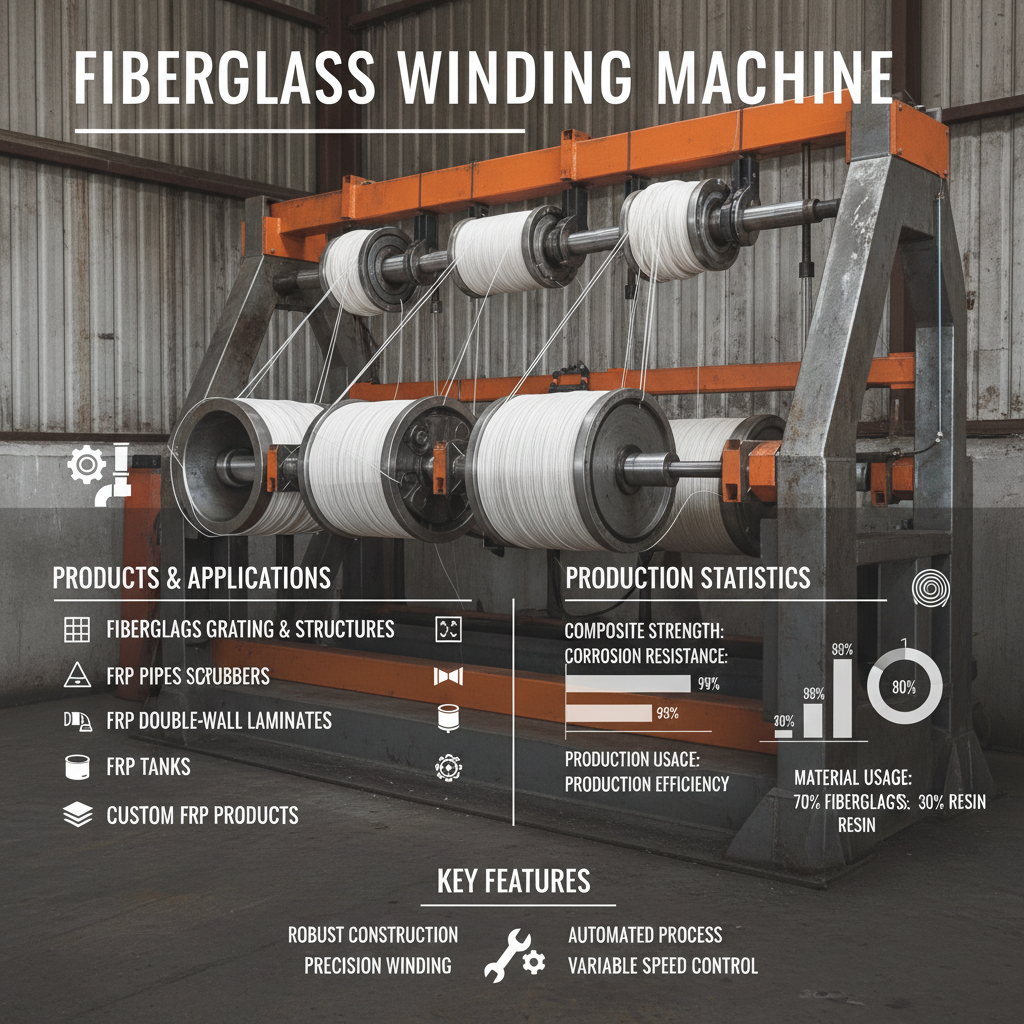
Simply put, a fiberglass winding machine is a specialized piece of equipment designed to automate the filament winding process. It consists of several key components: a mandrel, a carriage system for moving the winding head, a resin bath, and a control system to manage the winding parameters. The mandrel acts as a mold, defining the shape of the final product. The carriage system precisely positions the winding head as it lays down the fibers, and the resin bath ensures proper impregnation.
These machines aren’t just one-size-fits-all. They come in various configurations – from simple, manually operated setups to fully automated systems controlled by sophisticated software. The choice of machine depends on the complexity of the product, the production volume, and the desired level of precision. I've worked with everything from small, portable units for field repairs to massive, multi-axis machines for large-scale manufacturing.
The real power comes from the control system. It dictates the winding angle, the resin-to-fiber ratio, and the speed of the winding head. Getting these parameters right is critical to achieving the desired mechanical properties in the finished product. It’s a science, and a good operator knows exactly how to dial in the settings for optimal performance.
Core Components and Operational Principles
Let’s break down the key components. First, you have the mandrel, which is the foundation of the entire process. Mandrels can be made from a variety of materials, depending on the application, including steel, aluminum, or even composite materials. Then there's the winding head, which precisely delivers the fibers and resin onto the mandrel. Different winding heads are used for different types of filaments and winding patterns.
The resin impregnation system is equally important. Proper resin distribution ensures that the fibers are fully wetted out, creating a strong and durable composite. We’re seeing a shift towards more advanced resin systems – higher performance epoxies, vinyl esters, and even thermosetting plastics. The type of resin greatly affects the final product's strength, temperature resistance, and chemical compatibility.
Finally, the control system orchestrates everything. Modern machines use CNC (Computer Numerical Control) to precisely control the winding head’s movement and resin flow. This allows for complex winding patterns and repeatable results. I’ve seen operators program intricate designs with pinpoint accuracy, something that would be impossible to achieve manually.
Applications Across Diverse Industries
The applications of fiberglass winding are incredibly broad. In the oil and gas industry, it’s used to manufacture pipelines, storage tanks, and pressure vessels that can withstand harsh environments and corrosive fluids. The aerospace industry uses it to create lightweight components for aircraft and spacecraft.
You'll find it in automotive manufacturing for components like driveshafts and leaf springs, reducing vehicle weight and improving fuel efficiency. The sporting goods industry relies on it for things like golf club shafts, fishing rods, and bicycle frames. And even in civil engineering, it's used for reinforcing concrete structures and creating durable bridge components. I've personally seen a fiberglass winding machine building components for a bridge replacement project, speeding up construction dramatically.
Fiberglass Winding Machine Applications by Industry
The Advantages: A Long-Term Investment
The benefits of using fiberglass reinforced polymers, manufactured with a fiberglass winding machine, go far beyond initial cost. The corrosion resistance alone is a huge factor. Steel corrodes, especially in harsh environments, requiring frequent maintenance and eventual replacement. FRP, on the other hand, stands up to these conditions for decades, minimizing downtime and reducing lifecycle costs.
The lighter weight of FRP also translates to significant savings in transportation and installation costs. Plus, the design flexibility allows for optimized structures that use materials more efficiently. It's not just about saving money; it's about building smarter and more sustainably.
Future Trends and Innovations in Winding Technology
We’re seeing a move towards automated winding systems with advanced robotics and AI-powered control. This will allow for greater precision, higher production rates, and the ability to create even more complex geometries. Another trend is the development of new resin systems with enhanced properties – higher temperature resistance, improved toughness, and greater chemical compatibility.
There’s also a growing focus on sustainability. Manufacturers are exploring the use of bio-based resins and recycled fibers to reduce the environmental impact of FRP composites. This is becoming increasingly important as companies strive to meet stricter environmental regulations and consumer demands for greener products.
And finally, the integration of digital twins – virtual representations of the winding process – is allowing engineers to optimize designs and predict performance with greater accuracy. It's a game-changer for efficiency and quality control.
Challenges and Solutions in Fiberglass Winding
Despite the many advantages, there are challenges. One is the initial cost of the equipment – a high-quality fiberglass winding machine can be a significant investment. However, the long-term cost savings often outweigh this initial expense. Another challenge is the need for skilled operators and technicians. Proper training is essential to ensure consistent product quality and safe operation.
We also see challenges with resin handling and waste management. Resins can be hazardous materials, requiring careful handling and disposal. However, new technologies are emerging to address these issues, such as closed-loop resin systems that minimize waste and reduce environmental impact.
Finally, quality control is crucial. Ensuring the integrity of the composite structure requires rigorous testing and inspection. Non-destructive testing methods, such as ultrasonic inspection and radiography, are used to detect flaws and ensure that the product meets the required specifications.
Summary of Fiberglass Winding Machine Challenges and Solutions
| Challenge |
Impact on Production |
Potential Solutions |
Implementation Cost (1-10) |
| High Initial Investment |
Limits Accessibility for Smaller Businesses |
Leasing Options, Phased Equipment Upgrades |
7 |
| Skilled Operator Shortage |
Reduced Product Quality, Increased Errors |
Comprehensive Training Programs, Certification |
6 |
| Resin Handling Hazards |
Safety Risks, Environmental Concerns |
Closed-Loop Systems, Improved Ventilation |
5 |
| Waste Resin Disposal |
Environmental Impact, Increased Costs |
Resin Recycling Technologies, Alternative Resins |
8 |
| Quality Control Complexity |
Potential for Structural Failures |
Non-Destructive Testing, Automated Inspection |
9 |
| Material Compatibility |
Bonding Issues, Reduced Structural Integrity |
Rigorous Material Testing, Optimized Resin Selection |
4 |
FAQS
The lifespan of a fiberglass-wound structure significantly exceeds that of traditional materials like steel or concrete, often lasting 50-100 years or more with minimal maintenance. This is due to the inherent corrosion resistance of the FRP composite. Factors influencing lifespan include the quality of materials, environmental conditions, and proper installation. Proper resin selection is key, and we've seen structures still performing flawlessly decades after installation.
The initial investment in a fiberglass winding machine can be higher than some other methods, like hand lay-up. However, when considering long-term costs – including labor, material waste, and maintenance – winding often proves more cost-effective, especially for large-scale production. Automation reduces labor needs, and precise material control minimizes waste. It’s a long game, and the savings add up.
A variety of resins are used, depending on the application. Polyester resins are cost-effective and suitable for general-purpose applications. Vinyl ester resins offer improved corrosion resistance. Epoxy resins provide superior strength and toughness. We’re also seeing increased use of phenolic resins for high-temperature applications. Resin choice is critical to achieving the desired performance characteristics.
Operating a fiberglass winding machine requires a combination of mechanical aptitude, understanding of composite materials, and CNC programming skills. Comprehensive training programs are essential, covering machine operation, safety procedures, resin handling, and quality control. Experienced technicians are invaluable for troubleshooting and optimizing the winding process.
Absolutely. FRP composites are commonly used for structural repair and strengthening. Fiberglass winding can be employed to wrap and reinforce damaged concrete or steel structures, restoring their load-carrying capacity. It’s a minimally invasive technique that avoids costly and disruptive demolition and reconstruction. I've seen it used to repair everything from bridge supports to corroded pipelines.
While FRP is durable and long-lasting, environmental concerns exist regarding resin disposal and the recyclability of composite materials. Manufacturers are increasingly focusing on using bio-based resins and developing recycling technologies to minimize the environmental impact. Closed-loop resin systems and proper waste management practices are also crucial.
Conclusion
Fiberglass winding represents a transformative technology in modern manufacturing, offering a compelling combination of strength, durability, and design flexibility. From critical infrastructure to cutting-edge aerospace components, the applications are expanding rapidly, driven by the demand for high-performance materials. Understanding the principles of fiberglass winding, the capabilities of these machines, and the evolving trends in the industry is crucial for engineers, manufacturers, and anyone involved in building a more resilient future.
Looking ahead, we can expect to see continued innovation in winding technology, with a focus on automation, sustainability, and advanced materials. The future is bright for FRP composites, and the fiberglass winding machine will remain at the heart of this exciting evolution. Visit our website at www.jrain-frp.com to learn more about how we can help you leverage the power of fiberglass winding.