Fiberglass pipe, a composite material constructed from glass fibers embedded in a resin matrix, has emerged as a crucial component in modern infrastructure and various industrial applications. Its unique combination of strength, lightweight properties, and corrosion resistance addresses critical challenges in sectors ranging from water management to chemical processing. Understanding its characteristics and potential is vital for engineers, planners, and policymakers aiming to build sustainable and resilient systems.
Globally, the demand for efficient and durable piping solutions is steadily increasing, driven by population growth, urbanization, and the need to replace aging infrastructure. Traditional materials like steel and concrete often suffer from corrosion, leakage, and high maintenance costs. The UN estimates that trillions of dollars are needed to upgrade global water infrastructure alone, presenting a significant opportunity for innovative materials like fiberglass pipe. ISO standards are continually evolving to encompass the advancements in fiber-reinforced polymer (FRP) technologies, ensuring quality and performance.
Fiberglass pipe offers a compelling alternative, providing long-term cost savings, reduced environmental impact, and enhanced safety. From delivering potable water to transporting corrosive chemicals, its versatility and reliability are transforming the way infrastructure is designed and maintained. This exploration will delve into the core aspects of fiberglass pipe, its diverse applications, and its potential to shape a more sustainable future.
Introduction to Fiberglass Pipe
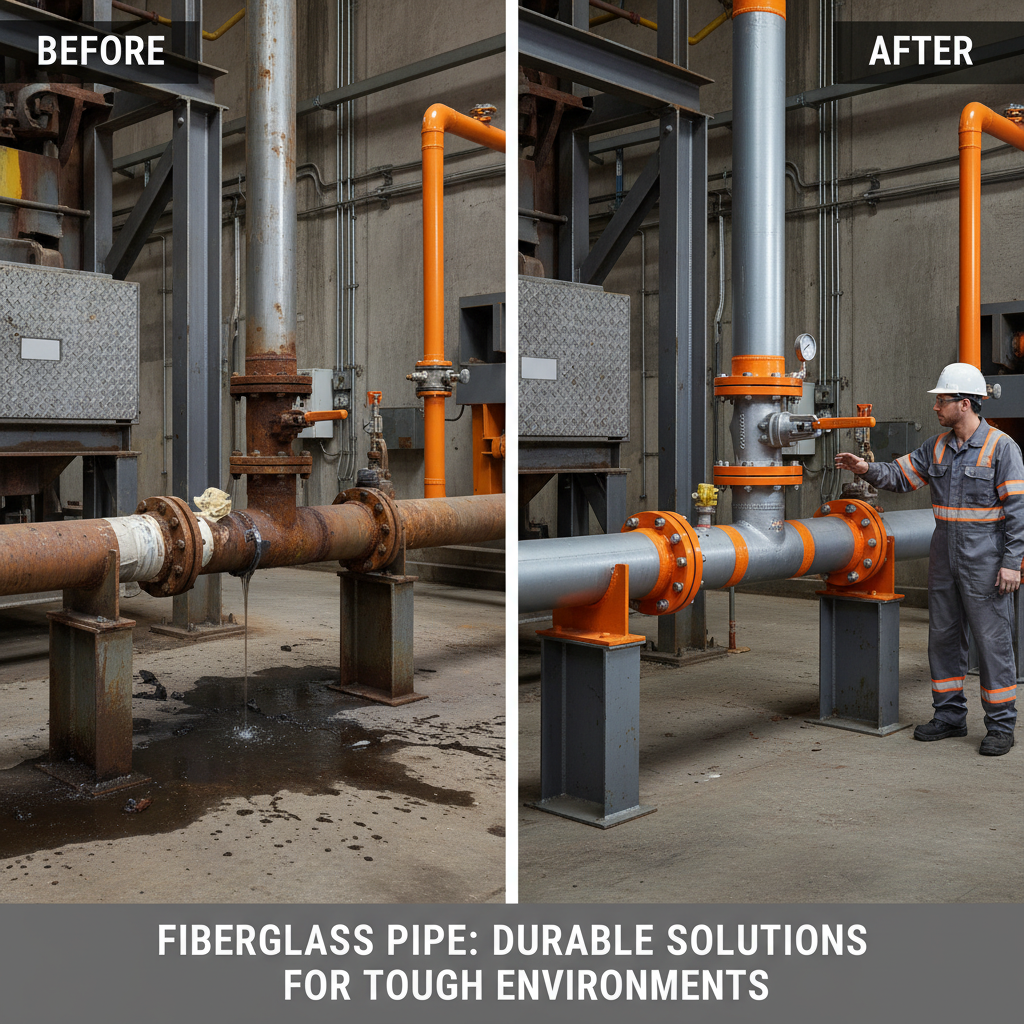
Fiberglass pipe stands out due to its exceptional strength-to-weight ratio. This characteristic minimizes installation costs and logistical challenges, especially in large-scale projects. The material's inherent resistance to corrosion eliminates the need for expensive coatings or cathodic protection, drastically reducing lifecycle costs and ensuring long-term operational reliability.
Furthermore, the manufacturing process of fiberglass pipe allows for design flexibility. Pipes can be custom-engineered to meet specific pressure, temperature, and chemical compatibility requirements, making them suitable for a vast array of applications. This adaptability, coupled with its durability, positions fiberglass pipe as a preferred material in demanding environments where performance and longevity are paramount.
Defining Fiberglass Pipe
Fiberglass pipe, more accurately termed fiber-reinforced polymer (FRP) pipe, is a composite material created by combining glass fibers with a thermosetting resin, such as polyester, vinyl ester, or epoxy. The glass fibers provide the structural strength, while the resin binds the fibers together and protects them from environmental damage. This combination results in a pipe that is strong, lightweight, and incredibly durable.
In modern industry, fiberglass pipe addresses the limitations of traditional materials. The escalating cost of steel, coupled with its susceptibility to corrosion, has driven the adoption of FRP alternatives. In humanitarian needs, the lightweight nature of fiberglass pipe facilitates rapid deployment of water and sanitation systems in disaster-stricken areas, offering a vital lifeline to affected communities.
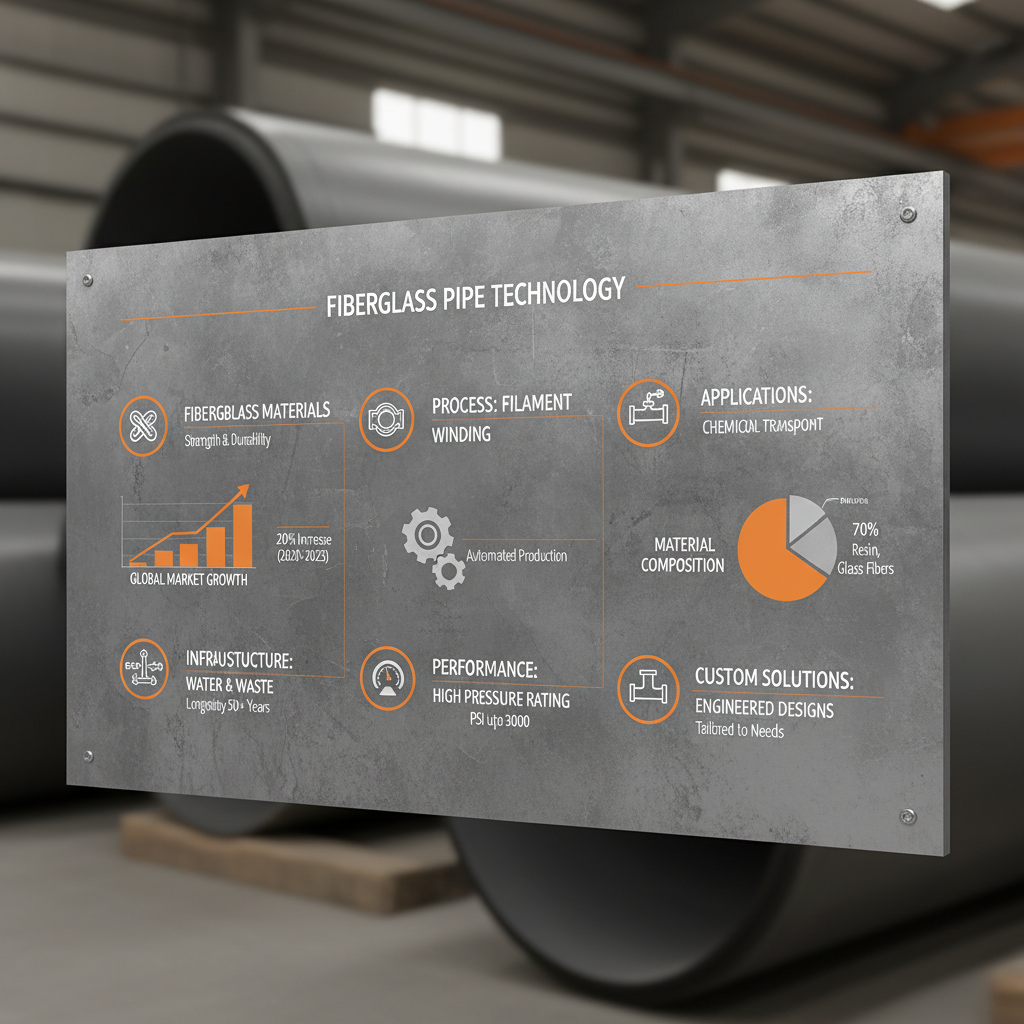
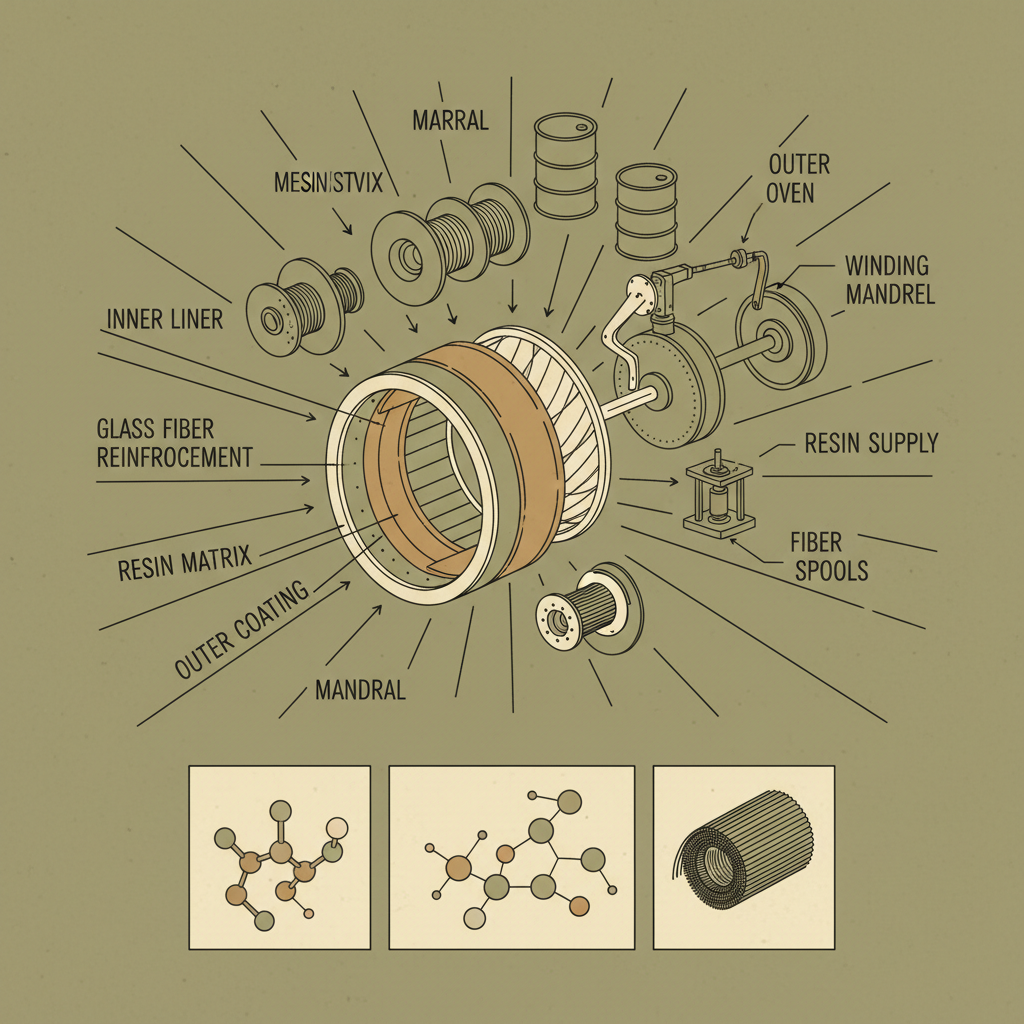
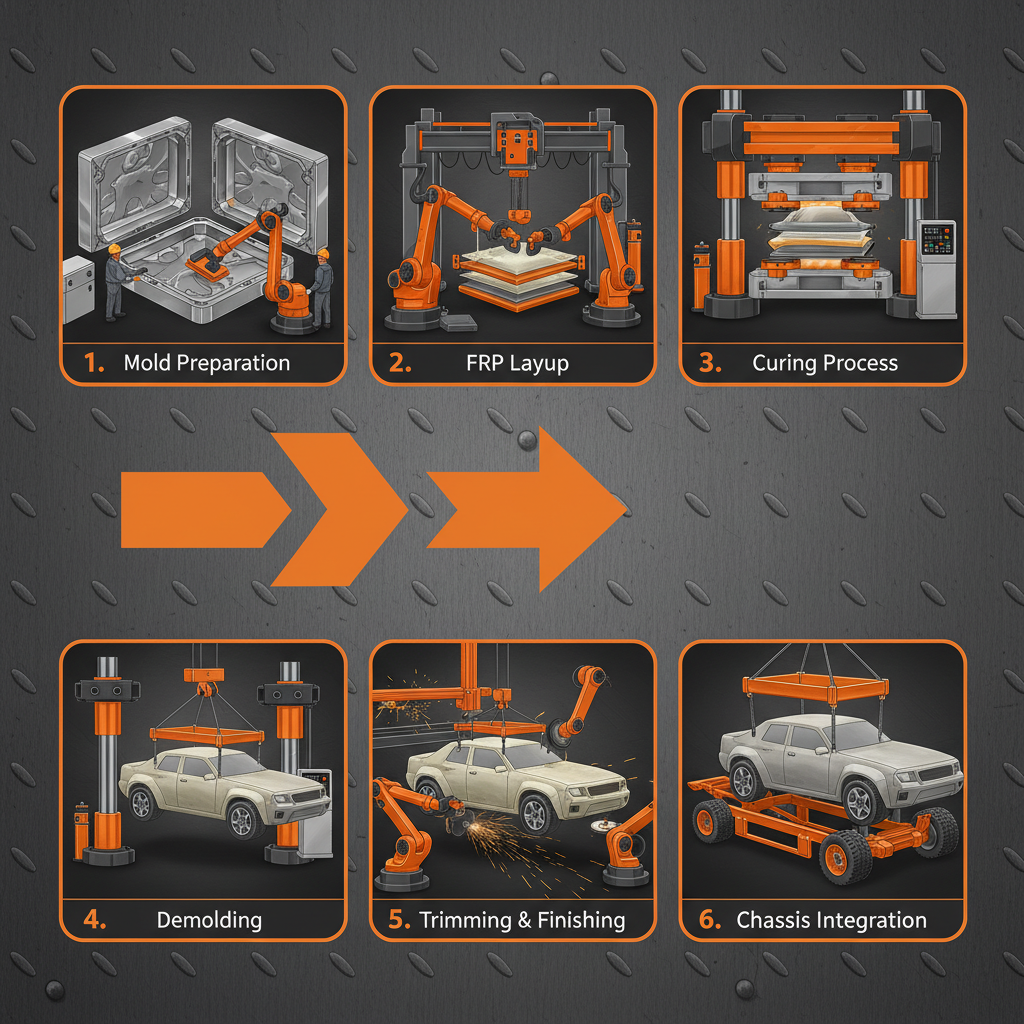
The precise manufacturing process—typically involving filament winding, resin transfer molding, or centrifugal casting—dictates the pipe’s ultimate properties and performance characteristics. Understanding these processes is key to selecting the right fiberglass pipe for a given application.
Core Components of Fiberglass Pipe
The performance of fiberglass pipe hinges on the quality and interplay of its core components. Firstly, the glass fibers – commonly E-glass, S-glass, or AR-glass – provide tensile strength and rigidity. Different glass fiber types offer varying levels of strength and chemical resistance. Secondly, the resin matrix – typically polyester, vinyl ester, or epoxy – binds the fibers, distributes loads, and protects them from moisture and corrosion.
The veil layer, a thin layer of fine glass fibers, provides a smooth inner surface, improving flow characteristics and reducing friction. The structural layer, consisting of thicker glass fiber reinforcements, dictates the pipe’s overall strength and pressure-bearing capacity. Finally, the outer coating offers UV protection and further enhances resistance to abrasion and environmental degradation.
The precise formulation and layering of these components determine the pipe’s ability to withstand specific operating conditions and ensure long-term reliability.
Key Performance Characteristics
Fiberglass pipe demonstrates superior corrosion resistance compared to metals, making it ideal for handling corrosive fluids and operating in harsh environments. This durability translates into significantly reduced maintenance costs and extended service life. Its lightweight nature – typically 25-30% the weight of steel – simplifies installation, reduces transportation costs, and minimizes the need for heavy lifting equipment.
Fiberglass Pipe Performance Metrics
Global Applications and Use Cases
Fiberglass pipe is widely used in municipal water and sewer systems, providing reliable and leak-free conveyance of potable water and wastewater. It's also crucial in industrial applications, such as chemical processing plants, where its corrosion resistance protects against aggressive chemicals and ensures long-term operational safety.
In remote industrial zones, like oil and gas fields, the lightweight and ease of installation of fiberglass pipe reduce logistical costs and project timelines. In post-disaster relief operations, fiberglass pipe provides a rapid and efficient solution for establishing emergency water supplies and sanitation systems, contributing to public health and recovery efforts. Furthermore, it’s finding increasing use in power generation plants for cooling water systems.
Advantages and Long-Term Value
The initial cost of fiberglass pipe may be higher than some traditional materials, but the long-term benefits far outweigh this initial investment. Reduced maintenance costs, stemming from its corrosion resistance, significantly lower lifecycle costs. Its lightweight nature minimizes installation expenses and facilitates faster project completion times.
Beyond economic advantages, fiberglass pipe contributes to sustainability by reducing the need for frequent replacements and minimizing environmental impact. The material's durability ensures long-term reliability, enhancing safety and preventing disruptions to critical infrastructure. Investing in fiberglass pipe is an investment in resilience and responsible infrastructure development.
From a social impact perspective, reliable water and sanitation systems built with fiberglass pipe improve public health and quality of life, particularly in underserved communities.
Future Trends and Innovations
The future of fiberglass pipe is intertwined with advancements in materials science and manufacturing techniques. Ongoing research focuses on developing bio-based resins to enhance sustainability and reduce reliance on fossil fuels. Smart pipe technologies, incorporating sensors for leak detection and structural health monitoring, are emerging, providing real-time data and proactive maintenance capabilities.
Digital transformation plays a crucial role, with the use of digital twins for pipe network modeling and optimization. Automation in the manufacturing process will drive down production costs and improve quality control. Aligned with global sustainability goals, innovations in fiberglass pipe will contribute to building more resilient, efficient, and environmentally friendly infrastructure.
Challenges and Solutions
Despite its numerous advantages, fiberglass pipe faces some challenges. One key concern is the potential for degradation due to prolonged UV exposure, which necessitates protective coatings or burial. Another limitation is the susceptibility to damage from localized impacts, particularly during handling and installation.
Solutions include developing more robust UV-resistant resins and implementing rigorous quality control procedures throughout the manufacturing and installation processes. Innovative repair techniques, such as composite wraps and sleeves, can address localized damage without requiring full pipe replacement. Continued research and development are essential to overcome these challenges and unlock the full potential of fiberglass pipe.
Addressing these issues through collaborative efforts between manufacturers, engineers, and end-users will pave the way for wider adoption and more effective implementation of this versatile material.
Summary of Fiberglass Pipe Challenges and Solutions
| Challenge |
Impact Severity (1-10) |
Proposed Solution |
Implementation Cost (1-10) |
| UV Degradation |
7 |
UV-Resistant Coatings |
4 |
| Impact Damage |
6 |
Protective Handling Procedures |
3 |
| Joint Integrity |
5 |
Advanced Joint Designs |
6 |
| High Initial Cost |
4 |
Lifecycle Cost Analysis |
1 |
| Limited Repair Options |
5 |
Composite Repair Systems |
5 |
| Installation Complexity |
3 |
Standardized Installation Training |
2 |
FAQS
Fiberglass pipe offers several key advantages. Its inherent corrosion resistance eliminates the need for costly coatings and cathodic protection, significantly extending its lifespan. It’s also considerably lighter than steel, reducing installation costs and logistical challenges. Furthermore, fiberglass pipe boasts excellent chemical resistance and can be tailored to specific application requirements, making it a versatile and durable alternative.
Installation of fiberglass pipe is generally faster and easier than steel pipe due to its lighter weight. Fewer heavy lifting machines and personnel are required. It’s typically joined using a variety of methods, including flange connections, mechanical couplings, or adhesive bonding, depending on the application. Proper handling and support are crucial to prevent damage during installation, but overall, it's a more streamlined process.
The lifespan of a fiberglass pipe system is typically 50-100 years, significantly exceeding that of many traditional materials. Its corrosion resistance and durable construction contribute to its longevity. However, the actual lifespan depends on factors such as operating conditions, fluid characteristics, and adherence to proper installation and maintenance practices. Regular inspections can help ensure optimal performance over the long term.
Yes, fiberglass pipe is suitable for potable water applications, provided it meets relevant industry standards and certifications, such as NSF/ANSI 61. The resin used in the pipe must be approved for contact with drinking water. Fiberglass pipe doesn’t leach harmful chemicals into the water, ensuring safe and reliable conveyance of potable water supplies.
Fiberglass pipe offers several environmental advantages. Its long lifespan reduces the need for frequent replacements, minimizing waste generation. The manufacturing process, while energy-intensive, can be optimized for sustainability. Furthermore, the reduced weight of fiberglass pipe lowers transportation costs and fuel consumption. Its corrosion resistance eliminates leaks, preventing contamination of soil and groundwater.
While the initial cost of fiberglass pipe might be higher than steel, its lifecycle cost is often lower. Reduced maintenance, corrosion resistance, and extended lifespan contribute to significant cost savings over the long term. The lower installation costs, stemming from its lighter weight, further enhance its economic benefits. A comprehensive lifecycle cost analysis will typically demonstrate the superior value of fiberglass pipe.
Conclusion
Fiberglass pipe represents a significant advancement in piping technology, offering a compelling combination of strength, durability, and corrosion resistance. Its wide range of applications, from municipal water systems to industrial processing plants, demonstrates its versatility and adaptability. By embracing this innovative material, we can build more sustainable, resilient, and cost-effective infrastructure for the future.
Investing in fiberglass pipe isn’t merely a material choice; it’s a commitment to long-term performance, reduced environmental impact, and enhanced public safety. As technology continues to advance and new applications emerge, fiberglass pipe will undoubtedly play an increasingly vital role in shaping a more sustainable and efficient world. For more information and to explore our product offerings, visit our website at fiberglass pipe.