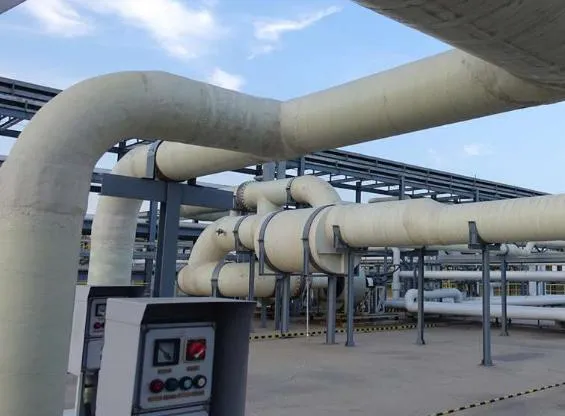
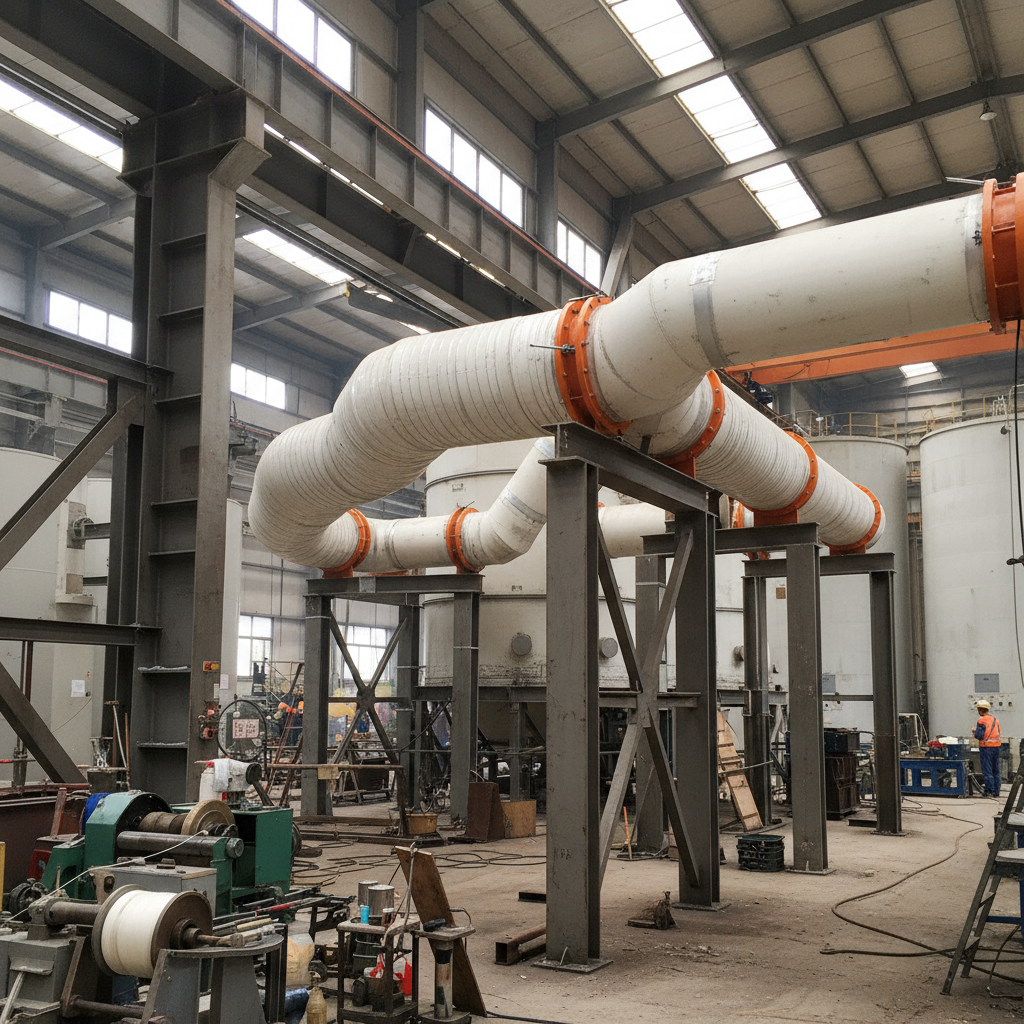
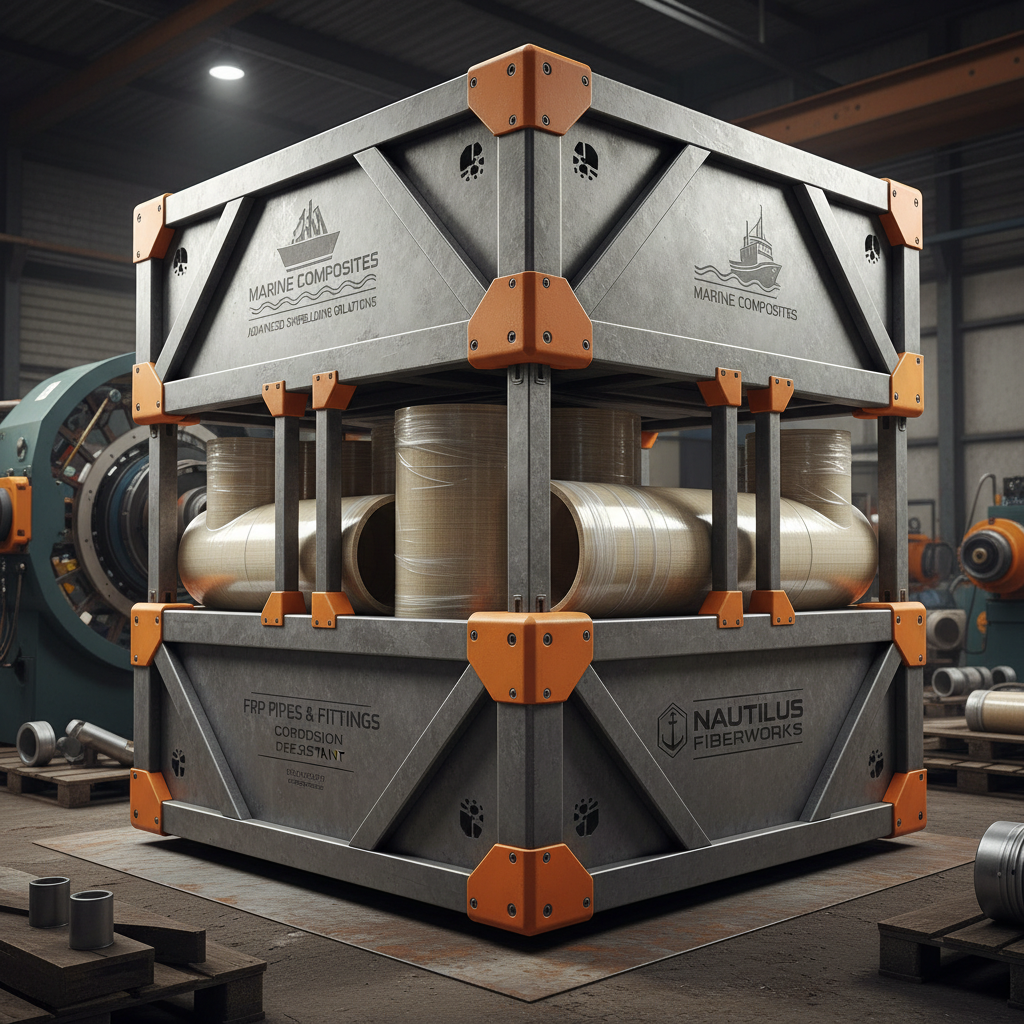
Fiber Reinforced Polymer (FRP) insulation tanks represent a crucial advancement in storage solutions across diverse industries. These tanks, engineered with a combination of thermosetting resins and reinforcing fibers, offer a compelling alternative to traditional materials like steel and stainless steel, particularly when dealing with corrosive substances or demanding environmental conditions. The growing need for durable, lightweight, and cost-effective storage solutions, coupled with increasing environmental regulations, fuels the demand for frp insulation tank technology globally.
The global market for industrial tanks is experiencing significant growth, driven by factors such as expanding chemical processing, water treatment, and oil & gas sectors. According to recent reports, the FRP tank market alone is projected to reach multi-billion dollar valuations in the coming years. This growth is particularly prominent in emerging economies where infrastructure development is rapid, and efficient, long-lasting storage solutions are critical. frp insulation tank is key for addressing these needs.
Understanding the intricacies of frp insulation tank – from material selection and fabrication processes to application-specific design considerations – is paramount for engineers, project managers, and procurement specialists aiming to optimize storage infrastructure and ensure long-term operational efficiency and safety. Proper implementation of these tanks can significantly reduce maintenance costs, environmental risks, and overall lifecycle expenses.
Introduction to frp insulation tank
frp insulation tank are designed to safeguard stored materials against external temperature fluctuations. They integrate advanced insulation materials with the inherent benefits of FRP construction, enhancing the storage capabilities for temperature-sensitive liquids and gases. These tanks are particularly useful in applications where maintaining consistent internal temperatures is critical, such as in the chemical industry, pharmaceuticals, and food processing.
The effective temperature control achieved by frp insulation tank not only preserves the quality and integrity of stored substances, but also minimizes energy loss. This translates to significant cost savings and reduced environmental impact. Furthermore, the lightweight nature of FRP combined with effective insulation simplifies transportation and installation, contributing to overall project efficiency.
Defining frp insulation tank
A frp insulation tank is a storage vessel constructed using Fiber Reinforced Polymer (FRP) materials, specifically engineered to incorporate an insulation layer. FRP itself is a composite material made by combining a polymer matrix (like epoxy, vinyl ester, or polyester) with reinforcing fibers (such as fiberglass, carbon fiber, or aramid fiber). The insulation layer, typically consisting of materials like polyurethane foam, polystyrene, or mineral wool, surrounds the inner FRP shell.
This combination provides a storage solution that is not only resistant to corrosion and lightweight but also maintains a stable internal temperature. Unlike traditional metal tanks, frp insulation tank eliminate the risk of rust and require minimal maintenance. The insulation component reduces heat transfer, preventing temperature swings that could affect the stored product.
The application of frp insulation tank is deeply connected to modern industrial needs. From storing cryogenic liquids to maintaining the quality of pharmaceutical ingredients, these tanks address critical requirements across numerous sectors. The increasing emphasis on efficient energy utilization and sustainable practices further enhances their relevance in today’s world.
Core Components & Characteristics
Several key characteristics define the performance and suitability of frp insulation tank. First, the choice of resin dictates the tank's chemical resistance. Vinyl ester resins are often preferred for highly corrosive environments, while epoxy resins offer superior mechanical strength. Second, the type of reinforcing fiber impacts the tank's structural integrity; fiberglass is cost-effective, while carbon fiber provides exceptional strength-to-weight ratios.
The insulation layer is equally critical. Polyurethane foam provides excellent thermal resistance, while polystyrene offers a balance of cost and performance. Proper insulation thickness is determined by the specific temperature control requirements of the application. Furthermore, the bonding between the FRP shell and the insulation layer must be robust to ensure long-term performance and prevent delamination.
Finally, design features such as nozzles, manways, and supports must be carefully engineered to maintain the tank’s structural integrity and prevent stress concentrations. All components must be compatible with the stored media and the operating environment. Careful consideration of these components is necessary to ensure long-term reliability.
Key Performance Indicators of frp insulation tank
Evaluating the performance of frp insulation tank necessitates assessing several critical indicators. Thermal conductivity, measured in W/mK, quantifies the rate of heat transfer through the tank wall. Lower values indicate better insulation performance. Another important metric is the U-factor, which represents the overall heat transfer coefficient.
Mechanical strength, determined through tensile and compressive testing, ensures the tank can withstand operating pressures and external loads. Corrosion resistance, evaluated via exposure tests to specific chemicals, verifies the tank’s longevity in harsh environments. Finally, the long-term stability of the insulation layer, assessed through accelerated aging tests, confirms its continued effectiveness over time.
frp insulation tank Performance Comparison
Global Applications & Industry Use Cases
The versatility of frp insulation tank extends across a wide spectrum of industries. In the chemical processing sector, they are used to store corrosive acids, alkalis, and solvents, safeguarding both the product and the environment. The pharmaceutical industry leverages them for storing temperature-sensitive drugs and biologics, ensuring product efficacy and compliance.
The oil & gas industry employs frp insulation tank for storing crude oil, refined fuels, and wastewater, mitigating corrosion risks and minimizing environmental impact. In water treatment facilities, they store chlorine, sodium hypochlorite, and other disinfection chemicals. Even the food and beverage industry utilizes them for storing ingredients and finished products that require precise temperature control. These applications span regions globally, from North America and Europe to Asia-Pacific and the Middle East.
Advantages & Long-Term Value Proposition
The advantages of frp insulation tank extend beyond mere storage capabilities. Their lightweight nature significantly reduces installation costs and simplifies transportation logistics. Exceptional corrosion resistance minimizes maintenance requirements and extends service life, leading to substantial cost savings over the tank’s lifecycle. The superior insulation properties reduce energy consumption and maintain product quality.
Furthermore, the inherent safety features of FRP, coupled with the insulation’s ability to prevent temperature excursions, contribute to a safer working environment. From a sustainability perspective, FRP tanks often have a lower carbon footprint compared to traditional materials, aligning with growing environmental consciousness. The overall long-term value proposition of frp insulation tank is compelling, offering a blend of economic, environmental, and safety benefits.
Future Trends & Innovations in frp insulation tank
The future of frp insulation tank is poised for innovation. Research and development efforts are focused on incorporating advanced insulation materials, such as vacuum insulation panels (VIPs) and aerogels, to achieve even higher thermal performance. Smart tank technologies, integrating sensors and data analytics, are emerging to enable real-time monitoring of temperature, pressure, and liquid levels.
The integration of digital twin technology allows for virtual modeling and simulation of tank performance, optimizing design and predicting maintenance needs. Sustainable FRP materials, utilizing bio-based resins and recycled fibers, are gaining traction, promoting circular economy principles. Automation in manufacturing processes will further enhance efficiency and reduce production costs.
FAQS
The lifespan of a frp insulation tank varies depending on the application, the materials used, and maintenance practices. However, properly designed and maintained frp insulation tank can easily last 25-50 years, significantly longer than traditional steel tanks. The corrosion resistance of FRP and the protection offered by the insulation contribute to this extended longevity. Regular inspections and preventative maintenance are crucial for maximizing lifespan.
Yes, frp insulation tank can be designed and manufactured to safely store cryogenic liquids like liquid nitrogen and liquid oxygen. Specific resin formulations and insulation materials are required to withstand the extremely low temperatures. These tanks often incorporate double-walled construction with vacuum insulation to minimize heat transfer and prevent condensation. Specialized design considerations are crucial to ensure safe and reliable operation.
While the initial cost of a frp insulation tank may be higher than a steel tank, the lifecycle costs are often lower. FRP tanks require minimal maintenance due to their corrosion resistance, reducing long-term expenses. The lightweight nature of FRP simplifies installation, saving on labor costs. Furthermore, the superior insulation properties reduce energy consumption and product loss, resulting in ongoing cost savings.
Yes, frp insulation tank can often be repaired, depending on the extent of the damage. Minor cracks or delamination can be repaired using specialized FRP repair kits. However, significant structural damage may require professional assessment and potentially tank replacement. Proper repair procedures are critical to maintain the tank’s integrity and prevent further deterioration.
frp insulation tank are significantly lighter than comparable steel tanks, typically 30-70% lighter. This weight reduction translates to several benefits, including easier transportation, simplified installation, and reduced foundation requirements. The lightweight nature of FRP also minimizes the load on supporting structures, potentially reducing construction costs.
frp insulation tank are often manufactured to meet industry standards such as ASTM, ISO, and ASME. These standards specify requirements for materials, design, fabrication, and testing. Depending on the application, tanks may also require specific certifications related to the stored media, such as FDA approval for food and beverage applications.
Conclusion
In conclusion, frp insulation tank represent a superior storage solution across numerous industries. Their unique combination of corrosion resistance, lightweight construction, and exceptional insulation properties provides substantial economic, environmental, and safety advantages. From chemical processing and pharmaceuticals to oil & gas and water treatment, these tanks address critical storage challenges and contribute to operational efficiency.
Looking ahead, continued innovation in materials, design, and manufacturing processes will further enhance the performance and versatility of frp insulation tank. Embracing these advancements is crucial for organizations seeking to optimize their storage infrastructure, reduce costs, and minimize their environmental impact. To learn more about how frp insulation tank can benefit your operations, visit our website: www.jrain-frp.com.