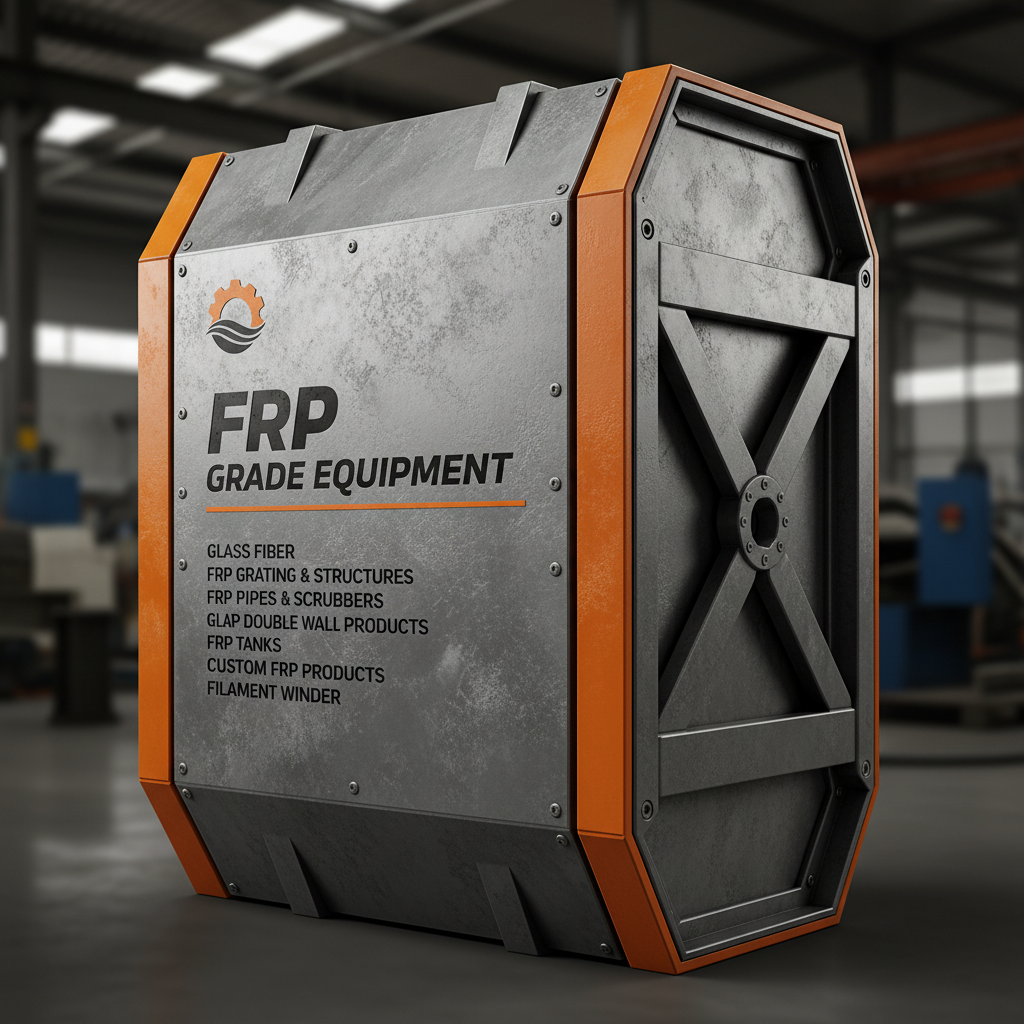
Fiber Reinforced Polymer (FRP) vessels are rapidly becoming integral to a wide spectrum of industries, from chemical processing and water treatment to oil & gas and even renewable energy storage. Their unique combination of strength, lightweight properties, and corrosion resistance offers significant advantages over traditional materials like steel and concrete. Understanding the nuances of frp vessel design, construction, and application is crucial for engineers, project managers, and anyone involved in infrastructure development and process industries.
Globally, the demand for durable, sustainable, and cost-effective infrastructure is increasing exponentially, particularly in developing nations and environmentally sensitive areas. Traditional materials often fall short in meeting these demands due to their susceptibility to corrosion, high maintenance costs, and environmental impact. This drives the adoption of advanced materials like FRP, which address these challenges head-on. The United Nations Sustainable Development Goals (SDGs), particularly those related to clean water and sanitation (SDG 6) and industry, innovation, and infrastructure (SDG 9), are increasingly being supported by FRP solutions.
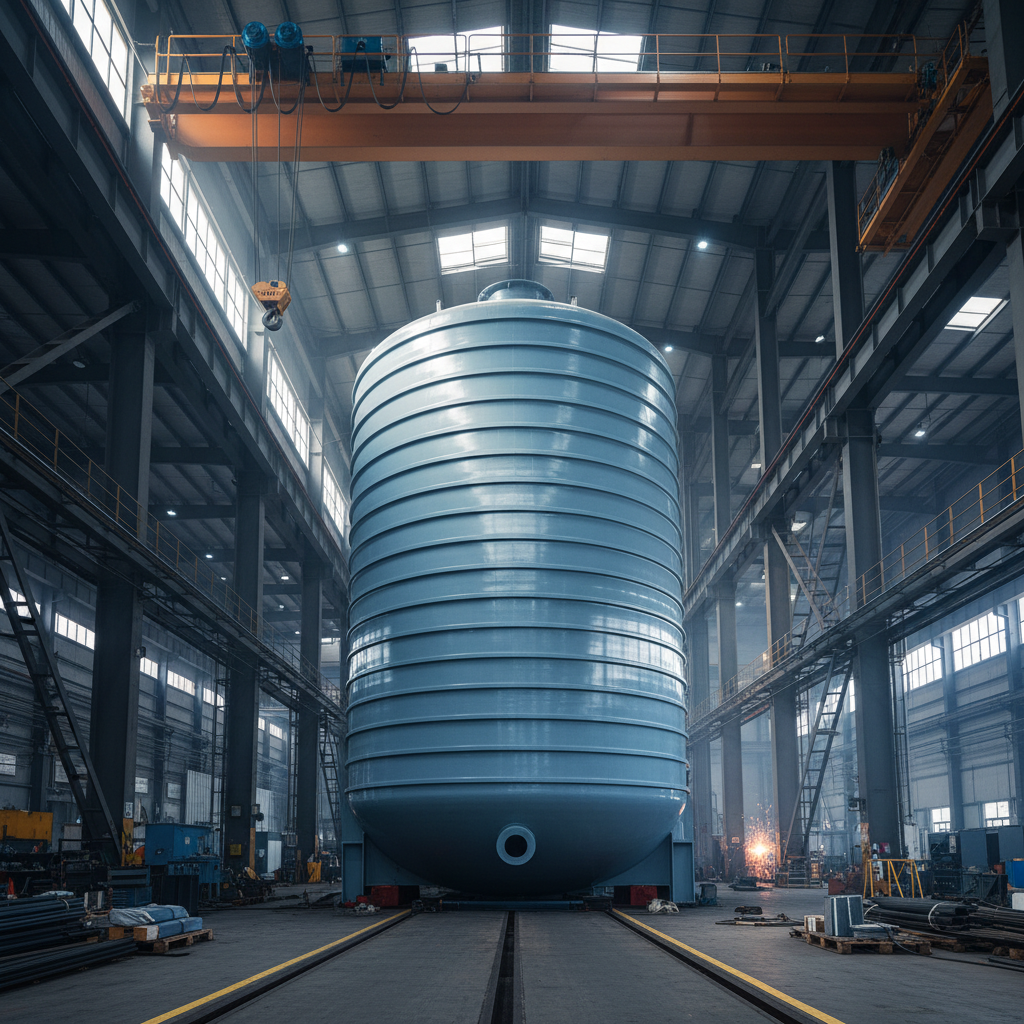
An frp vessel is, fundamentally, a container or tank constructed using a composite material – typically a thermosetting resin reinforced with fibers such as glass, carbon, or aramid. This construction yields a vessel that is significantly lighter than comparable steel vessels, while offering comparable or even superior strength and resistance to corrosive environments. Modern industry and humanitarian efforts alike depend on safe, reliable, and long-lasting storage and processing solutions, and FRP vessels increasingly provide exactly that.
Introduction to frp vessel
The escalating demand for efficient and reliable storage solutions across various industries has positioned frp vessels as a prime choice. Their inherent resistance to corrosion, coupled with a high strength-to-weight ratio, makes them exceptionally well-suited for handling aggressive chemicals, wastewater, and other challenging substances. This is particularly relevant in environments where failure of containment could lead to significant environmental or safety hazards.
Beyond their technical advantages, the life-cycle cost of frp vessels is often lower than traditional materials. Reduced maintenance requirements and a longer service life contribute to substantial long-term savings. This economic benefit, coupled with their environmental friendliness, is driving their adoption in both developed and developing economies.
Defining the frp vessel
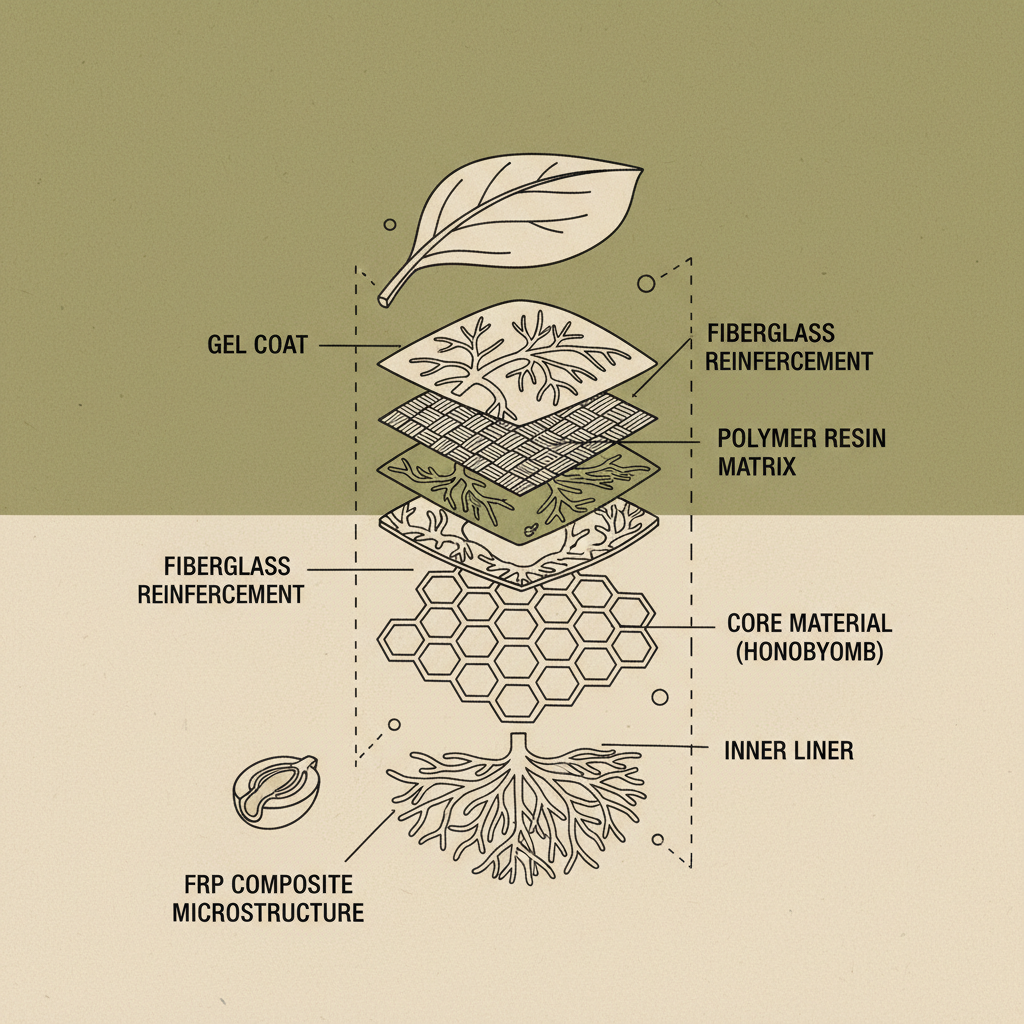
At its core, an frp vessel is a composite structure created by combining a polymer matrix with reinforcing fibers. The polymer, typically a thermosetting resin like polyester, vinyl ester, or epoxy, binds the fibers together and protects them from environmental damage. The fibers – commonly fiberglass, carbon fiber, or aramid fiber – provide the structural strength and rigidity. The precise formulation and arrangement of these materials are tailored to the specific application and performance requirements.
This combination creates a material that overcomes the limitations of both the polymer and the fiber individually. The polymer provides chemical resistance and shape retention, while the fibers deliver exceptional tensile strength and stiffness. This synergy makes frp vessels an ideal solution for applications where both strength and corrosion resistance are paramount.
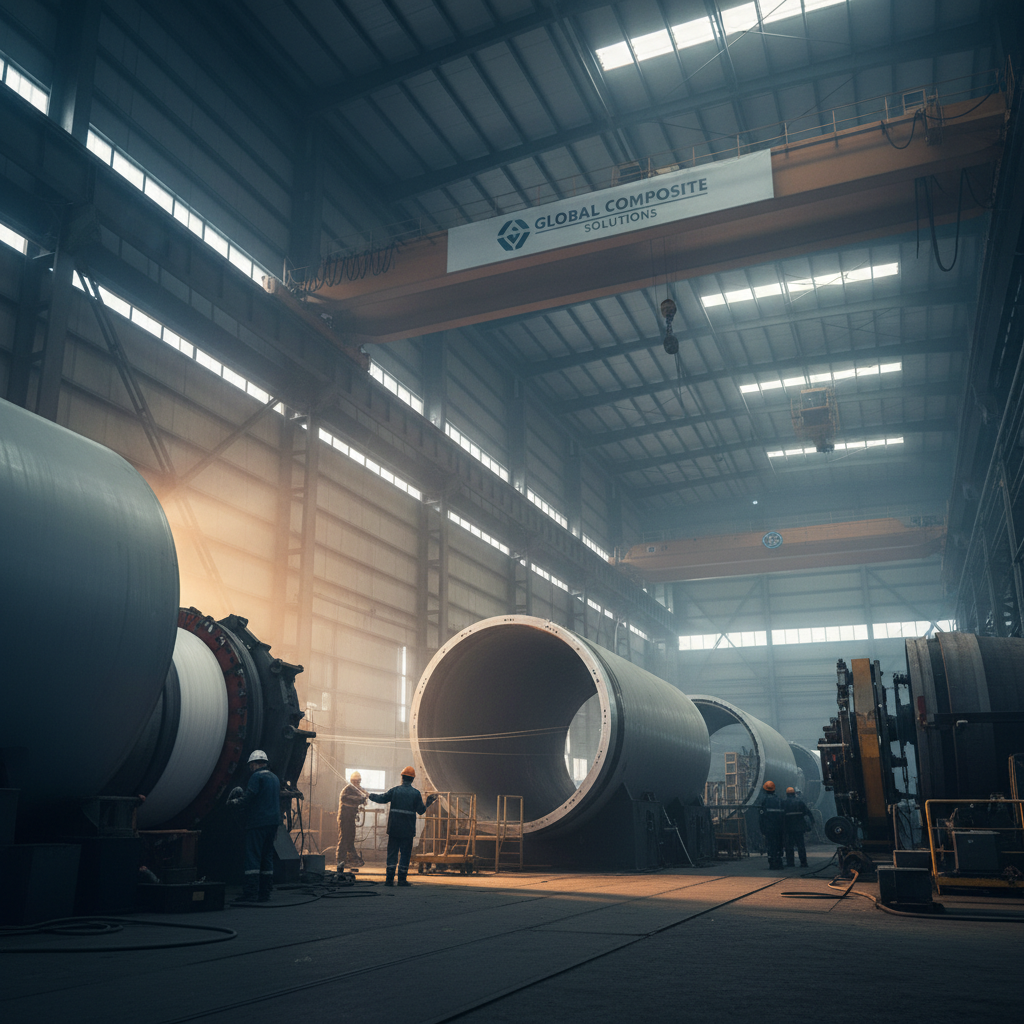
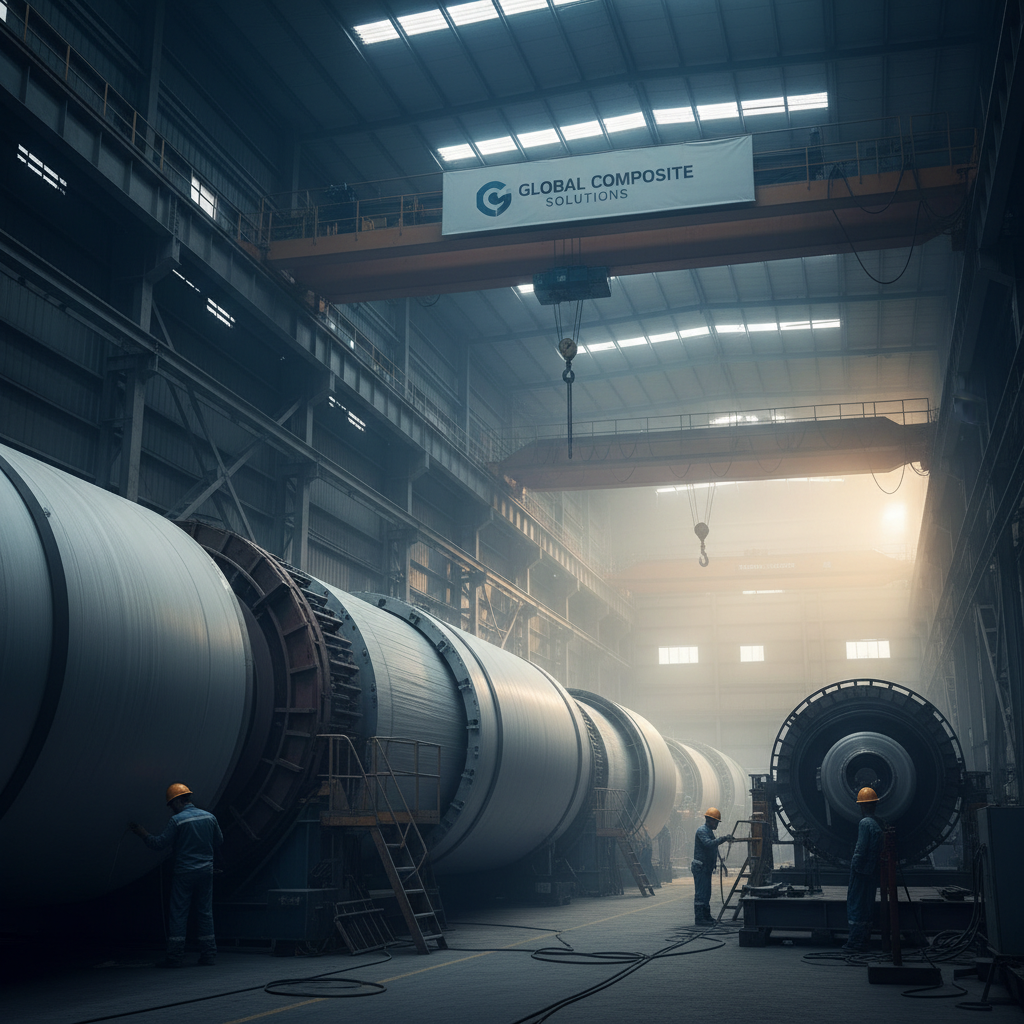
The construction process can vary, including filament winding, hand lay-up, spray-up, and resin transfer molding, each offering different cost-performance trade-offs. Regardless of the method, the result is a lightweight, durable, and corrosion-resistant vessel capable of safely containing a wide range of substances.
Core Components of frp vessel
The exceptional performance of frp vessels stems from the careful selection and integration of several key components. First, the resin system, which acts as the bonding matrix, determines chemical resistance and overall structural integrity. Different resins offer varying levels of protection against specific chemicals and temperature ranges.
Reinforcing fibers are the backbone of the vessel's strength. Fiberglass is the most common and cost-effective option, providing good all-around performance. Carbon fiber offers superior strength and stiffness but at a higher cost. Aramid fibers, like Kevlar, provide exceptional impact resistance. The choice of fiber depends on the specific load requirements and operating conditions.
The final crucial element is the manufacturing process, which dictates the fiber orientation and resin distribution. Optimized fiber placement maximizes strength in critical areas and minimizes material waste. Proper curing of the resin is also essential to achieve the desired mechanical properties.
Applications of frp vessel
frp vessels find widespread application across a diverse range of industries. In the chemical processing industry, they are used for storing and transporting corrosive acids, alkalis, and solvents. Their resistance to chemical attack ensures long-term reliability and minimizes the risk of leaks and spills. They are also heavily employed in water and wastewater treatment plants for storing and processing various chemicals and treated water.
The oil and gas sector leverages frp vessels for storage tanks, pipelines, and offshore platforms, capitalizing on their corrosion resistance in harsh marine environments. Furthermore, renewable energy applications, such as hydrogen storage, are increasingly adopting FRP technology due to its compatibility with hydrogen gas and its lightweight nature.
frp vessel Application Distribution
Advantages and Value of frp vessel
The advantages of utilizing frp vessels are substantial and extend beyond simply material properties. The lightweight nature significantly reduces transportation and installation costs, particularly for large-capacity vessels. Furthermore, the inherent corrosion resistance minimizes the need for expensive coatings and linings, reducing long-term maintenance expenses.
Beyond cost savings, FRP offers a compelling sustainability profile. Its long service life reduces the frequency of replacement, minimizing waste generation. The reduced weight also translates to lower energy consumption during transportation and operation. These factors contribute to a smaller environmental footprint and align with growing corporate sustainability initiatives.
Future Trends in frp vessel
The future of frp vessel technology is poised for significant advancement. Ongoing research and development are focused on incorporating bio-based resins, reducing the reliance on fossil fuels and further enhancing the sustainability profile. The integration of smart sensors and digital monitoring systems will enable real-time performance tracking and predictive maintenance, maximizing vessel lifespan and minimizing downtime.
Automation in the manufacturing process will further drive down costs and improve consistency. The adoption of advanced fiber reinforcement techniques, such as nanotechnology, will unlock new levels of strength and durability. These innovations will broaden the application scope of frp vessels, making them an increasingly attractive alternative to traditional materials.
Challenges & Solutions with frp vessel
Despite the numerous advantages, certain challenges remain in the widespread adoption of frp vessels. One common concern is the initial cost, which can be higher than steel in some cases. However, a comprehensive life-cycle cost analysis often reveals that FRP offers a more economical solution over the long term.
Another challenge is the need for specialized expertise in design, fabrication, and installation. Addressing this requires increased training and certification programs for engineers and technicians. Furthermore, developing standardized testing and quality control procedures will build confidence in the reliability and performance of FRP vessels.
Finally, ensuring compatibility with various chemicals and operating conditions demands careful material selection and thorough testing. Collaboration between resin manufacturers, fiber suppliers, and vessel fabricators is crucial to optimize material formulations and address specific application requirements.
Summary of Key Challenges & Solutions for frp vessel
| Challenge |
Impact on frp vessel Adoption |
Proposed Solution |
Implementation Difficulty (1-10) |
| Higher Initial Cost |
Discourages initial investment. |
Life-cycle cost analysis; demonstrate long-term savings. |
5 |
| Lack of Specialized Expertise |
Compromises design, fabrication, and installation quality. |
Expanded training and certification programs. |
7 |
| Standardization of Testing |
Creates uncertainty regarding performance and reliability. |
Develop and implement standardized testing protocols. |
6 |
| Chemical Compatibility |
Risk of corrosion or material degradation. |
Thorough material selection and testing for specific applications. |
8 |
| Design Complexity |
Requires advanced engineering tools and expertise. |
Utilize specialized FRP design software. |
6 |
| Limited Repair Options |
Makes damage control more challenging. |
Develop and implement FRP repair techniques. |
7 |
FAQS
FRP vessels offer significant advantages over steel tanks, including a substantially higher strength-to-weight ratio, exceptional corrosion resistance, and lower maintenance requirements. Unlike steel, FRP doesn’t rust or corrode, eliminating the need for protective coatings and reducing the risk of leaks and contamination. The lighter weight also reduces transportation and installation costs, making FRP a cost-effective long-term solution.
FRP vessels are compatible with a wide range of chemicals, but proper resin selection is crucial. Depending on the resin system (polyester, vinyl ester, epoxy), FRP can safely store acids, alkalis, solvents, and other corrosive substances. It's important to consult a chemical compatibility chart and conduct testing to ensure the chosen resin is suitable for the specific chemical being stored.
The lifespan of an FRP vessel varies depending on the application, operating conditions, and maintenance practices. However, with proper design, fabrication, and maintenance, FRP vessels can typically last 25-50 years or even longer. This is significantly longer than the lifespan of many steel tanks, particularly in corrosive environments.
Several manufacturing processes are used to create FRP vessels, including filament winding, hand lay-up, spray-up, and resin transfer molding. Filament winding is commonly used for cylindrical vessels, while hand lay-up is suitable for complex shapes. Resin transfer molding offers high precision and quality. The choice of process depends on factors like vessel size, shape, and production volume.
Yes, FRP vessels are considered environmentally friendly due to their long lifespan, reduced maintenance requirements, and potential for using bio-based resins. Their corrosion resistance minimizes the risk of leaks and spills, protecting the environment. Additionally, their lightweight nature reduces transportation energy consumption.
Yes, FRP vessels can often be repaired, although the repair process requires specialized expertise. Common repair techniques include patching, grinding, and re-lamination. The extent of repairability depends on the severity and location of the damage. It's crucial to follow established repair procedures to maintain the structural integrity of the vessel.
Conclusion
In conclusion, frp vessels represent a transformative technology in the realm of storage and processing solutions. Their exceptional combination of strength, corrosion resistance, lightweight properties, and long-term cost-effectiveness makes them an increasingly attractive alternative to traditional materials. As industries grapple with the challenges of sustainability, infrastructure aging, and demanding operating conditions, FRP vessels are poised to play an increasingly vital role.
Looking ahead, continued innovation in materials science, manufacturing processes, and digital monitoring technologies will further enhance the performance and broaden the applications of FRP vessels. Embracing these advancements is essential for realizing the full potential of this remarkable technology and building a more sustainable and resilient future. For expert guidance and tailored solutions, visit our website: www.jrain-frp.com.