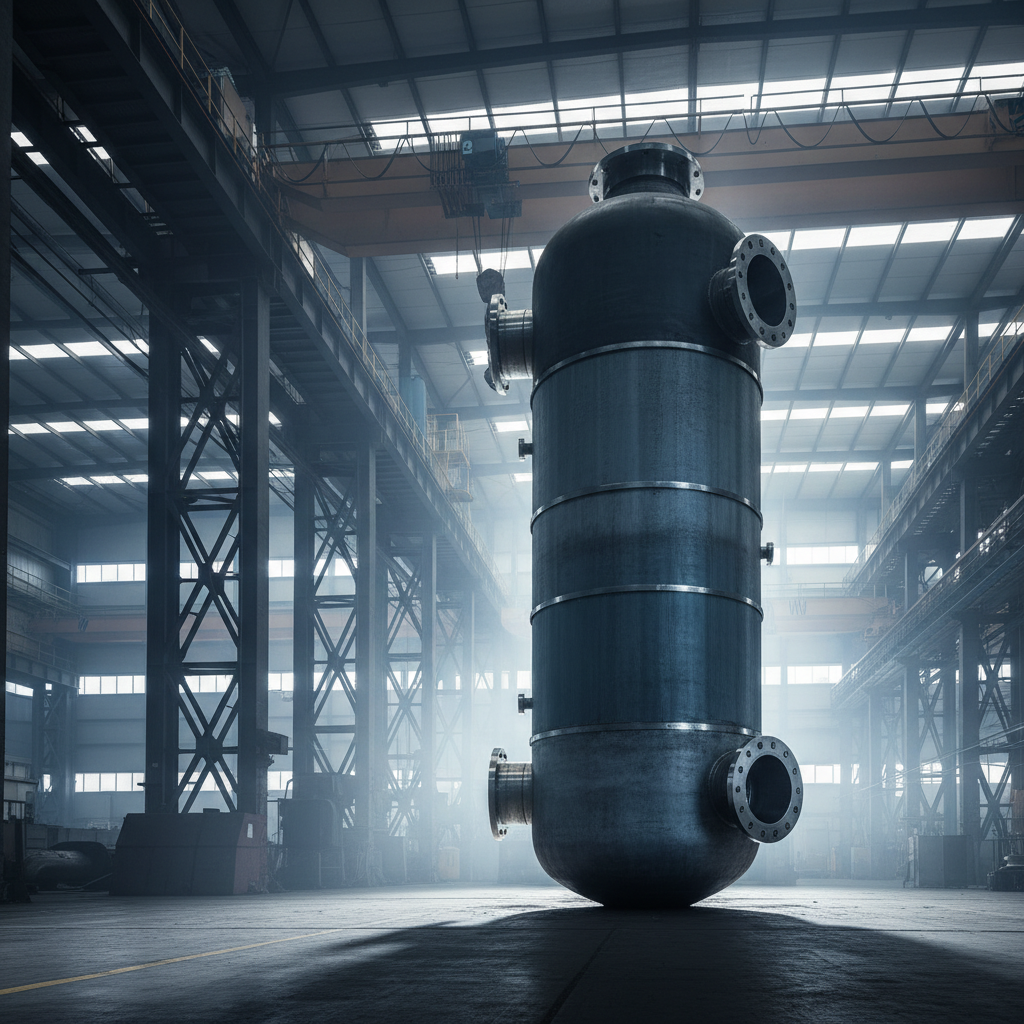
frp rectangular tank solutions are rapidly gaining prominence across diverse sectors globally, offering robust and cost-effective storage and processing capabilities. From wastewater treatment plants to agricultural applications and chemical storage, the demand for these tanks is driven by their inherent advantages over traditional materials like steel and concrete. This increasing adoption reflects a growing need for corrosion resistance, lightweight materials, and customizable solutions in critical infrastructure and industrial processes. The global market for FRP tanks is projected to continue its expansion, spurred by stringent environmental regulations and a focus on sustainable infrastructure development.
The versatility of frp rectangular tank allows for tailored designs to meet specific client needs, regardless of scale. This adaptability extends to various configurations, including multiple compartments, custom fittings, and integrated monitoring systems. Industries are increasingly recognizing the long-term cost savings associated with FRP tanks due to reduced maintenance and extended service life, making them an attractive alternative to conventional materials. Understanding the core benefits and applications of these tanks is crucial for professionals involved in infrastructure planning, environmental management, and industrial engineering.
Ultimately, the widespread integration of frp rectangular tank is a testament to its ability to address pressing challenges related to infrastructure durability, environmental protection, and operational efficiency.
Introduction to frp rectangular tank
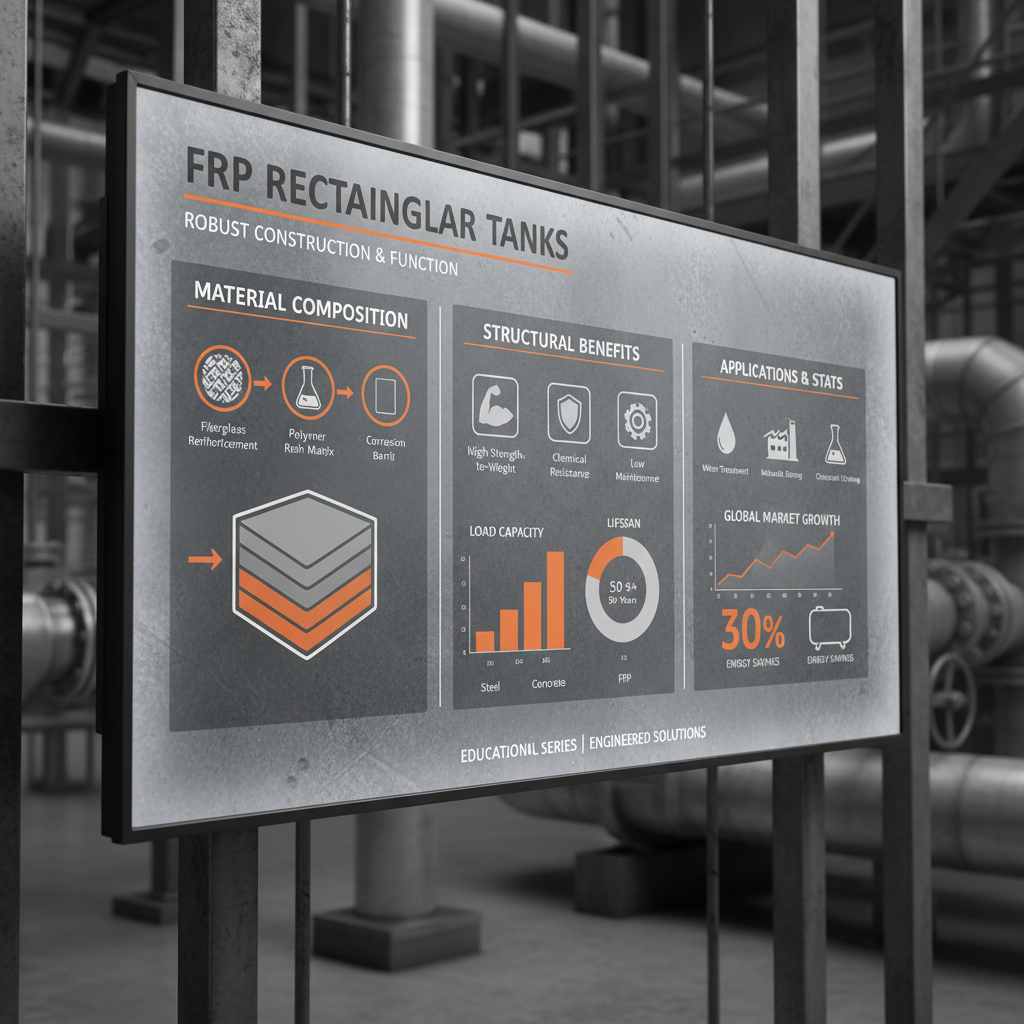
frp rectangular tank represent a significant advancement in storage and processing technology, providing a durable and chemically resistant alternative to traditional materials. Their design is optimized for efficient space utilization and ease of installation, making them suitable for a broad range of applications. These tanks are crafted utilizing fiber-reinforced polymer composites, typically involving resins like polyester, vinyl ester, or epoxy combined with reinforcing fibers such as fiberglass.
The widespread adoption of these tanks is not merely a matter of material science but also of economic viability and environmental consciousness. They minimize the risk of corrosion, reducing long-term maintenance costs and preventing leaks that could contaminate soil and water resources. This inherent sustainability, coupled with their lightweight nature and ease of customization, positions frp rectangular tank as a pivotal component of modern industrial and environmental infrastructure.
Defining frp rectangular tank
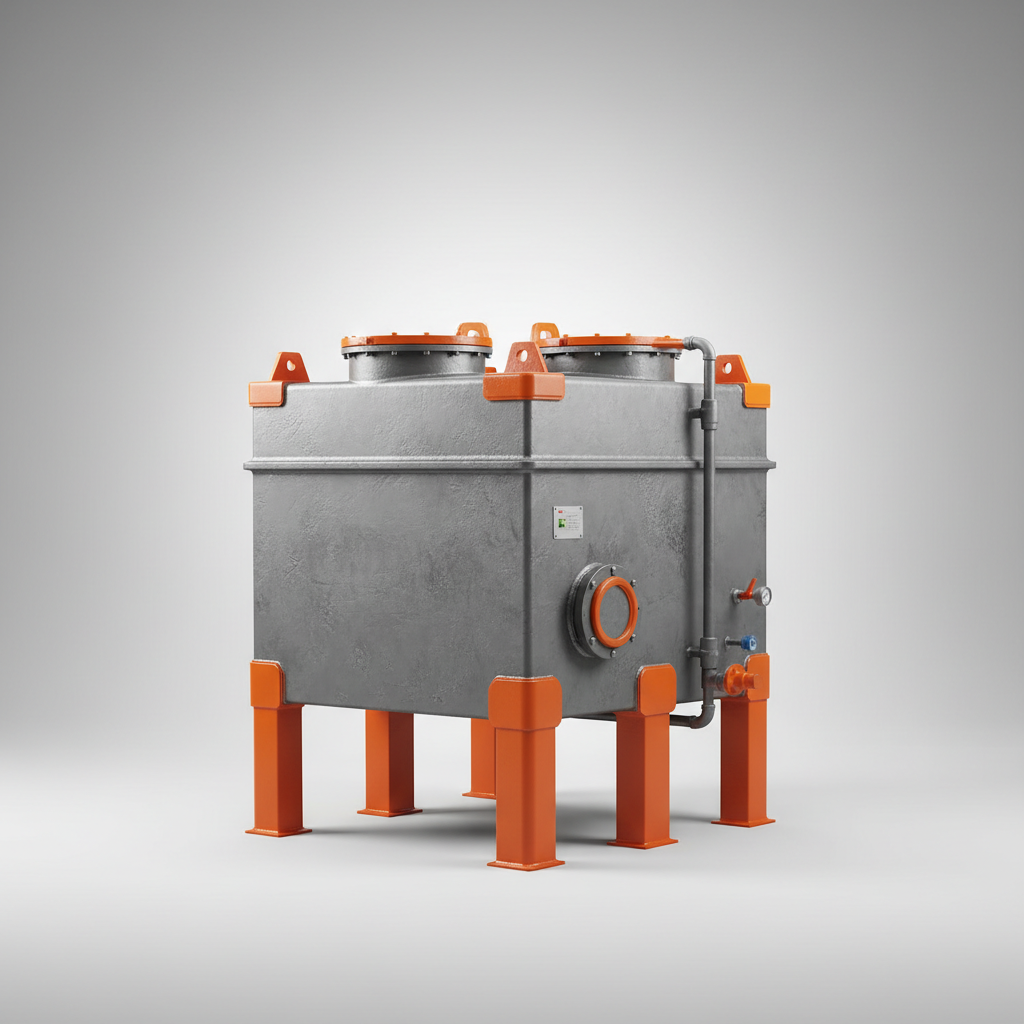
An frp rectangular tank is a container constructed using fiber-reinforced polymer (FRP) composites, molded into a rectangular shape. Unlike traditional tanks made from steel or concrete, FRP tanks utilize a combination of reinforcing fibers (such as fiberglass) embedded in a resin matrix (polyester, vinyl ester, or epoxy) to achieve exceptional strength, durability, and chemical resistance. The rectangular configuration maximizes space utilization, particularly in confined areas.
These tanks play a vital role in modern industry and humanitarian efforts by providing safe and reliable storage for a variety of liquids and solids, ranging from potable water and corrosive chemicals to wastewater and agricultural fertilizers. Their lightweight nature simplifies transportation and installation, making them ideal for remote locations or projects with tight deadlines.
The defining characteristic of an frp rectangular tank is its ability to withstand harsh environmental conditions and aggressive chemical exposures without significant degradation, extending its lifespan and reducing the need for frequent repairs or replacements.
Key Factors of frp rectangular tank
Durability: frp rectangular tank exhibit exceptional resistance to corrosion, impact, and fatigue, significantly extending their service life compared to traditional materials. The FRP composite materials are inherently inert and do not rust or corrode when exposed to a wide range of chemicals and environmental conditions.
Scalability: These tanks can be manufactured in a wide range of sizes and configurations to meet specific project requirements. From small, portable units to large, multi-compartment systems, frp rectangular tank offer unparalleled flexibility in design and implementation. Customization options include fittings, access ports, and integrated monitoring systems.
Cost Efficiency: While the initial investment might be comparable to or slightly higher than traditional tanks, the long-term cost savings associated with reduced maintenance, extended service life, and minimal downtime make frp rectangular tank a financially sound choice. The elimination of corrosion-related repairs and replacements contributes significantly to overall cost efficiency.
Global Applications of frp rectangular tank
frp rectangular tank are deployed across numerous industries and applications globally. In the chemical processing industry, they provide safe and reliable storage for aggressive chemicals, preventing leaks and ensuring environmental compliance. In wastewater treatment plants, they serve as settling tanks, clarifiers, and digesters, handling corrosive effluents without degradation.
Agricultural sectors utilize these tanks for fertilizer storage and irrigation water holding, benefiting from their corrosion resistance and long-term durability. Remote industrial zones and mining operations rely on frp rectangular tank for water storage and chemical containment due to their ease of transportation and installation.
In post-disaster relief operations, portable frp rectangular tank provide a critical source of clean water for affected communities. Furthermore, they're increasingly utilized in aquaculture for fish farming and in the pulp and paper industry for chemical storage and process tanks.
Application Efficiency of frp rectangular tank
Advantages and Value of frp rectangular tank
The tangible benefits of utilizing frp rectangular tank are numerous. Cost savings are realized through reduced maintenance expenses, minimized downtime for repairs, and extended lifespan. Sustainability is enhanced by the elimination of corrosion and the reduced need for frequent replacements, contributing to lower waste generation.
The inherent safety of these tanks – preventing leaks and protecting against chemical exposure – fosters a secure working environment and safeguards public health. The reliability of frp rectangular tank builds trust among stakeholders, ensuring consistent performance and minimizing operational disruptions. The innovation embodied in these composite materials represents a commitment to technological advancement and responsible resource management.
Future Trends in frp rectangular tank
Several exciting trends are shaping the future of frp rectangular tank. The integration of smart sensors and IoT technology will enable real-time monitoring of tank levels, pressure, and temperature, optimizing operational efficiency and preventing potential failures. Research into bio-based resins and recycled fiber reinforcement materials is driving the development of more sustainable and environmentally friendly FRP composites.
Automation in the manufacturing process, including robotic winding and automated resin infusion, will enhance production efficiency and reduce costs. Digital twin technology will allow for virtual modeling and simulation of tank performance, facilitating design optimization and predictive maintenance. These advancements will further solidify the position of frp rectangular tank as a leading solution for fluid and chemical storage.
Challenges and Solutions for frp rectangular tank
Despite their numerous advantages, frp rectangular tank face certain challenges. The initial cost can be higher than traditional materials, although the long-term cost savings often offset this. Ensuring proper installation and quality control is critical to prevent leaks and structural failures. Limited awareness and understanding of FRP technology among some users can also hinder adoption.
Solutions include promoting life-cycle cost analysis to demonstrate the economic benefits of FRP tanks, investing in training and certification programs for installers, and educating potential users about the technology’s advantages. Continued research into new materials and manufacturing processes will further reduce costs and enhance performance. Standardization of design and manufacturing practices will also contribute to greater acceptance and wider adoption of frp rectangular tank.
Addressing these challenges proactively will unlock the full potential of these versatile and sustainable storage solutions, paving the way for their increased utilization across a broader range of industries and applications.
Summary of Common Challenges and Corresponding Solutions for frp rectangular tank
| Challenge |
Impact on frp rectangular tank Performance |
Proposed Solution |
Implementation Cost (1-10) |
| High Initial Cost |
May deter potential buyers |
Life-cycle cost analysis, demonstrating long-term savings |
3 |
| Installation Quality Control |
Can lead to leaks or structural failure |
Certified installer programs, rigorous inspection protocols |
5 |
| Lack of Awareness |
Slows down adoption rates |
Educational campaigns, case studies, industry events |
4 |
| Material Degradation |
Reduced lifespan and performance |
UV protective coatings, selection of appropriate resin systems |
6 |
| Design Complexity |
Requires specialized engineering expertise |
Utilizing advanced modeling software, collaborating with experienced FRP designers |
7 |
| Standardization Limitations |
Hinders interoperability and comparison |
Developing industry-wide standards for design, manufacturing, and testing |
8 |
FAQS
frp rectangular tank offer several key advantages over steel, including superior corrosion resistance, a significantly lighter weight, and greater design flexibility. Steel tanks are prone to rusting and require regular maintenance, while FRP tanks can withstand harsh chemical environments and require minimal upkeep. The lower weight also reduces transportation and installation costs, and the customizable nature of FRP allows for tailored solutions to meet specific needs.
Generally, frp rectangular tank have a longer lifespan than concrete tanks, especially in corrosive environments. Concrete is susceptible to cracking and deterioration from chemical exposure, while FRP is highly resistant to corrosion and degradation. A well-maintained FRP tank can easily last 50 years or more, whereas concrete tanks often require more frequent repairs and may have a shorter service life, particularly in aggressive applications.
Yes, frp rectangular tank can be manufactured to meet the stringent requirements for potable water storage. Specific resins and manufacturing processes are employed to ensure that the tank does not leach any harmful substances into the water. It’s crucial to select a tank certified by organizations like NSF International to guarantee its suitability for drinking water applications. Proper maintenance and regular cleaning are also essential.
The lead time for a custom-designed frp rectangular tank typically ranges from 6 to 12 weeks, depending on the complexity of the design, the size of the tank, and the manufacturer’s current workload. The design phase, material procurement, fabrication, and quality control all contribute to the overall lead time. It’s advisable to place orders well in advance of the required delivery date to ensure timely project completion.
Prolonged exposure to ultraviolet (UV) radiation can degrade the resin matrix in FRP tanks, potentially reducing their strength and durability. However, this can be effectively mitigated by incorporating UV inhibitors into the resin formulation or applying a UV-protective coating to the tank's exterior. Regular inspection and maintenance, including recoating as needed, are crucial for maintaining the long-term performance of FRP tanks in outdoor environments.
frp rectangular tank generally require minimal maintenance compared to traditional materials. Regular visual inspections for cracks or damage are recommended. Periodic cleaning to remove accumulated debris or biofilms is also important, especially for tanks used to store potable water. In certain applications, recoating with a protective layer may be necessary after several years of service, particularly if the tank is exposed to harsh UV radiation or abrasive chemicals.
Conclusion
In summary, frp rectangular tank offer a compelling solution for a wide range of storage and processing needs. Their exceptional durability, scalability, cost-effectiveness, and resistance to corrosion make them a superior alternative to traditional materials like steel and concrete. The growing adoption of these tanks reflects a commitment to sustainable infrastructure, environmental protection, and operational efficiency.
Looking ahead, continued innovation in materials science, manufacturing processes, and smart technologies will further enhance the performance and versatility of frp rectangular tank. Investing in these solutions is not simply a matter of choosing a storage container; it's an investment in long-term reliability, reduced costs, and a more sustainable future. For more information and to explore our range of frp rectangular tank solutions, visit our website: www.jrain-frp.com.