Fiber Reinforced Polymer (FRP) flanges are increasingly crucial components in modern industrial infrastructure. They offer a compelling alternative to traditional metallic flanges, particularly in corrosive environments where durability and longevity are paramount. Understanding their properties, applications, and future potential is vital for engineers, project managers, and anyone involved in maintaining and upgrading critical systems across diverse industries.
Globally, the demand for robust, lightweight, and corrosion-resistant materials is surging. This is driven by aging infrastructure, increasingly stringent safety regulations, and a growing emphasis on sustainable practices. FRP flanges directly address these challenges, providing a cost-effective solution for extending the lifespan of pipelines, storage tanks, and other vital equipment. Organizations like ISO are developing standards to ensure quality and performance.
At its core, an FRP flange is a structural component designed to connect sections of pipelines, valves, pumps, and other equipment. Unlike traditional metal flanges, these are constructed using a composite material—typically a polymer matrix reinforced with fibers like glass, carbon, or aramid. This unique composition grants them exceptional strength-to-weight ratios and inherent resistance to corrosion, making them a cornerstone in numerous industries.
Introduction to frp flange
The use of frp flange represents a significant advancement in materials science and engineering. Its increasing adoption reflects a proactive approach to mitigating the risks associated with corrosion, material fatigue, and the high maintenance costs of traditional metallic components. The benefits extend beyond mere cost savings, encompassing enhanced safety, reduced downtime, and increased operational efficiency.
FRP flanges are not simply replacements for metal; they offer unique performance characteristics that unlock new possibilities in challenging applications. This includes environments with extreme temperatures, high pressures, and aggressive chemical exposures where conventional materials quickly degrade. The ability to tailor the composite material’s properties to specific needs makes frp flange a versatile solution for a wide range of industries.
Global Relevance and Challenges
The global infrastructure network – pipelines, water treatment plants, chemical processing facilities – is aging rapidly. Maintenance and replacement costs are escalating, and the risk of catastrophic failures is increasing. This creates a critical demand for durable, reliable materials like frp flange that can extend the service life of existing infrastructure and minimize the need for costly repairs or replacements. The UN estimates that trillions of dollars are needed globally to address infrastructure deficits.
However, the transition to FRP materials isn't without its challenges. The initial cost of frp flange can be higher than traditional metal options, although a lifecycle cost analysis often reveals significant long-term savings due to reduced maintenance and extended service life. A key obstacle is the need for specialized installation techniques and training for personnel unfamiliar with composite materials.
Furthermore, standardization and quality control are crucial. Ensuring that frp flange meet rigorous performance standards is essential for widespread adoption. Organizations like ASTM International are actively working to develop and refine standards for FRP materials, providing assurance of quality and reliability.
Defining frp flange
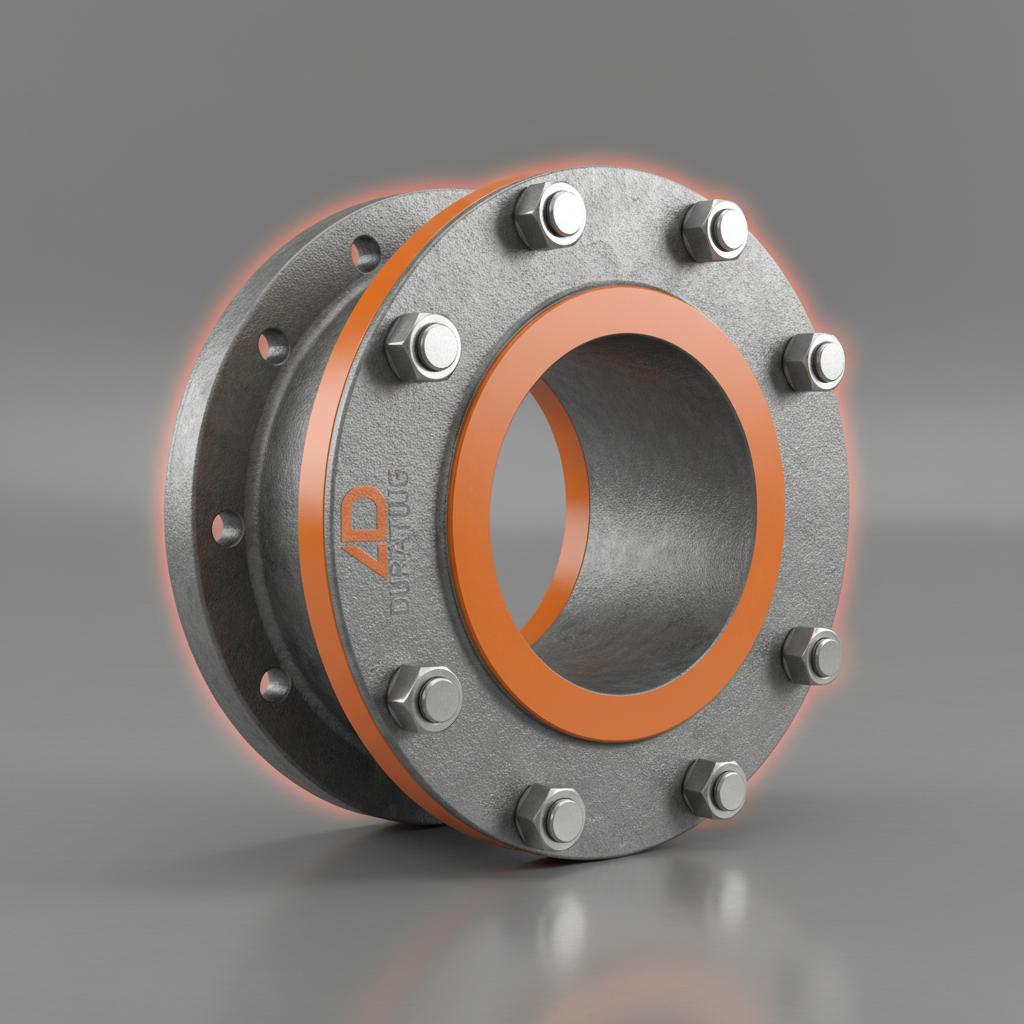
A frp flange is a disc-shaped component designed to create a secure and leak-proof connection between two sections of piping or equipment. Unlike traditional metal flanges, it’s constructed from a fiber-reinforced polymer composite. The fibers (typically glass, carbon, or aramid) provide strength and stiffness, while the polymer matrix (often epoxy, polyester, or vinyl ester) binds the fibers together and protects them from environmental factors.
Its connection to modern industry is profound. FRP flanges are integral to the efficient and safe operation of critical infrastructure in sectors such as oil and gas, chemical processing, water and wastewater treatment, and power generation. They are particularly vital in applications where corrosion is a major concern, as they eliminate the need for costly corrosion protection measures like coatings and cathodic protection.
Crucially, frp flange address a vital humanitarian need by enabling the safe and reliable transportation of essential resources like clean water and energy, especially in remote or challenging environments where traditional materials are prone to failure.
Key Characteristics of frp flange
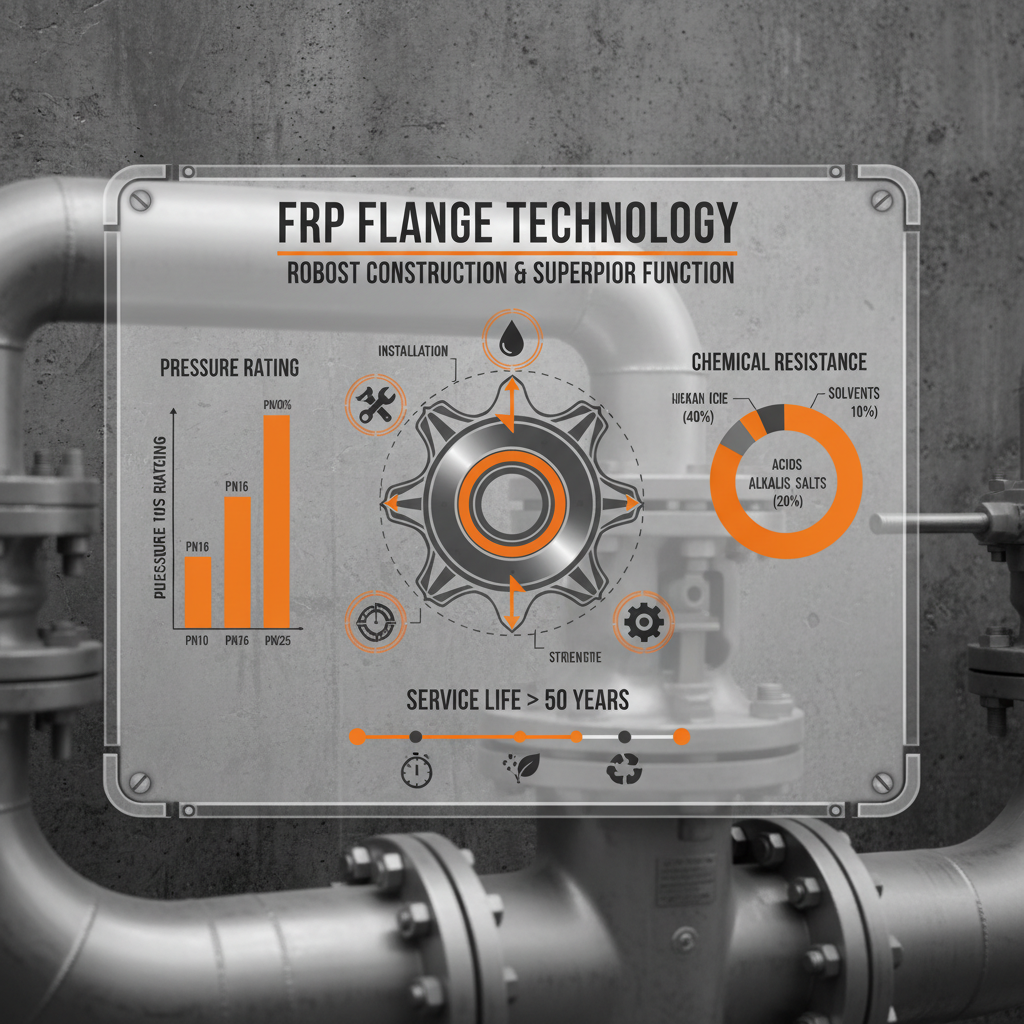
The core benefit of frp flange lies in its exceptional corrosion resistance. Unlike metals that rust or corrode when exposed to harsh chemicals or saltwater, FRP materials are inherently immune to these effects, drastically extending service life and reducing maintenance needs. This is paramount in industries handling corrosive fluids or operating in marine environments.
Secondly, frp flange boasts a remarkable strength-to-weight ratio. They are significantly lighter than traditional metal flanges, simplifying installation, reducing transportation costs, and minimizing structural support requirements. This weight reduction also contributes to improved energy efficiency in rotating equipment.
A third key factor is design flexibility. FRP materials can be molded into complex shapes and customized to meet specific application requirements. This allows for optimized flange designs that enhance performance and reduce stress concentrations. Finally, frp flange exhibits excellent dielectric properties, meaning they do not conduct electricity, making them ideal for applications where electrical isolation is critical.
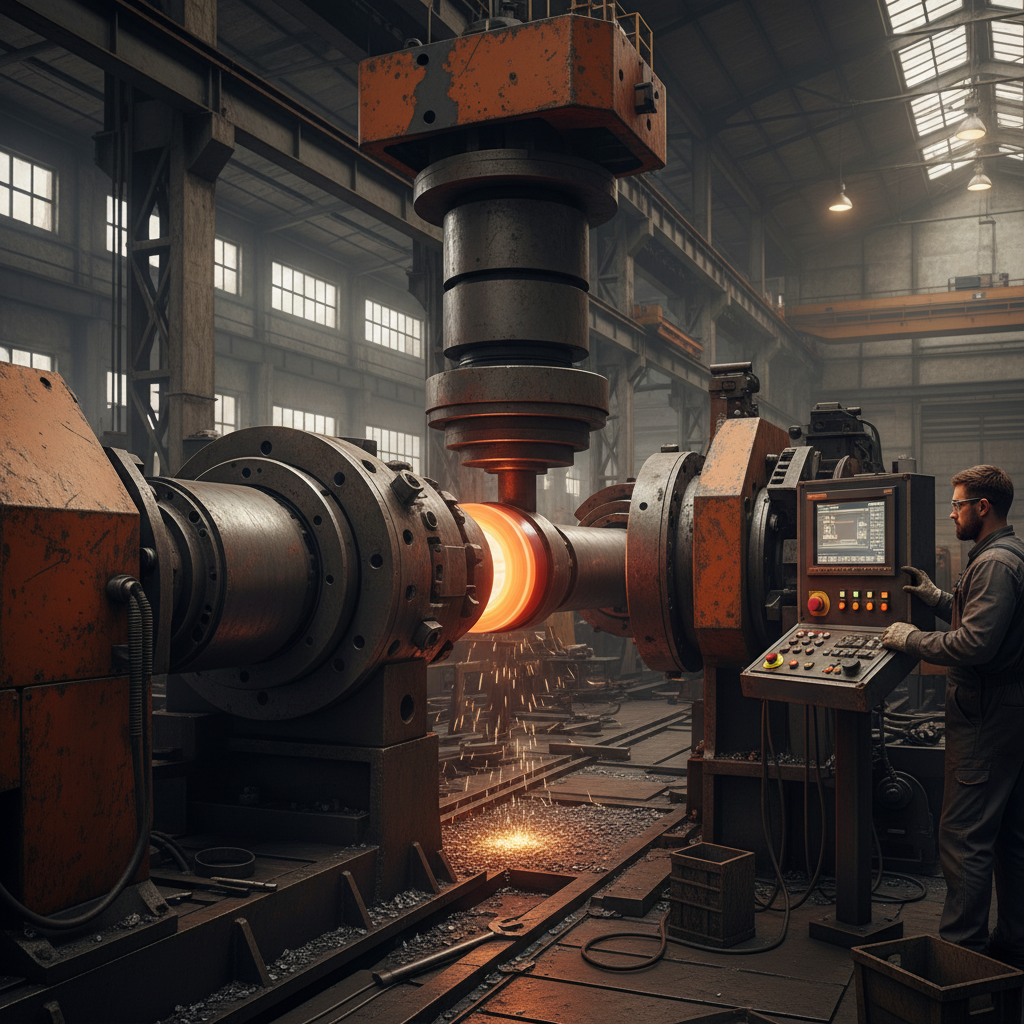
Performance Metrics of Various frp flange Manufacturing Methods
Real-World Applications
In the oil and gas industry, frp flange are widely used in offshore platforms and pipelines to resist saltwater corrosion. They provide a reliable and long-lasting solution for connecting critical components in harsh marine environments. Similarly, the chemical processing industry relies on frp flange to handle aggressive chemicals and maintain the integrity of process equipment.
Water and wastewater treatment plants benefit significantly from the corrosion resistance of frp flange, extending the lifespan of pipes and tanks exposed to chlorine and other corrosive substances. In power generation facilities, they are used in cooling water systems to prevent corrosion and scaling. These applications are particularly prevalent in regions with aging infrastructure, such as parts of North America and Europe.
Advantages and Long-Term Value
The primary advantage of frp flange is undeniably its extended lifespan. By eliminating corrosion, FRP flanges dramatically reduce the need for frequent repairs and replacements, resulting in significant cost savings over the long term. This leads to increased operational efficiency and reduced downtime.
Beyond cost considerations, frp flange offer substantial environmental benefits. By reducing the need for maintenance and replacement, they minimize the consumption of resources and the generation of waste. Their lightweight nature also contributes to lower transportation costs and reduced carbon emissions. The inherent safety of the material, coupled with increased reliability, enhances both worker safety and environmental protection.
Future Trends and Innovation
Ongoing research is focused on developing new FRP materials with even greater strength, durability, and resistance to extreme temperatures. Nanotechnology is playing a key role, with the incorporation of nanoparticles to enhance material properties. Smart frp flange, equipped with sensors to monitor stress, temperature, and corrosion, are also being developed.
The integration of digital technologies, such as 3D printing, is enabling the creation of customized frp flange with complex geometries and optimized performance characteristics. The increasing focus on sustainability is driving the development of bio-based polymers for FRP composites, reducing reliance on fossil fuels. These innovations will further expand the applications of frp flange and solidify their position as a critical component of modern infrastructure.
FAQS
FRP flanges offer superior corrosion resistance, a higher strength-to-weight ratio, and greater design flexibility compared to metal flanges. This translates to reduced maintenance costs, extended service life, and improved safety, particularly in corrosive environments like those found in the oil and gas or chemical processing industries. While initial costs might be higher, the lifecycle cost is often significantly lower.
The temperature performance of frp flange depends on the specific polymer matrix used. Some FRP materials can withstand temperatures up to 200°C (392°F) or even higher, while others are better suited for lower temperature applications. Careful material selection is crucial to ensure that the flange can withstand the operating temperature of the system. Ongoing research is developing materials with even greater temperature resistance.
Installation of frp flange requires specialized training and techniques. Unlike metal flanges, FRP materials can be more sensitive to improper torqueing and handling. Proper surface preparation of mating surfaces is also crucial to ensure a leak-proof seal. It’s essential to follow the manufacturer's guidelines and use appropriate tools and techniques for successful installation.
Yes, frp flange can be engineered to withstand high pressures. The design and material selection must be carefully considered to ensure that the flange can safely handle the operating pressure of the system. Factors such as the fiber reinforcement type, polymer matrix, and flange geometry all play a role in determining the pressure rating. Appropriate testing and certification are essential.
While the initial cost of frp flange can be higher, a lifecycle cost analysis often reveals significant savings. The superior corrosion resistance of FRP reduces maintenance costs and extends the service life of the flange, minimizing the need for replacements. Reduced downtime and increased operational efficiency also contribute to lower overall costs.
The environmental impact of frp flange depends on the materials used in their production. Traditional FRPs utilize petroleum-based polymers, but increasing research focuses on bio-based alternatives. Disposal can be challenging as FRP is not easily recyclable, however, their long service life reduces the frequency of replacement, minimizing waste. Proper disposal methods, such as energy recovery, are recommended.
Conclusion
In conclusion, frp flange represent a transformative technology in materials science and engineering. Their exceptional corrosion resistance, high strength-to-weight ratio, and design flexibility make them an ideal solution for a wide range of applications, from oil and gas pipelines to water treatment plants. By embracing frp flange, industries can enhance safety, reduce costs, and improve sustainability.
Looking ahead, continued innovation in FRP materials and manufacturing processes will further expand the capabilities and applications of frp flange. We encourage you to explore the benefits of this technology and consider how it can optimize your operations. Visit our website at www.jrain-frp.com to learn more and discuss your specific needs.