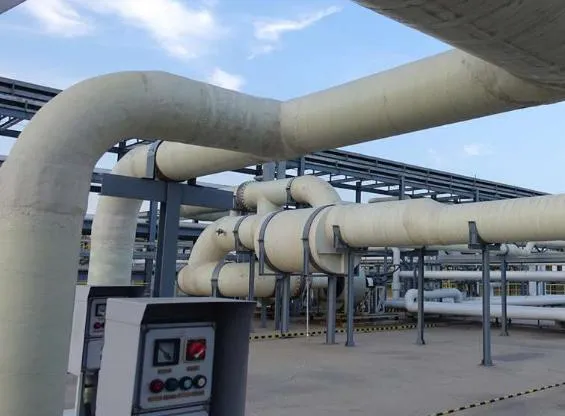
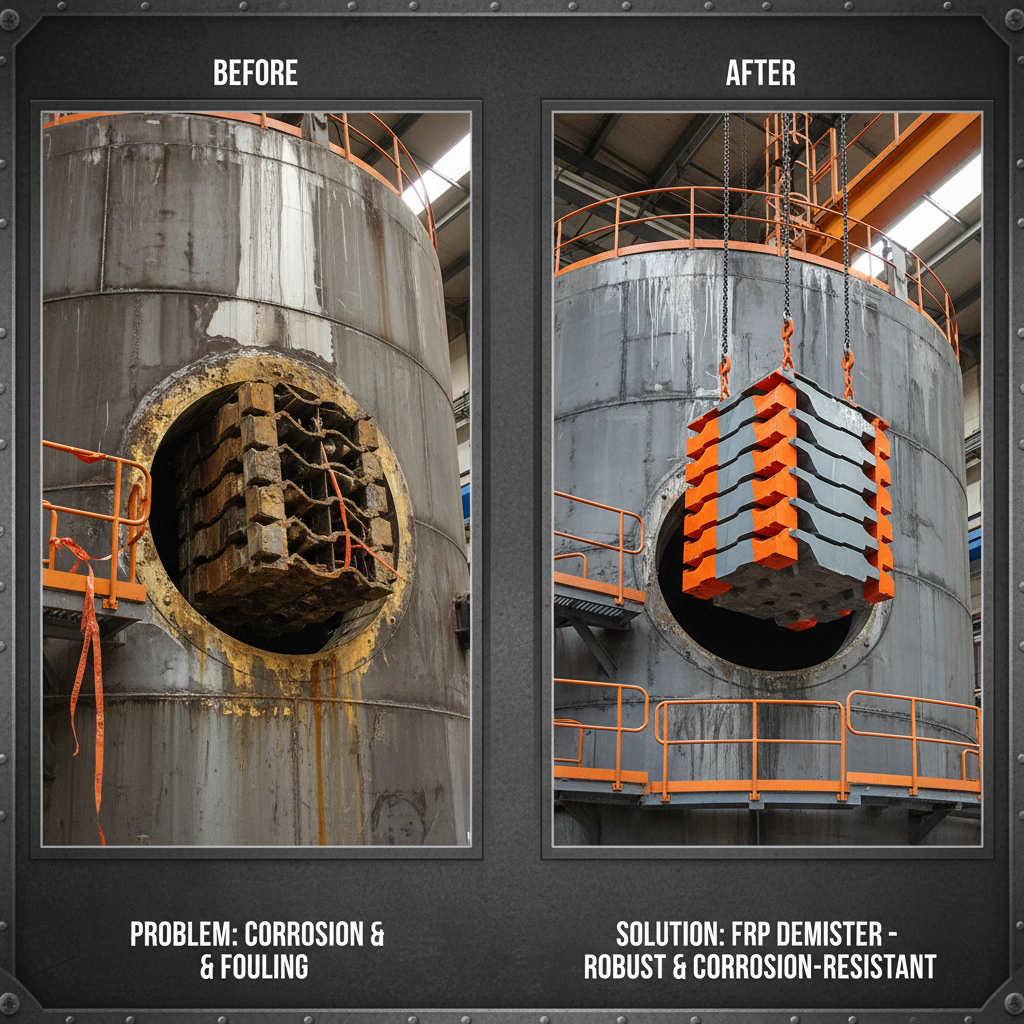
The global need for rapid and reliable infrastructure solutions is constantly increasing, driven by factors like disaster relief, urbanization, and remote industrial development. frp settler systems offer a compelling response to these challenges, providing adaptable and quickly deployable structures. These systems are increasingly recognized for their ability to address critical housing shortages and infrastructure gaps in diverse environments.
Modern industrial demands also contribute to the growing importance of frp settler. The ability to establish functional workspaces and accommodation rapidly in remote locations is vital for industries like mining, energy, and construction. Furthermore, the sustainable aspects of these systems align with the global push toward environmentally conscious building practices.
Understanding the principles and applications of frp settler is now crucial for architects, engineers, disaster relief organizations, and governmental bodies seeking innovative and efficient solutions to pressing infrastructure needs. Their versatility and speed of deployment offer significant advantages over traditional construction methods.
The Global Significance of frp settler
Globally, over 80 million people are currently displaced due to conflict and natural disasters (UNHCR data, 2023). Traditional shelter provision struggles to meet this immense and rapidly evolving need. frp settler systems provide a viable solution, enabling the rapid deployment of safe and dignified housing in emergency situations. This has significant humanitarian implications, particularly in regions prone to climate change-related events.
The World Bank estimates a $1.5 trillion annual infrastructure investment gap in developing countries. frp settler's cost-effectiveness and speed of deployment can help bridge this gap, providing essential infrastructure in remote and underserved areas without the lengthy construction times and high costs associated with conventional methods. The ISO standards for modular construction are increasingly recognizing the quality and reliability of these systems.
Defining the frp settler Concept
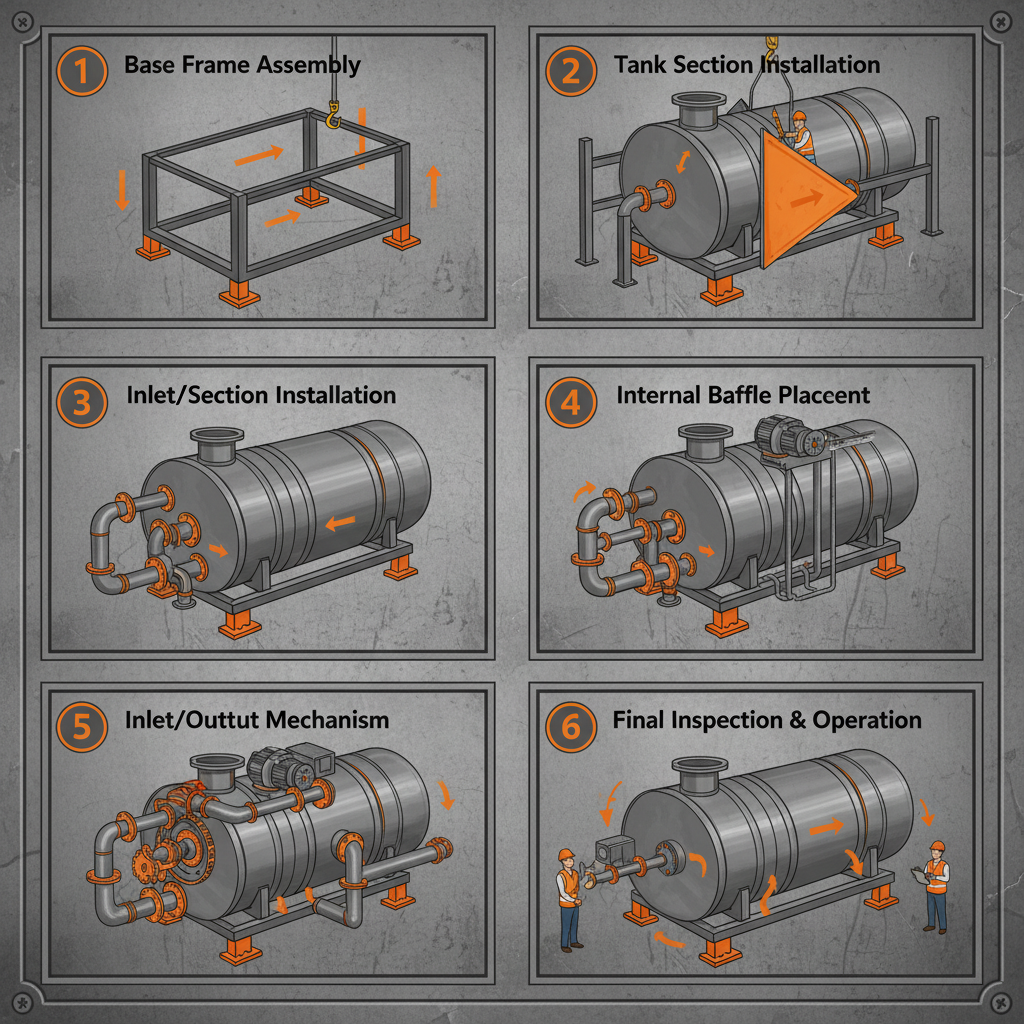
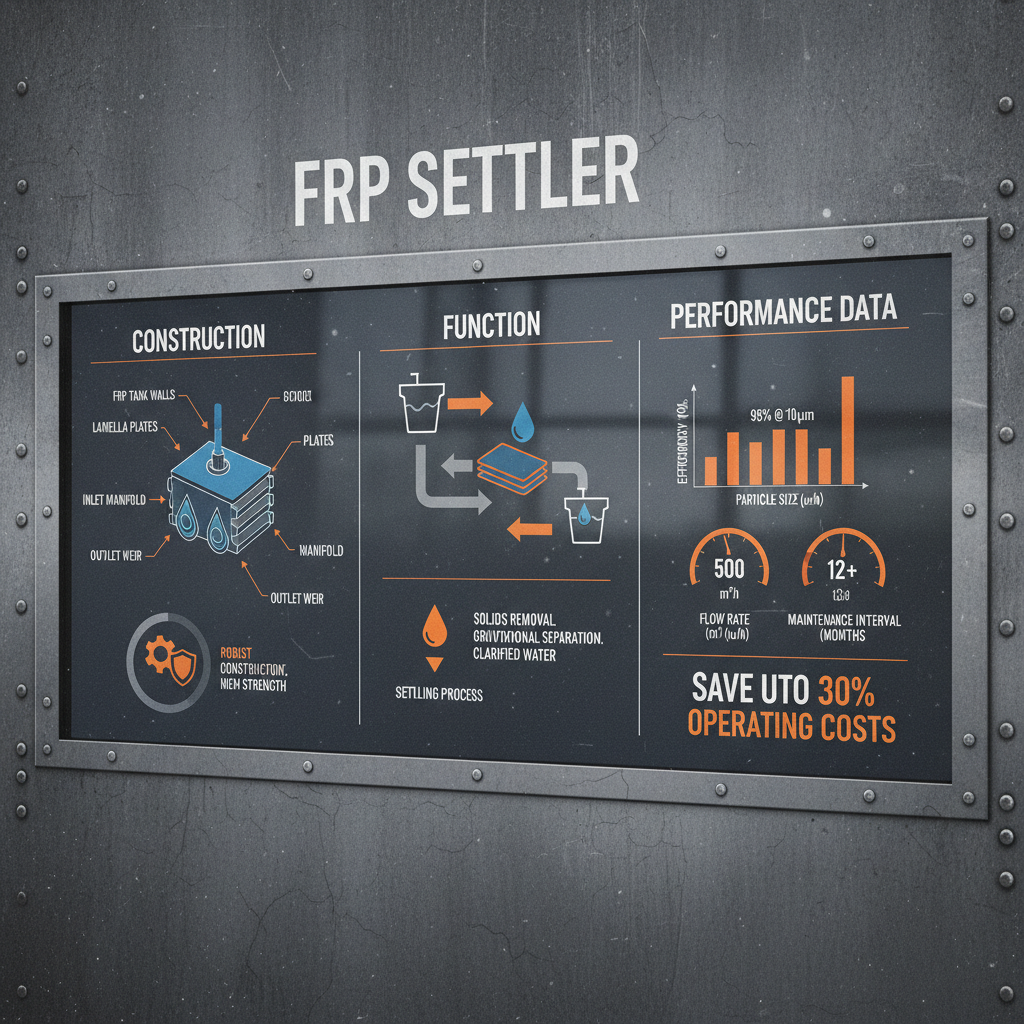
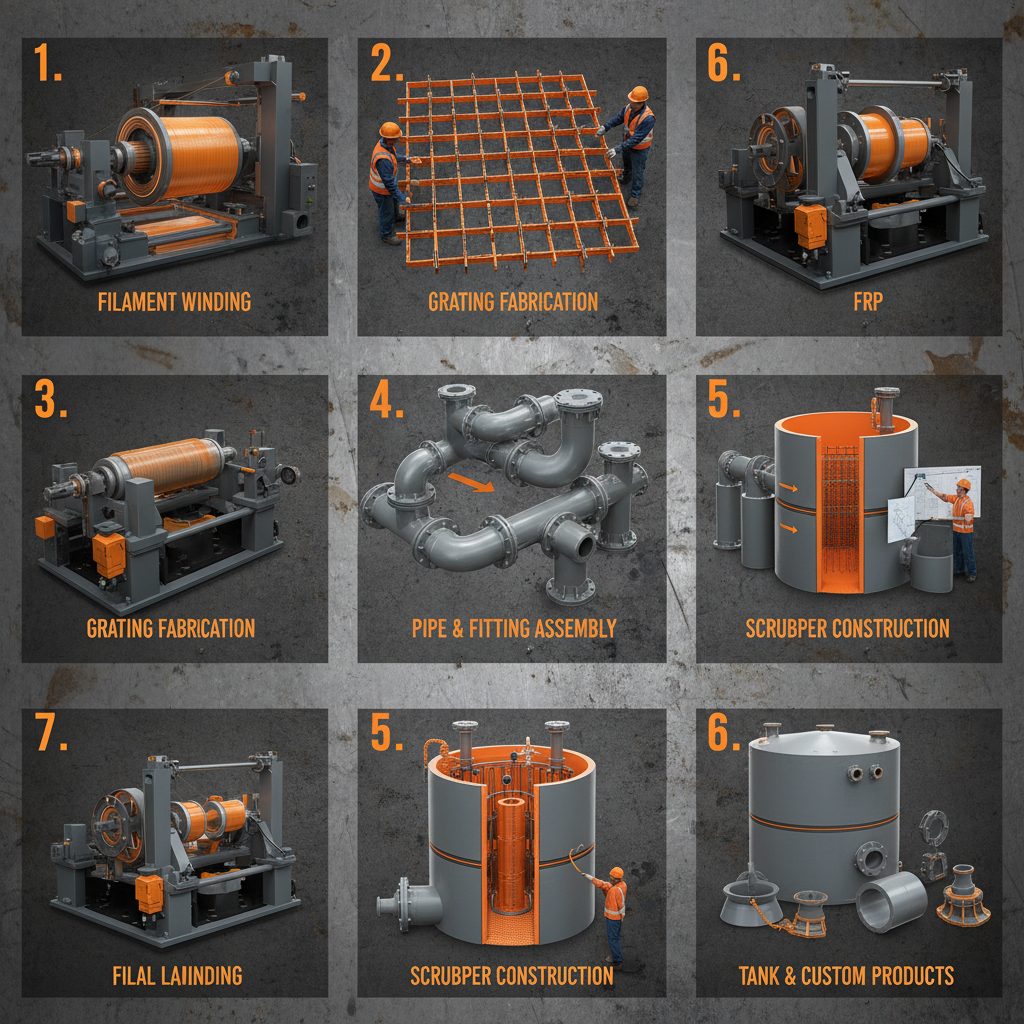
A frp settler is a prefabricated, modular building system designed for rapid assembly and disassembly. Typically constructed from fiber-reinforced polymer (FRP) materials, these units can be easily transported and erected on-site, offering a versatile and adaptable solution for various applications. They represent a departure from traditional construction, prioritizing speed, efficiency, and sustainability.
The connection to modern industry lies in the demand for flexible and scalable infrastructure. Industries operating in remote locations or requiring temporary facilities benefit immensely from the ability to quickly establish operational bases with comfortable living and working spaces. This eliminates lengthy construction delays and minimizes logistical challenges.
In humanitarian contexts, frp settler systems provide immediate shelter and essential facilities to communities affected by disasters or displacement, offering a level of dignity and safety often lacking in traditional relief efforts. They address the critical need for resilient infrastructure in vulnerable regions.
Core Components and Characteristics
Durability: FRP materials are inherently corrosion-resistant and have a high strength-to-weight ratio. This ensures that frp settler structures can withstand harsh environmental conditions and have a long service life, minimizing maintenance and replacement costs.
Scalability: These systems are designed for modular expansion, allowing for easy adaptation to changing needs. Additional units can be added or removed as required, providing flexibility for growing populations or evolving project requirements. This adaptability sets them apart from traditional fixed structures.
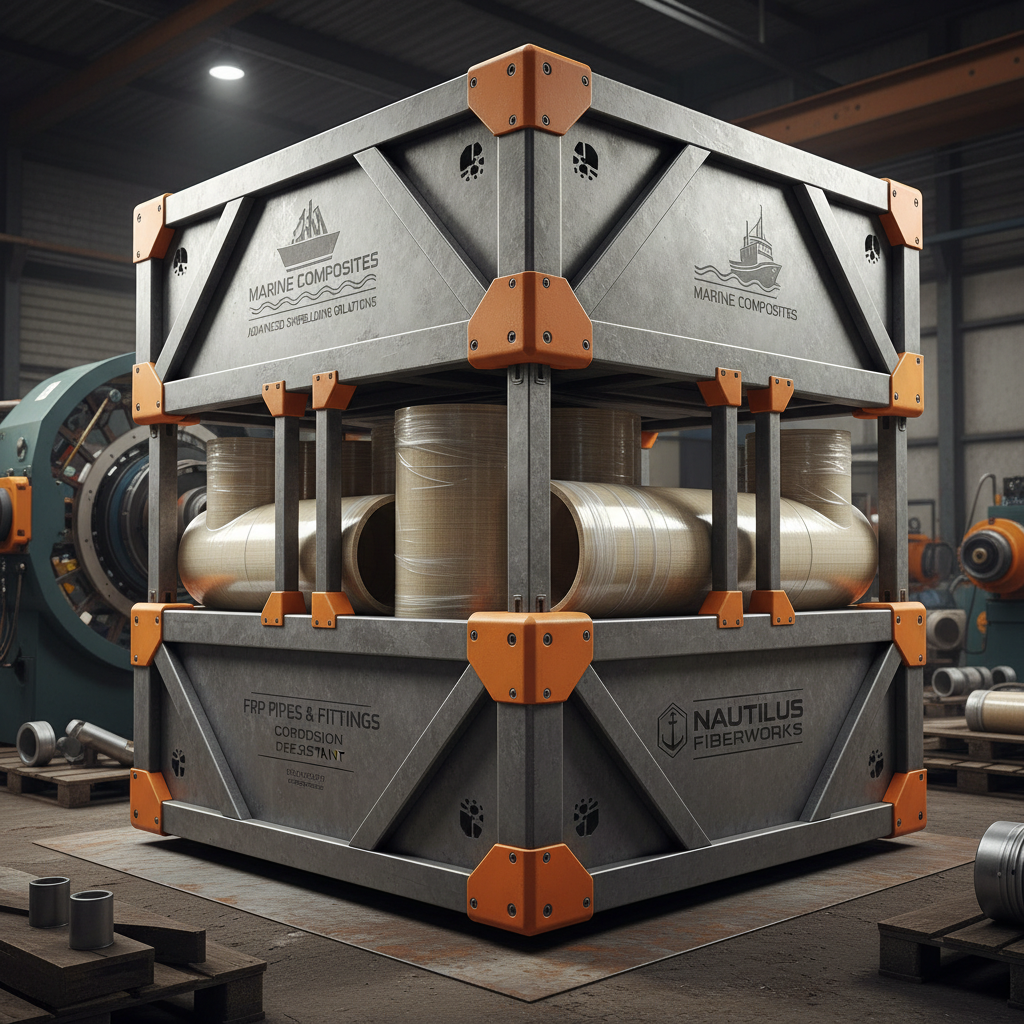
Portability: The lightweight nature of FRP components facilitates efficient transportation, reducing logistical complexities and costs. The units can be shipped flat-packed and assembled on-site, minimizing the need for specialized equipment and skilled labor.
Sustainability: FRP materials often incorporate recycled content and require less energy to produce compared to traditional building materials like concrete or steel. This reduces the environmental footprint of construction and promotes sustainable building practices.
Rapid Deployment: frp settler systems can be assembled significantly faster than conventional buildings, often in a matter of days or weeks, minimizing disruption and accelerating project timelines.
Cost-Effectiveness: Reduced construction time, lower transportation costs, and minimal maintenance contribute to the overall cost-effectiveness of frp settler systems, making them an attractive alternative to traditional construction methods.
Key Performance Indicators of frp settler
Evaluating the effectiveness of frp settler requires considering several key performance indicators. These benchmarks help assess their suitability for different applications and ensure they meet desired standards for safety, durability, and efficiency.
These indicators range from structural integrity and thermal performance to cost savings and environmental impact. By closely monitoring these metrics, stakeholders can optimize the design and implementation of these systems to maximize their benefits.
Performance Metrics of frp settler Systems
Real-World Applications of frp settler
In post-disaster relief operations, frp settler systems have been deployed to provide immediate shelter for displaced populations in regions affected by earthquakes, hurricanes, and floods. The speed of deployment is critical in these scenarios, offering rapid relief and a safe environment for vulnerable communities.
In remote industrial zones, such as mining camps or oil and gas facilities, these systems provide comfortable and functional accommodations for workers, eliminating the need for lengthy on-site construction and reducing logistical challenges. They contribute to improved worker morale and productivity.
The Long-Term Value Proposition
The advantages of frp settler extend beyond immediate cost savings. Their durability and low maintenance requirements translate into reduced life-cycle costs, making them a financially sound investment in the long run. The sustainability benefits also align with increasing environmental regulations and corporate social responsibility goals.
Moreover, the rapid deployment capability enhances project agility and reduces time-to-market, providing a competitive advantage in various industries. The inherent safety and comfort features contribute to improved worker well-being and a positive brand image.
Future Trends and Sustainability
Advancements in materials science are leading to the development of even more sustainable and high-performance FRP composites. The integration of smart technologies, such as sensors and automated control systems, is enhancing the functionality and energy efficiency of frp settler structures.
The increasing adoption of Building Information Modeling (BIM) and digital twin technology is facilitating the design, construction, and management of these systems, optimizing performance and reducing waste. Furthermore, government policies and incentives promoting sustainable construction are driving demand for innovative solutions like frp settler.
The convergence of green energy solutions, such as solar panels and rainwater harvesting systems, with frp settler structures will further enhance their sustainability credentials and create self-sufficient, off-grid communities.
Key Advantages of frp settler Construction
| Application Area |
Cost Efficiency |
Environmental Impact |
Deployment Speed |
| Disaster Relief |
8/10 |
7/10 |
10/10 |
| Remote Mining Camps |
7/10 |
6/10 |
9/10 |
| Emergency Housing |
9/10 |
8/10 |
9/10 |
| Temporary Healthcare Facilities |
6/10 |
7/10 |
8/10 |
| Educational Institutions |
7/10 |
6/10 |
7/10 |
| Field Offices |
8/10 |
7/10 |
9/10 |
FAQS
frp settler offers several key advantages, including significantly faster deployment times, reduced construction costs, and greater portability. FRP materials are also highly durable and resistant to corrosion, minimizing long-term maintenance requirements. These benefits make frp settler ideal for projects where speed, cost-effectiveness, and resilience are paramount. They also offer a more sustainable building solution due to reduced material waste and energy consumption during production.
With proper maintenance, a frp settler structure can have a lifespan comparable to, and in some cases exceeding, that of a traditionally built structure. FRP materials are highly resistant to corrosion, rot, and insect damage, which are common causes of deterioration in conventional buildings. The modular design also allows for easy replacement of individual components, extending the overall lifespan of the system.
Yes, frp settler is generally considered a more sustainable building solution than traditional construction. FRP materials often incorporate recycled content and require less energy to produce than concrete or steel. The modular design minimizes construction waste, and the reduced transportation costs contribute to a lower carbon footprint. Additionally, the durability and low maintenance requirements of frp settler reduce the need for frequent replacements, further enhancing its sustainability.
The lightweight nature of FRP components simplifies transportation and reduces shipping costs. frp settler units are typically designed for flat-pack shipping, maximizing space efficiency. Assembly requires minimal specialized equipment and can be performed by a relatively small team, even in remote locations. Detailed assembly instructions and on-site support are typically provided by the manufacturer.
Absolutely. frp settler systems are highly adaptable and can be customized to meet a wide range of project requirements. This includes variations in size, layout, and finishes. Manufacturers often offer design services to tailor the systems to specific needs, ensuring they meet aesthetic and functional expectations. Integration of utilities, insulation, and other features is also readily achievable.
Regulatory approvals and certifications vary depending on the location and intended use of the frp settler structure. Generally, compliance with local building codes and safety standards is required. Many manufacturers provide documentation and support to facilitate the permitting process. Certifications related to structural integrity, fire resistance, and material performance may also be necessary.
Conclusion
In summary, frp settler systems represent a paradigm shift in construction, offering a compelling combination of speed, cost-effectiveness, sustainability, and adaptability. Their ability to address critical infrastructure needs in diverse settings—from disaster relief to remote industrial operations—makes them an increasingly valuable asset for governments, organizations, and businesses worldwide. Understanding the core principles and applications of these systems is crucial for anyone seeking innovative and efficient building solutions.
Looking ahead, continued advancements in materials science and digital technologies will further enhance the performance and versatility of frp settler. We encourage you to explore the possibilities of these innovative systems and consider how they can contribute to a more sustainable and resilient future. Visit our website at www.jrain-frp.com to learn more.