Mold, in its broadest sense, refers to the rapidly growing field of prefabricated construction utilizing modular components. This isn’t simply about building with pre-made parts; it’s a transformative approach impacting industries from housing and infrastructure to disaster relief and remote operations. Globally, the demand for faster, more sustainable, and cost-effective building solutions is surging, driven by factors like urbanization, population growth, and climate change.
The relevance of mold extends far beyond just construction speed. The United Nations estimates that over 1.6 billion people worldwide lack adequate housing. Addressing this requires innovative solutions, and modular construction, leveraging mold technologies, is rapidly becoming a crucial part of the answer. The ISO standards are also beginning to incorporate guidelines for modular construction quality and safety, demonstrating growing industry recognition.
At its core, mold represents a paradigm shift in how we approach construction. It's about moving from traditional on-site building to a controlled factory environment, resulting in enhanced quality control, reduced waste, and accelerated project timelines. This makes it an increasingly vital tool in addressing global challenges and improving living conditions for communities worldwide.
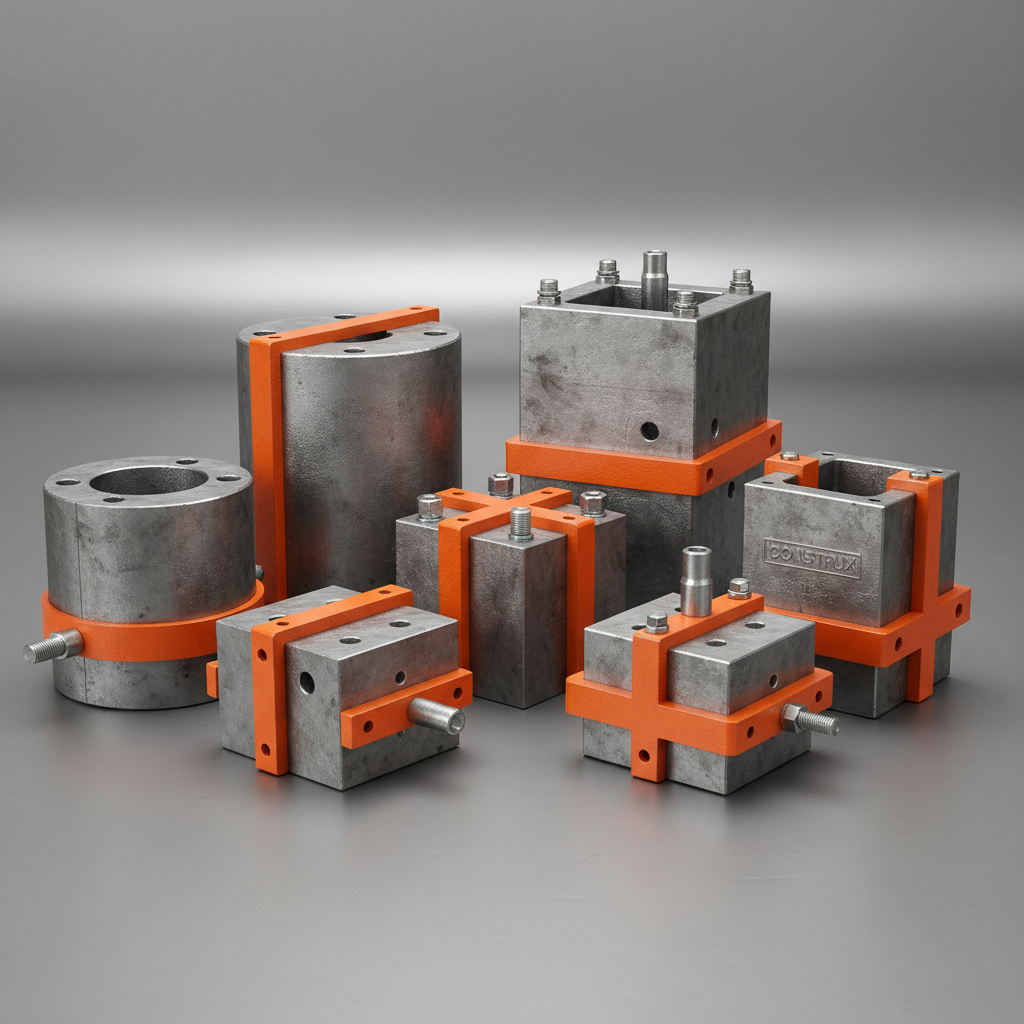
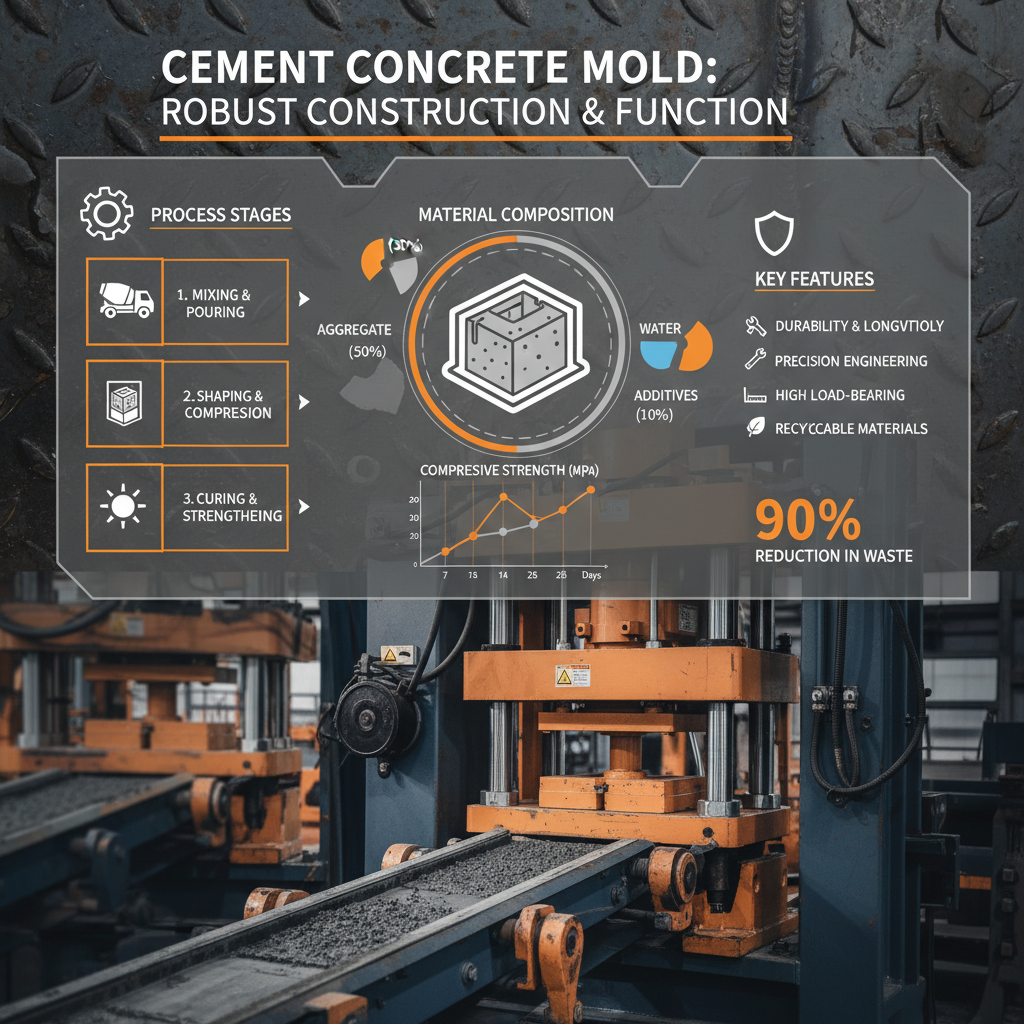
The rise of mold construction is a direct response to the growing need for sustainable and affordable housing solutions. It’s about moving away from labor-intensive, traditional building methods toward a more efficient, scalable, and environmentally conscious approach. This encompasses a range of techniques, from fully volumetric modular units to panelized systems and hybrid approaches. mold is not just a construction method; it’s a system designed for speed and precision.
This methodology has its roots in post-war housing shortages, but advancements in materials science, digital design, and automated manufacturing have propelled it to the forefront of the construction industry. Modern mold solutions offer superior quality control, reduced construction timelines, and a significantly lower environmental footprint than conventional building methods.
Mold offers several key advantages, including significantly faster construction timelines, reduced labor costs, improved quality control due to a controlled factory environment, and minimized waste. It’s also a more sustainable option, allowing for the use of eco-friendly materials and a smaller environmental footprint. The precision of mold construction leads to fewer errors and a more consistent final product.
While the initial upfront cost of mold can sometimes be comparable to traditional construction, the long-term cost savings are often substantial. Reduced construction time translates to lower labor expenses, and minimized waste lowers material costs. The enhanced quality and durability can also lead to lower maintenance and repair costs over the building’s lifespan.
Yes, mold is incredibly versatile and can be adapted to a wide range of building types, from single-family homes and multi-story apartments to commercial buildings and industrial facilities. With appropriate design and material selection, mold structures can be successfully deployed in various climates, including extreme weather conditions.
Some common challenges include transportation logistics, obtaining necessary permits and approvals, and ensuring proper site preparation for module assembly. Financing can also be a hurdle, as traditional lenders may be unfamiliar with mold construction. However, these challenges are often outweighed by the numerous benefits of the method.
Mold significantly contributes to sustainability through reduced waste generation, the ability to utilize eco-friendly and recycled materials, and optimized energy efficiency. The controlled factory environment allows for precise material usage and minimizes on-site disruption. Its faster construction times also lessen the overall environmental impact of the building process.
With proper design, materials, and maintenance, a mold building can have a lifespan comparable to, and in some cases exceeding, that of a traditionally built structure. High-quality materials and precise construction techniques ensure structural integrity and durability, providing long-term value for owners and occupants.
In conclusion, mold represents a significant advancement in the construction industry. Its ability to deliver faster, more sustainable, and cost-effective building solutions addresses critical global challenges, from housing shortages to disaster relief. By embracing lean manufacturing principles, digital technologies, and innovative materials, mold is transforming how we design, build, and inhabit the world around us.
Looking ahead, continued innovation in materials, automation, and design will further enhance the benefits of mold. As adoption increases and regulatory frameworks evolve, mold is poised to become an increasingly dominant force in the construction landscape. To learn more about how mold can benefit your next project, visit our website today!