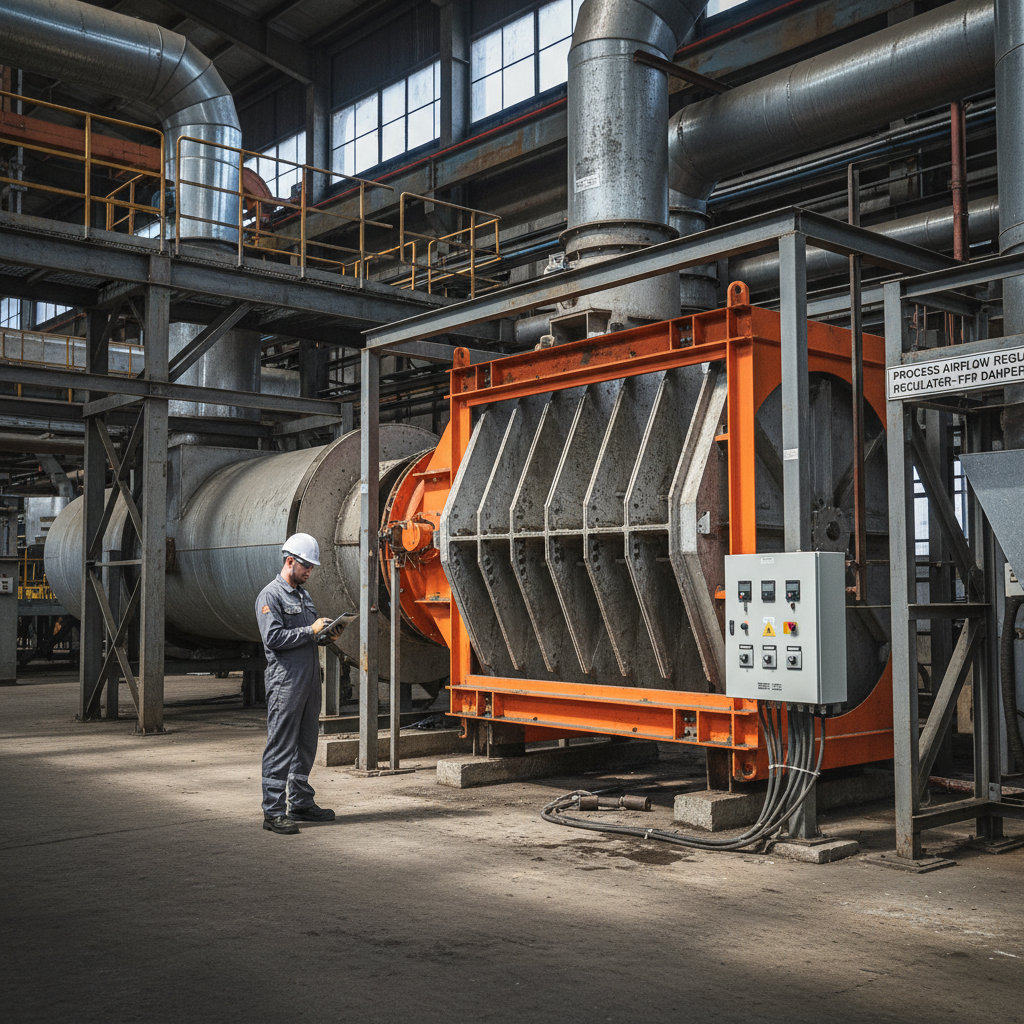
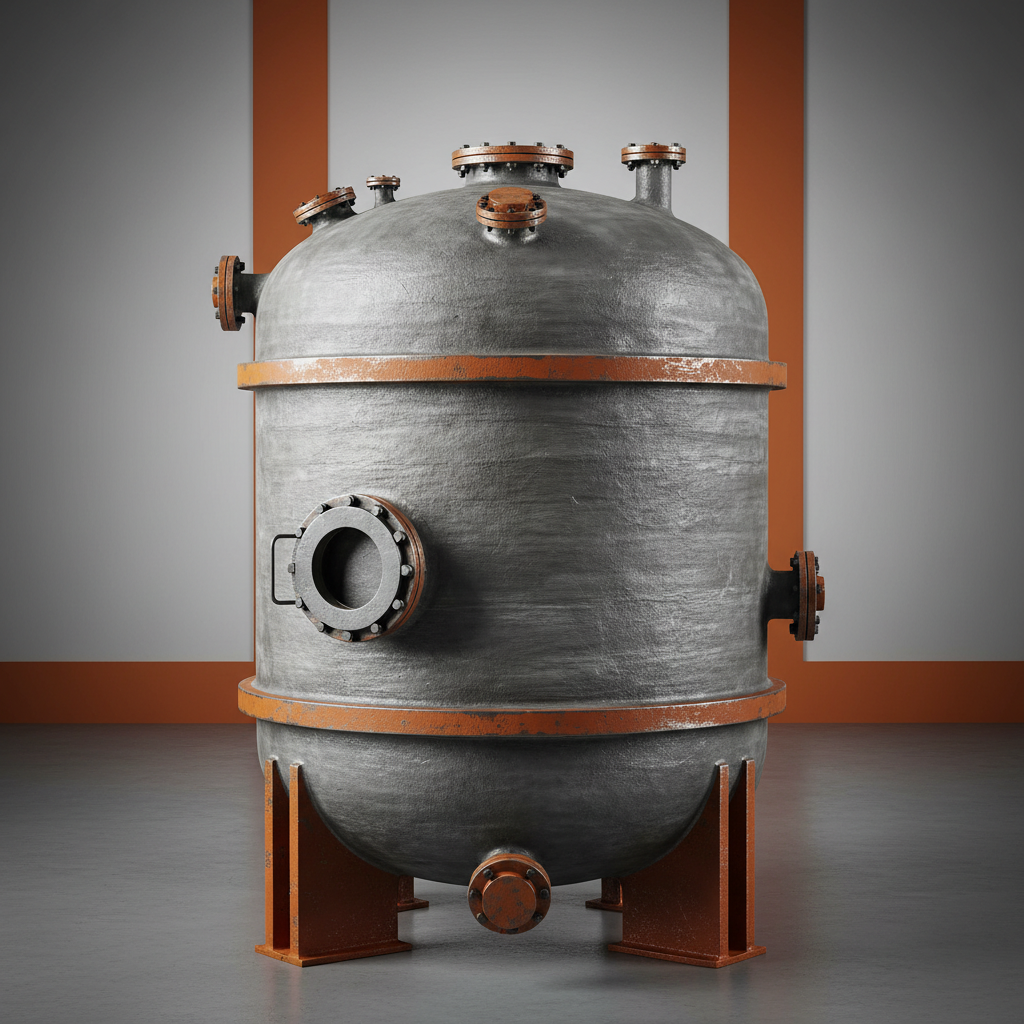
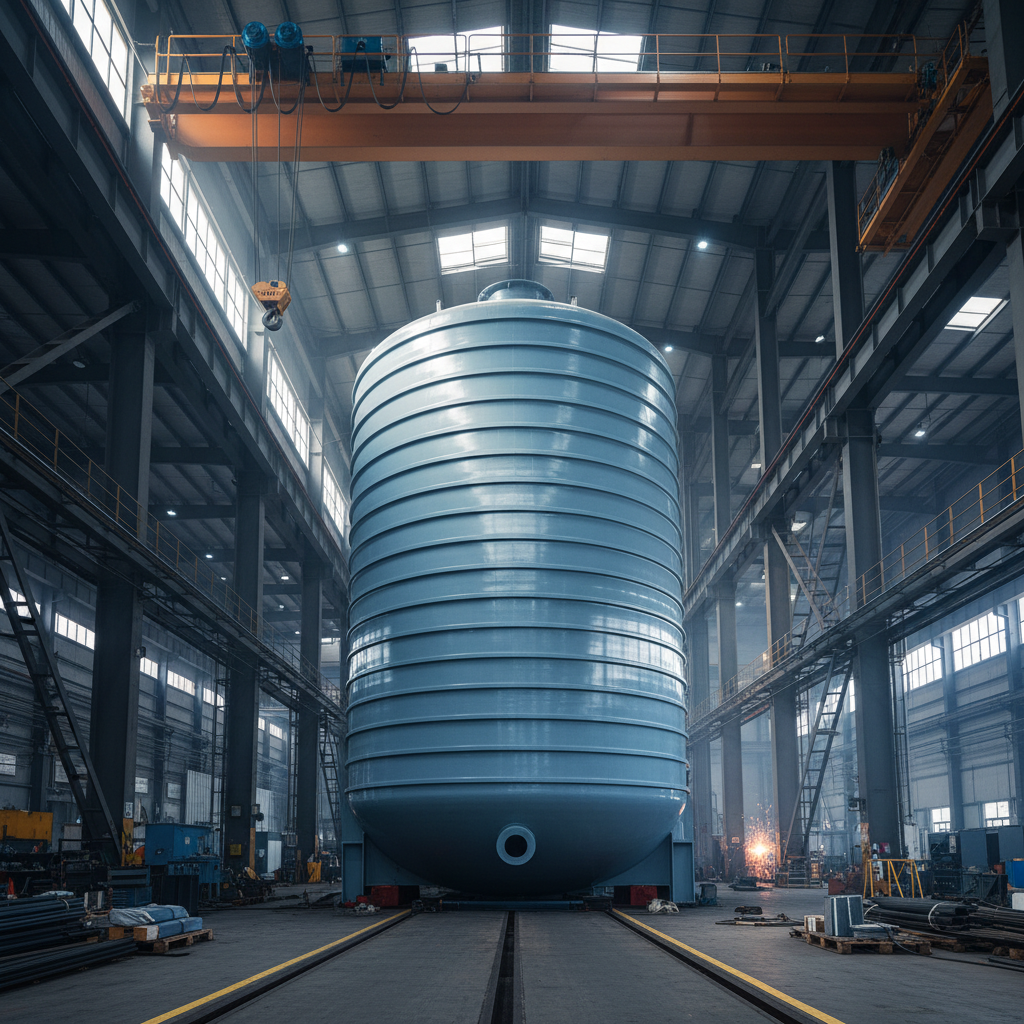
The world faces increasing demands for robust, reliable, and efficient damping solutions across a diverse range of industries, from civil engineering and aerospace to automotive and industrial machinery. frp damper systems are rapidly emerging as a critical technology to meet these challenges, offering superior performance characteristics compared to traditional materials. Understanding the principles, applications, and future trends of these dampers is crucial for engineers, researchers, and policymakers alike, driving innovation and enhancing safety and resilience in critical infrastructure.
The growing need for lightweight yet high-strength materials has fueled the development and adoption of fiber-reinforced polymer (FRP) composites. frp dampers leverage these advanced materials to deliver exceptional damping capabilities, vibration control, and energy dissipation. This is particularly important in sectors facing heightened seismic activity, extreme weather events, or demanding operational environments where structural integrity and longevity are paramount.
Investing in and understanding frp damper technology isn’t simply about improving engineering designs; it’s about creating a safer, more sustainable, and more efficient future. From reducing maintenance costs and extending service life to enhancing structural performance and protecting against catastrophic failure, these systems represent a significant advancement in materials science and engineering.
Introduction to frp damper
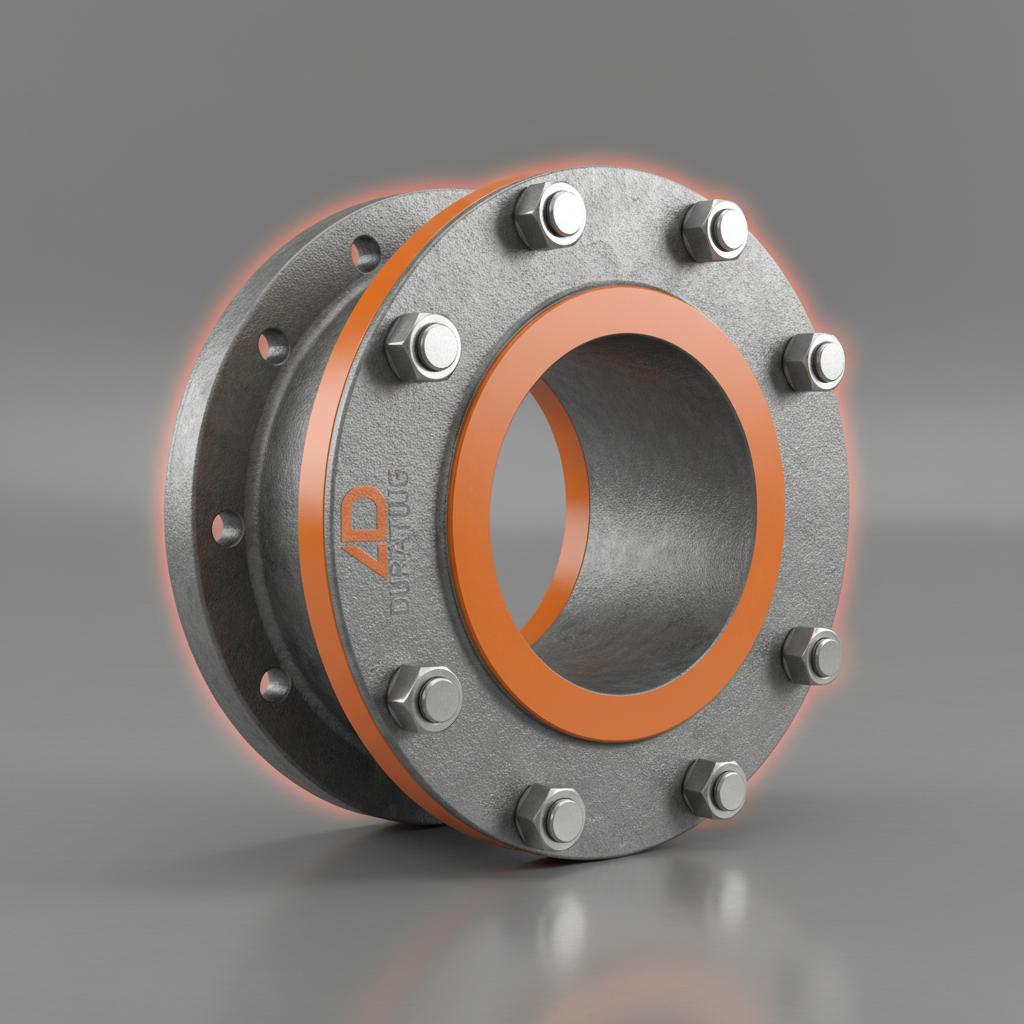
frp damper systems are engineered devices designed to absorb and dissipate vibrational energy, mitigating the effects of dynamic loads on structures and machinery. They represent a significant advancement over traditional damping solutions, offering increased efficiency, durability, and performance characteristics. These dampers play a critical role in enhancing the safety, reliability, and longevity of various systems.
The effectiveness of a frp damper lies in its ability to convert kinetic energy into thermal energy, effectively reducing oscillations and preventing resonance. This is achieved through the carefully engineered composition of the FRP materials and the damper's specific structural configuration, optimized for the intended application. Their increasing adoption demonstrates the growing recognition of their benefits across diverse sectors.
Global Relevance and Industry Context
The global demand for effective vibration control solutions is steadily increasing, driven by factors such as expanding infrastructure, stricter safety regulations, and the growing prevalence of high-speed machinery. According to a recent report by the World Bank, the cost of infrastructure damage due to natural disasters exceeds $300 billion annually, highlighting the critical need for resilient structures. frp dampers play a vital role in mitigating these risks.
Industries such as aerospace, automotive, and civil engineering are at the forefront of adopting frp damper technology. The aerospace industry utilizes them to minimize vibrations in aircraft structures, improving passenger comfort and extending component lifespan. The automotive sector employs them to reduce noise and vibration in vehicles, enhancing ride quality. In civil engineering, they are essential for seismic protection of buildings and bridges, minimizing damage during earthquakes.
International standards organizations like ISO are increasingly incorporating performance criteria for damping systems, driving innovation and ensuring the quality and reliability of frp dampers. The United Nations Sustainable Development Goals (SDGs), particularly those related to resilient infrastructure (SDG 9) and disaster risk reduction (SDG 13), further emphasize the importance of these technologies in creating a more sustainable and safer world.
Defining the frp damper
A frp damper is a device that utilizes fiber-reinforced polymer composites to absorb and dissipate vibrational energy. Unlike traditional dampers made from metals or elastomers, FRP dampers offer a unique combination of high strength, low weight, and excellent damping properties. The core principle involves the viscoelastic behavior of the FRP material, which allows it to deform under stress and release energy as heat.
This technology directly addresses the needs of modern industry, where minimizing vibrations is crucial for optimizing performance, extending equipment life, and ensuring worker safety. It’s also deeply connected to humanitarian needs, particularly in regions prone to earthquakes and other natural disasters, where building resilience is paramount.
The design of a frp damper often involves layering different types of FRP materials, strategically configuring the fiber orientation, and incorporating damping layers to maximize energy dissipation. The specific materials and design choices are tailored to the application’s unique frequency range, amplitude of vibration, and environmental conditions.
Key Components and Factors
Several key factors contribute to the effectiveness and performance of frp dampers. Material Composition is paramount, with the type of fiber (carbon, glass, aramid) and resin matrix significantly impacting damping properties and strength. Layer Configuration – the arrangement of FRP layers – dictates how energy is dissipated. Geometric Design – the shape and size of the damper – is tailored to specific vibrational modes.
Frequency Response is crucial, as dampers must be tuned to the frequencies of the vibrations they are designed to mitigate. Temperature Stability – the ability to maintain damping performance across a range of temperatures – is vital in many applications. Finally, Durability ensures a long service life and minimal maintenance requirements, leading to reduced lifecycle costs. These components work in concert to achieve optimal performance.
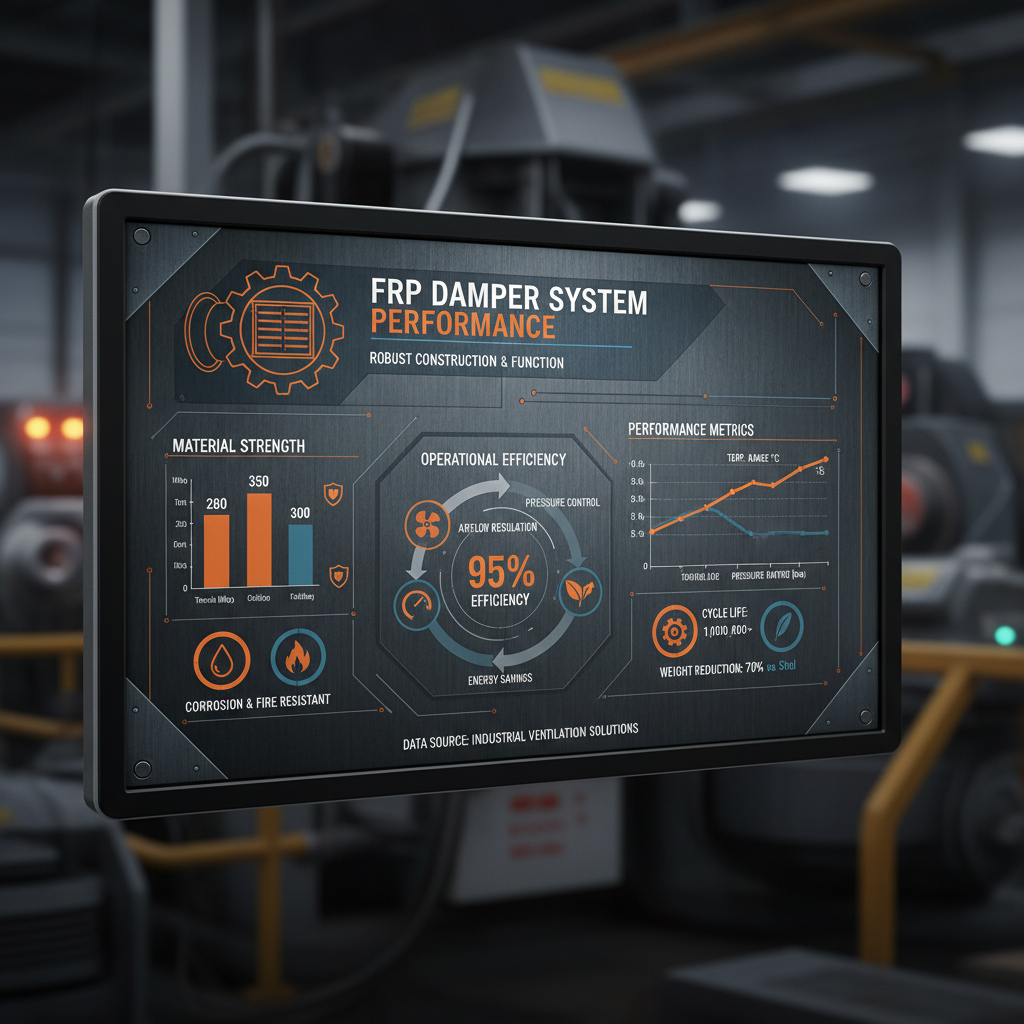
frp damper Performance Metrics
Global Applications and Use Cases
frp dampers are deployed in a wide array of applications globally. In post-disaster relief operations, they’re integrated into temporary shelters and modular housing to provide structural stability and protect against aftershocks. In remote industrial zones, they safeguard critical machinery from excessive vibrations, ensuring continuous operation and minimizing downtime.
The automotive industry utilizes these dampers in engine mounts and suspension systems to reduce noise, vibration, and harshness (NVH). The aerospace sector employs them in aircraft wings and fuselages to enhance aerodynamic performance and improve passenger comfort. Furthermore, their application extends to high-speed rail infrastructure, where they mitigate vibrations caused by train movement, preserving track integrity and reducing noise pollution.
Advantages and Long-Term Value
The advantages of frp dampers are multifaceted. Cost efficiency stems from reduced maintenance requirements and extended component lifespans. Sustainability is enhanced by the lightweight nature of FRP materials, reducing transportation costs and energy consumption. Social impact is realized through improved safety and resilience in infrastructure, particularly in disaster-prone areas.
From a logical standpoint, the superior damping performance and durability offer significant return on investment. Emotionally, knowing structures are better protected provides peace of mind and fosters trust in engineering solutions. The continuous innovation in materials and design solidifies frp damper technology as a cornerstone of modern engineering.
Future Trends and Innovations
The future of frp damper technology is intertwined with advancements in materials science and manufacturing processes. Research into self-healing FRP composites promises to further extend damper lifespan and reduce maintenance. The integration of smart sensors and real-time monitoring systems will enable adaptive damping control, optimizing performance based on dynamic conditions.
The convergence of frp damper technology with green energy initiatives, such as wind turbine vibration control, represents a significant growth area. Digital transformation through the application of AI and machine learning will facilitate predictive maintenance and optimize damper designs for specific applications. Automation in manufacturing processes will reduce production costs and enhance scalability.
FAQS
frp dampers offer a superior strength-to-weight ratio compared to metal dampers. This means they are lighter, which is advantageous in applications like aerospace and automotive. They also exhibit better damping characteristics, absorbing vibrations more effectively. Additionally, FRP materials are corrosion-resistant, extending the damper’s lifespan in harsh environments.
While FRP materials are generally resistant to environmental factors, extreme temperatures and prolonged exposure to high humidity can potentially affect their performance. High temperatures may slightly reduce the stiffness of the resin matrix, while high humidity can lead to moisture absorption. However, careful material selection and protective coatings can mitigate these effects.
The lifespan of an frp damper typically ranges from 10 to 20 years, depending on the application and environmental conditions. Generally, they require minimal maintenance. However, periodic inspections are recommended to check for any signs of damage or degradation. In some cases, recoating or surface treatment may be necessary to maintain optimal performance.
Yes, frp dampers can be highly customized to target specific vibration frequencies. This is achieved through adjustments in material composition, layer configuration, and geometric design. Finite element analysis (FEA) is often used to optimize the damper's properties for the intended application, ensuring maximum damping effectiveness.
The initial cost of frp dampers can be higher than traditional metal dampers. However, when considering the lifecycle cost, FRP dampers often prove more economical due to their extended lifespan, reduced maintenance requirements, and superior performance. The reduced downtime and improved operational efficiency also contribute to long-term cost savings.
FRP materials are generally more environmentally friendly than many traditional materials due to their lightweight nature and corrosion resistance, which reduces the need for frequent replacements. Recycling FRP composites is challenging but emerging technologies are showing promise. Manufacturers are also exploring the use of bio-based resins to further enhance the sustainability of frp dampers.
Conclusion
frp dampers represent a significant advancement in vibration control technology, offering a unique combination of high performance, durability, and sustainability. From enhancing structural resilience in earthquake-prone regions to improving the efficiency and longevity of industrial machinery, these systems are playing an increasingly critical role in a wide range of applications. Understanding the core principles, advantages, and future trends of frp dampers is vital for engineers, researchers, and policymakers alike.
As materials science and manufacturing processes continue to evolve, we can anticipate even more sophisticated and cost-effective frp damper solutions. Investing in research and development, promoting standardization, and fostering collaboration between industry and academia will be key to unlocking the full potential of this transformative technology and building a more resilient and sustainable future.