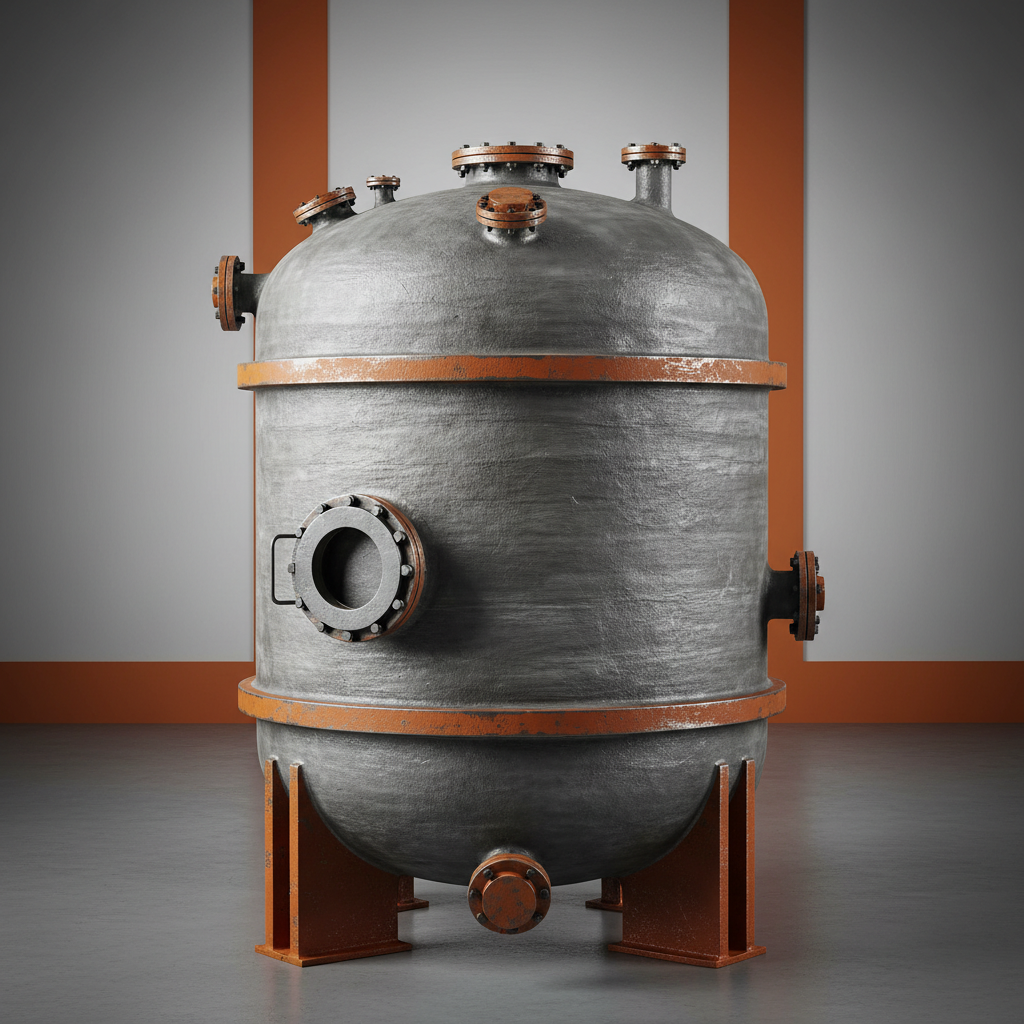
The global food processing industry is undergoing a significant material shift, moving away from traditional metals that are prone to corrosion and toward advanced composites. Among these, fiberglass food grade equipment has emerged as a gold standard for facilities requiring high hygiene levels, chemical resistance, and long-term structural integrity. By integrating glass-reinforced plastic (GRP) with food-safe resins, manufacturers can now deploy systems that withstand aggressive cleaning agents without leaching harmful substances into the food chain.
Ensuring food safety is no longer just about temperature control; it is about the very surfaces and vessels that touch our nutrients. The adoption of fiberglass food grade equipment addresses the critical challenge of microbial growth and oxidation, which often plague stainless steel in high-salinity or acidic environments. From large-scale fermentation tanks to specialized piping systems, these materials offer a non-porous finish that simplifies sterilization and reduces downtime during maintenance cycles.
Understanding the nuances of FRP (Fiber Reinforced Plastic) in a culinary context allows plant managers to optimize their Capital Expenditure (CAPEX) while meeting stringent ISO and FDA standards. As global demand for processed foods rises, the reliance on durable, non-reactive, and lightweight infrastructure becomes paramount. This guide explores the technical advantages, practical applications, and future trajectory of integrating fiberglass food grade equipment into modern industrial food production.
Global Relevance of Fiberglass Food Grade Equipment
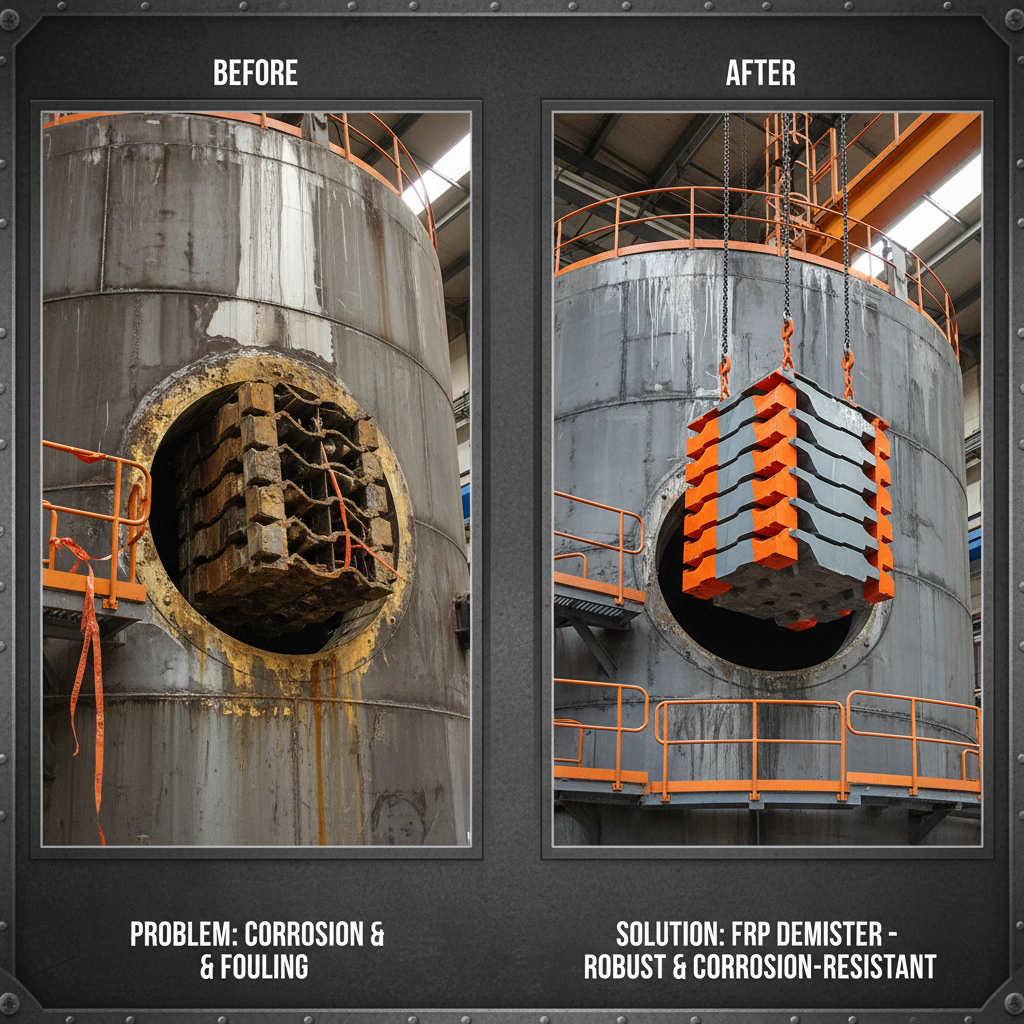
On a global scale, the pressure to maintain sterile production environments has never been higher. According to ISO guidelines and food safety authorities, the prevention of cross-contamination is the primary goal of any facility design. fiberglass food grade equipment provides a solution to the "corrosion dilemma" found in coastal processing plants or facilities handling high-acid ingredients like citrus or vinegar, where traditional metals fail prematurely.
Beyond mere durability, the lightweight nature of these composites reduces the energy required for installation and transport, aligning with the World Bank's push for sustainable industrialization. By reducing the frequency of equipment replacement, food producers can ensure a more stable supply chain and lower the risk of chemical leaching, which is essential for maintaining consumer trust in a transparent global market.
Defining Food-Grade FRP Standards
In simple terms, fiberglass food grade equipment refers to industrial components—such as tanks, pipes, and housings—constructed from glass-reinforced polyester or vinylester resins that have been certified as non-toxic and non-reactive. Unlike standard FRP used in construction, food-grade variants utilize specialized resins that do not release phthalates or BPA into the contents they hold, ensuring the purity of the food product remains intact.
The connection to modern humanitarian and industrial needs is profound. As we optimize food production to feed a growing global population, the need for "zero-leakage" and "zero-contamination" infrastructure becomes a matter of public health. These materials provide a seamless, monolithic surface that eliminates the joints and welds where bacteria typically thrive, bridging the gap between industrial efficiency and biological safety.
Furthermore, the "food-grade" designation is not merely a label but a rigorous technical requirement. It involves testing for migration limits and ensuring that the surface finish is smooth enough to prevent biofilm accumulation. This scientific approach to material selection ensures that the equipment can withstand the harsh cycles of Clean-in-Place (CIP) systems without degrading the surface quality over decades of use.
Core Components of High-Performance Equipment
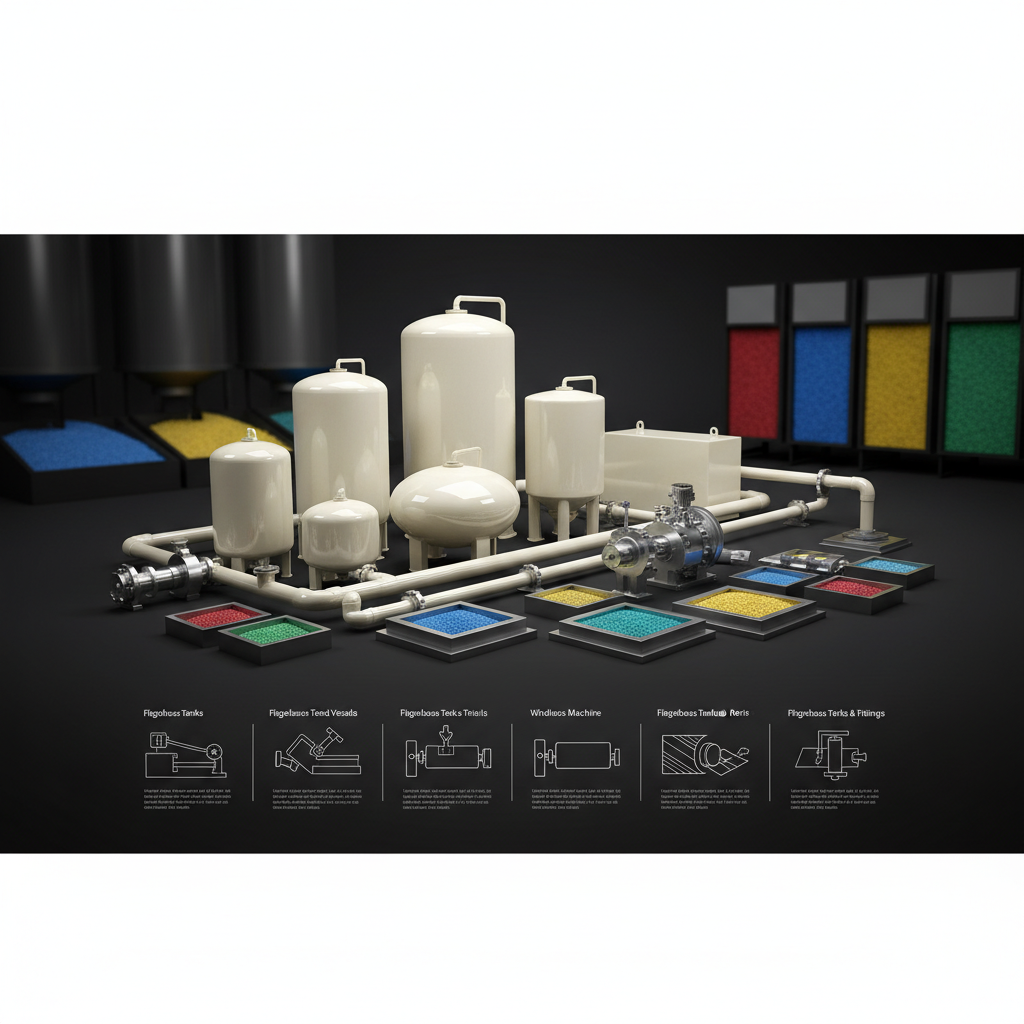
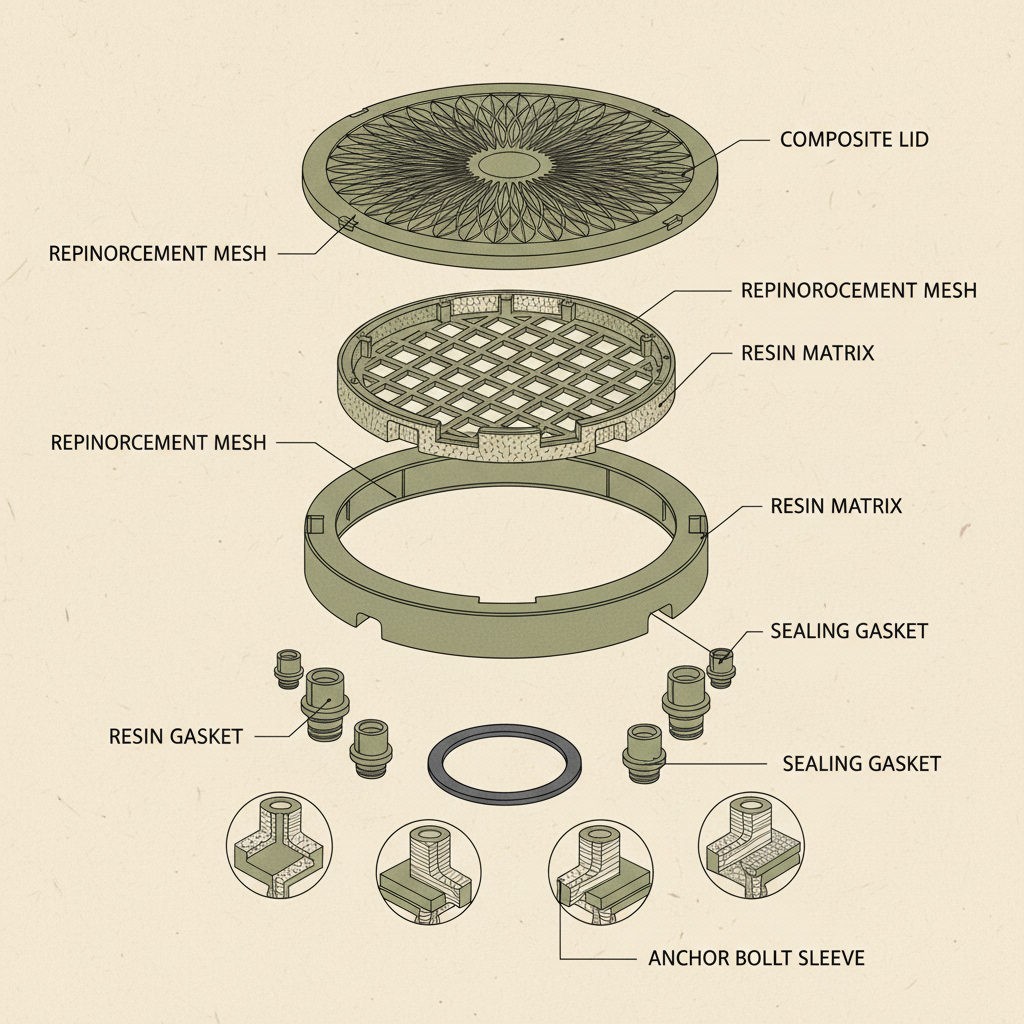
The efficacy of fiberglass food grade equipment relies heavily on its chemical composition. The first core component is the high-grade resin matrix, which acts as the primary barrier against liquid penetration. When paired with high-density glass fibers, this matrix provides the structural strength necessary to handle massive volumes of liquid while remaining completely inert.
Surface smoothness and "gel-coat" integrity are the second critical factors. A high-quality food-grade gel coat creates a mirror-like finish that prevents food particles from sticking to the walls of the equipment. This is vital for fiberglass food grade equipment because it allows for rapid drainage and complete sterilization, reducing the amount of water and chemicals needed for cleaning.
Finally, thermal stability and scalability play a huge role in practical application. These systems can be engineered to handle a wide range of temperatures, from cryogenic storage to warm fermentation. Because FRP is molded, it allows for the creation of complex, customized shapes that fit perfectly into existing factory footprints, offering a level of scalability that modular steel tanks cannot match.
Economic and Operational Efficiency Analysis
When analyzing the total cost of ownership (TCO), fiberglass food grade equipment often outperforms stainless steel in high-corrosion environments. While the initial procurement cost is competitive, the real savings manifest in the absence of painting, coating, or rust-treatment requirements. This leads to a significant reduction in operational downtime and labor costs associated with maintenance.
Operationally, the low thermal conductivity of FRP means that refrigerated food storage systems lose less energy through the walls of the vessels. This thermal efficiency, combined with the material's inherent strength-to-weight ratio, allows for easier facility upgrades and lower structural support requirements for ceiling-mounted tanks or large-scale silos.
Efficiency Comparison of Fiberglass Food Grade Equipment Methods
Real-World Industrial Applications
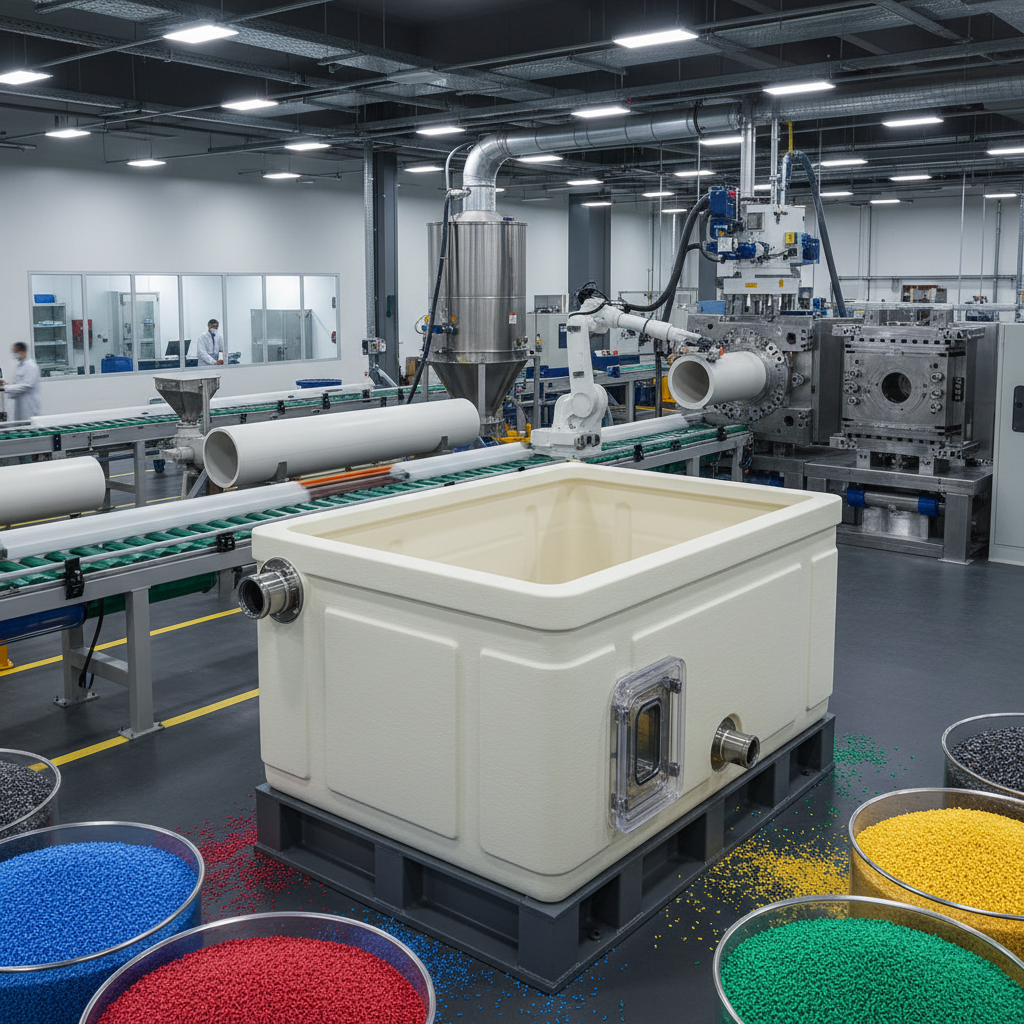
The versatility of fiberglass food grade equipment is best seen in the beverage and dairy industries. In large-scale wineries and breweries, FRP fermentation tanks provide an ideal environment where the absence of metallic ions prevents the alteration of the drink's flavor profile. These facilities rely on the non-reactive nature of the composite to ensure that the organic chemistry of the product remains pure.
In remote industrial zones, such as fish processing plants in Alaska or Norway, the salt-heavy air destroys steel in months. Here, fiberglass piping and storage vessels are not just an option but a necessity. By deploying fiberglass food grade equipment, these organizations eliminate the need for frequent repairs, ensuring that food processing can continue uninterrupted regardless of the harsh external environment.
Long-Term Value and Sustainability
The long-term value of investing in fiberglass food grade equipment extends beyond the balance sheet; it is a commitment to sustainability. Because FRP does not rust, it eliminates the need for toxic anti-corrosion coatings and paints that can flake off and contaminate the food supply. This creates a safer ecosystem for both the workers and the end consumers, fostering a culture of trust and reliability.
From a social impact perspective, the reliability of these systems reduces food waste. When equipment fails due to corrosion, entire batches of product are often discarded to avoid contamination. By utilizing superior materials, food producers can guarantee a consistent output, which is critical in the fight against global food insecurity. The longevity of the equipment—often spanning 30 to 50 years—drastically reduces the carbon footprint associated with manufacturing new steel vessels.
Ultimately, the transition to composites represents a logical evolution in food engineering. It balances the need for extreme hygiene with the demand for industrial scalability. By choosing fiberglass food grade equipment, companies are not just buying a tank or a pipe; they are investing in a future-proof infrastructure that prioritizes health, efficiency, and environmental stewardship.
Future Innovations in Food-Grade Composites
The next frontier for fiberglass food grade equipment lies in the integration of "smart materials." We are seeing the emergence of embedded sensors within the FRP walls that can monitor temperature, pH levels, and structural stress in real-time. This digital transformation allows for predictive maintenance, where the equipment can signal for a cleaning cycle or a structural check before a failure occurs.
Furthermore, the industry is moving toward bio-based resins to further enhance the "green" credentials of these products. By replacing petroleum-based resins with plant-derived alternatives, the next generation of fiberglass food grade equipment will be fully recyclable, closing the loop on the industrial lifecycle. This shift aligns with global policies pushing for a circular economy in the manufacturing sector.
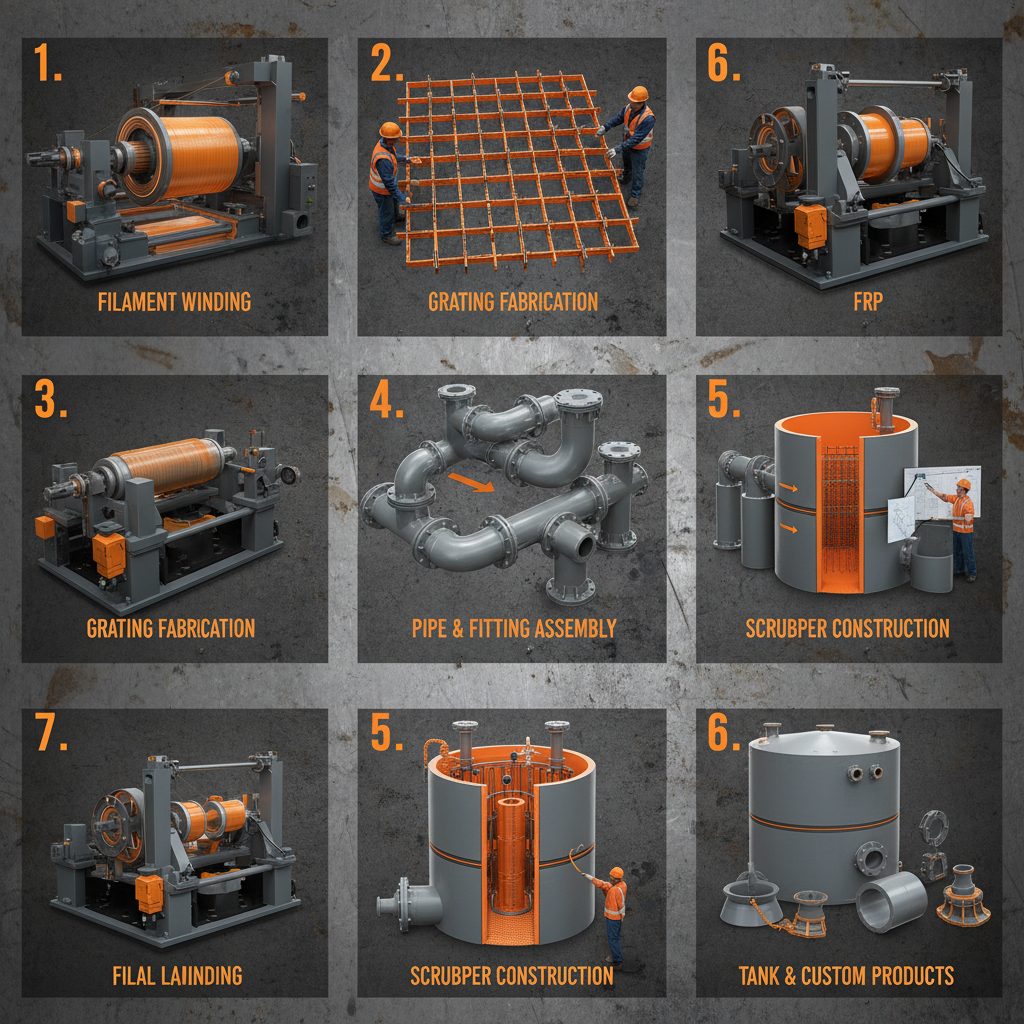
Automation in fabrication, such as robotic filament winding, is also increasing precision. This means that tolerances are tighter, and surface finishes are even smoother, further reducing the risk of bacterial adherence. As these technologies mature, the cost of high-end composite equipment will continue to drop, making food-grade FRP accessible to small-scale artisanal producers as well as industrial giants.
Comparison of Fiberglass Food Grade Equipment Performance Across Material Types
| Material Variant |
Corrosion Resistance |
Hygiene Rating |
Life Cycle Cost |
| Standard Polyester FRP |
Medium |
7/10 |
Low |
| Vinylester Food Grade |
Very High |
10/10 |
Medium |
| Epoxy Composite |
High |
9/10 |
High |
| Stainless Steel 316 |
High |
10/10 |
Very High |
| HDPE Plastic |
High |
8/10 |
Low |
| Dual Laminate FRP |
Extreme |
10/10 |
Medium-High |
FAQS
Yes, provided that a certified food-grade resin (such as specific vinylesters) and a compliant gel coat are used. These materials are specifically engineered to be non-reactive, meaning they will not leach chemicals or alter the taste and pH of acidic substances like vinegar or citrus juices, unlike some lower-grade metals.
FRP offers a seamless, joint-free surface that eliminates the crevices and weld points where bacteria often hide in steel tanks. While both are hygienic, the non-porous nature of food-grade fiberglass makes it exceptionally resistant to the corrosive chemicals used in industrial cleaning, preventing the "pitting" often seen in stainless steel.
Depending on the environment and maintenance, high-quality food-grade FRP equipment typically lasts between 30 and 50 years. Its resistance to oxidation and corrosion means it does not suffer from the structural degradation that affects metals, making it a far more durable long-term investment for food processing plants.
Yes, but it depends on the resin used. High-performance epoxy or vinylester resins can be engineered to withstand significant thermal cycles. When specifying equipment, it is important to define the maximum operating temperature to ensure the glass transition temperature (Tg) of the resin exceeds the sterilization requirements.
While the initial cost may be higher than simple HDPE or polypropylene, the structural strength and longevity of FRP provide a much lower cost-per-year. FRP can handle much larger volumes and higher pressures than standard plastics, reducing the need for external reinforcement and simplifying overall plant design.
Always request material safety data sheets (MSDS) and third-party certifications such as FDA (USA) or EFSA (EU) compliance certificates. A reputable supplier will provide documentation proving that the resins and gel coats used in the fabrication process meet the specific migration limits for food contact.
Conclusion
The integration of fiberglass food grade equipment represents a pivotal shift toward a safer, more efficient, and more sustainable food production industry. By combining the structural strength of glass fibers with the chemical inertness of food-safe resins, manufacturers can effectively eliminate the risks of corrosion and contamination. From the reduction of operational downtime to the enhancement of product purity, the benefits of FRP are evident across every stage of the supply chain, proving that advanced composites are the optimal choice for modern hygienic infrastructure.
Looking forward, the evolution of bio-resins and smart-sensor integration will further solidify the role of fiberglass food grade equipment as the backbone of global food security. We encourage facility managers and engineers to move beyond traditional material constraints and embrace the versatility of GRP to future-proof their operations. For those seeking high-performance, certified food-grade solutions that balance cost and quality, exploring advanced composite options is the most strategic path forward. Visit our website: www.jrain-frp.com