High-Performance FRP Scrubber Solutions for Bolivia's Industrial Sector

Engineered for extreme corrosive environments, providing sustainable and durable fiber-reinforced plastic infrastructure across the Bolivian highlands and lowlands.

High-Performance FRP Scrubber Solutions for Bolivia's Industrial Sector

We provide comprehensive fiber-reinforced plastic engineering to solve the toughest corrosion and structural challenges in Bolivia's mining and chemical processing plants.

Current State of FRP Manufacturing in Bolivia

Analyzing the intersection of geography and material science in the Andean region.

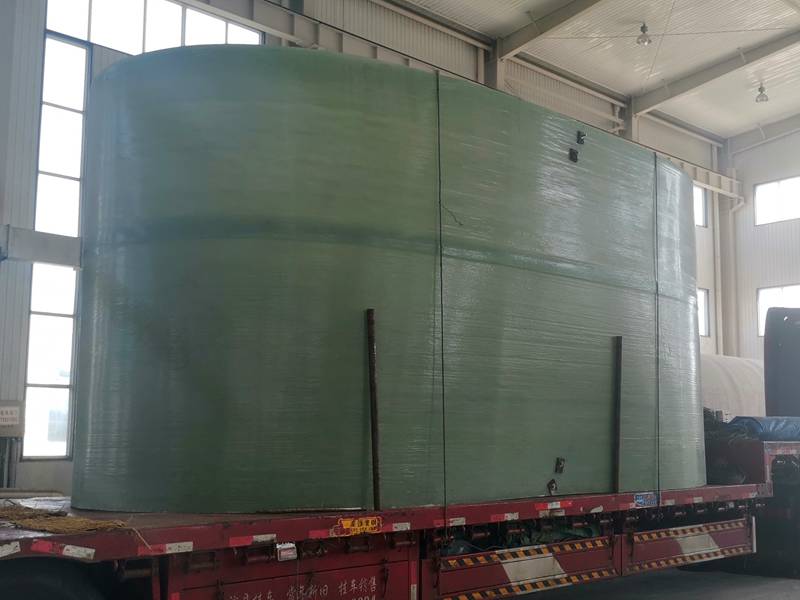
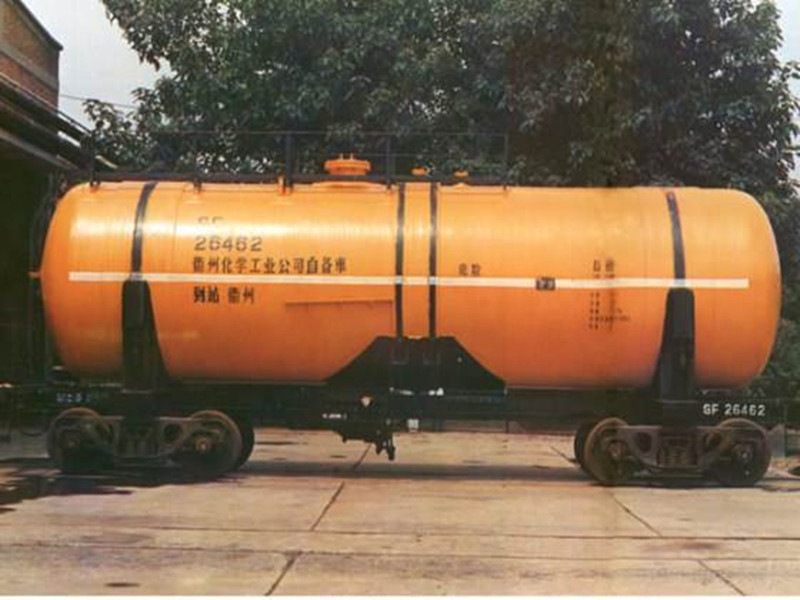
In Bolivia, the industrial landscape is heavily influenced by the mining sector and chemical processing, where extreme altitude and varying humidity levels create a challenging environment for traditional steel infrastructure. The demand for a high-quality FRP Tank has risen as operators seek to eliminate rust and corrosion caused by aggressive leachates in lithium and silver mining.

Geographically, the contrast between the Altiplano and the tropical lowlands requires materials that can withstand both intense UV radiation and high humidity. Traditional metallic piping often fails prematurely, leading to a strategic shift toward the installation of FRP Pipe systems that offer superior longevity and lower maintenance costs in remote regions.

Despite the growing need, the local market often struggles with the lack of high-precision FRP Customized Product options. This gap has created a significant opportunity for international standards of manufacturing to enter the Bolivian market, emphasizing the transition from generic plastics to high-strength, fiber-reinforced composites.
Evolution and Trajectory of FRP Technology in Bolivia

From basic resin casting to advanced composite engineering.

Market Development History

During the early 2000s, the Bolivian market primarily relied on imported heavy steel equipment. However, the high cost of maintenance and the frequent failure of steel in acid-rich environments led to the introduction of basic polyester-based FRP products around 2010.

Between 2012 and 2018, the industry witnessed a shift toward specialized chemical resistance. The adoption of vinyl ester resins allowed for the deployment of more sophisticated FRP Cover solutions and larger storage units, specifically designed for the corrosive reagents used in mineral extraction.

By 2020, the focus evolved from simple replacement to integrated system design. The integration of filament winding technology has now enabled the production of high-pressure systems, marking the era of modern composite infrastructure in the region.

Future Development Trends

Hybrid Reinforcement Materials

The next 3 years will see a shift toward carbon-fiber hybrid composites to increase the strength-to-weight ratio for transportation in mountainous Bolivian terrains.

Smart Monitoring Integration

Following global Google search trends for "Industrial IoT," we expect the integration of embedded sensors within FRP walls to monitor structural integrity in real-time.

Eco-Friendly Bio-Resins

There is a growing trajectory toward sustainable chemistry, reducing the VOC emissions during the manufacturing of large-scale industrial components.

Industry Trends and Future Outlook

Predicting the shift toward high-durability composite ecosystems.

Corrosion Zero Initiative
Replacing all legacy steel conduits with composite materials to achieve zero-maintenance goals in chemical plants.
Modular FRP Design
Development of prefabricated modular units to reduce on-site installation time in remote Bolivian locations.
UV-Resistant Polymers
Implementing advanced gel coats to prevent FRP degradation under the intense high-altitude solar radiation of Bolivia.
Closed-Loop Recycling
Developing pyrolysis methods to recycle end-of-life FRP components, aligning with Bolivia's environmental goals.

Industry Outlook

The long-term outlook for the fiber-reinforced plastics industry in Bolivia is strongly tied to the "Lithium Triangle" expansion. As the nation scales up lithium carbonate production, the need for highly specialized, chemically inert storage and transport systems will surge.

We anticipate a transition toward "Integrated Composite Hubs," where the design of FRP Customized Product lines are optimized using AI-driven simulation to withstand the specific seismic and thermal pressures of the Andes region.

Localized Application Scenarios in Bolivia

Practical implementations of FRP technology across various Bolivian industrial sectors.

01. Lithium Extraction Plants in Potosí

Deployment of large-capacity FRP Tank units for the storage of brine and chemical reagents, ensuring zero leakage and total corrosion resistance in the Salar de Uyuni region.

02. Mining Tailings Management in Oruro

Installation of heavy-duty FRP Pipe networks to transport abrasive slurry and acidic waste, reducing the frequency of pipeline bursts compared to HDPE or steel.

03. Industrial Emission Control in Santa Cruz

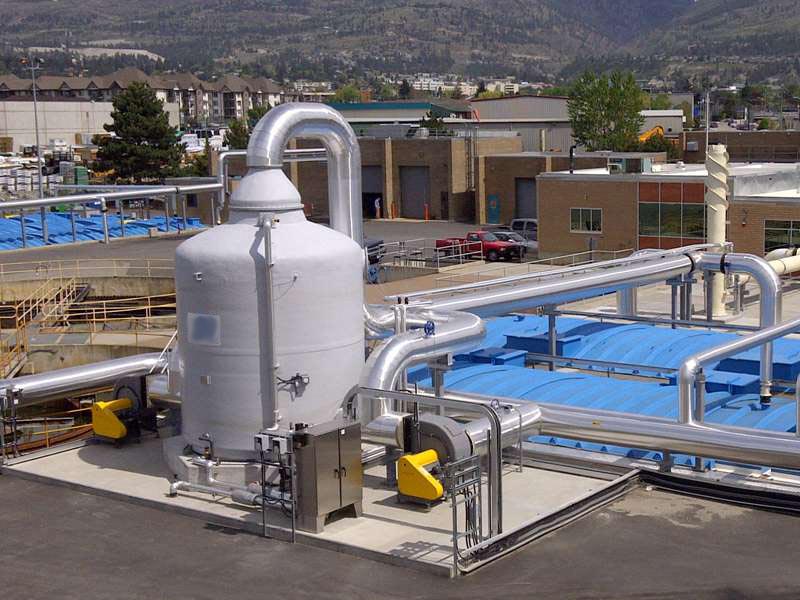
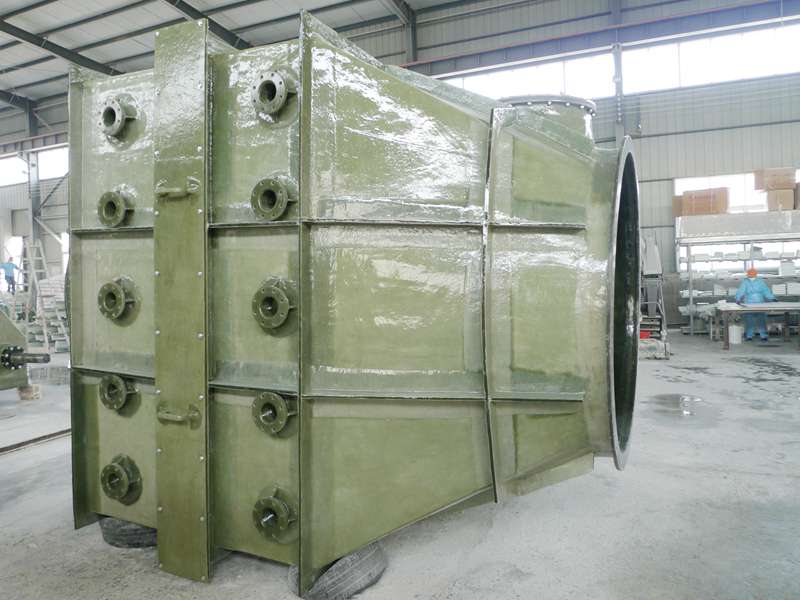
Integration of FRP Scrubber systems in agro-industrial processing plants to neutralize hazardous gases, meeting strict local environmental air quality standards.

04. Municipal Water Treatment in La Paz

Use of FRP Customized Product components for high-altitude water filtration systems that require high structural strength and resistance to freeze-thaw cycles.

05. Chemical Warehouse Protection

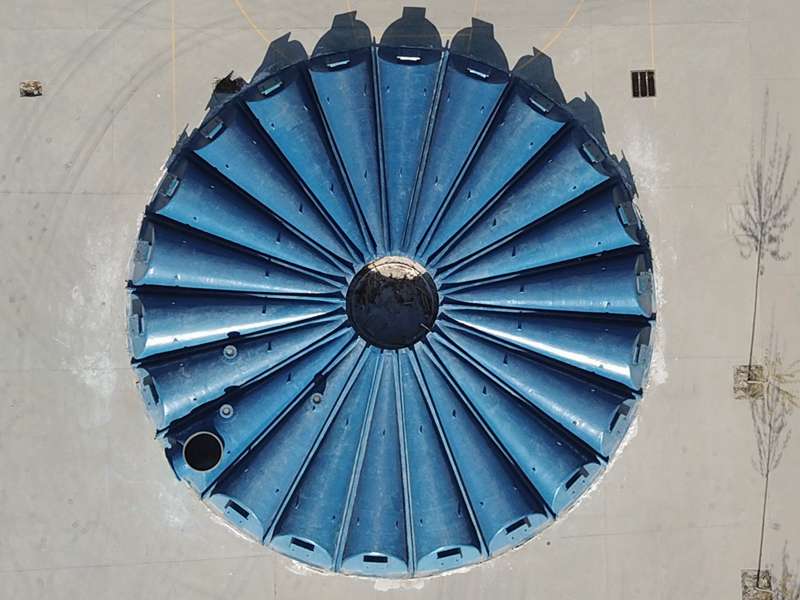
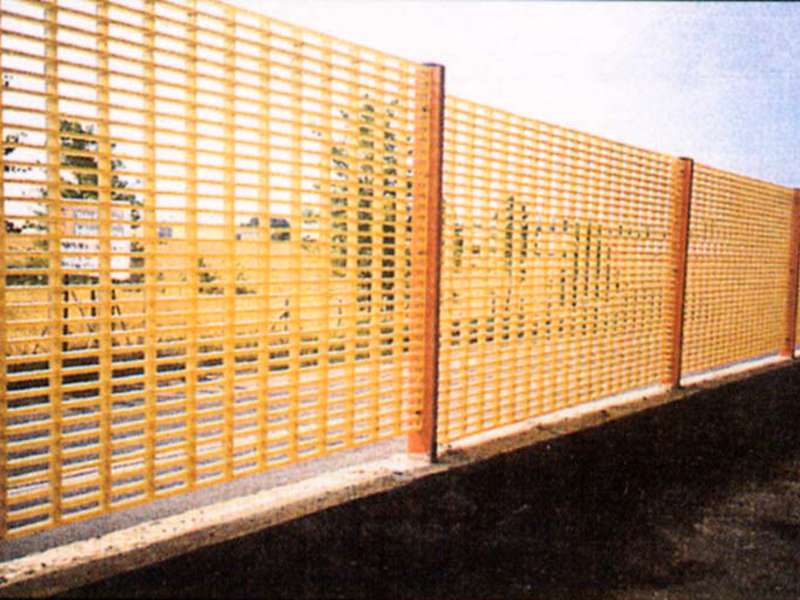
Application of high-impact FRP Cover plates for flooring and drainage channels in chemical storage facilities to prevent groundwater contamination.

Brand Story

Global Development Journey of Hengshui Jiarun FRP Co., Ltd.

The Foundation of Excellence

Founded with a vision to solve industrial corrosion, we began by mastering the chemistry of reinforced polymers to replace failing metallic structures.

Technological Breakthroughs

We invested in advanced filament winding and pultrusion technology, allowing us to create high-pressure composites that exceed international ASTM standards.

Expanding Global Horizons

By optimizing our logistics and engineering support, we extended our reach to South America, adapting our products to the unique climates of the Andean region.

Solving Complex Pain Points

Our mission shifted toward customized problem-solving, focusing on the extreme corrosive needs of the global mining and petrochemical industries.

A Future of Sustainability

Today, we lead the way in sustainable composite manufacturing, ensuring that every product reduces the environmental footprint of our global clients.

Comprehensive FRP Product Portfolio for Bolivia

A full suite of corrosion-resistant solutions tailored for Bolivian industrial infrastructure.

Common Questions Regarding FRP in Bolivia

Technical insights for engineers and procurement managers in the region.

How does an FRP Tank handle high UV exposure in the Altiplano?

Our tanks are engineered with specialized UV-resistant gel coats and additive resins that prevent fiber blooming and structural degradation under intense high-altitude solar radiation.

Can FRP Pipe withstand the abrasive nature of Bolivian mineral slurries?

Yes, by utilizing high-density synthetic veils and specialized resin liners, our piping provides superior abrasion resistance compared to standard plastics and carbon steel.

What makes an FRP Scrubber ideal for the chemical plants in Santa Cruz?

The inherent chemical resistance of FRP allows scrubbers to operate with aggressive neutralizing agents without the risk of pitting or oxidation, ensuring a longer operational lifespan.

Are FRP Customized Product designs compliant with international safety standards?

Absolutely. All our customized designs follow ASME RTP-1 and ASTM guidelines to ensure safety, pressure tolerance, and structural integrity.

How is an FRP Cover installed in existing industrial drainage systems?

Our covers are designed for precision fitment and can be integrated using chemical anchoring or mechanical fastening, providing a seamless, leak-proof seal.

What is the average lifespan of FRP composites in the Bolivian mining sector?

Depending on the chemical concentration and environmental conditions, our FRP systems typically last 20-50 years, significantly outperforming coated steel.

Consult Our Composite Experts Today

Looking for durable, corrosion-resistant infrastructure in Bolivia? Our engineering team is ready to provide technical support and customized quotes for your project in Bolivia.

Contact Us Now

If you are interested in our products, you can choose to leave your information here, and we will be in touch with you shortly.