Industrial FRP Scrubber Solutions for Argentina's Chemical Sector

High-performance Fiber Reinforced Plastic engineering tailored for the rigorous industrial environmental standards of the Argentine Republic.

Industrial FRP Scrubber Solutions for Argentina's Chemical Sector

Providing corrosion-resistant infrastructure including FRP Scrubber systems and customized composites designed to withstand the volatile industrial climates of South America.

Current State of Composite Manufacturing in Argentina

Analyzing the adoption of FRP technology in the Southern Cone's industrial hubs.

In Argentina, the manufacturing landscape is currently shifting from traditional carbon steel to composite materials due to the high salinity and humidity found in coastal industrial zones like Bahía Blanca. The demand for FRP Tank installations has surged as chemical plants seek to eliminate the recurring costs of rust-related maintenance.

Economically, the region faces fluctuations that drive the need for long-lifecycle infrastructure. Argentine industries are increasingly prioritizing "life-cycle cost" over "initial purchase price," leading to a widespread implementation of FRP Pipe networks for aggressive fluid transport in mining and agricultural processing.

Furthermore, environmental regulations from the Argentine government regarding air emissions have forced older factories to modernize. This has created a critical need for high-efficiency FRP Customized Product designs that can integrate into existing legacy systems while meeting modern toxicity standards.
Evolution and Technical Trajectory of FRP in Argentina

From basic hand-layup methods to advanced automated composite winding.

Market Development History

During the 1990s, the Argentine market relied primarily on imported metallic equipment and basic hand-layup FRP for simple covers. The technology was limited to low-pressure applications with minimal structural reinforcement.

Between 2005 and 2015, the introduction of filament winding technology allowed for the domestic production of larger scale vessels. This era saw the rise of the FRP Cover as a standard protective measure for hazardous waste storage sites across the Pampas region.

From 2016 to the present, the integration of vinyl ester resins and carbon-fiber hybrids has enabled the manufacture of high-pressure components. The shift toward "smart composites" now allows for embedded sensors within the FRP matrix for structural health monitoring.

Future Development Trends

Integration of Thermoplastic Composites

A shift toward recyclable thermoplastic resins to align with Argentina's emerging green economy and circular manufacturing goals.

Automated Fiber Placement (AFP)

The transition from manual winding to robotic placement to ensure zero-defect tolerances in critical FRP Pipe systems.

Advanced Nanocomposite Coatings

The application of graphene-enhanced surfaces to provide superior chemical resistance against the specific acidic by-products of Argentine lithium mining.

Industrial Outlook: The Future of Argentina's FRP Sector

Strategic forecasts based on regional infrastructure growth and search trends.

Sustainability-Driven Demand
Increased search volume for eco-friendly composites as Argentina updates its environmental protection laws.
Modularization of Plant Design
Trend toward prefabricated FRP modules that can be rapidly shipped and installed across diverse provinces.
Corrosion Resistance Optimization
Development of hybrid resin systems to tackle the unique chemical cocktails used in Argentine agro-industry.
Digital Twin Engineering
Using 3D modeling and simulation to optimize FRP weight while maximizing structural integrity for Argentina's seismic zones.

Industry Outlook

Over the next 3-5 years, the Argentine market will likely see a convergence of digitalization and material science. Google search trends indicate a growing interest in "low-maintenance chemical storage," suggesting that the transition to FRP will accelerate as labor costs for traditional maintenance rise.

Furthermore, with the expansion of the Vaca Muerta shale formation, the demand for high-pressure FRP Pipe and specialized fluid handling systems will outpace general industrial growth, making Argentina a key hub for composite innovation in South America.

Localized Application Scenarios in Argentina

Real-world implementations of FRP technology across various Argentine sectors.

01. Agricultural Chemical Storage in Santa Fe

Implementation of massive FRP Tank systems for the storage of liquid fertilizers, preventing soil contamination through superior leak-proof composite seams.

02. Mining Effluent Management in Jujuy

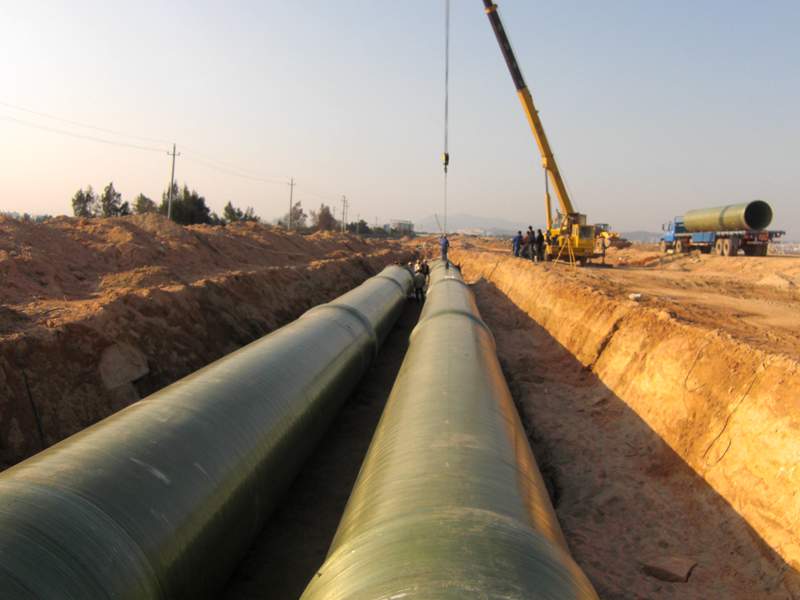
Installation of high-durability FRP Pipe networks to transport corrosive acidic tailings in high-altitude mining environments where traditional steel fails within months.

03. Industrial Air Purification in Buenos Aires

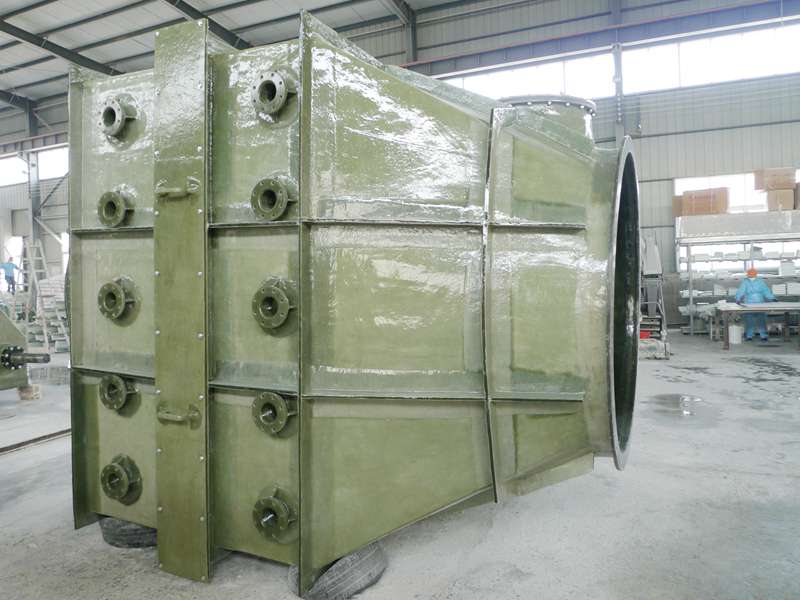
Deployment of custom-engineered FRP Scrubber units for urban chemical plants to neutralize toxic fumes and comply with strict metropolitan environmental codes.

04. Oil & Gas Component Protection in Neuquén

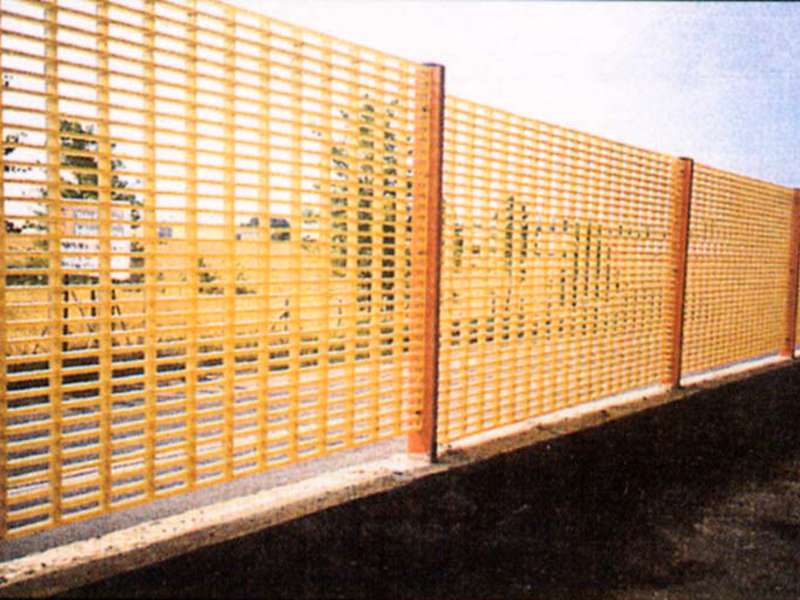
Use of heavy-duty FRP Cover systems to protect sensitive valves and instrumentation from the harsh, wind-swept conditions of the Patagonia region.

05. Specialized Pharmaceutical Equipment in Córdoba

Design and manufacture of an FRP Customized Product line for sterile chemical mixing vessels, ensuring zero metallic contamination in medical-grade production.

Brand Story

Global Development Journey of Hengshui Jiarun FRP Co., Ltd.

Foundational Engineering Excellence

Our journey began with a commitment to solving the fundamental problem of industrial corrosion, focusing on the precise chemistry of resin-glass bonding.

Technological Diversification

We expanded our capabilities from simple molded parts to complex filament winding, enabling the production of high-pressure industrial vessels.

Global Market Expansion

By adopting international ASTM and ISO standards, we successfully brought our composite solutions to the most demanding markets in South America.

Innovation in Customization

We pivoted toward a "solution-first" approach, creating bespoke FRP designs that address specific geological and chemical challenges for each client.

The Green Composite Mission

Today, our mission is to lead the industry toward sustainable composite manufacturing, reducing the environmental footprint of global industrial infrastructure.

Comprehensive FRP Product Portfolio for the Argentine Market

Integrated composite solutions for chemical, mining, and water treatment industries.

FRP Industrial Solutions FAQ - Argentina

Addressing the most common technical and logistical queries from our regional partners.

How does a customized FRP Tank handle extreme temperature fluctuations in Patagonia?

We use specialized resin blends with optimized glass transition temperatures (Tg) and thermal expansion coefficients to ensure the tank maintains structural integrity during the severe temperature swings common in southern Argentina.

What are the installation advantages of an FRP Pipe network over stainless steel?

FRP piping is significantly lighter, reducing transportation costs to remote sites, and eliminates the need for expensive welding and cathodic protection, as it is inherently immune to galvanic corrosion.

Can an FRP Scrubber be integrated into an existing metallic ventilation system?

Yes, we design customized adapter flanges and transition couplings that allow our FRP scrubbers to connect seamlessly to existing steel ductwork while preventing corrosion at the interface.

What certifications should I look for in an FRP Customized Product for chemical use?

Ensure products comply with ASME RTP-1 or ASTM D3299 standards, which guarantee the laminate thickness, resin content, and hydrostatic pressure ratings required for safe industrial operation.

Is an FRP Cover suitable for high-UV exposure in high-altitude Andean regions?

Absolutely. We incorporate UV-stabilized gel coats and paraffin-wax additives to prevent resin degradation and "fiber blooming" caused by the intense solar radiation found in the Andes.

What is the typical lifespan of FRP equipment in the Argentine agro-industry?

Depending on the chemical concentration and resin choice, our FRP equipment typically lasts 20-30 years, far exceeding the 5-10 year lifespan of coated carbon steel in aggressive environments.

Connect With Our Engineering Experts

Ready to upgrade your industrial infrastructure with world-class composite technology in Argentina?

Contact Us Now

If you are interested in our products, you can choose to leave your information here, and we will be in touch with you shortly.