



Fiberglass Duct Solutions for Industrial Ventilation | Durable & Lightweight
Fiberglass Duct: Durable Solutions for Industrial Ventilation
Having spent more than a decade working around industrial equipment and ventilation, I often find it fascinating how something as “simple” as ductwork can make or break an entire system. Fiberglass duct is one of those unsung heroes in the sector. It’s not flashy, but it’s reliable, versatile, and frankly, underappreciated unless you’ve had to maintain or replace obsolete metal ducts in corrosive environments.
Now, if you’re wondering why fiberglass ranks so highly among materials for ventilation ducts, the answer isn’t just about rust resistance. It’s a blend of properties — lightweight strength, chemical resistance, and thermal stability — that add up to something quite robust in real-world applications. I remember early on at a petrochemical plant how swapping out steel ducts for fiberglass runs drastically cut downtime caused by corrosion issues. Engineers were pleasantly surprised, kind of like when you uncover a better-than-expected tool in your kit.
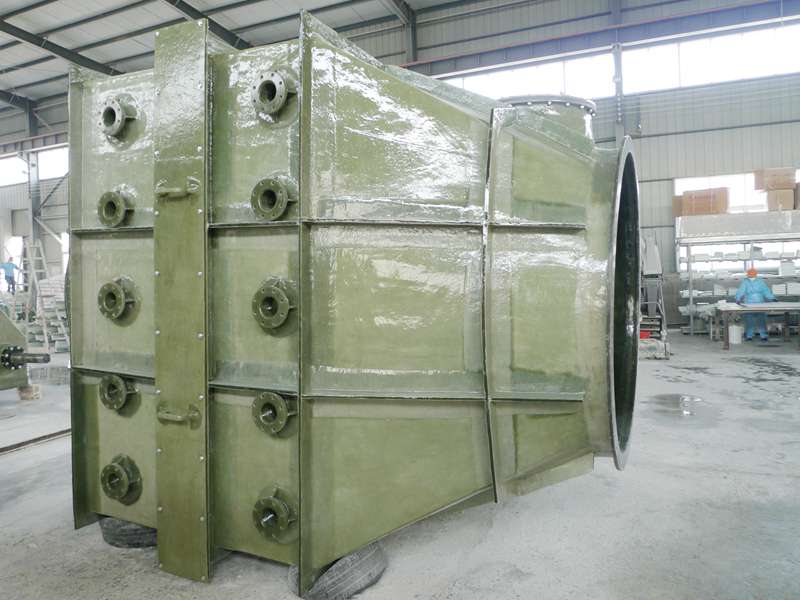
Fiberglass duct manufacturing involves layering glass fibers bonded with resin, creating a composite that handles tough conditions without the weight penalty of steel. The smooth internal finish also helps airflow, reducing energy costs — a detail many operators overlook until they see the bills. Plus, fiberglass ducts can be tailored in diameter, thickness, and lining materials to match specific project requirements.
| Property | Value | Units |
|---|---|---|
| Diameter Range | 100 - 1600 | mm |
| Temperature Resistance | -40 to 120 | °C |
| Corrosion Resistance | Excellent | - |
| Density | 1.8 - 2.2 | g/cm³ |
| UV Resistance | Good | - |
From a practical standpoint, one thing I’ve noticed is the ease with which fiberglass ducts can be customized, compared with traditional materials. Whether it’s adding internal coatings for abrasion resistance or varying wall thicknesses, it feels like there’s a design solution for nearly every industrial challenge.
Moreover, these ducts tend to last longer in environments laden with chemicals or salt air — which means fewer replacements over time and less disruption. I suppose that’s one reason many maintenance teams prefer fiberglass; they’ve witnessed firsthand how rust and metal fatigue can cripple a plant line.
When shopping for fiberglass duct, though, it’s helpful to know how some vendors stack up. Below is a quick comparative snapshot I put together, based on years of sourcing and feedback from peers in the field:
| Vendor | Product Range | Customization Options | Lead Time | Price Level |
|---|---|---|---|---|
| Jrain FRP | Wide (100–1600mm) | High | 2-3 Weeks | Moderate |
| Vendor B | Medium (150–800mm) | Medium | 3-5 Weeks | Low |
| Vendor C | Narrow (100–500mm) | Low | 1-2 Weeks | High |
Among these, I’m a bit partial to Jrain FRP — not just because of their solid reputation but because their products hit a sweet spot between customizability and delivery time. I recall a recent project where the ability to specify both diameter and wall reinforcement on short notice saved a tight schedule. Frankly, that kind of flexibility is golden in industrial settings.
Of course, installation and maintenance also matter. Fiberglass duct is generally easier to handle on-site due to its weight, but installers should still wear protective gear — those fibers can irritate skin and lungs if you're careless. It’s a small price to pay for the benefits, though, especially when compared to the hassles with metals.
In summary, whether you're retrofitting or designing a new system, fiberglass ductwork brings an excellent blend of durability, adaptability, and cost effectiveness that’s hard to beat. Many engineers I’ve met say it’s a quiet champion in the ventilation field — not always top of mind, but vital nonetheless.
Here’s to clean air and solid ducts!
References
- Industry case studies on corrosion resistance in duct materials.
- Technical datasheets from fiberglass duct manufacturers.
- Personal notes from industrial HVAC project managers and engineers.


Latest news
-
Industrial High Pressure Fiberglass Pipe Guide and Technical SpecsNewsApr.16,2026
-
Industrial Storage Guide for Fiberglass Chemical TanksNewsApr.09,2026
-
Explore Durable and Customizable Custom Fiberglass Tanks for Your IndustryNewsApr.07,2026
-
Comprehensive Guide to Fiberglass Roof Tanks for Liquid Storage SolutionsNewsApr.04,2026
-
Comprehensive Guide to Durable and Corrosion Resistant Glass Fiber TanksNewsMar.31,2026
-
Comprehensive Guide to Tank Fiberglass Solutions and Their Diverse ApplicationsNewsMar.28,2026