

Comprehensive Guide to Fiberglass Settlers for Wastewater and Industrial Applications
Understanding Fiberglass Settlers: A Comprehensive Guide
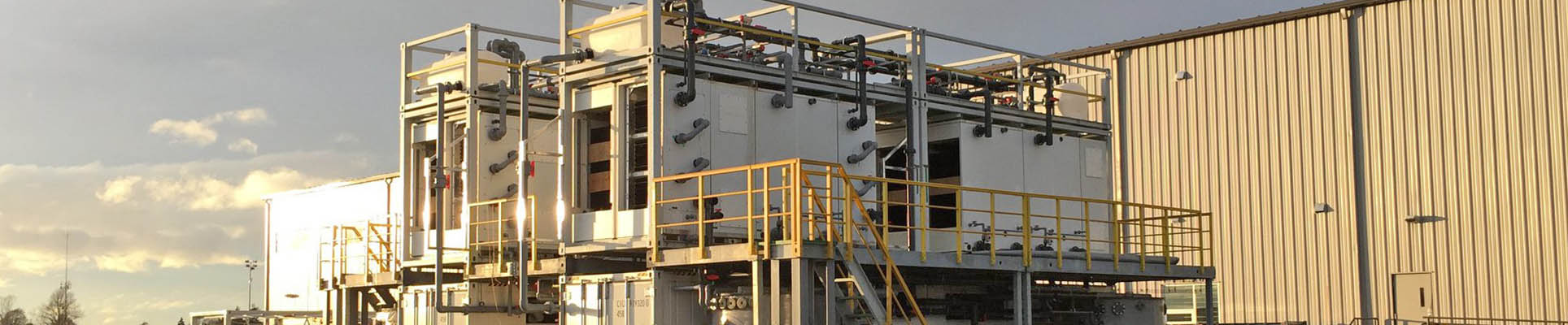
Fiberglass settlers are essential components in wastewater treatment and industrial processes, playing a critical role in solid-liquid separation. They provide an efficient and cost-effective solution for clarifying liquids and removing settleable solids. This article dives deep into the world of fiberglass settlers, exploring their design, applications, benefits, and considerations for optimal performance. Choosing the right settler is crucial for ensuring efficient process operation and meeting environmental regulations. JRain FRP specializes in high-quality, custom-engineered fiberglass settlers designed to meet the unique needs of your application.
What is a Fiberglass Settler?
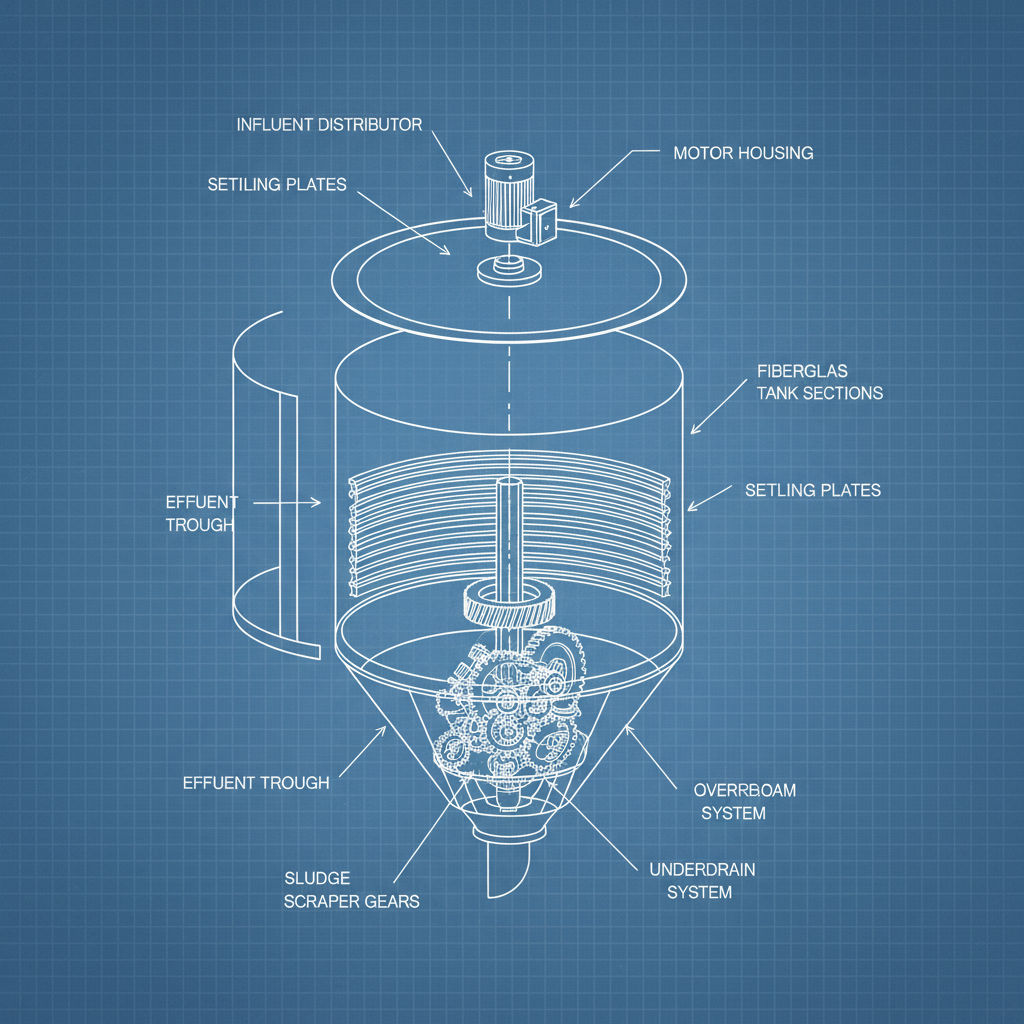
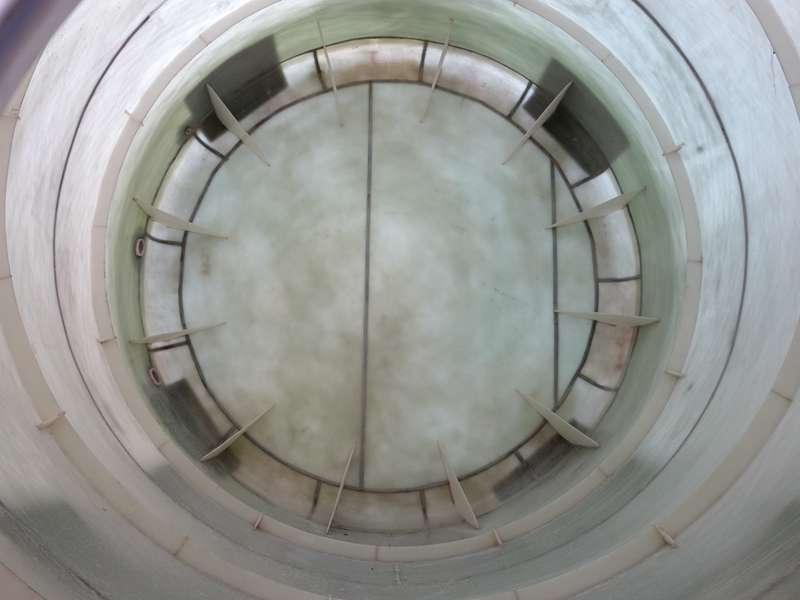
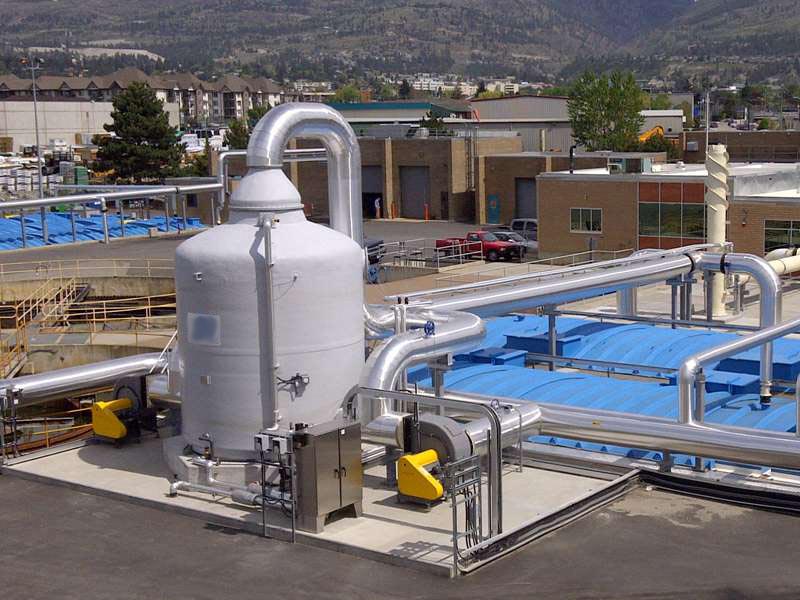
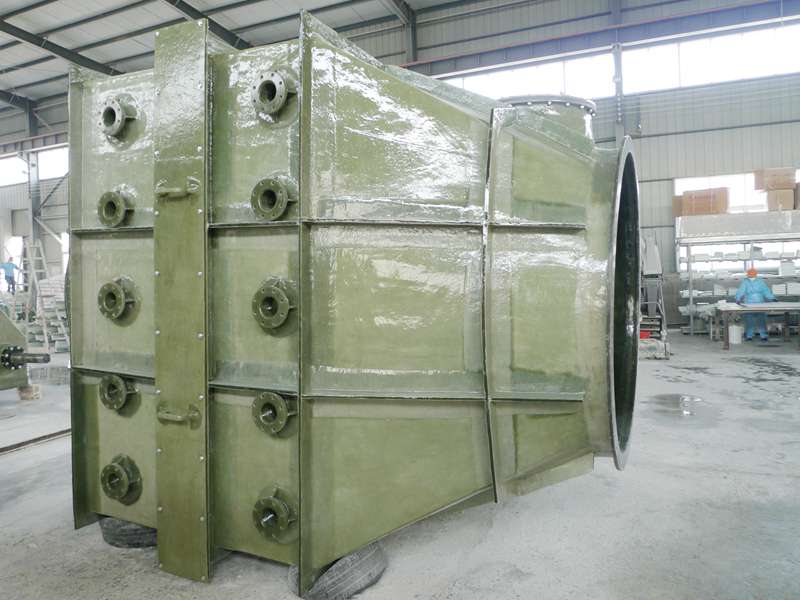
A fiberglass settler, also known as a clarifier, is a tank or vessel designed to remove suspended solids from liquids through gravity settling. The principle is simple: solids denser than the liquid settle to the bottom of the settler, while clarified liquid is drawn from the top. Fiberglass is a preferred material due to its corrosion resistance, lightweight nature, and cost-effectiveness compared to other materials like steel. Fiberglass settlers are commonly used in wastewater treatment plants, chemical processing, food and beverage industries, and mining operations. These units provide a reliable solution for separating solids and producing cleaner effluent.
Key Advantages: Corrosion Resistance, Lightweight, Cost-Effective, Durable, Low Maintenance.
Common Applications of Fiberglass Settlers
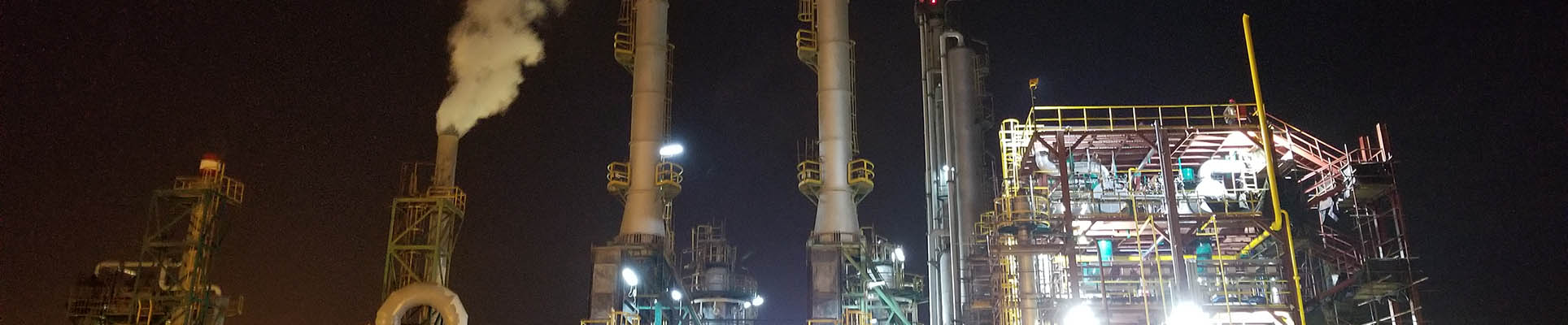
Fiberglass settlers find application across a wide spectrum of industries. In wastewater treatment, they are used for primary clarification to remove grit and settleable solids. In the chemical industry, they are used to separate byproducts or recover valuable materials from process streams. The food and beverage sector utilizes them for clarifying juices, wines, and other liquids. Mining operations employ settlers to separate solids from slurry streams. The versatility of fiberglass settlers makes them an indispensable tool for many industrial and municipal processes. Custom designs from companies like JRain FRP cater to the specific needs of each application.
Industry Applications:
• Wastewater Treatment
• Chemical Processing
• Food & Beverage
• Mining & Mineral Processing
Fiberglass Settler Design and Key Components
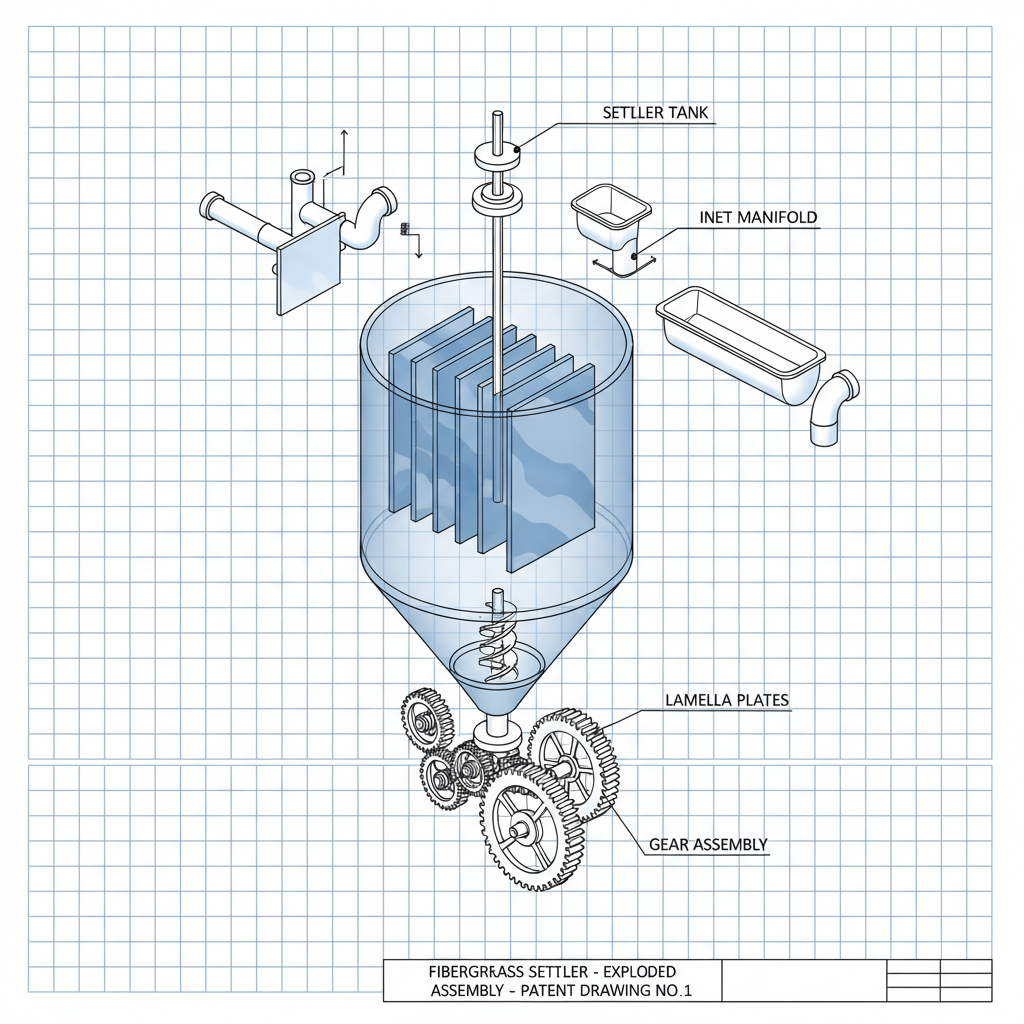
A typical fiberglass settler consists of several key components. The tank itself is constructed from fiberglass-reinforced plastic (FRP), ensuring corrosion resistance and structural integrity. An inlet diffuser distributes the influent evenly across the settler surface. Sloped bottom design facilitates solids collection and removal. An effluent weir or outlet structure collects the clarified liquid. Sludge hoppers collect the settled solids for removal and disposal. The design parameters, such as tank size, settling velocity, and weir loading rate, are crucial for optimal performance. JRain FRP offers customized design and engineering services to ensure a perfect fit for your specific requirements.
Fiberglass vs. Other Settler Materials: A Comparison
While settlers can be constructed from various materials, fiberglass offers significant advantages over traditional options like steel and concrete. Steel settlers are susceptible to corrosion, requiring frequent maintenance and costly repairs. Concrete settlers are heavy and prone to cracking. Fiberglass is lightweight, corrosion-resistant, and requires minimal maintenance. It also offers greater design flexibility, allowing for custom shapes and sizes. The initial cost of fiberglass may be slightly higher than steel, but the long-term cost of ownership is typically lower due to reduced maintenance and longer lifespan. JRain FRP provides cost-effective solutions without compromising quality.
Factors to Consider When Choosing a Fiberglass Settler
Selecting the right fiberglass settler requires careful consideration of several factors. These include the flow rate, solids loading, desired effluent clarity, and available space. The chemical composition of the influent stream is also crucial, as certain chemicals may require specific resin formulations. It's also important to consider the ease of maintenance and access for cleaning and repairs. JRain FRP’s team of experts can help you evaluate your specific needs and recommend the optimal settler configuration.
Conclusion: Investing in a Reliable Fiberglass Settler
Investing in a high-quality fiberglass settler from a reputable manufacturer like JRain FRP is a smart decision for any industry requiring effective solid-liquid separation. The benefits of corrosion resistance, durability, and low maintenance translate to long-term cost savings and reliable performance. Ensure efficient operation, meet environmental standards, and protect your investment with a properly designed and manufactured fiberglass settler.
Frequently Asked Questions (FAQs)
What is the typical lifespan of a fiberglass settler?
A properly maintained fiberglass settler can have a lifespan of 20-30 years or even longer. The longevity depends on factors such as the quality of the materials, the corrosive nature of the process fluid, and the frequency of maintenance. Regular inspections and prompt repairs of any damage are essential for maximizing the settler’s lifespan. Utilizing high-quality resins and construction techniques, as employed by JRain FRP, contributes to extended durability.
What maintenance is required for a fiberglass settler?
Fiberglass settlers require relatively low maintenance, but regular inspections are crucial. This includes checking for cracks, leaks, or damage to the fiberglass shell, inspecting the inlet diffuser and effluent weir for obstructions, and ensuring the sludge removal system is functioning properly. Periodic cleaning may be required to remove accumulated solids or debris. Adhering to a preventative maintenance schedule will help ensure optimal performance and extend the settler’s lifespan.
Can fiberglass settlers be customized to fit specific space constraints?
Yes, fiberglass settlers can be custom-designed and fabricated to fit specific space constraints and process requirements. JRain FRP specializes in providing tailored solutions, including varying tank shapes, sizes, and configurations to seamlessly integrate into existing facilities. Our engineering team works closely with clients to understand their unique needs and deliver a customized settler that meets their exact specifications.
Are fiberglass settlers suitable for handling corrosive chemicals?
Yes, fiberglass is highly resistant to a wide range of corrosive chemicals, making it an ideal material for settlers handling aggressive process fluids. However, it's important to specify the correct resin type to ensure compatibility with the specific chemicals involved. JRain FRP offers a variety of resin options, including vinyl ester and epoxy resins, to provide optimal corrosion resistance for your application.
Latest news
-
Industrial High Pressure Fiberglass Pipe Guide and Technical SpecsNewsApr.16,2026
-
Industrial Storage Guide for Fiberglass Chemical TanksNewsApr.09,2026
-
Explore Durable and Customizable Custom Fiberglass Tanks for Your IndustryNewsApr.07,2026
-
Comprehensive Guide to Fiberglass Roof Tanks for Liquid Storage SolutionsNewsApr.04,2026
-
Comprehensive Guide to Durable and Corrosion Resistant Glass Fiber TanksNewsMar.31,2026
-
Comprehensive Guide to Tank Fiberglass Solutions and Their Diverse ApplicationsNewsMar.28,2026